2026 Best Tile Grout Sealer Which Type Is Best?

Time:2026-09-10 Author:Aria
0%

Choosing the 2026 best Tile Grout Sealer is not simply a matter of picking the strongest label.

The right product depends on grout composition, moisture exposure, cleaning habits, and installation quality. A penetrating sealer may protect porous cement grout without leaving a visible coating. A film-forming sealer can deepen color and add surface resistance, but it may peel in damp areas. Epoxy grout usually needs different care, and some sealers are unnecessary.

Small details matter.

A bathroom floor near a shower receives splashing, shampoo residue, and repeated scrubbing. A kitchen backsplash faces grease, coffee, and acidic food stains. Outdoor tile must also tolerate sunlight, temperature changes, and standing water. One product cannot perform equally well in every location.

John Bridge, a respected tile installation educator, has stated, “Grout is not waterproof.” That warning remains important when evaluating any Tile Grout Sealer. Sealing can reduce absorption and staining, but it cannot repair cracked grout, poor drainage, or hidden leaks.

This guide compares penetrating, topical, natural-look, color-enhancing, and specialty sealers. It considers application time, curing requirements, slip concerns, odor, durability, and maintenance. Manufacturer instructions will guide the recommendations, while practical installation experience will test their claims.

There is no perfect sealer.

Even a highly rated formula can disappoint when applied to dusty grout or damp surfaces. Some products appear impressive during the first week, then reveal uneven coverage months later. That possibility deserves honest attention.

The best choice is the one that matches the grout, environment, and maintenance routine—not merely the most expensive bottle.
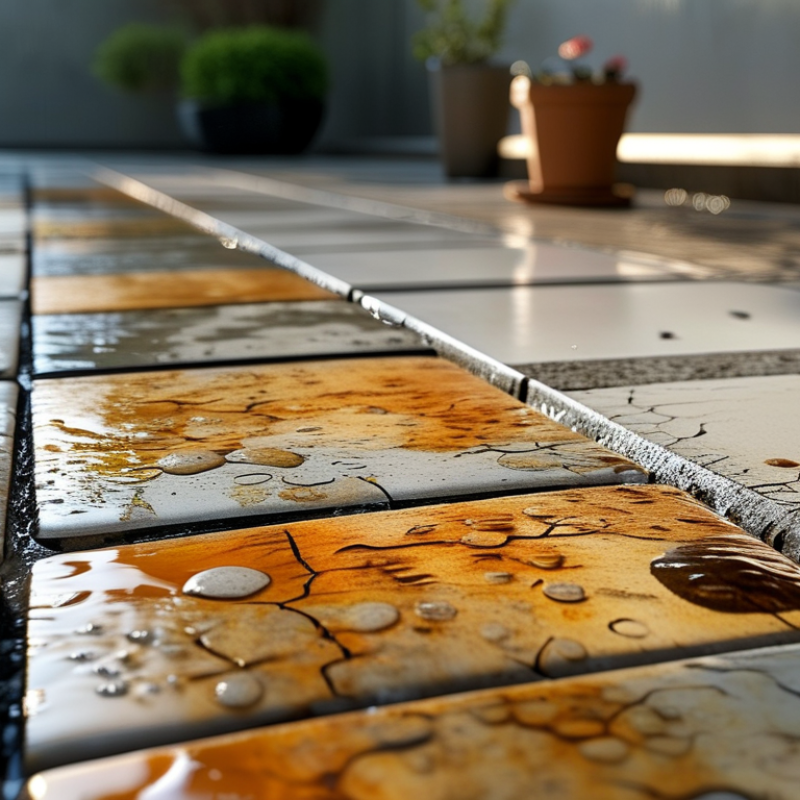
2026 Best Tile Grout Sealer Which Type Is Best?

What Is Tile Grout Sealer and Why Does It Matter?

Tile grout sealer is a protective treatment applied to porous joints between tiles. Grout often contains cement, sand, and tiny channels that absorb water, cooking oils, and colored spills. Sealer fills or coats those pathways, slowing penetration without turning grout into waterproof plastic. That difference matters. A sealed shower joint may resist dark moisture marks, soap residue, and damp conditions that encourage mildew. It also gives you more time to wipe coffee, tomato sauce, or muddy footprints before stains settle. Yet sealer cannot repair cracked grout or stop water behind a failed installation. Many homeowners expect too much.

Penetrating sealers are usually practical for cement-based grout because they preserve the original texture and appearance. They suit shower floors and kitchen backsplashes. Film-forming sealers create a visible layer and can deepen color, but they may peel when water remains trapped. Epoxy grout often needs different care and may not require traditional sealer. Always test a hidden corner first. I learned this the hard way: a “clear” product slightly darkened pale grout. Drying time, ventilation, and surface cleanliness also affect performance. Follow the technical sheet, not a guess.

Tips: Remove haze and let grout dry fully before application. Use a small brush, keep sealer off tile faces, and wipe excess quickly. Apply thin coats instead of flooding joints. Check high-use areas every year, though some floors need earlier inspection. If water stops beading, reassess the surface. Loose grout needs repair before protection.

How Cementitious, Epoxy, and Ready-Mixed Sealers Differ

Choosing the best tile grout sealer starts with identifying the grout, not the bottle. Cementitious grout is porous and can darken around a shower drain. A penetrating sealer usually suits it because it reduces water and stain absorption without creating a glossy film. The 2024 Tile and Stone Installation Manual from the Tile Council of North America stresses substrate preparation, joint curing, and maintenance conditions. Sealer cannot repair cracked grout or poor drainage.

That matters.

Epoxy grout behaves differently. It is dense, chemically resistant, and generally does not need a separate sealer. ANSI A118.3 performance requirements reflect its intended use in demanding commercial and wet environments. However, epoxy can leave a haze if cleanup is delayed. On site, installers often spend more time removing residue than applying protection. A small test area is wise.

Not always.

Ready-mixed grout is often confused with ready-mixed sealer. Many ready-mixed products use acrylic, urethane, or other polymer systems, and some arrive pre-blended for easier installation. Their absorption and maintenance needs vary widely. Read the label.

The 2024 Grand View Research ceramic tile market report estimated the global market at about 227.8 billion dollars in 2023, showing how many installation conditions these products must serve. Yet market size does not prove performance. For a kitchen backsplash, a low-odor ready-mixed product may be practical. For a frequently soaked shower, cementitious grout needs careful sealing, while epoxy may offer stronger long-term resistance. My own recommendation would change after checking joint width, curing time, ventilation, and cleaning habits. The “best” type is sometimes the one that matches the failed detail you are trying to prevent.

Which Grout Sealer Type Fits Each Tile and Room?

The best grout sealer depends on the tile, room, and cleaning pressure. ANSI A137.1 classifies porcelain tile as absorbing 0.5% water or less. Its surface resists stains, but cement grout remains porous. In a shower, use a penetrating sealer on cement grout. It enters the joints without leaving a slippery film. Test a hidden area first. Dark grout can become uneven.

For glazed ceramic tile in a kitchen backsplash, a water-based penetrating sealer usually fits well. It limits oil and sauce staining around the cooker. Natural stone needs more care. Honed marble and limestone can absorb moisture quickly, so a breathable penetrating product is safer than a glossy topical coating. Topical sealers may suit low-traffic decorative walls, but bathroom floors can become scratched or slippery. Epoxy grout generally has very low absorption and often needs no separate sealer, according to Tile Council installation guidance. Still, its color and texture are not ideal for every home.

A 2024 flooring industry report from Grand View Research describes resilient and hard-surface flooring as increasingly valued for easier maintenance. That trend supports practical grout choices, not automatic sealing. Sealing is not waterproofing. It cannot repair cracked joints or poor drainage. My own installation checks would include a 24-hour cure period, clean grout lines, and a small water-drop test. Sometimes, waiting is the better decision.

How to Choose a Grout Sealer for Durability and Safety

2026 Best Tile Grout Sealer Which Type Is Best?

How to Choose a Grout Sealer for Durability and Safety

Choosing a grout sealer starts with the grout’s location, not its appearance. Cement-based grout is porous and usually benefits from a penetrating sealer. It absorbs into the joints without leaving a thick surface film. This option suits shower walls, kitchen floors, and entryways because it reduces water and stain penetration. Epoxy grout normally needs no sealer, but always check its technical instructions.

Durability depends on traffic, moisture, cleaning chemicals, and application quality. A bathroom floor needs stronger protection than a decorative wall. Look for clear curing instructions, suitable ventilation requirements, and safety information on the product label and safety data sheet. Low-odor does not mean harmless. Wear gloves, protect nearby surfaces, and keep the room ventilated during application and curing.

Test a hidden grout line first. Tile texture and color can change the final appearance. I once applied too much sealer near a textured tile, and the residue dried into tiny cloudy patches. That mistake was avoidable. Wipe excess sealer promptly, and allow the full curing period before washing the surface. Reapply only when water stops beading or stains become harder to remove. However, water beading is not a perfect test, so inspect the grout’s color, softness, and cleaning response too.

How to Apply, Maintain, and Replace Tile Grout Sealer

In 2026, the best tile grout sealer depends on grout chemistry and exposure. Cement-based grout is porous and usually benefits from a penetrating sealer. Epoxy grout generally needs no sealer. The 2024 TCNA Handbook warns that sealing does not make grout completely stainproof. It only slows absorption. Test a hidden area first.

Clean the joints thoroughly, then let them dry for at least 48 hours. Apply sealer with a small brush or applicator bottle. Keep the liquid off glazed tile, especially textured surfaces. Remove residue before it dries. Most products need several hours before light contact and longer before regular washing. The 2024 Global Tile Market Report from IMARC Group describes renovation as a major tile-demand driver, so repair work often happens in occupied homes. That makes ventilation and careful timing essential. I still find rushed drying causes early failure.

Tips: Check the label, not internet shortcuts. Reapply penetrating sealer when water darkens the joint instead of beading. High-traffic floors may need inspection every six to twelve months. Replace cracked or powdery grout before sealing. Scrape out loose material, clean the joint, and allow fresh grout to cure fully. A glossy “wet look” can hide uneven application. Less product is often safer.

2026 Best Tile Grout Sealer: Which Type Is Best?

Sealer Type How It Works Best Applications Water and Stain Resistance Typical Service Interval Appearance Advantages Limitations
Penetrating Sealer Absorbs into the grout pores and reduces the penetration of water and oil without creating a thick surface film. Cement-based grout on bathroom floors, shower walls, kitchen backsplashes, entryways, and other porous tile installations. Good water resistance; oil resistance depends on the formulation. It helps slow staining but does not make grout completely waterproof. About 1–3 years in normal residential areas; high-traffic or frequently wet areas may need more frequent inspection. Usually natural-looking with little or no color change. Low risk of peeling, generally breathable, and suitable for many interior grout joints. Does not hide discoloration, repair cracks, or stop moisture behind the tile assembly.
Color-Enhancing Penetrating Sealer Penetrates the grout while deepening the color and sometimes adding a mild sheen. Natural stone and cement grout where a darker, richer appearance is desired. Good protection against common water-based stains; performance varies with the product chemistry. About 1–3 years, subject to traffic, cleaning products, and moisture exposure. Darkens or enriches the grout and may slightly enhance adjacent porous stone. Combines stain protection with an appearance update. Can create uneven color if applied inconsistently; always test on an inconspicuous area first.
Membrane-Forming Sealer Leaves a film on or near the grout surface to provide a barrier against moisture and stains. Dry interior areas, decorative wall tile, and situations where a visible finish is acceptable. Good initial stain resistance; not a substitute for waterproofing membranes or correct shower construction. Approximately 1–2 years, depending on wear and cleaning conditions. May produce a satin or glossy finish and can slightly change grout color. Can provide strong surface stain resistance and an optional finish. May scratch, peel, trap moisture, or become cloudy in continuously wet areas if unsuitable for the installation.
Acrylic-Based Sealer Forms a relatively thin protective coating, often with color-enhancing or gloss properties. Decorative, low- to moderate-traffic interior tile areas where appearance is important. Moderate water and stain resistance; usually less durable than high-performance penetrating systems. Often 6–18 months in demanding areas, with longer intervals in lightly used locations. Natural, satin, or glossy depending on the formulation. Easy to apply and available in finishes that refresh dull grout. More vulnerable to abrasion, chemicals, and standing water; may require stripping before recoating.
Fluorochemical or Solvent-Based Penetrating Sealer Uses a penetrating treatment designed to repel water and, in some formulations, oil-based stains. Porous cement grout, natural stone, commercial floors, and areas exposed to food or oily soil. Very good stain resistance when correctly matched to the substrate and used as directed. Commonly 1–5 years; actual durability depends strongly on traffic and cleaning chemistry. Usually natural-looking. Strong repellency and good resistance to many oil-based contaminants. May have strong odor or ventilation requirements; application and disposal instructions must be followed carefully.
Epoxy Grout Note Epoxy grout is a grout material rather than a conventional grout sealer. Once fully cured, it is generally nonporous. Commercial kitchens, wet rooms, showers, and installations requiring high stain resistance, when compatible with the tile system. Very high resistance to water and many stains after proper curing. Normally does not require a separate sealer; inspect joints and renew damaged areas as needed. Can have consistent color and a smooth finish. Low absorption and strong resistance to many household and commercial contaminants. More expensive and less forgiving to install; excess residue must be removed promptly according to the grout instructions.

Quick Selection Guide

Installation Condition Recommended Direction Reason Important Check Before Sealing
Standard cement grout in a bathroom Use a penetrating sealer suitable for wet areas. It reduces absorption without normally leaving a heavy surface film. Grout must be clean, dry, fully cured, and free of soap residue.
Kitchen backsplash exposed to cooking oils Choose a penetrating sealer rated for both water and oil resistance. Oil-repellent chemistry can reduce staining from cooking splashes. Confirm compatibility with glazed tile, natural stone, and countertop materials.
Shower floor or continuously wet area Use a product specifically approved for wet locations, or consider epoxy grout during installation. Continuous moisture places greater demands on the grout and surrounding waterproofing system. Verify that the shower has a correctly installed waterproofing layer; sealer alone is not waterproofing.
Decorative stone with a darker desired color Consider a color-enhancing penetrating sealer after a test application. It can deepen the appearance while helping reduce absorption. Test for darkening, blotching, and unwanted enhancement of the stone.
Old grout with cracks, gaps, or loose sections Repair or replace the grout before applying sealer. Sealer cannot restore structural integrity or bridge open joints reliably. Identify movement, leaks, loose tiles, or substrate problems before cosmetic work.
Epoxy grout in good condition Usually do not apply a conventional grout sealer. Cured epoxy grout is generally nonporous and does not need added pore protection. Follow the epoxy grout manufacturer’s care instructions instead.

How to Apply Tile Grout Sealer

Step Action Practical Standard Common Mistake to Avoid
1. Inspect Check the grout, tile, joints, caulk, and surrounding surfaces. Repair cracked or missing grout and replace failed flexible caulk before sealing. Sealing over movement cracks, mold, efflorescence, or active leaks.
2. Clean Remove dirt, soap film, grease, and old residue with a compatible tile-and-grout cleaner. Rinse thoroughly so cleaner residue does not interfere with adhesion or absorption. Using acidic or abrasive cleaners that may damage stone, grout, or metal trim.
3. Dry and Cure Allow the grout to dry fully and meet the grout or sealer curing requirement. Many cement grout installations require approximately 48–72 hours before sealing, but the product instructions control. Sealing damp grout, which can cause uneven absorption, clouding, or poor performance.
4. Test Apply sealer to a small, hidden section first. Check color, sheen, absorption, and cleanup after the recommended test period. Assuming every tile, stone, and grout color will react identically.
5. Apply Use a small brush, applicator bottle, roller, or sprayer appropriate for the sealer. Work in manageable sections and coat the grout evenly without flooding the tile surface. Allowing sealer to dry on tile, textured stone, metal trim, or glass.
6. Remove Excess Wipe residue from adjacent tile before it dries. Use clean, dry or slightly damp cloths as directed by the product instructions. Leaving a film that later appears hazy, sticky, or blotchy.
7. Apply Additional Coats Add another coat only if the product instructions and grout absorption require it. Observe the specified recoat window; more sealer is not always better. Applying repeated coats without removing residue or respecting drying times.
8. Protect the Surface Keep the area dry and free from traffic during the stated cure period. Use the label’s waiting time before allowing water exposure, washing, or heavy foot traffic. Testing the sealer immediately with water or cleaning the surface too soon.

Maintenance and Replacement Schedule

Task Recommended Frequency Method Signs That Service Is Needed
Routine cleaning Weekly or as needed Use a pH-neutral cleaner, soft brush, or non-abrasive pad; rinse away cleaner residue. Visible soil, soap film, dullness, or odor in grout joints.
Deep cleaning Every 3–6 months in wet or high-use areas Use a grout-safe cleaner and gentle agitation; rinse and dry completely. Darkened joints, embedded soil, or deposits that routine cleaning does not remove.
Water-bead inspection Every 6–12 months Place a few drops of water on clean, dry grout and observe absorption after several minutes. Water rapidly darkens or absorbs into the grout instead of remaining beaded on the surface.
Sealer renewal Commonly every 1–3 years for penetrating sealers Clean, rinse, dry, test, and reapply only when the existing sealer has lost performance. Stains penetrate more easily, cleaning becomes difficult, or the product’s stated service period has elapsed.
Spot repair As soon as damage appears Remove loose material, match the replacement grout, allow it to cure, then seal if required. Small cracks, pinholes, missing sections, or localized discoloration.
Full grout replacement When damage is widespread or recurring Remove deteriorated grout carefully, investigate moisture or movement, regrout, cure, and seal if appropriate. Extensive cracking, crumbling, persistent mold, loose tiles, water damage, or repeated failed repairs.
Safety and compatibility note: Always follow the product label, ventilation requirements, personal protective equipment guidance, coverage rate, drying time, and cure time. Sealer cannot correct a leaking shower, defective waterproofing, unstable substrate, or improperly installed tile.

Service intervals are typical residential ranges. Actual performance depends on grout porosity, traffic, moisture exposure, cleaning chemicals, installation quality, and the specific sealer formulation.

FAQS

: What is tile grout sealer?

: It is a protective treatment for porous joints between tiles. It slows water, oil, and stain absorption. It does not make grout completely waterproof.

Why does grout sealer matter?

Sealer gives you more time to wipe spills away. It can reduce dark moisture marks, soap residue, and staining. The protection is helpful, not perfect.

Which grout usually needs sealer?

Cement-based grout is porous and usually benefits from penetrating sealer. Epoxy grout often needs different care. It may not require traditional sealer.

Does grout sealer repair damaged joints?

No. Sealer cannot repair cracks, loose material, or powdery grout. Remove damaged grout first. Then clean, replace, cure, and seal it.

How should I prepare grout before sealing?

Remove haze, dirt, and residue from the joints. Let the grout dry completely, often for at least 48 hours. Damp grout can cause early failure.

How do I apply grout sealer correctly?

Use a small brush or applicator bottle. Apply thin coats instead of flooding the joints. Keep sealer off tile faces. Wipe excess quickly.

Should I test the sealer first?

Yes. Test a hidden corner before treating the whole surface. Some clear sealers slightly darken pale grout. That surprised me once.

How can I tell when grout sealer needs renewal?

Place a few drops of water on the joint. If water darkens the grout instead of beading, inspect the seal. High-use floors may need checking every six to twelve months.

Can film-forming sealer work in wet areas?

It can deepen color and create a visible surface layer. However, trapped moisture may cause peeling. A penetrating sealer is often more practical for cement grout.

Conclusion

Choosing the best Tile Grout Sealer in 2026 starts with understanding how it protects grout from moisture, stains, dirt, and daily wear. Cementitious grout is porous and usually benefits most from a penetrating sealer, while epoxy grout is naturally more resistant and may require little or no additional protection. Ready-mixed options can offer convenience, but their performance depends on the room, tile material, and expected traffic. Bathrooms, kitchens, entryways, and outdoor areas may each require different levels of water resistance, stain protection, and slip safety.

A suitable Tile Grout Sealer should be selected for durability, ventilation, drying time, appearance, and compatibility with the existing grout and tile. Proper application involves cleaning and fully drying the joints, applying an even coat, removing excess from the tile surface, and allowing adequate curing time. Regular cleaning with gentle methods helps extend protection, while worn, stained, or damaged grout may need resealing or replacement. By matching the sealer to the environment and maintaining it correctly, homeowners can preserve both the function and appearance of tiled surfaces.


Aria

Aria

Aria is a dedicated marketing professional with a deep passion for innovative strategies and a keen understanding of our company's product offerings. With a wealth of experience in the industry, Aria excels at crafting engaging content that highlights the unique features and benefits of our......