Explore our industrial range of high-elasticity structural adhesives, modified silicones, polyurea matrices, and professional floor ceramic grouts.
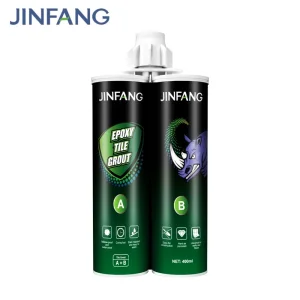
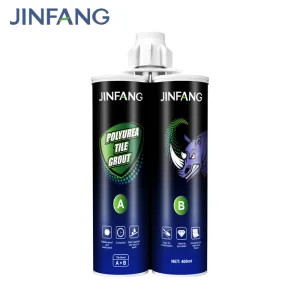
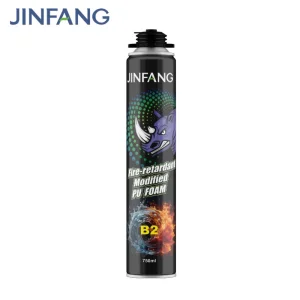
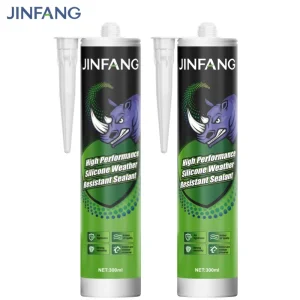
In modern architectural design, infrastructure systems, and residential finishing projects, tile grout is no longer viewed as a minor cosmetic compound. It is a critical engineering element designed to secure structural integrity, block liquid infiltration, and mitigate thermal expansions. As globally recognized Tile Grout Suppliers & Factories, our R&D initiatives focus heavily on the development of multi-component, reactive polymer matrices that outperform conventional cementitious formulations.
Historically, cement-based grouts dominated construction. However, these systems inherently suffer from issues like micro-porosity, high absorption rates, low chemical resistance, and susceptibility to fungal outbreaks. In modern commercial structures (e.g., massive commercial malls, airport terminals, pharmaceutical labs, food processing units), the mechanical loads and environmental stresses require next-generation chemical solutions. The shift toward Epoxy, Polyurea, and advanced Modified Silane (MS) matrices represents a standard evolution in material physics aimed at achieving maximum lifecycle utility and minimizing recurring structural maintenance costs.
The global market for advanced tile grouts and sealants is undergoing significant growth. Key growth vectors include the rapid urbanization of the Asia-Pacific region, stringent environmental directives in Europe targeting VOC emissions, and the expansion of high-end commercial projects in North and South America. Industrial procurement models are increasingly prioritizing systems that offer long-term chemical durability, absolute waterproof properties, and ease of deployment. Builders are recognizing that upfront investments in premium grouting materials yield substantial returns by preventing structural deterioration and moisture damage down the line.
SEO Information Gain Note: Unlike consumer-focused retailers, global commercial sourcing procurement managers look for products certified by global standards bodies (such as ISO 13007 and ANSI A118.3). Our premium formulations are designed and tested to comfortably surpass these standards, ensuring reliable compliance in various regional jurisdictions.
| Grout Matrix Type | Tensile Strength (MPa) | UV Light Stability | Chemical Resistance | Ideal Application Scenarios |
|---|---|---|---|---|
| Traditional Cement-Based | 1.5 - 3.5 | Poor to Moderate | Extremely Low | Low-Traffic Residential Areas, Dry Zones |
| Dual-Component Epoxy | 18.0 - 25.0 | Moderate (Slight Yellowing) | High (Acids, Solvents, Detergents) | Commercial Food Processing, Heavy Industrial Floors |
| Polyurea Formulations | 12.0 - 18.0 | Excellent (Aliphatic UV-Proof) | Very High | Outdoor Facades, Balconies, Cold Storage Units |
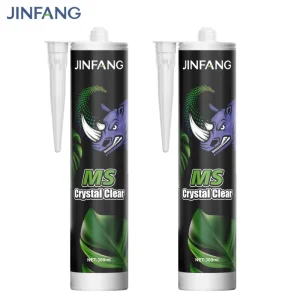
| Modified Silane (MS) Sealants | 2.0 - 4.5 | Outstanding | High | High-Movement Expansion Joints, Glazing Borders |
Understanding the precise chemical performance of dual-component epoxy resins and polyurea compounds is vital for specifiers and construction planners. Epoxy Resin Grout relies on cross-linking reaction networks established between epoxy monomers and hardeners. This dense curing results in incredibly high compressive strength and exceptional resistance against chemical sanitizers, oils, and strong alkalis, making it the preferred choice for commercial kitchens and manufacturing bays.
Conversely, Polyurea Tile Grout leverages advanced polyaspartic/aliphatic technology. The resulting elastomeric matrix offers outstanding elongation properties, allowing joints to withstand expansion and contraction cycle stress. In addition, aliphatic polyurea remains entirely color-stable under direct ultraviolet exposure, unlike standard epoxies which can yellow under sunlight over time. This makes polyurea the benchmark choice for exterior cladding, high-exposure terraces, and properties with floor heating installations.

Prevents water ingress to protect structural concrete or underlayments from deterioration, salt efflorescence, and moisture-induced adhesive failure.
Dense surface chemistry prevents liquid absorption, denying organic contaminants the base material required for mildew and fungal colonization.
Formulated with specific elastic moduli to absorb structural movements and vibration, eliminating grout cracking, detachment, and crumbling.
High-performance sealants find vital applications across multiple core industries. Shandong Jinfang Adhesive Industry Co., Ltd. supplies high-performance products tailored to two primary sectors:
In architectural projects, our sealants are critical for structural glazing, window installations, expansion joints, and interior wet room finishes. They provide long-term weather resistance, maintain thermal insulation properties, and protect structural assemblies from harsh outdoor environments.
In the automotive sector, Jinfang's specialized adhesive formulations support components bonding, structural reinforcement, soundproofing, and cabin water protection. Their high elasticity helps absorb road vibrations, improving both vehicle safety and cabin comfort.
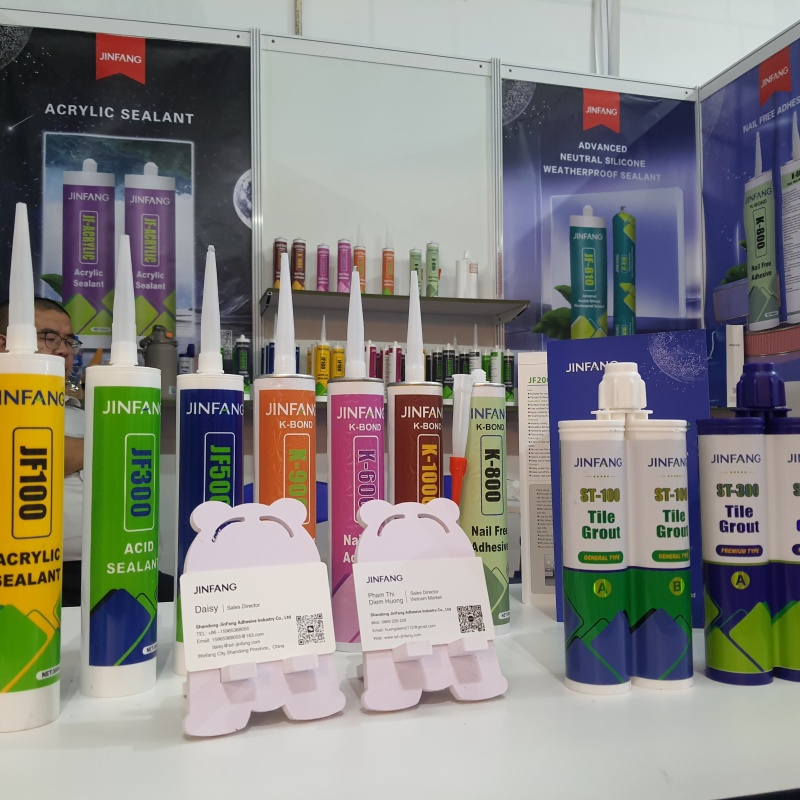
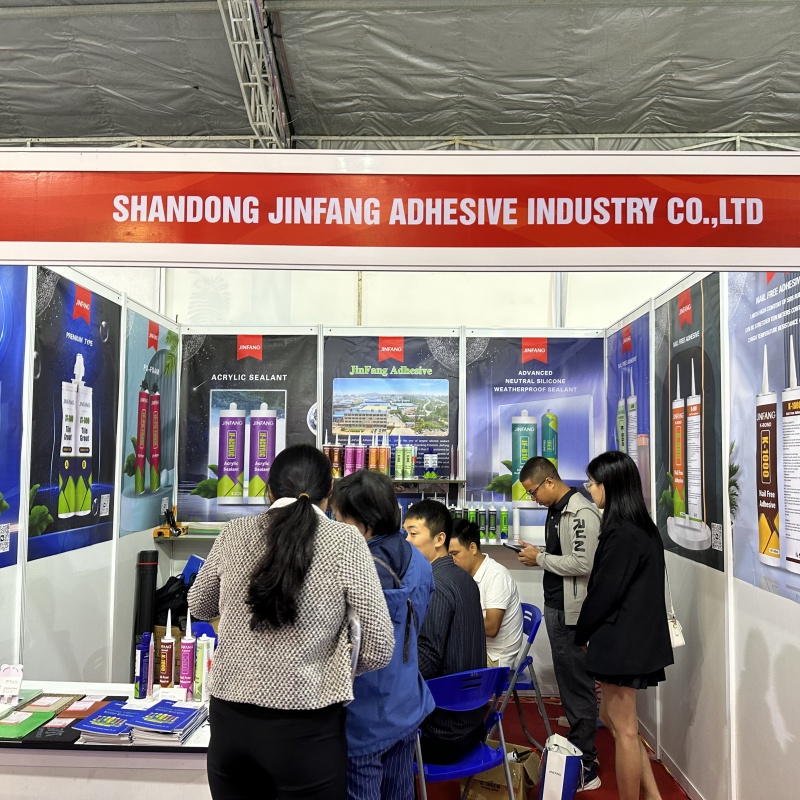
Based in Shandong Province, a major industrial hub in China, Shandong Jinfang Adhesive Industry Co., Ltd. is a leading manufacturer specializing in the research, development, and high-volume production of advanced adhesives and sealants. Our production capabilities include silicone sealants, PU foam, MS sealants, nail-free structural glues, tile grouts, and polyurethane sealants.
To drive product innovation and maintain leading performance metrics, we partner with top universities, including Shandong University, Xiamen University, and Linyi University. These partnerships allow us to leverage specialized R&D talent and accelerate the transition of advanced polymer research into market-ready products.
We are committed to delivering consistent product quality, swift lead times, and reliable supply security to our global distributors and partners.
By operating fully automated compounding processes and high-precision packaging lines, we minimize batch-to-batch variation. This structural reliability is verified by international certifications, giving distributors and builders complete confidence in our products.
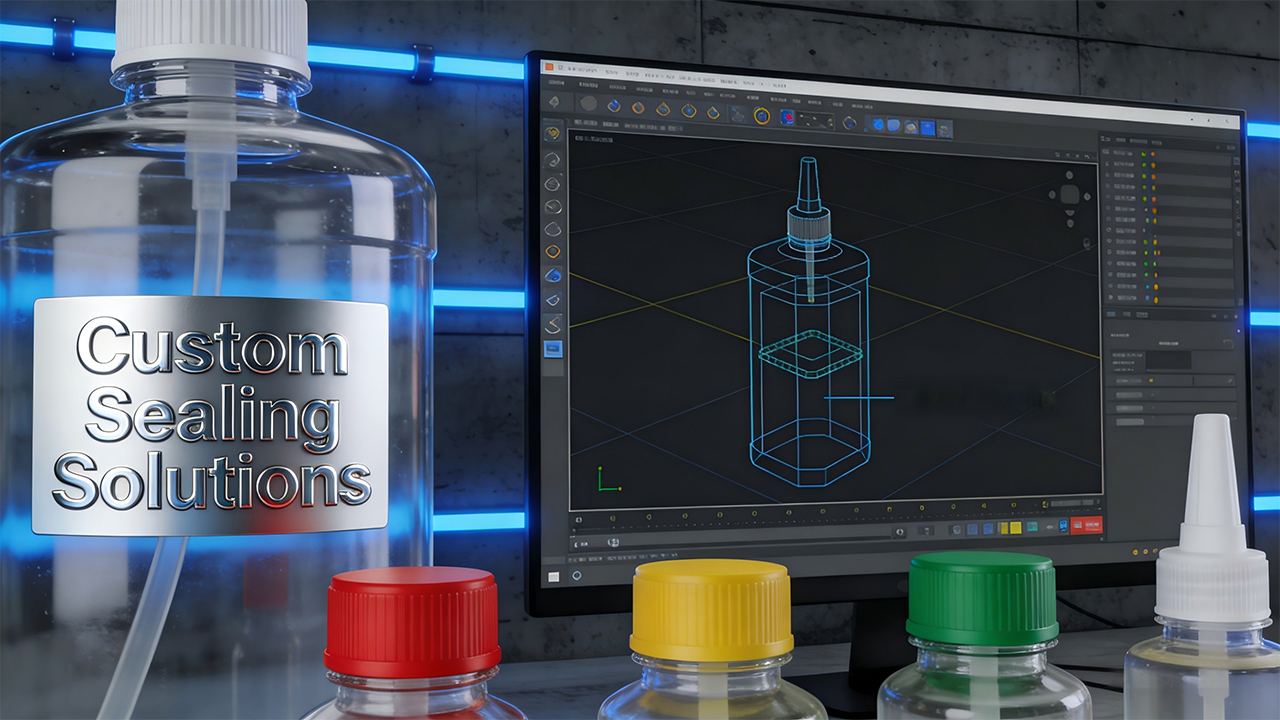
We provide full-spectrum OEM and customization services, working closely with global brands to tailor formulations, packaging designs, and branding to their exact market needs.
Our laboratory adapts chemical properties—such as curing speed, viscosity, elasticity, thermal stability, and custom color profiles—to suit specific climate conditions and application requirements.
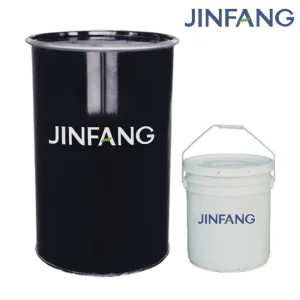
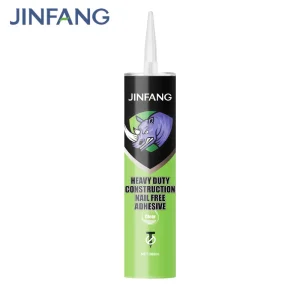
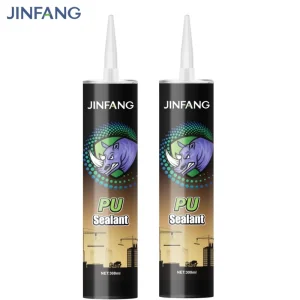
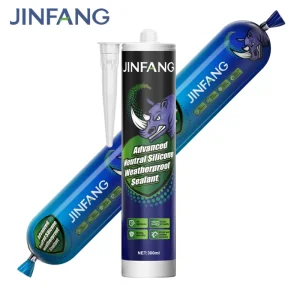
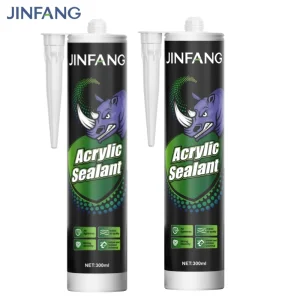
We pack formulations in various sizes and styles, including 300ml rigid tubes, flexible foil sausages, plastic cartridges, and bulk pails, ensuring easy handling and application on site.
We use advanced offset and multi-color screen printing directly on packaging. This ensures clear, durable branding, compliance labeling, usage guides, and logos that resist wear on site.
The global construction chemicals market is shifting toward smarter, safer, and more sustainable products. At Jinfang, our future technology roadmap focuses on three main developments:
We are actively researching the replacement of petrochemical raw materials with renewable bio-resins derived from plant waste. Our goal is to significantly reduce the embodied carbon of our formulations without compromising tensile strength, durability, or elastic performance.
One of our most promising development areas is self-healing chemical grout. By embedding micro-capsules containing liquid polymer precursors into the grout, micro-cracks will trigger the release of these compounds, repairing the crack automatically to prevent water infiltration.
As green building standards become more strict globally, our products are formulated to minimize VOC emissions. This ensures compliance with leading green building programs (like LEED and EMICODE EC1 Plus), helping builders create healthier indoor spaces.
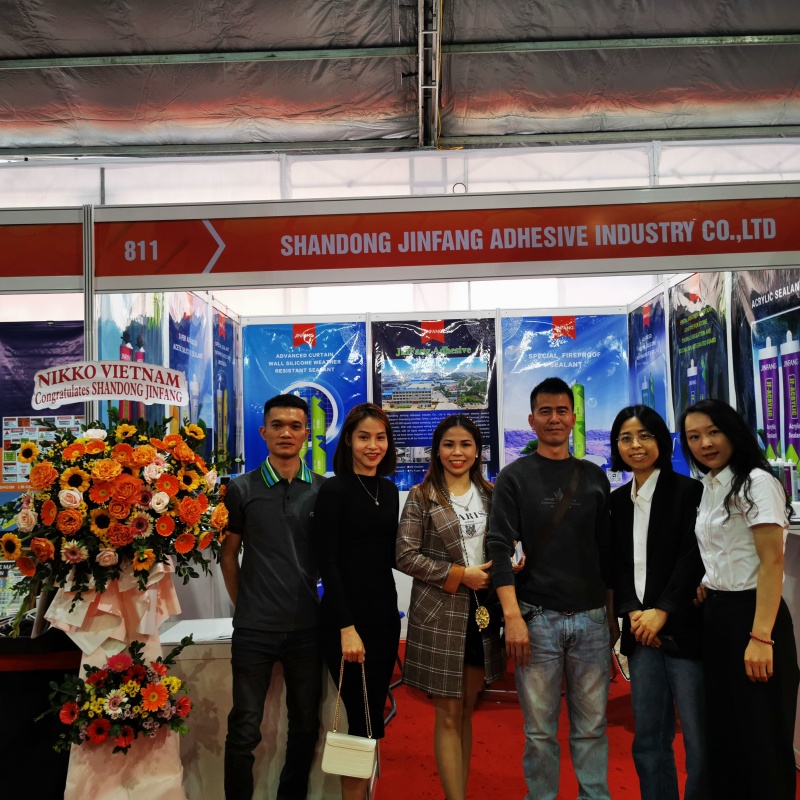
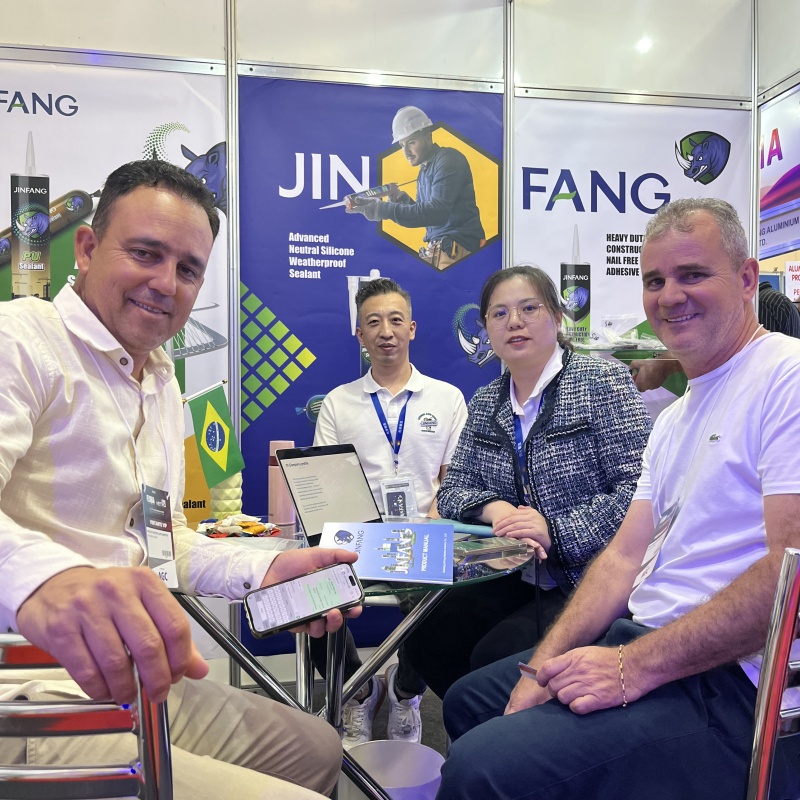
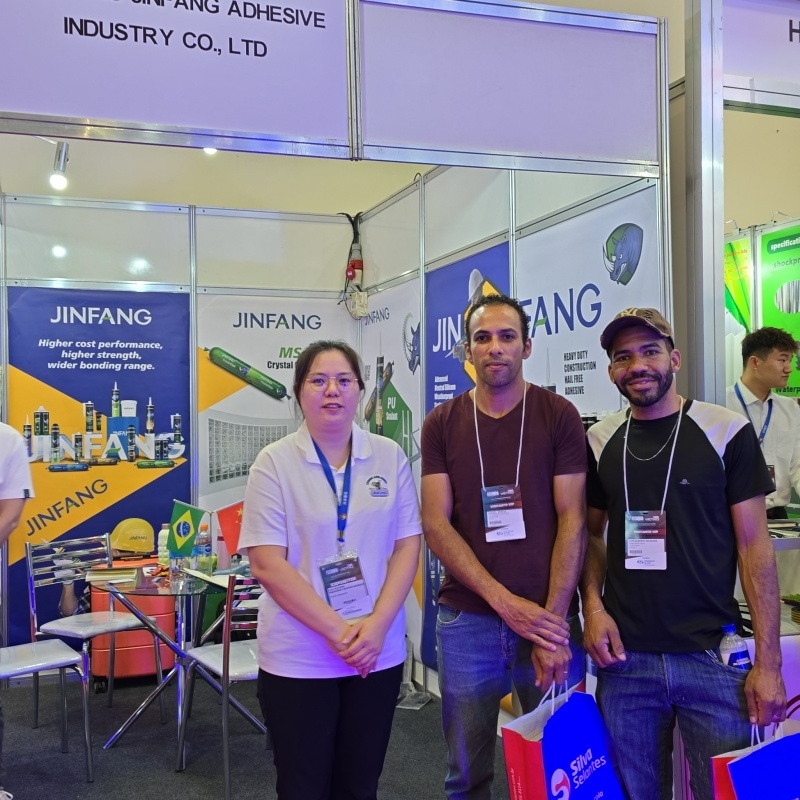
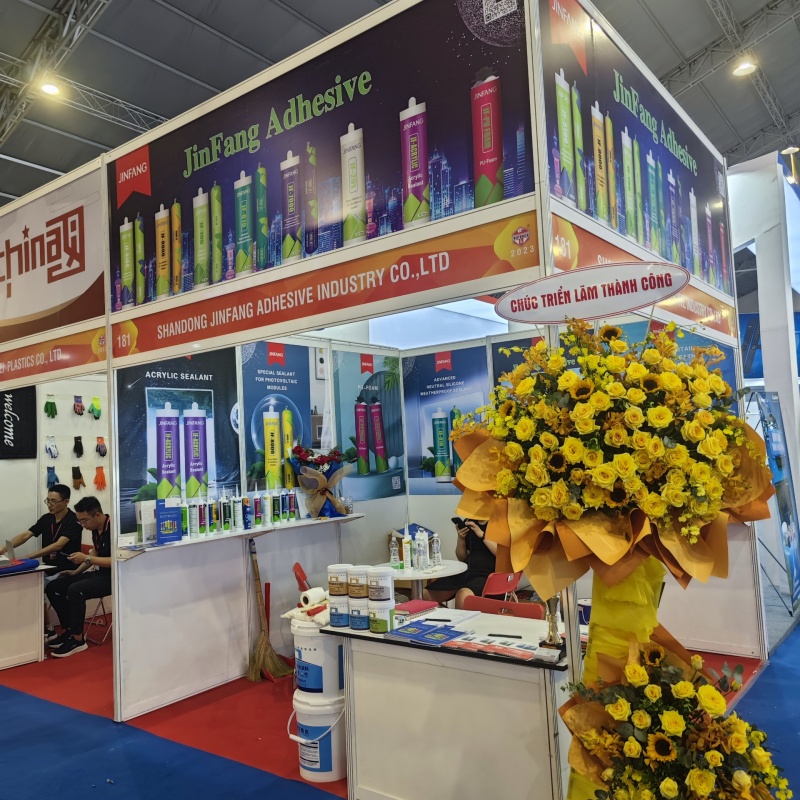
Find answers to common questions about selecting, processing, and applying advanced tile grouts and sealants in commercial settings.
Epoxy grouts are rigid and highly resistant to chemicals, acids, and heavy traffic, making them ideal for indoor food processing plants and commercial kitchens. Polyurea grouts are more elastic and highly UV-resistant, preventing yellowing and cracking in outdoor settings, facades, and over underfloor heating.
We use fully automated raw material dosing, mixing, and packaging systems in our factories. Each batch is logged, tested, and tracked back to its raw material source. This process is monitored and validated under our ISO 9001 and ISO 14001 quality management systems.
Yes. Our R&D team can adjust formulation characteristics, such as curing kinetics, viscosity, and open time, to suit hot tropical climates or sub-zero environments, ensuring smooth application and reliable performance on site.
Our products comply with European standards (such as EN 12004 / ISO 13007 classifications) and hold certifications including ISO 9001, ISO 14001, and EU IROS. We also offer formulations that meet low-VOC requirements like LEED and EMICODE EC1 Plus.
For standard packaging and established formulations, our average lead time is 15 business days from order confirmation to port delivery. Custom formulations or unique packaging designs may extend this timeline depending on development and verification requirements.
Modified Silane (MS) polymers combine the durability and weather resistance of silicones with the mechanical strength and paintability of polyurethanes. They are highly flexible, paint-receptive, do not stain natural stone substrates, and contain no solvents or isocyanates.
Browse our complete catalog of industrial structural adhesives, waterproof silicones, nail-free glues, and heavy-duty joint sealing solutions.
 Jinfang