How to Choose the Best Tile Sealant for Your Project?

Time:2026-06-28 Author:Sienna
0%

Choosing the right tile sealant is crucial for any tile project. It serves as a protective barrier against moisture and stains. A good sealant enhances the durability of your tiles, making them last longer.

When selecting a tile sealant, consider factors such as tile material, location, and exposure to water. There are various types available, from penetrating sealants to topical options. Each type has its pros and cons. It’s essential to match the sealant with your specific tile needs.

While expertise in choosing tile sealants is important, many homeowners often feel overwhelmed. There’s no one-size-fits-all solution. Understanding the right sealant requires careful thought and sometimes even trial and error. Making an informed choice can lead to long-term satisfaction with your tile surfaces.
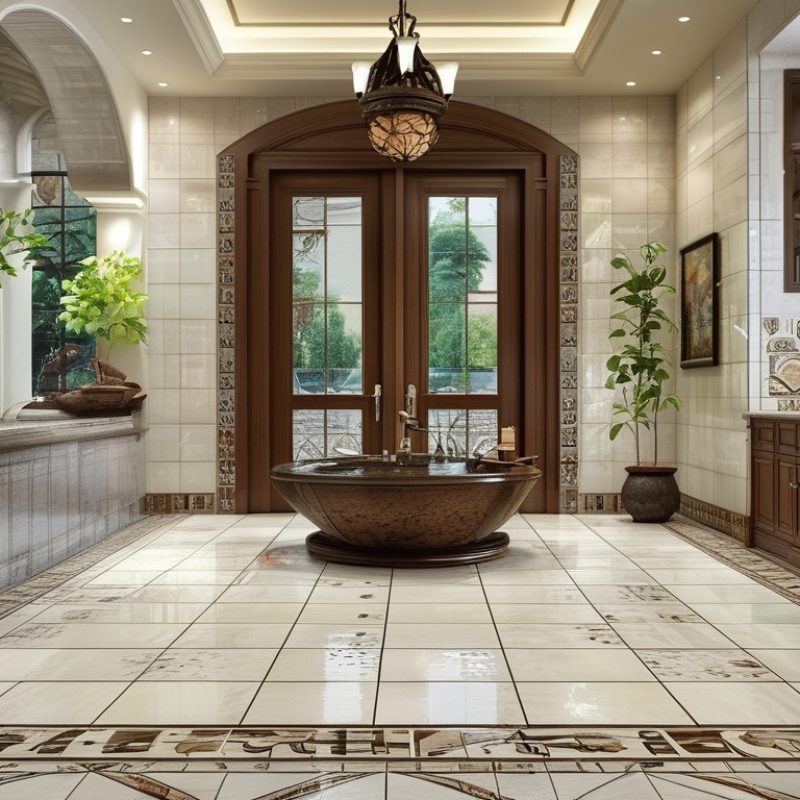
How to Choose the Best Tile Sealant for Your Project?

Understanding the Importance of Tile Sealants in Home Projects

Tile sealants play a crucial role in home projects. They protect surfaces from moisture, stains, and damage. Proper sealing can extend the life of your tiles significantly. Without it, water can seep into grout lines, causing mold and mildew. This not only affects aesthetics but can also damage underlying structures.

Choosing a tile sealant requires careful thought. Not all sealants are created equal. Some are heavy-duty for high-traffic areas, while others suit light residential use. Consider the tile material. For instance, porous tiles may need a penetrating sealant, whereas glossy tiles might perform better with a topical sealant. Testing a small area first can prevent costly mistakes.

It's also essential to reflect on the application process. Poor application can lead to uneven coverage. This might result in areas that are unprotected. Take time to prepare the surface correctly. Dust and debris can hinder adhesion. Being meticulous ensures better protection and a longer-lasting finish. Each project offers a learning opportunity. Mistakes can guide future choices for your home.

Types of Tile Sealants Available: A Comprehensive Overview

When selecting the right tile sealant, understanding the types available is crucial. There are three primary categories: penetrating sealants, topical sealants, and membranes. Penetrating sealants deeply soak into the tile, providing long-lasting protection against stains. They are often ideal for porous materials, such as natural stone and certain ceramic tiles. However, they may not offer a glossy finish.

Topical sealants, on the other hand, coat the surface. These are great for high-traffic areas where you need visible protection. They create a shiny appearance but might wear off more quickly than penetrating options. It’s important to note that topical sealants can sometimes trap moisture, leading to potential issues.

Membrane sealants serve as a barrier layer, often used in wet areas like bathrooms. They are versatile but require careful application to ensure effectiveness. Different tile projects demand different sealants, which can be overwhelming. Consider the materials you have, as well as the expected wear and tear. Each type has its pros and cons, and no solution fits all scenarios perfectly. Balancing your project's needs with the right kind of sealant is key.

How to Choose the Best Tile Sealant for Your Project? - Types of Tile Sealants Available: A Comprehensive Overview

Sealant Type Best For Durability Application Method Drying Time
Acrylic Sealants Indoor Tiles Medium Brush or Spray 1-2 Hours
Penetrating Sealants Porous Tiles High Roller or Cloth 24 Hours
Urethane Sealants High-Traffic Areas Very High Trowel or Spray 6-12 Hours
Epoxy Sealants Commercial Settings Extreme Mix and Apply 24-48 Hours
Finishing Sealants Decorative Tiles Medium Spray or Brush 1-3 Hours

Factors to Consider When Choosing a Tile Sealant

Choosing the right tile sealant is crucial for protecting your surfaces. One critical factor is the type of tile. Porous tiles like ceramic need different sealants than natural stone. This is vital for maintaining the tile’s integrity and appearance. Consider the area’s usage. High-traffic areas may require more durable sealants, while decorative tiles might need less aggressive options.

Another important aspect is the environment. Indoor and outdoor tiles face different conditions. Outdoor tiles are exposed to moisture and temperature fluctuations. For them, moisture-resistant sealants are necessary. Also, know your application method. Some sealants are easy to apply, while others may require professional assistance.

Lastly, check the curing time. A longer curing time might interfere with your schedule. Always weigh these factors carefully to ensure the best outcomes for your tiling project.

Step-by-Step Guide to Applying Tile Sealant Effectively

Applying tile sealant effectively is crucial for protecting your surfaces. The first step is to prepare the area. Ensure the tiles are clean and dry. Moisture or debris can hinder adhesion. A study by the Tile Council of North America highlights that 95% of sealant failures come from improper surface preparation.

Next, choose the right sealant for your tiles. There are solvent-based and water-based options. Solvent-based sealants often provide better durability but may have strong odors. Water-based options are easier to apply and cleaner but may not last as long. According to industry reports, the longevity of sealants can range from 3 to 10 years, depending on the type and usage.

Application requires attention to detail. Use a high-quality applicator for even distribution. Incomplete coverage can lead to unsealed areas, vulnerable to stains and damage. Read the instructions carefully, as application methods vary. Many professionals find that sealing should be repeated every year to maintain optimal protection. Regular maintenance helps identify any areas that might need more attention.

Common Mistakes to Avoid When Selecting Tile Sealants

When selecting tile sealants, many people make critical mistakes. One common error is choosing a sealant based on price alone. While budget is important, quality often matters more. Inadequate sealants can fail, leading to costly repairs later. It's crucial to consider the type of tile and intended use before making a decision. Not all sealants are suitable for every surface, so it's essential to do your research.

Another mistake involves overlooking application techniques. Many assume that all sealants are applied the same way. Different products may require specific tools or methods. Ignoring these instructions can lead to uneven coverage or premature failure. Moreover, failing to prepare the tile properly before sealing can diminish effectiveness. Cleaning the surface thoroughly and allowing it to dry completely are vital steps.

Lastly, some neglect to read product reviews and expert opinions. Relying solely on marketing claims can be misleading. Investigating user experiences helps to gauge a sealant's performance in real-world scenarios. Making informed choices based on trusted sources enhances the likelihood of achieving a durable and effective seal. Remember, the right sealant can protect your investment and extend the life of your tiles.

FAQS

: What role do tile sealants play in home projects?

: Tile sealants protect surfaces from moisture, stains, and damage. They can significantly extend the life of tiles.

How do I choose the right tile sealant?

Consider your tile material and area usage. Some sealants suit high-traffic areas, while others fit light residential use.

What types of tile sealants are available?

The three main types are penetrating, topical, and membrane sealants. Each serves different purposes and has unique benefits.

Why is surface preparation important before applying sealant?

Proper preparation ensures better adhesion. Dust and debris can cause the sealant to fail, leading to unprotected areas.

How often should I apply tile sealant?

Many professionals recommend sealing tiles annually to maintain optimal protection and address wear over time.

What are the drawbacks of topical sealants?

While they create a shiny finish, topical sealants may wear off faster and can trap moisture, leading to potential issues.

How can poor application affect sealant performance?

Uneven coverage may result in unprotected areas, making tiles vulnerable to stains and damage. Attention to detail is crucial.

How long do tile sealants typically last?

Sealants can last between 3 to 10 years, depending on the type used and the level of wear they experience.

Conclusion

Choosing the right tile sealant is crucial for the success of your home improvement projects. Tile sealants play an important role in protecting your tiles from moisture, stains, and wear, thus prolonging their lifespan. Understanding the various types of tile sealants available is essential, as it allows you to select the one that best fits your specific needs, whether for ceramic, porcelain, or natural stone tiles.

When selecting a tile sealant, consider several factors, including the type of tile, the area of application, and the sealant’s durability and ease of use. A well-structured guide to applying tile sealant effectively can ensure optimal results, while being aware of common mistakes can help you avoid pitfalls in the sealing process. By taking the time to choose and apply the appropriate tile sealant, you can enhance the beauty and longevity of your tiled surfaces.


Sienna

Sienna

Sienna is a skilled marketing professional with a deep expertise in our company’s core products and services. With a passion for innovation and detail, she plays a pivotal role in crafting insightful blog posts that not only highlight the unique features of our offerings but also provide valuable......