What are the Best Types of Silicone Sealant for Your Needs?

Time:2026-06-13 Author:Charlotte
0%

Silicon sealants play a crucial role in construction and home improvement. According to a recent report by Global Market Insights, the silicon sealant market is projected to reach $4 billion by 2026. This growth highlights the increasing demand for reliable sealing solutions across various industries. Experts emphasize the importance of choosing the right type of silicon sealant based on specific needs.

Dr. Emily Chen, a leading expert in adhesive technologies, points out, “Selecting the appropriate silicon sealant can significantly enhance durability and effectiveness.” Each type of silicon sealant offers unique properties. Whether you need flexibility, weather resistance, or thermal stability, understanding these variations is essential.

However, many consumers overlook the importance of compatibility and application methods. Misuse can lead to costly repairs and wasted time. It’s important to assess your project requirements thoroughly. This underscores the necessity of reliable information when making such choices. Understanding the nuances of silicon sealants will save time and resources, ensuring project success.
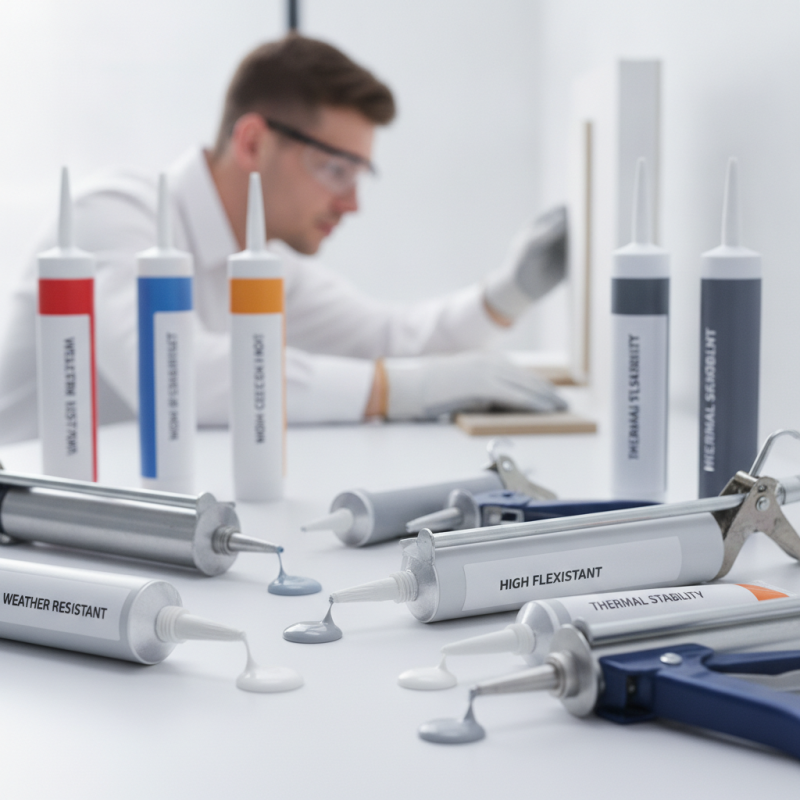
What are the Best Types of Silicone Sealant for Your Needs?

Types of Silicone Sealant: Overview and Applications

Silicone sealants come in various types, each tailored for specific applications. One common type is the acetoxy silicone, known for its excellent adhesion and quick curing properties. It works well in areas exposed to moisture, such as bathrooms or kitchens. However, its strong vinegar-like odor can be overwhelming for some users.

Another option is neutral cure silicone. This type emits no strong odors and adheres well to a variety of materials, including metals and plastics. It's ideal for exterior applications, like sealing windows and doors. However, its longer curing time can be a drawback for projects requiring quick completion.

Lastly, consider sanitary silicone, especially for wet environments. This sealant contains antifungal agents that prevent mold growth. It is effective but can be more expensive than standard options. Knowing these differences will guide you to the right choice for your task. Re-evaluating your needs can help refine the selection process. Keep the specific requirements of your project in mind for successful results.

Selecting the Right Silicone Sealant for Specific Projects

Choosing the right silicone sealant for your projects is crucial. Different applications require specific properties, influenced by the environment and materials involved. For instance, outdoor projects often need sealants that are UV-resistant and can endure temperature fluctuations. A report by the Adhesive and Sealant Council noted that sealants can lose up to 50% of their performance in extreme conditions if the wrong type is used.

When working indoors, consider sealants designed for moisture resistance. Kitchens and bathrooms are prone to humidity. A moisture-curing silicone sealant can provide an effective barrier to prevent mold and mildew. According to the American Institute of Architects, around 30% of residential issues arise from improper sealing. This emphasizes the importance of selecting the right type.

Tips: Always check the label and ensure compatibility with the materials in your project. A small change in formulation can lead to big problems later on. Test a small area if unsure, as silicons can behave differently based on surrounding elements. Evaluate your needs and make an informed choice, knowing that not every sealant is created equal.

What are the Best Types of Silicone Sealant for Your Needs? - Selecting the Right Silicone Sealant for Specific Projects

Type of Silicone Sealant Best Use Key Features Cure Time
General Purpose Indoor and outdoor sealing Weather-resistant, flexible 24 hours
Bathroom Sealant Moisture-prone areas Mildew resistant, high adhesion 24 hours
Kitchen & Food Safe Kitchen areas and food contact surfaces Non-toxic, safe for food 48 hours
High-Temperature Silicone High heat areas (ovens, engines) Heat resistant up to 500°F 24 hours
Marine Silicone Boat and marine applications Waterproof, UV resistant 24-48 hours

Comparison of Acetoxy, Neutral, and Specialty Silicone Sealants

When it comes to choosing silicone sealants, understanding the differences is essential. Acetoxy silicone is popular for its fast curing time and strong adhesion. However, it releases acetic acid when curing, which may corrode metal surfaces. This sealant works well in bathrooms and kitchens, where moisture is a concern. Users must be cautious about where they apply it.

Neutral silicone offers a safer alternative. Free from harmful chemicals, it is less likely to damage surrounding materials. This type is versatile and can bond to a variety of surfaces, including glass, wood, and metal. Its curing time is slightly longer, but the peace of mind it provides can outweigh that drawback. Some users report difficulty with its tackiness during application.

Specialty silicone sealants cater to specific needs. Some are formulated for high temperature, while others resist mildew or UV damage. For instance, one type might be perfect for outdoor use, staying flexible in harsh conditions. Finding the right product often involves trial and error. Therefore, testing on a small area first is wise before committing to a larger project.

Factors to Consider When Choosing Silicone Sealant for Durability

When selecting silicone sealant, durability is a key factor. The right choice can significantly extend the lifespan of your projects. According to a study by the Adhesive and Sealant Council, more than 70% of construction failures relate to improper sealant selection. Factors like environmental exposure and application type can impact performance and longevity.

It is essential to consider adhesion properties. Silicone sealants provide strong bonding to various surfaces, including glass, metal, and plastics. However, not all formulations deliver the same results. For instance, some sealants perform poorly in extreme temperatures. A recent analysis found that specialty sealants withstand temperature fluctuations better than general-purpose ones. Looking into expansion rates helps ensure better performance.

Tip: Always check temperature ratings. Sealants with higher tolerance levels are ideal for outdoor projects. Another consideration is curing time. Some sealants take longer to fully cure, potentially affecting your project timeline. A quick-curing sealant might save you time, but ensure it doesn’t compromise durability. Balancing speed and strength is crucial.

Tips for Proper Application and Maintenance of Silicone Sealant

When it comes to applying silicone sealant, the right technique is crucial for durability and effectiveness. A report by the American Society for Testing and Materials highlights that proper application can enhance the lifespan of sealants by up to 50%. To ensure a strong bond, always clean the surface thoroughly. Remove dust, grease, and old sealant residues. A clean surface allows for better adhesion, which is essential for a robust seal.

Tip: Use painter's tape on both sides of the joint. This creates clean lines and prevents excess sealant from straying onto unwanted areas. After applying the sealant, smooth it with a finger or a tool. This step promotes even distribution and improves the seal.

Maintaining silicone sealant is also vital. Inspect joints regularly for signs of wear or damage. The National Association of Home Builders suggests replacing sealant every five years to prevent moisture intrusion. Even minor cracks can lead to significant issues over time. In high-moisture areas like kitchens and bathrooms, check more frequently. Promptly addressing small issues can save you from costly repairs.

FAQS

: Why is it important to choose the right silicone sealant for projects?

: The right silicone sealant significantly affects performance. Using the wrong type can lead to major issues later on.

What should I consider for outdoor projects?

Outdoor projects need UV-resistant sealants that withstand temperature changes. Wrong choices can reduce performance by up to 50%.

How do indoor environments affect sealant choice?

Indoor areas like kitchens and bathrooms require moisture-resistant sealants. These prevent mold and mildew development effectively.

What is the difference between acetoxy and neutral silicone sealants?

Acetoxy cures quickly and has strong adhesion but may corrode metal. Neutral silicone is safer and versatile, with longer curing times.

Are specialty silicone sealants worth considering?

Yes, specialty sealants address specific needs, like high temperatures or UV resistance. Testing on small areas helps minimize risks.

What impact does adhesion property have on performance?

Good adhesion ensures strong bonds with surfaces. Some formulations excel in extreme temperatures, while others may fail.

How can curing time influence project timelines?

Some sealants cure quickly, saving time, but may compromise durability. It's essential to find a balance between speed and strength.

What are the risks of improper sealant selection?

Improper selection leads to construction failures. Over 70% of these issues relate to using unsuitable silicone sealants.

Should I always check the sealant label?

Yes, labels provide vital information on compatibility. A minor formulation change can cause significant issues later on.

How can I ensure better sealant performance?

Always consider temperature ratings and expansion rates. Choosing the right sealant based on these factors enhances durability.

Conclusion

Silicone sealant is an essential material for various sealing projects, and understanding the different types available can significantly influence project outcomes. This article provides an overview of the primary types of silicone sealants, including Acetoxy, Neutral, and specialty variants, each with unique applications suited for specific environments. When selecting the right silicone sealant, factors such as adhesion, flexibility, and resistance to environmental factors play crucial roles in ensuring durability.

In addition to identifying sealant types, the article emphasizes the importance of careful selection based on project needs and environmental conditions. It also provides valuable tips for proper application and maintenance to maximize the lifespan and effectiveness of the silicone sealant. By considering these guidelines, users can make informed choices that lead to successful sealing results in both home improvement and professional applications.


Charlotte

Charlotte

Charlotte is a seasoned marketing professional with a deep understanding of the company's portfolio and a passion for elevating its presence in the market. With a keen eye for detail and a commitment to excellence, she ensures that our professional blog is regularly updated with insightful articles......