The demand for high-quality wood glue in global sourcing is steadily rising. According to a report by Global Market Insights, the wood adhesive market is projected to reach $12 billion by 2025, driven by growth in the furniture and construction industries. Renowned expert in woodworking adhesives, Dr. Ellen C. Harper, emphasizes, "Choosing the right wood glue is vital for quality and durability." This highlights the importance of selecting suitable products to meet diverse needs.
Wood glue is essential in creating strong bonds in woodworking and furniture making. Different applications require various types of adhesives. Yet, many sourcing professionals struggle with the selection process. Some options may not offer the required strength or may affect the finish. Understanding specific requirements is crucial in avoiding these pitfalls.
The right wood glue can enhance product quality and customer satisfaction. However, not all glues are created equal. Some may fail under stress or not adhere properly. A comprehensive evaluation of wood glue options is necessary to ensure reliability in production. Seek expert advice and consider market trends to make informed decisions.
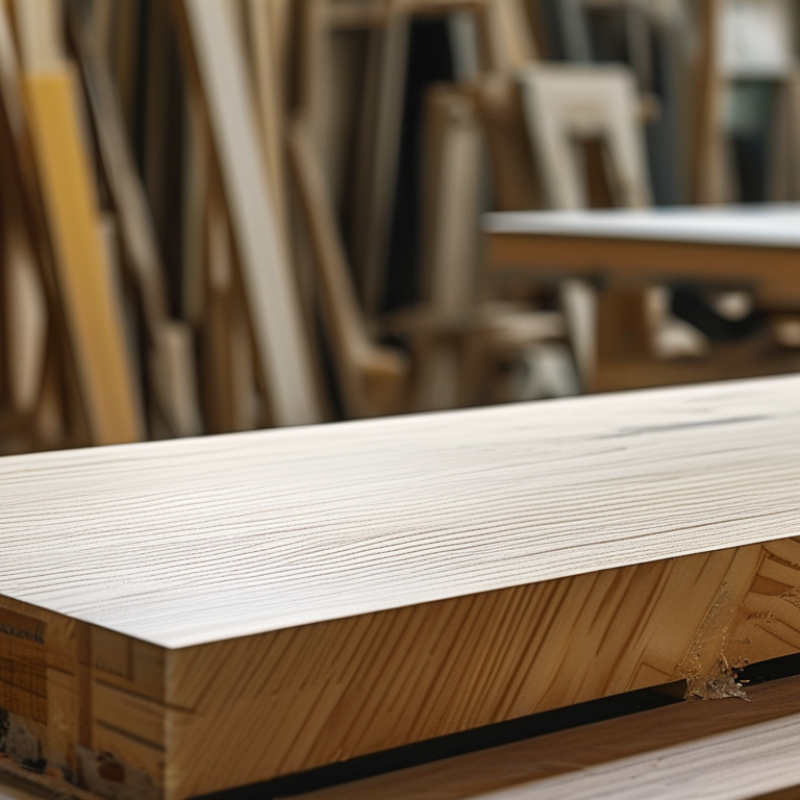
Understanding Wood Glue Types for Global Sourcing
When it comes to sourcing wood glue globally, understanding the types available is essential. There are several adhesive options, each designed for specific applications. PVA (polyvinyl acetate) glue is popular for woodworking. It dries clear and is easy to sand, making it ideal for indoor projects. However, it may not hold up well in high humidity.
Another option is polyurethane glue. This glue is moisture-resistant and expands as it cures, filling gaps effectively. However, it can be messy to use, and its longer drying time may not suit every project. Consider epoxy as well, which provides strong bonds for both wood and metal. Its complex mixing process may intimidate some, but the results are often worth the effort.
Choosing the right wood glue may seem straightforward, but challenges exist. Each type has its strengths and weaknesses. Misjudging application needs can lead to failures in bonding. Testing adhesives on scrap wood before final use is wise. This helps avoid potential headaches during critical phases of production. Each choice carries risks, prompting deeper reflections on the decision-making process.
Best Wood Glue Types for Global Sourcing
Key Factors to Consider When Choosing Wood Glue
When selecting wood glue for global sourcing, several key factors must be considered. First, the adhesive's strength is vital. A report from the Wood Adhesives Association indicates that the bonding strength of wood glues can vary significantly. Stronger adhesives provide better durability, essential for long-term projects.
Another important aspect is drying time. Different applications may require quick or slow-setting glues. A study highlights that faster drying adhesives can enhance productivity in manufacturing. However, in some cases, slower options allow for adjustments during assembly. This balance is critical for efficiency.
Environmental impact is also a consideration. Many manufacturers now prioritize eco-friendly formulas. According to research, adhesives that comply with low-emission standards reduce health risks and improve indoor air quality. While these options are growing in popularity, they may not always align with the highest strength categories. It is crucial to weigh benefits against potential drawbacks. Each project may require a unique solution that meets specific needs without compromising safety or performance.
Best Wood Glue for Your Global Sourcing Needs? - Key Factors to Consider When Choosing Wood Glue
| Type of Wood Glue |
Drying Time |
Water Resistance |
Color After Drying |
Ease of Use |
| PVA Glue |
30 minutes |
Low |
Clear |
Easy |
| Polyurethane Glue |
2 hours |
High |
Brown |
Moderate |
| Epoxy |
60 minutes |
Very High |
Clear/Amber |
Challenging |
| Hide Glue |
1 hour |
Low |
Brown |
Moderate |
| CA Glue (Super Glue) |
Immediately |
Low |
Clear |
Very Easy |
Best Wood Glue Brands for International Procurement
When it comes to international procurement of wood glue, understanding the right brands is crucial. Many manufacturers specialize in producing high-quality adhesives suitable for various wood types. The options can be overwhelming, especially for those venturing into global sourcing. Each brand has its strengths, but not all might adhere to your specific needs.
Reputable brands typically focus on durability and performance. Look for those that have established a reliable track record in different markets. It’s essential to consider the type of wood and application method, as these factors influence the effectiveness of the glue. Not all wood glues are created equal, and some may perform poorly in certain climates. Research is key here.
Your choice of wood glue can affect the final product. Testing samples before finalizing an order can provide greater insight. It’s wise to review feedback from others who have used these products. This way, you can identify common issues or drawbacks. Understanding the specifics can save you from potential pitfalls in your global sourcing efforts.
Comparative Analysis of Wood Glue Performance
When evaluating wood glue performance, several factors come into play. A recent industry report indicates that different types of wood glue, such as PVA and epoxy, exhibit varying bond strengths. PVA glue, often favored for its ease of use, generally achieves a tensile strength of around 3,000 psi. However, epoxy can surpass this with strengths reaching up to 5,000 psi, making it a go-to for heavy-duty applications.
Another aspect is drying time. While PVA might set within 30 minutes, epoxy can take several hours. This difference can significantly impact project timelines. Additionally, environmental considerations are essential. Some adhesives emit volatile organic compounds (VOCs), which can negatively affect indoor air quality. A report highlighted that low-VOC options are not only safer, but they also offer sufficient bonding capabilities, ensuring compliance with eco-friendly standards.
Users often overlook the importance of temperature and humidity on adhesive performance. For instance, high humidity can hinder PVA bond strength, rendering careful environmental control essential. An analysis of user feedback emphasizes some confusion. Many craftsmen recommend conducting preliminary tests, especially in varied conditions, to ensure optimal adhesion and durability. Such evaluations bolster the reliability of the adhesive choice in diverse sourcing environments.
Sustainability and Eco-Friendliness in Wood Glue Options
Wood glues play a crucial role in sustainable sourcing for the woodworking industry. According to the Global Wood Adhesives Market report from 2022, eco-friendly options are gaining traction. These glues meet environmental standards while offering reliable bonding. Many manufacturers focus on bio-based materials, reducing the reliance on petroleum-based products.
Not all wood glues are created equal. Some contain high levels of volatile organic compounds (VOCs). This could harm indoor air quality. Research indicates that zero-VOC adhesives are emerging as a preferred choice among consumers. An industry survey showed that 78% of woodworkers prioritize sustainability in their adhesive choices. Yet, many remain unaware of the available eco-friendly options.
The challenge lies in balancing performance with environmental impact. Some sustainable glues may require longer curing times. Others might not perform as well under stress. As the market evolves, ongoing research and development are necessary. This can lead to better formulations that meet both performance and sustainability standards. Awareness and education in the industry can help guide better-informed decisions.
Conclusion
In the realm of global sourcing, understanding the various types of wood glue is crucial for making informed procurement decisions. Different wood glue formulations offer unique properties that cater to diverse applications, from basic woodworking to intricate furniture assembly. Key factors to consider when choosing wood glue include bonding strength, drying time, and compatibility with different wood species.
Furthermore, conducting a comparative analysis of wood glue performance can help identify the most effective options for specific projects. With sustainability becoming increasingly important, it is essential to explore eco-friendly wood glue options that minimize environmental impact while delivering optimal results. By evaluating these aspects, businesses can select the best wood glue to meet their sourcing needs, ensuring quality, efficiency, and sustainability in their operations.

 Jinfang