In the realm of construction and home improvement, effective insulation is paramount. Studies show that improper sealing can lead to significant energy loss. In fact, according to the U.S. Department of Energy, sealing gaps can improve energy efficiency by up to 20%. This is where Gap Sealant comes into play.
Gap Sealant products are designed to fill, seal, and insulate various spaces in residential and commercial buildings. They play a crucial role in enhancing thermal performance. Using the right Gap Sealant can drastically reduce heating and cooling costs. Yet, many consumers overlook proper application techniques, leading to less-than-optimal results.
Understanding the nuances of Gap Sealant products is essential. Not all sealants are created equal; some may not withstand extreme weather conditions. Furthermore, the longevity and efficacy of the sealant can vary based on the application surface. As you consider your options, reflecting on past choices may lead to better, more informed decisions. Accurate application is key for maximizing benefits.
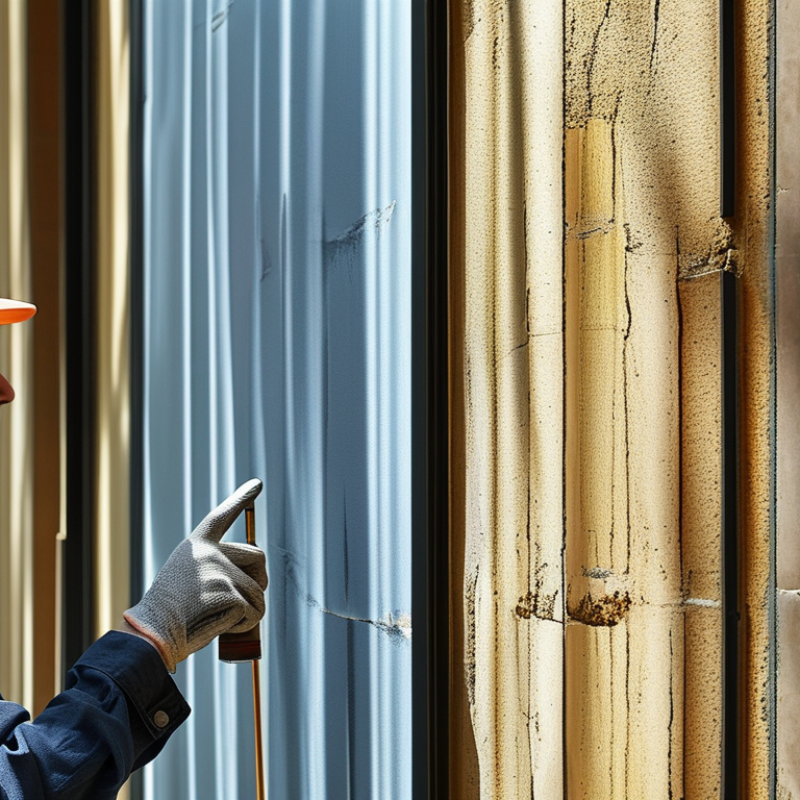
Gap sealants play a crucial role in enhancing insulation efficiency. They bridge the gaps and cracks in buildings, preventing the loss of heated or cooled air. This simple application can significantly lower energy bills. Many homeowners overlook small gaps, but these tiny openings can lead to substantial air leakage. Sealing them properly enhances comfort and energy efficiency.
Another key benefit of gap sealants is moisture control. Preventing water intrusion protects structures from mold and decay. This is vital for maintaining a healthy living environment. They also contribute to soundproofing. By reducing noise transmission, sealants create a quieter home. Yet, improper application may lead to future issues, such as trapping moisture. It's essential to ensure surfaces are clean and dry before sealing. A little extra care goes a long way in maintaining the effectiveness of insulation.
| Tip | Benefit | Recommended Application |
|---|---|---|
| Choose the Right Sealant | Enhanced moisture resistance | Windows and doors |
| Check for Air Leaks | Improved energy efficiency | Basements and attics |
| Use Backer Rods | Better adhesion and durability | Large gaps such as expansion joints |
| Apply in Optimal Conditions | Increased effectiveness | Temperatures above 40°F |
| Maintain a Clean Surface | Longer-lasting seal | Before application on all surfaces |
| Consider Paintability | Seamless aesthetic integration | Exposed interior and exterior surfaces |
When it comes to effective insulation solutions, understanding gap sealants is crucial. Common types include silicone, polyurethane, and latex sealants. Each has distinct thermal resistance ratings. For instance, silicone sealants can offer thermal resistance up to R-6. This makes them ideal for high-temperature applications. However, they can be less effective in extreme cold.
Polyurethane sealants generally provide a thermal resistance rating of R-5.5. They possess superior elasticity and adhesion in various conditions. Yet, they may not perform well if exposed to moisture over time. It's worth noting that latex, while easy to apply and clean, usually offers lower thermal resistance, around R-2.5. This may not suffice in harsh climates.
Selecting the right sealant is essential for maximizing insulation. For example, a small gap of just 1/8 inch can let in as much as 10 times more air than a larger opening. This air leakage increases heating costs significantly. An understanding of these materials helps homeowners make informed choices. Avoiding common pitfalls, such as using the wrong type of sealant for the environment, is vital for achieving optimal energy efficiency.
Effective application of gap sealants is crucial for building projects aiming for optimal insulation. Studies show that nearly 30% of energy loss in buildings can occur due to unsealed gaps. Addressing air leaks can enhance energy efficiency, leading to significant cost savings over time. Properly sealing gaps can also improve indoor air quality by reducing the infiltration of pollutants.
When applying gap sealants, surface preparation is essential. Clean surfaces remove dust and debris, ensuring the sealant adheres well. Temperature plays a critical role too. Ideal conditions are between 50°F and 80°F for effective curing. Additionally, it's important to consider the type of sealant used. Different materials have varying properties that affect performance, such as flexibility and durability.
However, some challenges arise during the application process. Inadequate applications or environmental issues can lead to sealant failure. Monitoring the entire sealing process can minimize these risks. Regular inspections help maintain the integrity of gaps over time. Understanding these nuances ensures a more reliable insulation solution. Energy efficiency is not only a goal but a necessity in sustainable building practices.
Effective insulation is crucial for energy efficiency. Industry standards dictate that sealants should meet performance benchmarks that enhance thermal resistance. According to the American Society for Testing and Materials (ASTM), sealants must undergo rigorous testing. These tests evaluate factors such as adhesion, elasticity, and resistance to temperature fluctuations. Proper application can reduce energy loss by up to 30%, making it an essential consideration for both residential and commercial buildings.
Sealant performance also hinges on material selection. Studies show that polyurethane and silicone sealants often outperform their counterparts in flexibility and durability. However, improper installation can diminish their efficacy. Many contractors overlook details like surface preparation, which can lead to premature sealant failure. Research indicates that nearly 40% of sealant-related issues arise from inadequate application techniques. Regular training and adherence to industry best practices are vital for ensuring optimal insulation results.
As energy costs rise, energy efficiency remains a top priority. Professionals must prioritize compliance with industry standards. Emphasis on proper material choice and installation can significantly impact overall insulation effectiveness. While advancements in sealant technology are promising, continual assessment is necessary to enhance performance. Energy audits can reveal areas needing improvement, promoting a culture of ongoing refinement.
This bar chart represents key performance standards for effective gap sealants used in insulation solutions. The metrics include adhesion strength, temperature resistance, water resistance, UV resistance, and flexibility, which are crucial for energy efficiency in building applications.
Innovative technologies in gap sealants are transforming the landscape of insulation solutions. Traditional sealants often fail to meet modern needs. Their effectiveness can diminish over time. New materials with enhanced properties now offer better performance. These advancements include eco-friendly formulations that reduce environmental impact. Consider how a flexible sealant can adapt to temperature changes, ensuring tighter bonds.
Advanced gap sealants often feature multifunctional properties. They can repel moisture, resist mold, and provide thermal insulation. Yet, some sealants may not perform equally well in all climates. Users must assess their specific needs when choosing a product. In some instances, a sealant that works in dry conditions may not hold up in humid areas. Testing different options is essential for optimal insulation.
As these technologies evolve, challenges remain. Not every innovative product is suitable for every application. Some may require professional installation to ensure effectiveness. The gap sealant industry is constantly changing. Staying informed about the latest developments can help users make educated decisions. This field demands attention to detail and a willingness to experiment with new solutions.
: Common types include silicone, polyurethane, and latex sealants. Each has unique properties for insulation.
Silicone sealants can offer thermal resistance up to R-6. They work well in high-temperature settings.
Polyurethane sealants provide a thermally resistant rating of R-5.5. They are elastic and adhesive in various conditions.
Latex sealants usually offer R-2.5 thermal resistance. This may not be enough for harsh climates.
Choosing the right sealant maximizes insulation and energy efficiency, reducing heating costs from air leaks.
Nearly 30% of energy loss in buildings can occur due to unsealed gaps. This can lead to higher energy bills.
Clean surfaces are essential. They ensure good adhesion and effective application of the sealant.
Ideal conditions for effective curing are between 50°F and 80°F. This affects the performance of the sealant.
Inadequate applications or environmental factors can lead to failure. Monitoring the process helps minimize these issues.
Regular inspections and proper understanding of sealants are key. This ensures reliable insulation solutions.
Gap sealants play a crucial role in enhancing insulation efficiency for buildings, offering several benefits such as reduced energy consumption and improved indoor comfort. This article outlines the common types of gap sealants available, along with their thermal resistance ratings, helping readers make informed choices for their insulation projects.
Best practices for the application of gap sealants are also highlighted to ensure optimal performance, while adherence to key industry standards is emphasized to maintain energy efficiency. Furthermore, innovative technologies in gap sealants are explored, showcasing sustainable solutions that align with modern building practices. Overall, understanding gap sealants and their application can lead to significant improvements in building insulation.

Jinfang