Choosing the right Liquid Nails Sealant in 2026 requires more than picking the strongest tube on the shelf. Different formulas handle different surfaces, temperatures, moisture levels, and movement.
A bathroom joint may need mildew resistance and steady flexibility. A flooring project may require strong adhesion without trapping moisture underneath. Exterior trim faces rain, sunlight, frost, and repeated expansion. These conditions can expose a weak product within months.
This guide examines the top types of Liquid Nails Sealant and the situations they suit best. It considers construction adhesive, flexible sealant, clear formulas, paintable options, and heavy-duty exterior products. The goal is practical guidance, not a one-size-fits-all ranking.
Real jobsite experience shows that preparation often matters as much as the sealant itself. Dusty concrete, damp wood, and glossy paint can reduce bonding performance. A clean, dry surface helps, but it does not solve every problem.
Read the label carefully.
Manufacturer instructions, technical data sheets, cure times, and temperature limits deserve attention. Independent testing can support confidence, although product performance still depends on application conditions. Some recommendations may need adjustment after inspection.
That uncertainty is important. The “strongest” sealant may become brittle in a moving joint. A flexible formula may not suit a load-bearing repair. Even a trusted brand can disappoint when the wrong type meets the wrong material.
The sections ahead compare performance, application, durability, and value. They also explain where each Liquid Nails Sealant type may perform well, and where its limits become clear. Expect useful distinctions, not exaggerated promises.
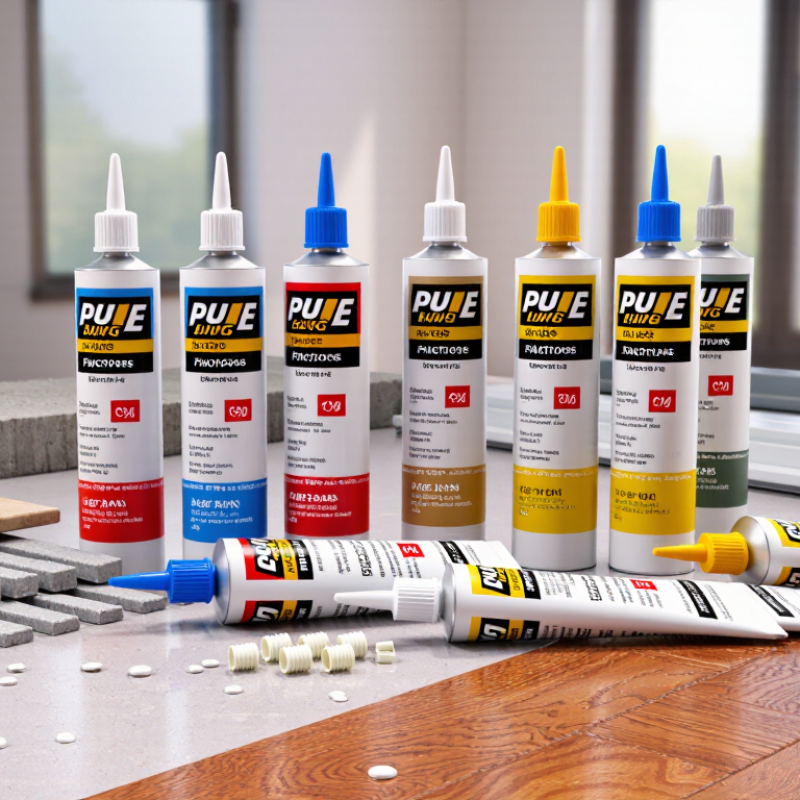
Construction sealants are flexible compounds used to close gaps and limit air, water, and dust movement. Some also bond surfaces, but sealing and structural adhesion are not the same job. A bead around a window, for example, must stay attached while the frame expands and contracts. It is not automatically suitable for holding heavy materials together.
These products work by forming a continuous bead that adheres to the sides of a joint. Many cure as they react with moisture in the air; others harden through different chemical processes. Cure time depends on the product, bead thickness, temperature, and humidity. The surface matters, too. Dust, oil, or old loose coating can weaken the bond, even when the bead looks smooth. Clean and dry the joint, then follow the package directions.
Small details count. A caulking gun gives better control than squeezing a tube by hand, and a steady bead is easier to tool before skin forms. Choose a formulation rated for the materials and exposure involved, such as indoor trim or an exterior joint. I have seen neat-looking beads fail where movement was underestimated. That is an easy mistake. Compatibility and joint design deserve a second look.
Common sealant chemistries include acrylic latex, silicone, and polyurethane. They differ in how they cure and how much joint movement they can accommodate.
How to read the chart: ASTM C920 movement classes describe how much a qualified sealant joint can expand or contract relative to its installed width. The chart shows selected standard classes, not fixed ratings for every sealant chemistry.
How sealants work: Acrylic latex generally sets as water evaporates; silicone and polyurethane commonly cure through reactions with moisture. Formulations vary, so check the product’s technical data for its cure method and movement rating.
Liquid-applied sealants differ in flexibility, paintability, and water resistance. Acrylic latex suits small indoor gaps around trim and drywall; it cleans up with water and usually accepts paint. Silicone stays flexible around sinks and windows, but paint generally will not adhere to it. Polyurethane offers durable adhesion for many exterior joints, though careful surface preparation matters. Hybrid polymer formulas combine several useful traits, but compatibility still depends on the surfaces and product instructions.
The market is broad, not one-size-fits-all. Grand View Research estimated the global construction sealants market at about US$10.3 billion in 2023 and projected 5.5% annual growth from 2024 to 2030. That figure covers many sealant chemistries and applications; it does not prove that one type works best everywhere. Butyl sealants also have a place, especially in certain flashing and glazing jobs. Real projects are messier than product labels suggest.
Tips: Match the sealant to the joint’s movement and exposure. Clean off dust, grease, and loose paint, then check whether primer is required. A bead can look neat and still fail. Allow the full stated cure time before exposing it to water or paint.
Acrylic latex sealants suit small gaps around interior trim, window casings, and painted drywall. They clean up with water and accept paint, but may shrink as they dry. Keep them away from joints that stay wet or move often. A neat bead is useful; it is not a cure for a leaking joint.
Silicone sealants resist water and temperature changes, making them useful around sinks, showers, and exterior glass. Most cannot be painted, so choose the color carefully. Polyurethane types generally offer strong adhesion to concrete and masonry, plus flexibility for outdoor joints. They need clean, well-prepared surfaces. Hybrid polymer sealants can bond to several materials and remain flexible, though performance on damp surfaces varies by product. Check the technical data sheet.
Movement matters. ASTM C920 classifies elastomeric joint sealants by performance, including their ability to accommodate joint movement; the right class depends on the joint, not just the label. ENERGY STAR estimates that air sealing and insulation can save an average 15% on heating and cooling costs in typical U.S. homes. That figure covers multiple improvements, not sealant alone. Small detail. Before applying, remove loose material and test adhesion in an inconspicuous spot. It is easy to overlook. A sealant that looks smooth may still fail if the joint is dirty or too deep.
When comparing liquid nails sealants, start with the materials being joined, not the tube’s broadest claim. Wood trim usually needs a strong bond with enough flexibility to handle small seasonal shifts. For porous surfaces such as plywood, check that the formula suits both materials and the intended indoor or outdoor use. A bond that grips one surface may still fail on the other.
Concrete and masonry are rough and absorbent, so look for a sealant rated for those surfaces. Metal needs good adhesion and resistance to moisture; clean away dust, oil, and loose rust before applying it. Plastics are less predictable. Some formulas can damage or poorly grip certain plastics, so check compatibility and test a hidden spot. Read the label closely.
For exterior joints, compare water resistance, temperature range, and flexibility after curing. For interior trim, low odor and paintability may matter more. Also check the recommended bead size and cure time; a thick bead can take longer to set than expected. A small test bead can reveal poor adhesion before a full installation. It is easy to focus only on strength, but movement and surface preparation matter just as much. I would not assume one sealant fits every material, even when the package sounds versatile.
Choosing the right sealant starts with the joint, not the tube. Acrylic latex suits small interior gaps around trim and can usually be painted. Silicone handles wet areas and movement, but paint may not adhere. Polyurethane often bonds well to masonry and exterior joints, though its application and cleanup can be less forgiving. Hybrid formulas vary, so check the product’s stated materials and uses. Read the label.
Before applying, remove loose material, dust, and old sealant; the new bead needs a clean, dry surface unless its instructions say otherwise. Cut the nozzle small, then test the flow on scrap. Apply a steady bead and smooth it with a suitable tool. Do not assume “water-resistant” means suitable for a shower or a moving joint. Color matching is easy to overtrust.
Safety matters indoors. The U.S. Environmental Protection Agency reports that concentrations of some indoor pollutants are often two to five times higher than outdoors. Ventilate the work area, wear gloves, and follow the safety data sheet for any required eye or respiratory protection. Keep the room ventilated during curing, and do not paint or expose the joint to water before the stated cure time. If the label is unclear, pause and verify compatibility rather than guessing.
It closes gaps and limits air, water, and dust movement. Some sealants also bond surfaces. Sealing is not structural support.
Not automatically. A flexible bead may seal a window joint but fail under heavy loads. Check the stated use and joint design carefully.
It creates a continuous bead along both sides of a joint. Many formulas cure through moisture in the air. Temperature, humidity, and bead thickness affect curing.
Remove dust, oil, loose coating, and old sealant. The surface should usually be clean and dry. A smooth-looking bead cannot repair poor preparation.
Use a caulking gun for better control. Cut the nozzle small and test the flow on scrap material. Apply steadily, then tool the bead before the surface skins.
Acrylic latex works well for small indoor trim gaps and is usually paintable. Silicone suits wet areas and moving joints, but paint may not adhere. Polyurethane often suits masonry and exterior joints. Hybrid formulas vary.
Follow the package instructions. Cure time changes with humidity, temperature, bead thickness, and product type. Do not paint or wet the joint too early. That shortcut can backfire.
Ventilate the room during application and curing. Wear gloves and follow the safety data sheet. Use eye or respiratory protection when required. If instructions seem unclear, pause before guessing.
Liquid Nails Sealant refers to adhesive-sealant products designed to bond materials while closing gaps against air or moisture. In 2026, common types include acrylic latex for paintable indoor joints, silicone for flexible water-resistant seals, polyurethane for durable bonds on demanding surfaces, and hybrid sealants that combine flexibility with strong adhesion. Each type differs in movement tolerance, weather resistance, curing time, and whether it can be painted, so the best choice depends on the project and conditions.
Before selecting a sealant, consider the materials being joined, whether the area is indoors or exposed to water and weather, and how much movement the joint may experience. Check that the product is compatible with the surfaces, prepare them as directed, and apply a continuous bead without overfilling. Follow the package instructions for curing and cleanup, work with adequate ventilation, and use suitable protective equipment. Proper selection and application help create a reliable seal and reduce the chance of cracking or poor adhesion.

Jinfang