Construction projects demand adhesives that remain dependable under pressure, movement, and changing temperatures. Heavy-Duty Liquid Nails can provide strong bonding for many renovation and building applications. It helps secure trim, panels, molding, fixtures, and selected construction materials without relying on fasteners alone. The result can be a cleaner surface and fewer visible holes.
Its performance depends on practical preparation. Surfaces should be clean, dry, stable, and free from grease or loose dust. A contractor may apply a continuous bead behind a wall panel, press it firmly, and support the piece while the adhesive cures. That small step matters. Product instructions, curing times, ventilation requirements, and material compatibility should always guide the installation. Different formulas serve different substrates, so one cartridge should not be treated as universal.
Heavy-Duty Liquid Nails is useful, but it is not magic. Uneven surfaces, excessive moisture, heavy loads, or poor contact can weaken the bond. I have seen adhesive projects fail when installers skipped temporary bracing or applied too little product. That mistake is easy to repeat. Experienced builders also check whether mechanical fasteners remain necessary, especially for overhead, structural, or safety-critical components. Manufacturer data and local building requirements provide more reliable guidance than assumptions. With careful preparation and realistic expectations, this adhesive can improve efficiency while supporting a durable, professional finish.
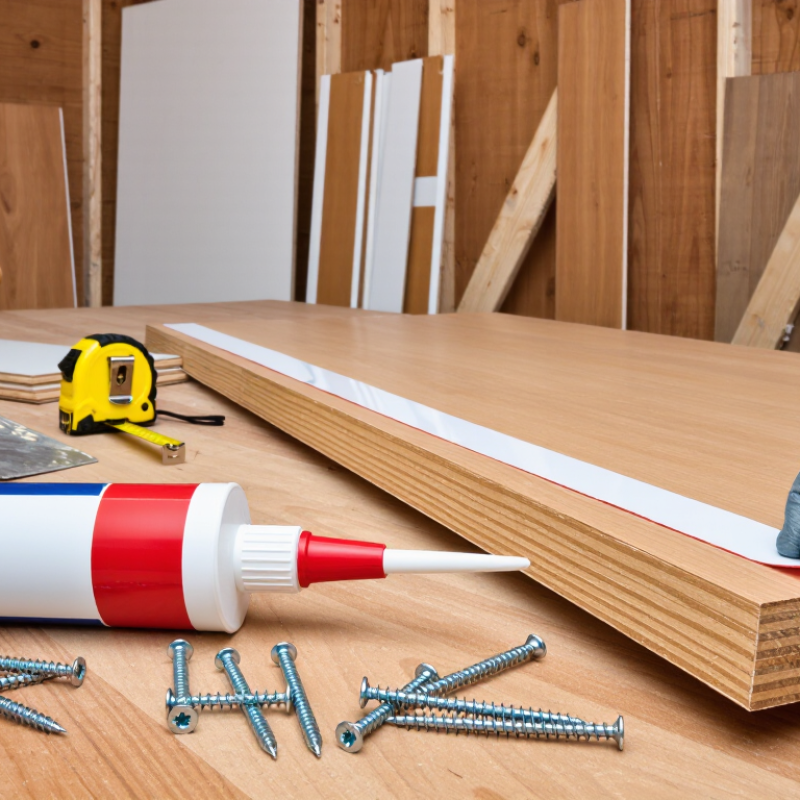
Heavy-duty liquid nails are high-strength construction adhesives designed for demanding building and repair work. They usually come in cartridges for use with a caulking gun. Their thick formula bonds materials such as wood, concrete, masonry, metal, and some plastics. Unlike ordinary glue, these adhesives can bridge small surface gaps and resist vibration after curing. They are not magic. Clean surfaces, firm pressure, and adequate curing time still matter.
On a construction site, workers often use them for trim, wall panels, subfloor details, and masonry attachments. I have found that a continuous adhesive bead works better than scattered dots. Pressing the material firmly can reduce hollow spots behind panels. Temporary bracing may also be necessary, especially on vertical surfaces. The adhesive should remain within its stated temperature and load limits. It should not replace mechanical fasteners where structural support is required.
Preparation is often the overlooked step. Dust, oil, loose paint, and moisture can weaken the bond. A dry test fit helps reveal uneven edges before adhesive is applied. I once assumed a rough concrete surface would provide extra grip, but loose particles caused failure. That mistake was avoidable. Reading the technical data sheet, checking compatibility, and testing an unseen area are more reliable practices. Performance also changes with cold weather, humidity, bead size, and the materials being joined.
| Data Dimension | Typical Information | Construction Value | Practical Consideration |
|---|---|---|---|
| Product Definition | A high-strength construction adhesive supplied as a paste or gel for bonding building materials. | Creates a continuous bond across a broad surface instead of relying only on individual mechanical fasteners. | It is an adhesive category, not one standardized formula. Performance varies by product specification. |
| Common Chemistry | Formulations may be water-based acrylic or latex, solvent-based, or hybrid polymer systems. | Different chemistries provide different balances of flexibility, odor, water resistance, curing speed, and substrate compatibility. | Always check the technical data sheet before bonding unusual, porous, damp, or moisture-sensitive materials. |
| Typical Substrates | Wood, plywood, drywall, masonry, concrete, ceramic tile, metal, fiberglass, and many rigid plastics, depending on the formulation. | Supports installation and repair work involving mixed construction materials. | Some plastics, polyethylene, polypropylene, oily surfaces, and freshly treated materials may require a special adhesive or mechanical fastening. |
| Bonding Mechanism | The adhesive wets the surfaces, develops initial grip, and gains strength as water or solvent evaporates or as the polymer cures. | Provides distributed load transfer and can help reduce vibration, rattling, and localized stress. | Clean, dry, structurally sound, and properly prepared surfaces are essential for reliable adhesion. |
| Initial Grab | Moderate to high initial grab is common in heavy-duty construction adhesive products. | Helps hold panels, trim, molding, wall coverings, and selected fixtures in position during installation. | Initial grab does not equal full cure. Temporary bracing or mechanical support may still be required. |
| Final Strength | Final bond strength is formulation-specific and normally develops over time rather than immediately after application. | Can supplement screws, nails, or other fasteners and may reduce the number of visible fastener points in some non-structural applications. | Do not use adhesive alone for critical structural, overhead, life-safety, or code-regulated connections unless specifically approved. |
| Gap Filling | Many heavy-duty adhesive products can bridge small surface irregularities and minor gaps. | Improves contact between materials that are not perfectly flat or uniform. | Large gaps can weaken the bond. Use a suitable filler or repair the substrate first. |
| Flexibility | Many formulations retain some flexibility after curing, while the degree depends on polymer chemistry. | Allows limited accommodation of vibration, thermal movement, and slight material expansion or contraction. | Flexible adhesive is not a substitute for an engineered movement joint or an expansion gap. |
| Moisture Resistance | Water resistance ranges from limited moisture tolerance to high water resistance, depending on the product. | Useful for selected interior and exterior applications when the product is rated for the expected exposure. | “Water-resistant” and “waterproof” are not interchangeable. Confirm the exact rating and exposure limits. |
| Curing Conditions | Cure time is affected by temperature, humidity, ventilation, bond thickness, and substrate porosity. | Allows the adhesive to develop its intended performance under suitable site conditions. | Cold, damp, non-porous, or enclosed conditions can significantly slow curing. |
| Temperature Performance | Service and application temperature ranges are product-specific; cured adhesives generally tolerate more heat variation than uncured adhesive. | Helps maintain a bond through normal seasonal and indoor temperature changes when correctly specified. | Do not assume every heavy-duty adhesive is suitable for high-heat areas, fireplaces, ovens, or extreme climates. |
| Application Method | Usually applied with a standard cartridge gun in beads, vertical lines, or selected dabs. | Supports controlled placement and efficient coverage on floors, walls, panels, trim, and assemblies. | Follow the specified bead pattern, open time, and coverage guidance to avoid weak spots or excessive squeeze-out. |
| Surface Preparation | Surfaces should generally be clean, free of dust, grease, loose coating, and standing water. | Improves wetting and maximizes the effective contact area between adhesive and substrate. | Painted or sealed surfaces must be sound and compatible; lightly abrading glossy surfaces may be necessary. |
| Noise and Vibration Control | A resilient adhesive layer can reduce direct contact between some components. | May help minimize squeaks, rattling, and vibration transmission in suitable non-structural assemblies. | Results depend on joint design, substrate movement, adhesive thickness, and proper curing. |
| Fastener Reduction | Adhesive can supplement or, where permitted, partially replace nails or screws in selected finish and installation tasks. | Can improve appearance by reducing exposed fastener heads and distribute load over a wider area. | Building codes, load requirements, substrate type, and manufacturer instructions determine whether fasteners remain necessary. |
| Best-Fit Applications | Trim, molding, paneling, drywall accessories, subfloor components, backsplashes, repairs, and selected exterior assemblies. | Offers a practical bonding solution for many installation and renovation tasks. | Use an adhesive specifically rated for the material combination and environmental exposure. |
| Main Limitations | Not every product bonds every material, cures at the same rate, or withstands continuous water, extreme heat, or structural loads. | Understanding limitations prevents premature bond failure and unsuitable product selection. | Product labeling, safety information, technical data, and local construction requirements should control final selection. |
Note: The information above describes common characteristics of heavy-duty liquid construction adhesives. Exact strength, cure time, temperature range, moisture resistance, and substrate compatibility must be verified for the specific formulation being used.
They are high-strength adhesives for demanding building and repair work. They often come in cartridges for caulking guns. Their thick formulas can bond wood, concrete, masonry, metal, and some plastics. They are not magic.
The adhesive spreads across tiny pores and surface irregularities. It creates close contact and limited mechanical interlocking. Then the carrier evaporates, or the polymer reacts and cures. The chemistry varies.
They commonly join wood, concrete, masonry, metal, and selected plastics. Compatibility depends on the specific adhesive and surface condition. Painted surfaces may behave differently. Test an unseen area.
Remove dust, oil, loose paint, and moisture from both surfaces. The substrate should feel clean and stable. A dry test fit can expose uneven edges. I once trusted rough concrete too much. Loose particles caused failure.
Apply continuous beads or controlled zigzags. Follow the stated coverage and spacing instructions. Scattered dots may leave hollow areas behind panels. Press the materials together firmly. Do not guess.
Temporary bracing may be necessary for heavy or vertical materials. Panels can shift before the adhesive develops enough strength. Cold conditions may extend curing time. Mechanical fasteners may still be required for structural support.
Temperature, humidity, moisture, bead size, and material porosity can change performance. A thick bead may cure slowly inside. Check the technical data sheet for limits and curing times. Weather matters.
Use suitable ventilation and personal protection when handling construction chemicals. Test one small area before full installation. Inspect the bond honestly after curing. A rushed installation can create expensive rework. That lesson is easy to ignore.
Heavy-Duty Liquid Nails are high-strength construction adhesives designed to create durable bonds between common building materials such as wood, concrete, brick, drywall, metal, and some plastics. They work by forming a strong adhesive layer that grips the surfaces as it cures, helping distribute stress across a wider area instead of concentrating it at individual screws or nails. This makes them especially useful for trim installation, paneling, flooring, framing support, repairs, and other projects where a clean appearance and reliable hold are important.
Compared with traditional fasteners, Heavy-Duty Liquid Nails can reduce visible holes, surface damage, noise, and installation time while accommodating minor movement between materials. For dependable results, surfaces should be clean, dry, and free of dust or grease. Apply the adhesive in consistent beads or suitable patterns, press the materials firmly together, and provide temporary support when necessary. Always allow adequate curing time and follow the product’s application and safety instructions.

 Jinfang