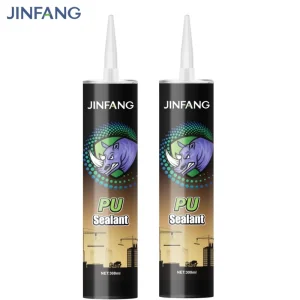
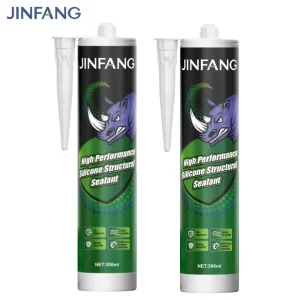
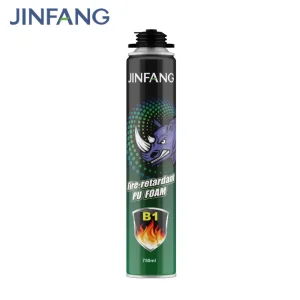
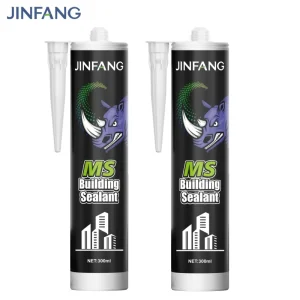
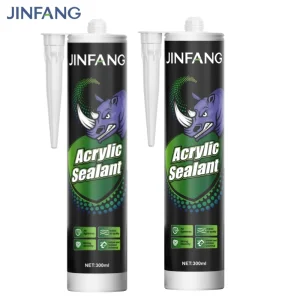
Engineered to conform with ISO standards and EU technical declarations, delivering long-term performance under demanding structural and dynamic loads.
In contemporary civil engineering and high-performance architectural design, structural adhesives and elastomeric sealants are not merely bonding agents; they are primary structural components. Modern building designs require materials that can manage physical load distributions, joint movement, thermal cycling, and environmental degradation. The classification of **Abc Silicone Sealant** represents the pinnacle of neutral cure room-temperature vulcanizing (RTV) systems, addressing structural movement tolerances exceeding ±50%.
From structural glass curtain walls in urban high-rises to precise automotive weather stripping, silicone sealants must maintain elasticity under intense ultraviolet (UV) radiation, direct ozone exposure, acid rain, and temperature variations from -50°C to +150°C. Choosing high-performance formulations from reliable Chinese factories is crucial for global procurement teams seeking certified technical specifications and supply chain scale.

Expert SEO Technical Insight: Material performance is determined by the polymeric backbone. Unlike carbon-carbon linkages in polyurethane, the silicon-oxygen (Si-O) bond energy is much higher (460 kJ/mol vs 347 kJ/mol). This makes high-grade silicone sealants highly resistant to UV-induced degradation and chain scission, ensuring a service life that matches the design lifespan of modern facades.
China's chemical manufacturing sector has evolved from simple production lines to fully automated, digitally managed ecosystems. Shandong province is a key center for this industry, supported by raw materials, R&D facilities, and container ports that streamline domestic and international logistics.
**Shandong Jinfang Adhesive Industry Co., Ltd.** operates a large production facility that manages the entire manufacturing sequence, including raw siloxane compounding, continuous twin-screw extrusion, cartridge injection molding, and automated packaging. This integrated manufacturing model helps control costs, reduce environmental impact, and maintain consistent quality across large production batches.
Shandong Jinfang Adhesive Industry Co., Ltd. combines academic research with industrial-scale production, delivering certified sealing solutions globally.
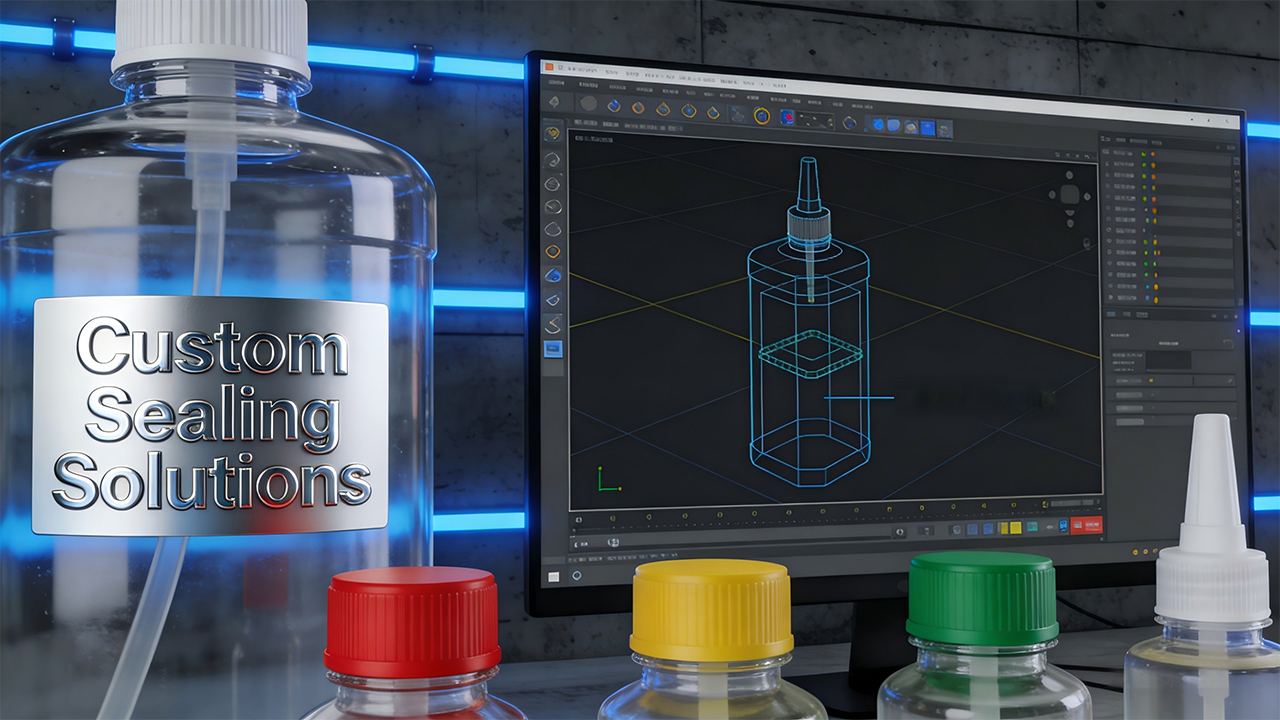
To advance polymer technology, Jinfang collaborates on R&D projects with academic institutions in China, including **Shandong University, Xiamen University, and Linyi University**. These partnerships support research into silane-modified polymers, polyurethane synthesis, and custom curing agents.
By working with university laboratories, we translate research insights into industrial products that meet strict technical requirements. The facility operates under **ISO 9001** (Quality Management System) and **ISO 14001** (Environmental Management System) certifications, and complies with international standards, including **EU IROS** guidelines.
A visual overview of our manufacturing facilities, including continuous automated chemical reactors, cleanroom packaging floors, and testing laboratories.
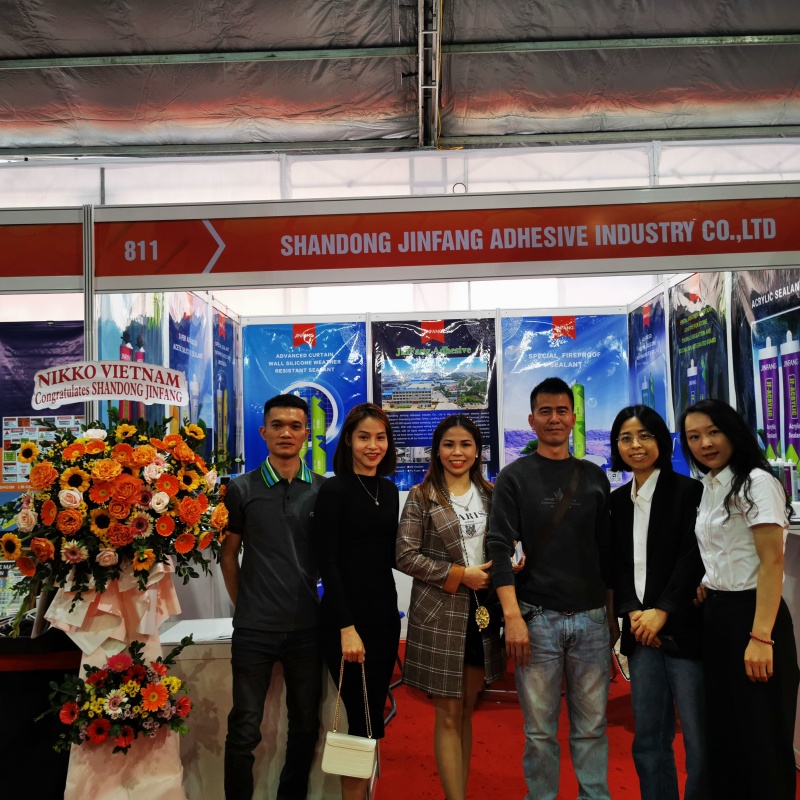
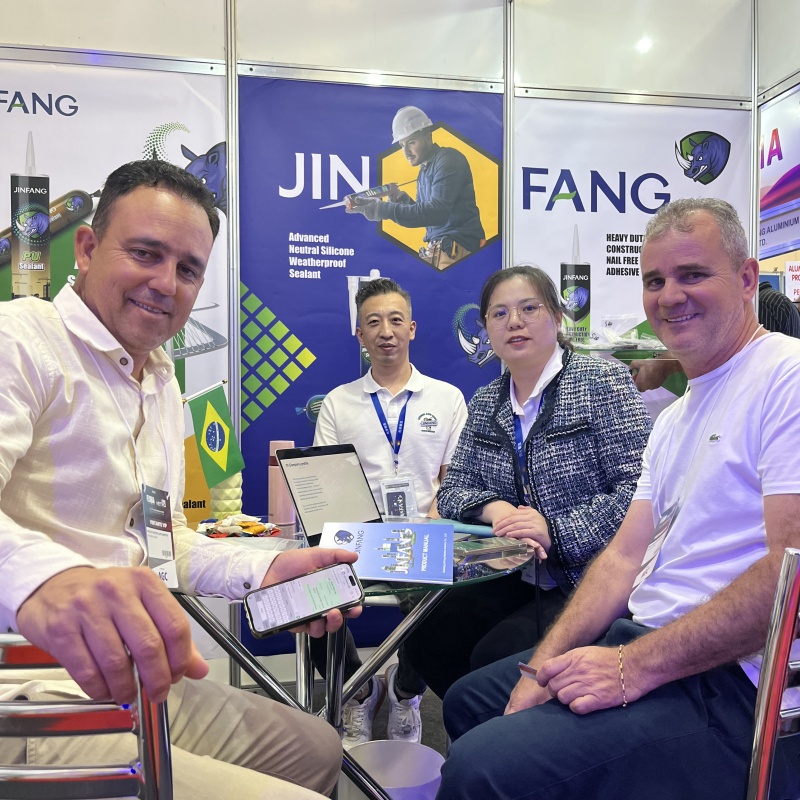
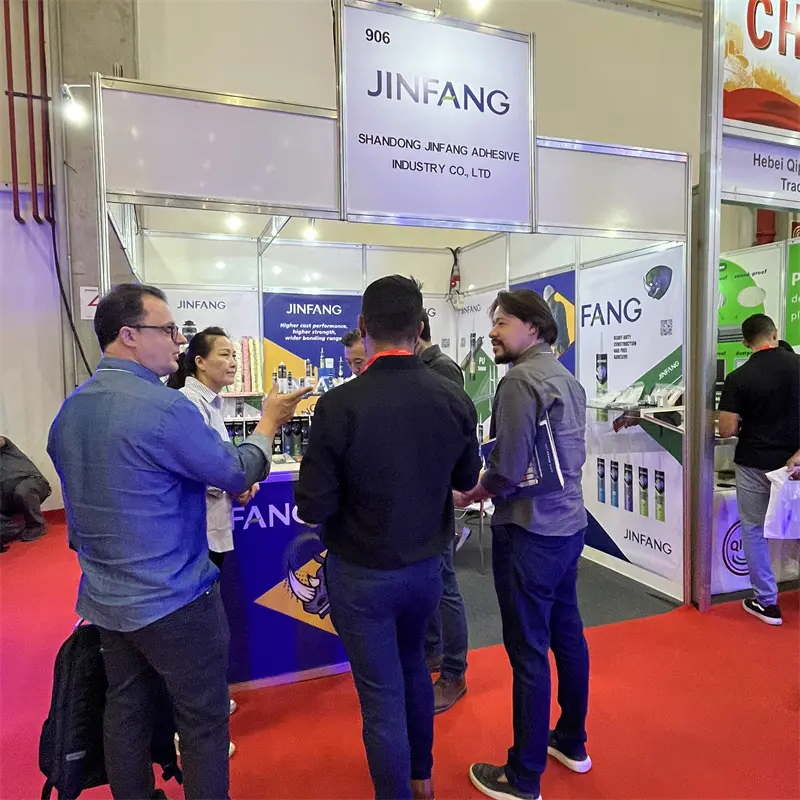
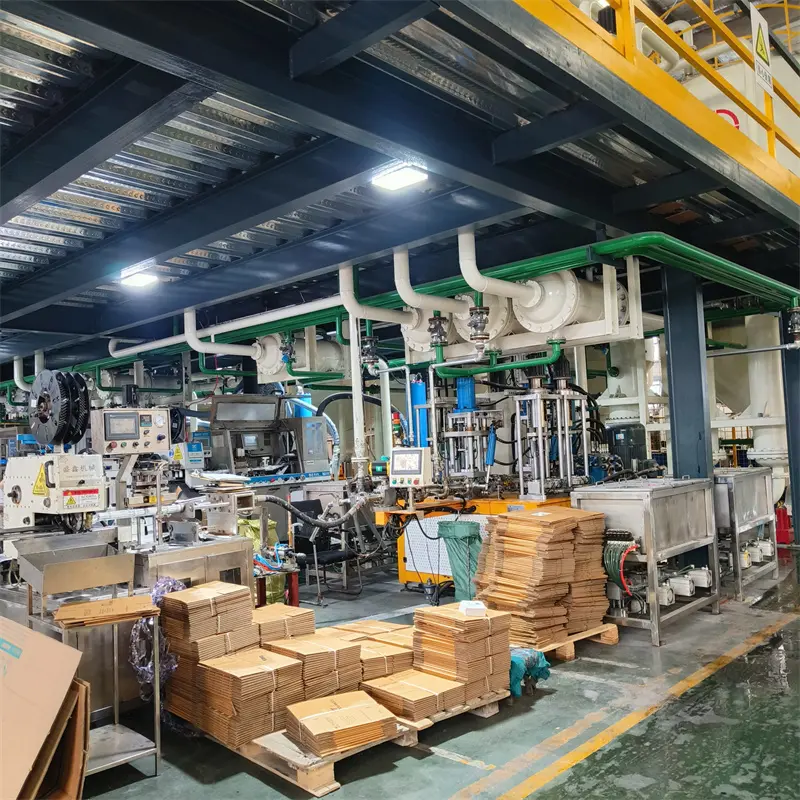
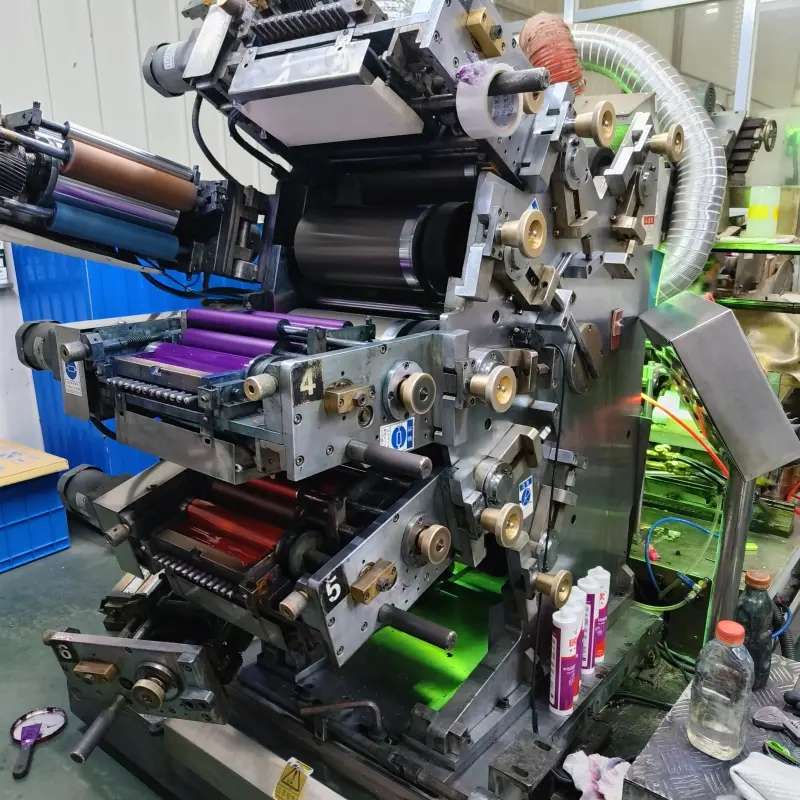
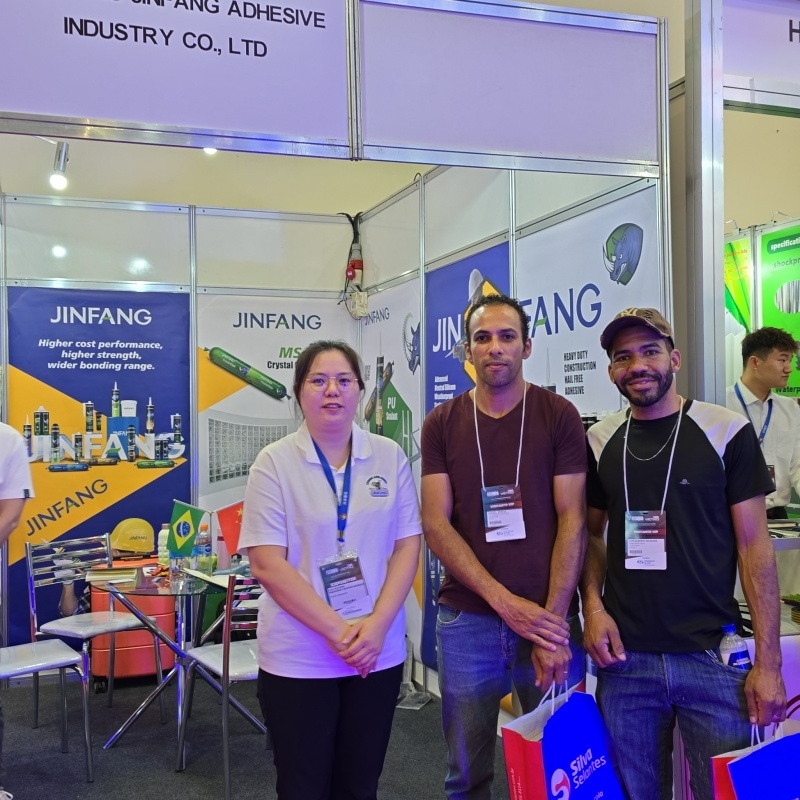
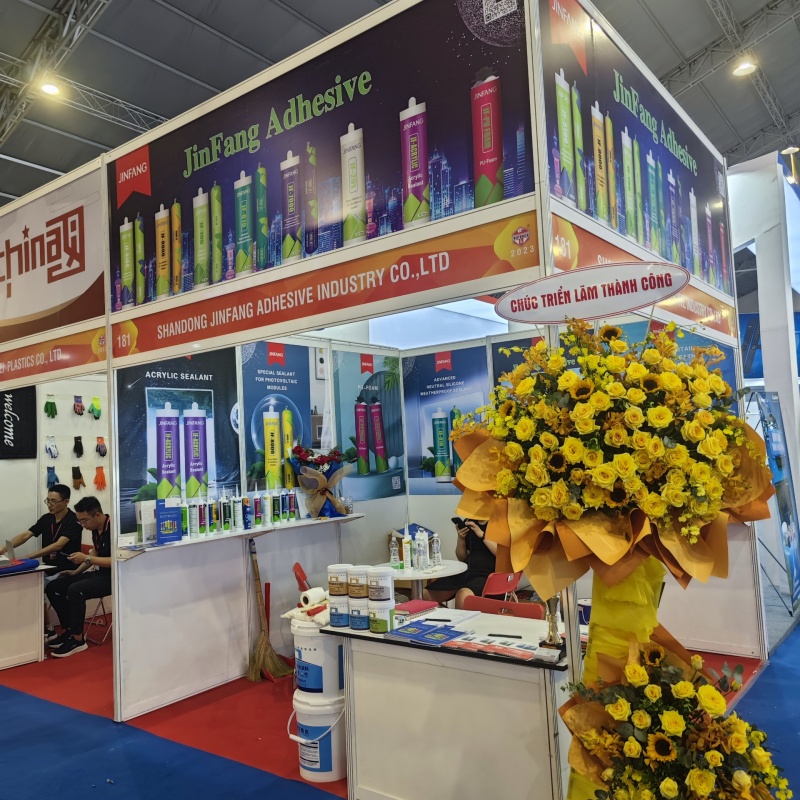
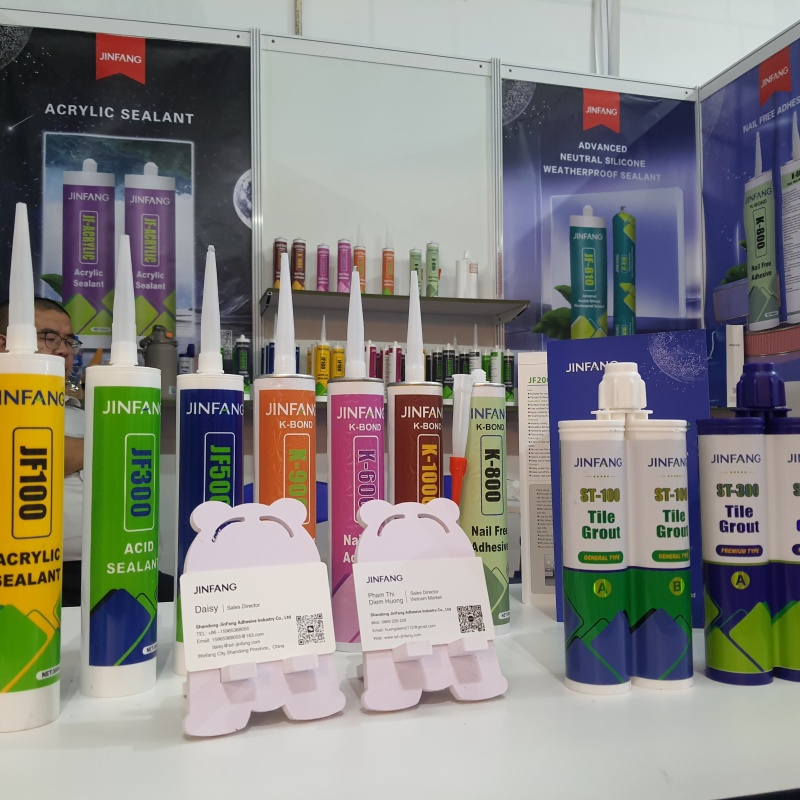
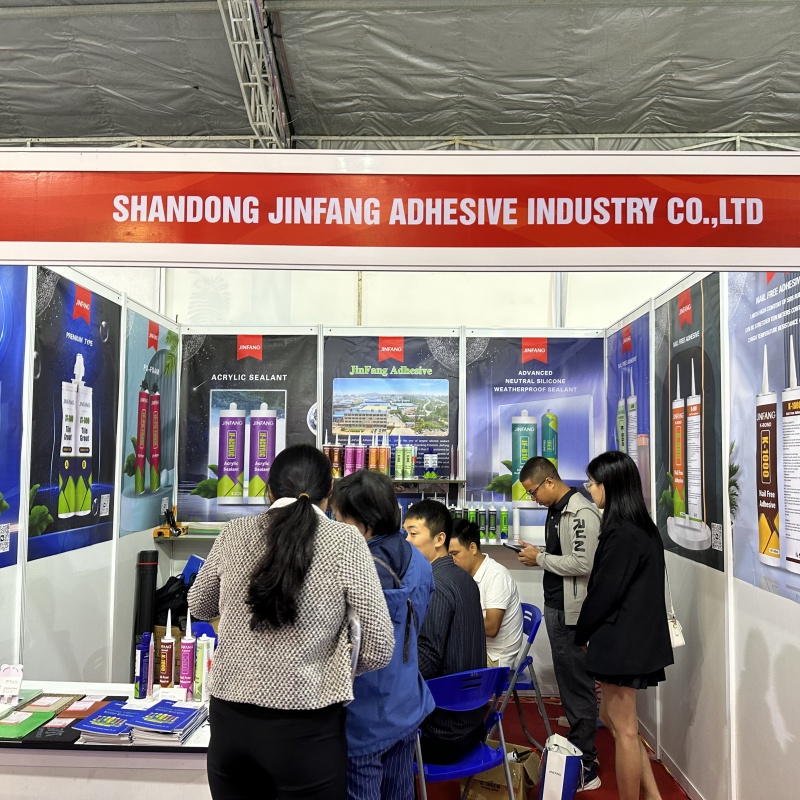
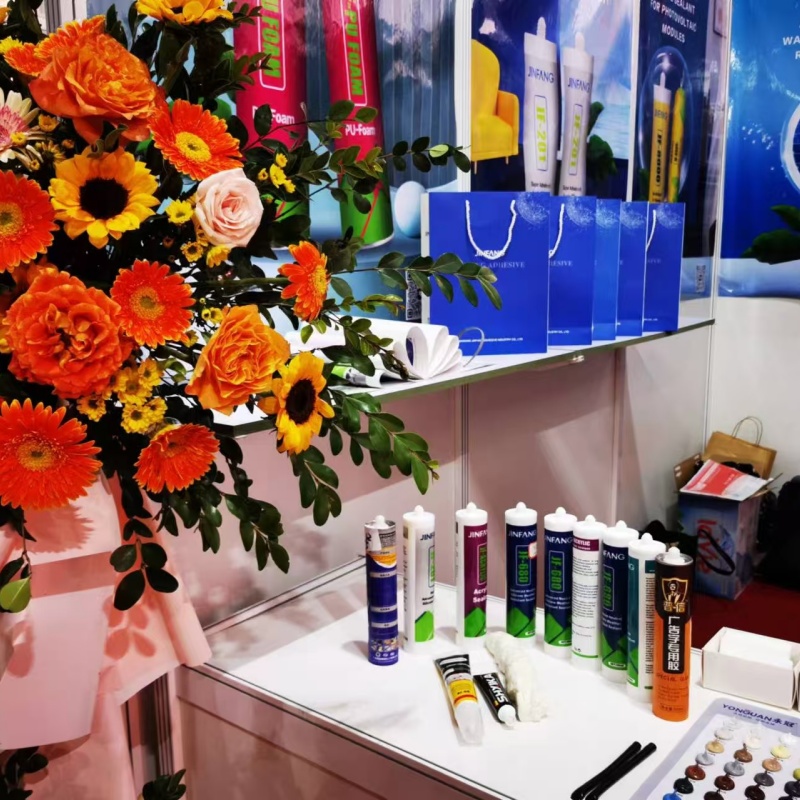
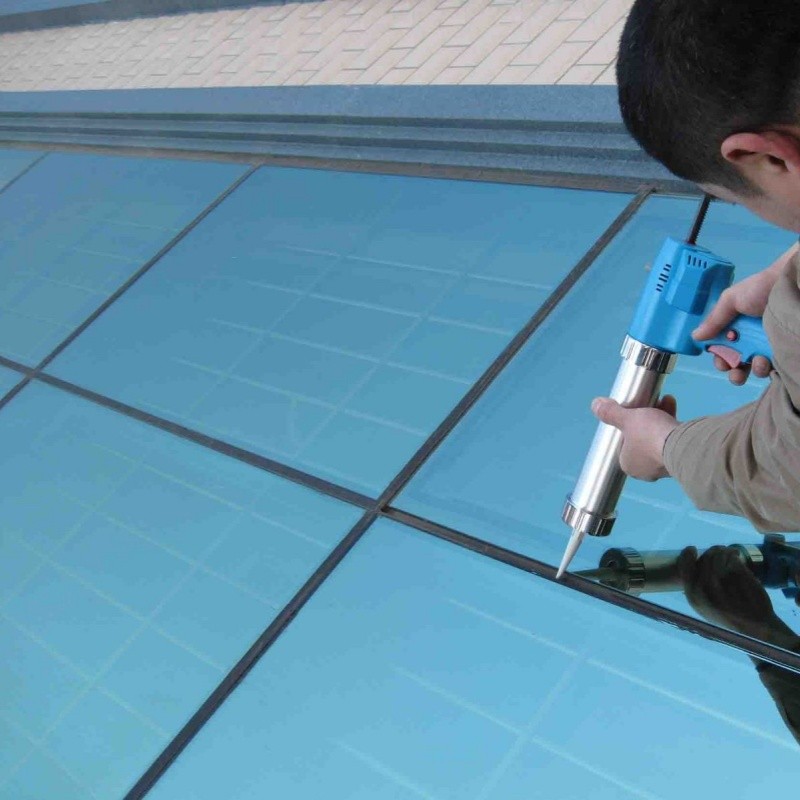
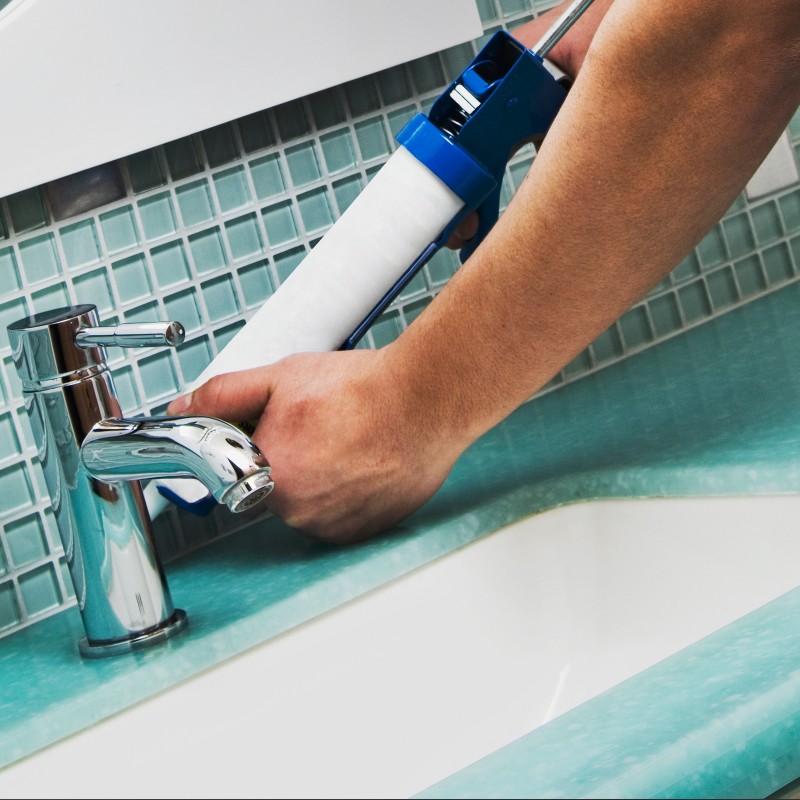
Our sealants are formulated for specific installation demands, including structural glazing, weatherproof expansion joints, and automotive assembly lines.
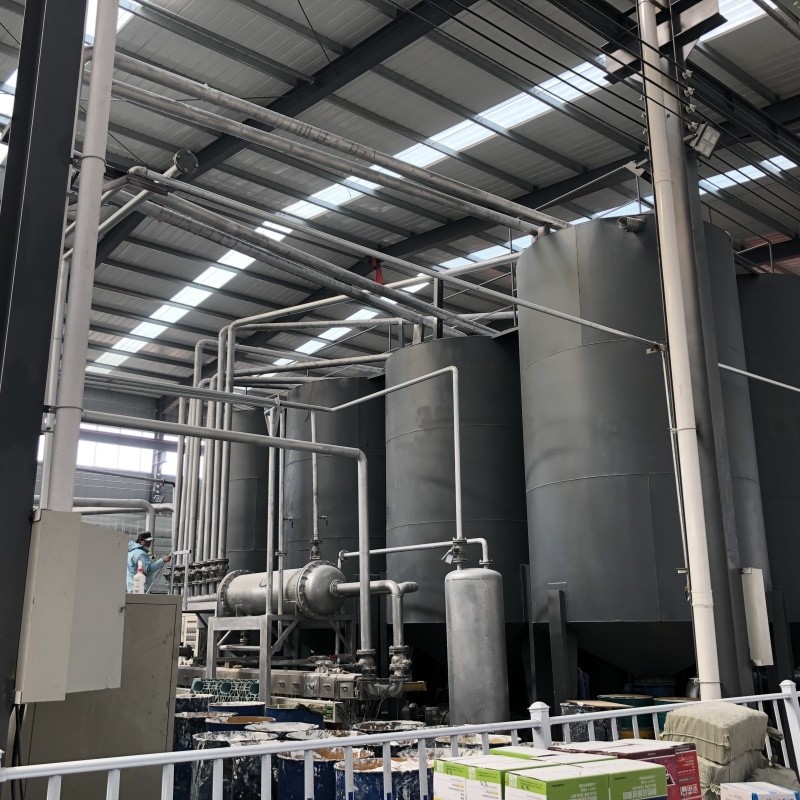
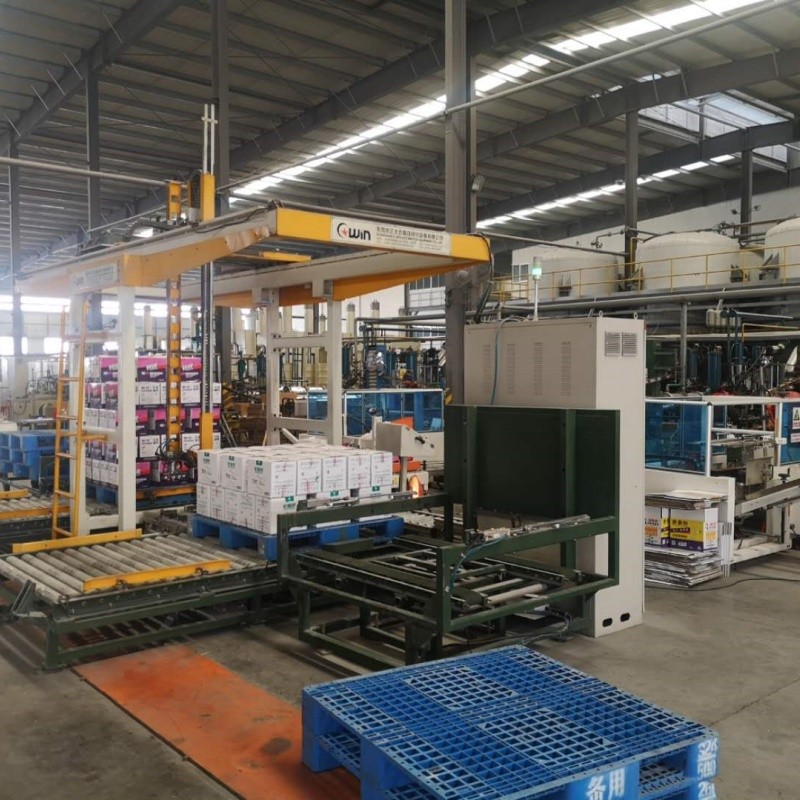




Providing custom formulations, packaging configurations, and logistics support to meet the requirements of international procurement teams.

We manufacture adhesives according to your technical specifications and chemical formulas, offering a reliable manufacturing option that meets your project requirements.
We work with you to develop products suited to your local market and offer white-label options to help you launch products with lower setup costs.

Our laboratory adjusts curing speed, viscosity, colors, modulus, and chemical resistance to fit specific installation conditions.

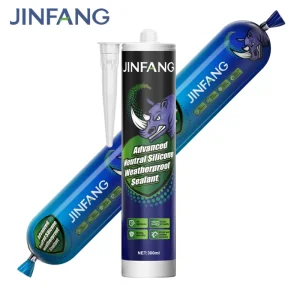
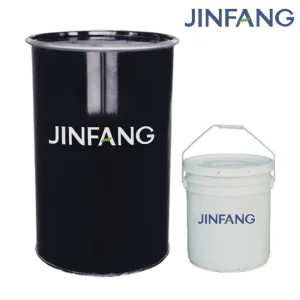
Choose from a range of packaging options, including 300ml cartridges, 590ml/600ml foil sausages, and 200L bulk drums in plastic or aluminum.

Our offset and screen-printing options provide clear, durable labeling on plastic and aluminum tubes for clean product branding.
Understanding the differences between sealant technologies is essential for selecting the right option for your project. The table below outlines the primary industrial polymer systems used in construction and automotive sealing:
| Material Class | Primary Characteristics | Key Disadvantages | Typical Applications |
|---|---|---|---|
| Silicone (Neutral Cure) | High UV resistance, excellent temperature stability, flexible joint movement. | Cannot be painted over, higher cost. | Structural glazing, curtain walls, window perimeters. |
| MS Polymer (Modified Silane) | Paintable, low VOC emission, bubble-free curing, adheres to damp surfaces. | Slightly lower UV stability than pure silicone. | Prefabricated panel joints, industrial vehicle bodies. |
| Polyurethane (PU) | High mechanical strength, good abrasion resistance. | Susceptible to UV degradation over time. | Subgrade concrete joints, expansion joints in roads. |
| Acrylic (Water-based) | Easy tooling, cleanable with water, low odor, paintable. | High shrinkage rate, limited movement capacity. | Interior wall gap filling, baseboard sealing. |
As environmental regulations tighten globally, demand is shifting toward low-VOC and solvent-free options. The industry is moving from standard acetoxy-cure silicones toward neutral alcoxy and oxime-cure formulations, which release fewer reactive byproducts during vulcanization.
Additionally, the rise of pre-fabricated construction methods requires adhesives that cure quickly and consistently. Manufacturers are developing two-component structural systems that allow fast handling times, helping assembly plants improve throughput.
Answers to common technical, logistics, and customization questions from procurement teams.
Acetoxy curing sealants release acetic acid during curing, which smells like vinegar. They cure relatively quickly but can corrode sensitive metals like copper, brass, and zinc, as well as mirror backings. Neutral curing sealants (alkoxy or oxime-based) release non-acidic byproducts. They are suitable for concrete, masonry, aluminum, glass, and most plastics, as they do not react with the substrates.
MS polymers combine the weather resistance of silicones with the paintability and strength of polyurethanes. They contain low VOC levels, are free of solvents and isocyanates, and cure without bubbling, making them useful for indoor air quality and green building compliance.
Single-component silicone relies on atmospheric moisture to cure from the outside in, which can take days for deep joints. Two-component structural silicone consists of a base polymer and a catalyst. When mixed, it cures uniformly throughout the joint regardless of moisture levels. This makes it suitable for structural glazing where high mechanical strength and faster curing times are needed.
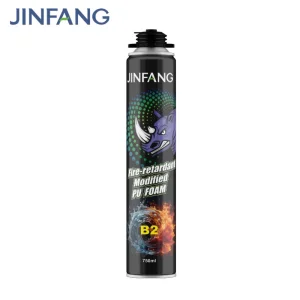
We manufacture fire-retardant PU foams in both B1 and B2 classifications under DIN 4102-1 standards. B1 indicates a highly flame-retardant material that self-extinguishes when the flame source is removed, while B2 indicates normal flammability. Both grades help prevent the spread of smoke and fire through joints in wall penetrations.
Collaborations with Shandong University, Xiamen University, and Linyi University allow us to use advanced analytical equipment, such as gas chromatography and FTIR spectroscopy. This helps us verify raw material purity and maintain batch-to-batch consistency.
Shelf life is affected by storage temperature and humidity. Products should be stored in original, unopened containers in cool, dry conditions below 27°C. Under these conditions, single-component sealants typically have a shelf life of 9 to 12 months from the date of manufacture.
Our factory in Shandong is close to major ports, including Qingdao and Tianjin. This proximity, combined with automated manufacturing and packaging systems, allows us to transition from raw material formulation to container loading in an average of 15 business days.
Yes. We can adjust our sealant formulations by varying the crosslinker ratios and catalyst packages. This allows us to modify tack-free times and curing speeds to suit the temperature and humidity conditions of the installation site.
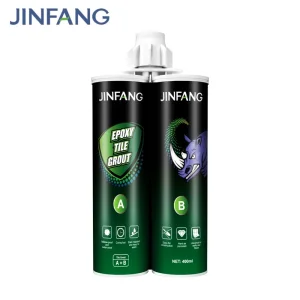
Browse the rest of our specialty adhesives, including high-grab montage glues, modified polyurethanes, and chemical grouts.
 Jinfang