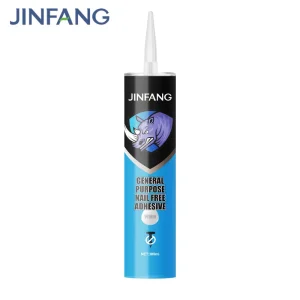
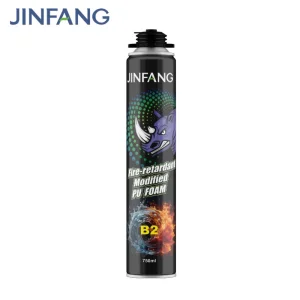
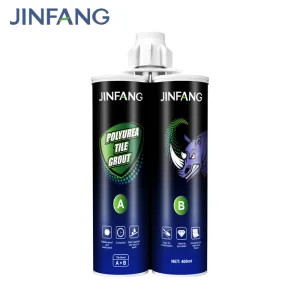
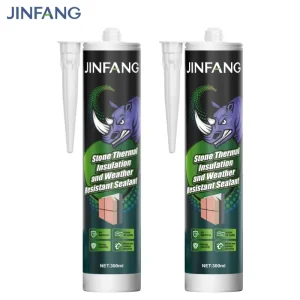
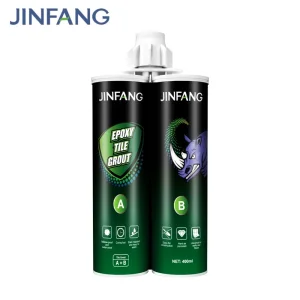
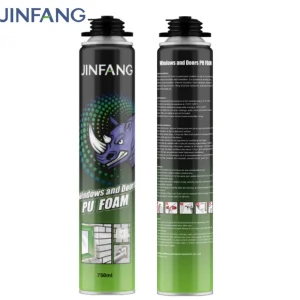
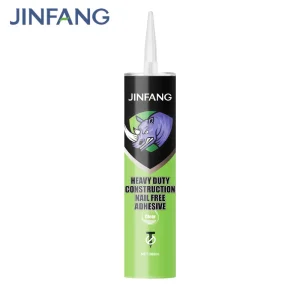
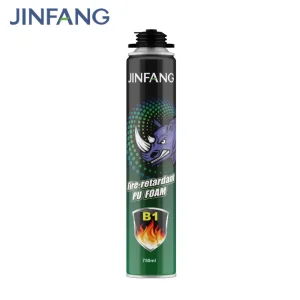
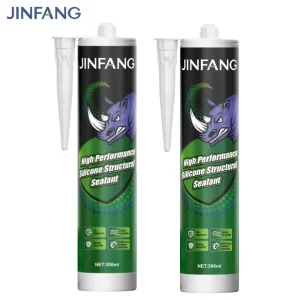
In the expansive world of industrial bonding, Acetic Cure Silicone Sealants stand as the gold standard for non-porous substrate adhesion. As a leading manufacturer in China, Shandong Jinfang Adhesive Industry Co., Ltd. understands that true technical authority comes from deep material science. Acetic cure systems utilize acetoxy cross-linking agents, which release acetic acid during the curing process—the signature "vinegar" scent. This chemical mechanism triggers a remarkably fast vulcanization process compared to neutral-cure alternatives.
The primary advantage of acetic cure silicone lies in its curing speed and modulus consistency. For high-volume assembly lines, speed equates to throughput. Acetic cure products provide excellent resistance to UV radiation, making them the preferred choice for external glazing, aquarium construction, and automotive interior sealing where the sealant is exposed to intense environmental stressors.
Why source from China? It is not merely about cost; it is about industrial ecosystem integration. China’s adhesive manufacturing hubs, particularly in Shandong, possess an unmatched supply chain velocity. From automated chemical reactors to precision packaging lines, Chinese manufacturers like Jinfang have optimized every phase of production. We achieve economies of scale that allow for rigorous Quality Assurance (QA) testing—ensuring that every batch meets ASTM C920 or equivalent ISO standards—at a fraction of the traditional cost structure.
As global construction demands shift toward energy efficiency, the role of high-performance sealants has evolved. Modern buyers are not just looking for a "glue," they are looking for a thermal-bridge reduction solution. Our R&D team at Jinfang works closely with universities to innovate in low-VOC formulations, ensuring that our sealants meet stringent green building certifications worldwide.
Countries Served
Avg. Days for Order Delivery
Customer Retention Rate
Acetic cure releases acetic acid during curing, causing a strong smell but offering faster curing times and superior adhesion to glass/aluminum. Neutral cure releases non-corrosive byproducts, making it safer for sensitive materials like copper, concrete, or stone.
Generally, no. The acetic acid produced during curing can react with the alkaline nature of concrete, leading to poor adhesion and bond failure. For concrete, we recommend our specialized neutral cure MS sealants.
We provide a comprehensive OEM suite, including custom cartridge design, high-quality printing, and multilingual labeling, ensuring your product is shelf-ready for your specific market.
 Jinfang