Explore our top-tier catalog of water-resistant, flexible, and eco-conscious polymer sealants engineered directly in our smart manufacturing facilities.
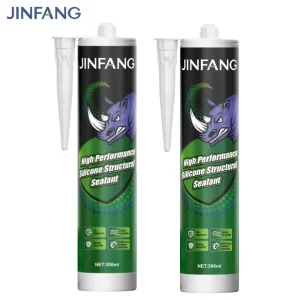
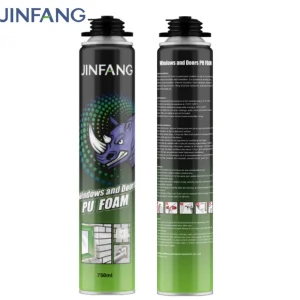
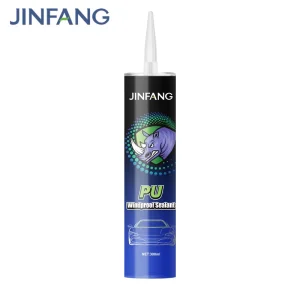
A comprehensive analytical guide to polymer engineering, moisture-cure chemistry, and sanitary performance requirements.
In modern architecture and premium interior fit-outs, the performance requirements for wet-room joints are highly demanding. High humidity levels, temperature fluctuations, and constant exposure to surfactants require sealants with superior chemical durability. China Bathroom Silicone Sealant White represents a key chemical engineering advancement designed to address these environments. Manufactured through high-speed vacuum dispersion systems, these sealants are based on polydimethylsiloxane (PDMS) networks, optimized with anti-microbial additives, rutile-titanium dioxide pigments, and specialized cross-linkers.
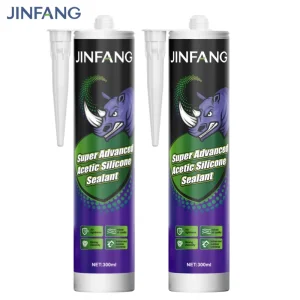
To prevent joint failures such as adhesion loss, cohesive splitting, and aesthetic blackening, understanding the underlying cure mechanism is essential. Depending on the substrate chemistry and venting constraints, project engineers must select between acetic (acid-cure) and neutral (alkoxy or oxime-cure) formulations. Acetic systems release small amounts of acetic acid during cross-linking, providing fast curing times and excellent adhesion to glass and glazed ceramics. In contrast, neutral-cure systems release non-corrosive alcohols or oximes, making them compatible with concrete, marble, copper, mirror backings, and PVC materials.
Bathrooms, shower enclosures, and professional kitchens are prone to biological colonization. Ordinary construction sealants quickly degrade under the metabolic action of mold strains like Aspergillus niger and Penicillium. High-quality white silicone sealants from leading Chinese factories integrate advanced biocides, including zinc pyrithione or carbamate compounds, within the siloxane backbone. This ensures active resistance against microbial enzymes, maintaining a sanitary surface and long-term joint integrity.
Our sanitary formulations undergo rigorous testing to meet global standards:
• Shore A Hardness: 20–30, providing balanced flexibility and tear resistance.
• Elastic Recovery: ≥ 90%, preventing deformation in high-traffic commercial wet zones.
• Tensile Adhesion: Maintains adhesion under continuous water immersion (ISO 8340).
• Low Shrinkage Rate: Under 5%, preventing internal stress cracking.

A common quality issue with low-grade white sealants is yellowing caused by UV light, cooking fumes, or chemical cleaners. Premium white silicone sealant factories in China resolve this by using high-purity rutile titanium dioxide (TiO₂) and non-yellowing plasticizers. Rutile TiO₂ has a high refractive index (2.73), offering excellent opacity and ultraviolet filtering. This ensures that the white sealant retains its clean, bright appearance throughout its service life.
Shandong Jinfang Adhesive Industry Co., Ltd. is a leading manufacturer specializing in high-performance adhesives and sealants. Located in the industrial region of Shandong Province, we offer reliable supply chains, access to raw material networks, and efficient logistics infrastructure.
Our production facilities utilize automated compounding systems that control temperature, shear rates, and vacuum levels to ensure consistent polymer dispersion. We also integrate injection molding and automated cartridge-filling operations, minimizing contamination and volatile loss. This enables us to maintain a stable, high-volume supply for our global partners.
To drive ongoing formulation improvements, our technical team works in partnership with leading academic institutions, including Shandong University, Xiamen University, and Linyi University. These collaborations focus on developing low-VOC polymers, advanced curing catalysts, and long-lasting biocide technologies.
Our products are engineered to provide reliable durability, weathering resistance, and substrate adhesion under demanding environmental conditions.
Our pure silicone backbones are highly stable, resisting cracking, chalking, and degradation when exposed to UV light, moisture, and temperature fluctuations from -50°C to +150°C.
Formulated with stable, slow-release biocides that resist washing out, our sealants inhibit mold growth in damp areas like bathrooms and kitchens, preserving look and hygiene.
Provides strong, primerless adhesion to glass, glazed tile surfaces, acrylics, porcelain, aluminum, and PVC, ensuring reliable joint seals across varying materials.
Providing high-performance sealing systems for building envelopes, precast concrete structures, cleanrooms, and automotive manufacturing.
Essential for sealing sinks, bathtubs, glass shower enclosures, and tiled splashbacks. Its mold resistance and water stability prevent leaks and joint failure in wet areas.
Supports modern off-site construction by providing high-movement joint sealing (±25% movement capacity). This helps absorb structural shifts during transport and installation.
Our low-VOC neutral alkoxy sealants prevent chemical outgassing, helping maintain air purity and surface hygiene in sensitive pharmaceutical and electronics manufacturing areas.
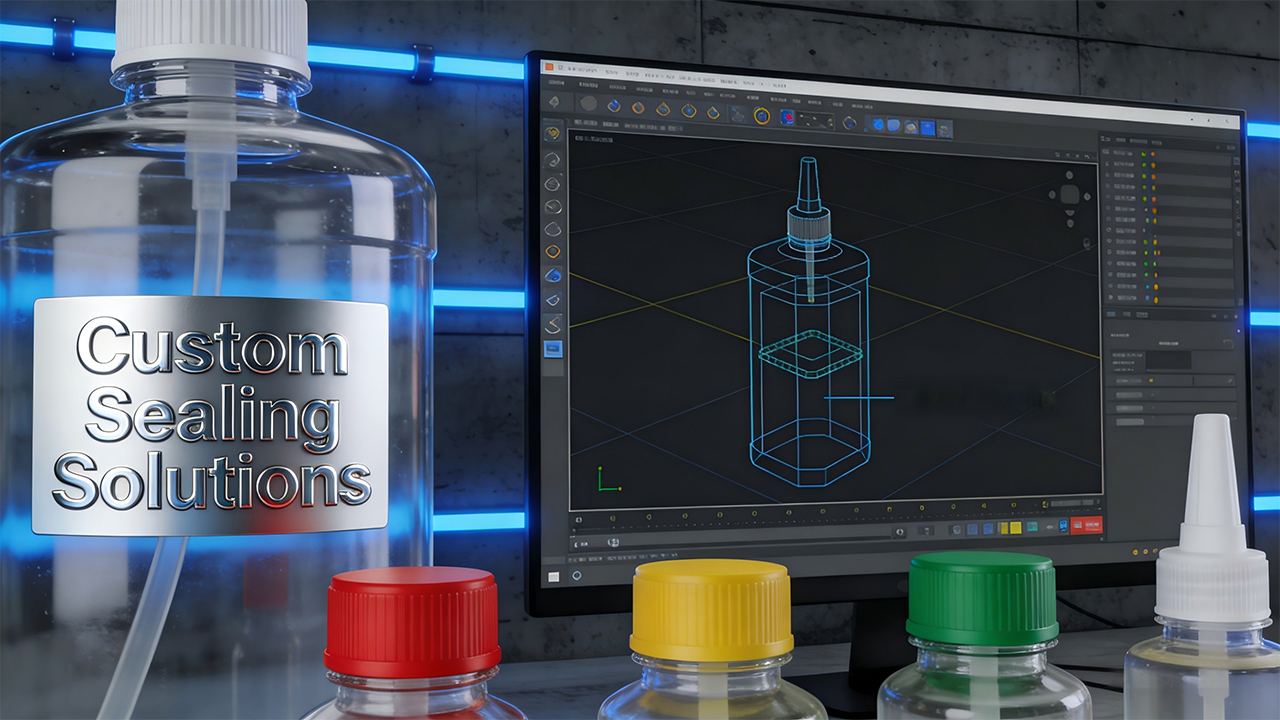
Tailoring formulations, packaging, and branding to meet the technical and logistical needs of global distributors and industrial clients.
We adjust cure rates, viscosity, modulus, and color to suit specific regional climates and application requirements, from quick-curing assembly line sealants to high-modulus structural options.
Available in a range of packaging options to suit different application needs, including 300ml cartridges, 590ml/600ml foil sausages, and bulk drums for automated industrial dispensing.
We provide direct screen and offset printing on plastic and aluminum tubes. This ensures sharp, high-fidelity branding, safety labeling, and barcode clarity on your finished products.
Key quality standards, regulatory compliance, and optimization strategies for international procurement managers.
Purchasing managers sourcing white bathroom silicone sealant from China need to verify compliance with local and international standards. Depending on the target market, sealants must meet specific criteria, including ASTM C920 (Standard Specification for Elastomeric Joint Sealants) in the United States, EN 15651 (Parts 1, 2, and 3) in Europe, and GB/T 14683 in China. These standards define the movement capacity, tensile strength, resistance to prolonged water immersion, and anti-mold performance (specifically Class XS1 for sanitary applications under EN 15651-3).
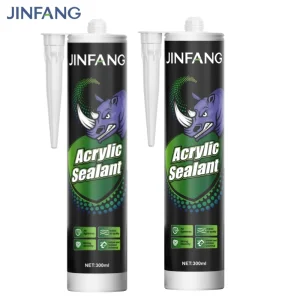
Additionally, green building standards like LEED and BREEAM have increased demand for low-VOC (volatile organic compound) materials. Traditional solvent-heavy formulations are being replaced by high-solid neutral-cure siloxanes and water-based acrylic sealants. Sourcing from manufacturers with ISO 9001 quality management and ISO 14001 environmental management certifications helps ensure consistent product quality and regulatory compliance.
Detailed technical answers to common questions about bathroom silicone sealant selection, application, and sourcing.
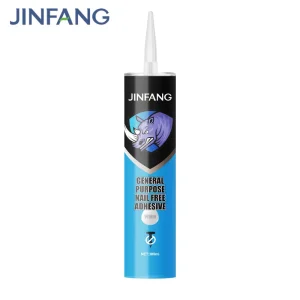
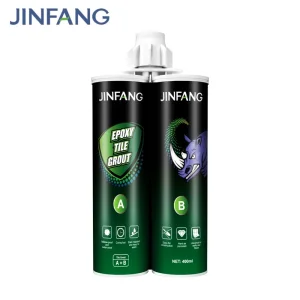
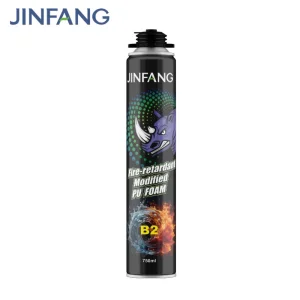
Additional high-performance sealants, adhesives, and grouting systems for construction and industrial maintenance.
 Jinfang