Explore our premium grade adhesives and sealants customized for global industrial, construction, and automotive projects.
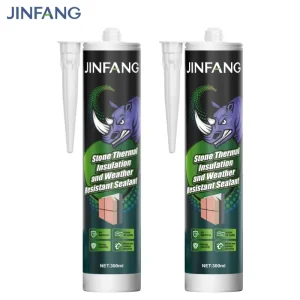
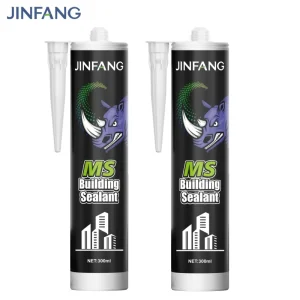
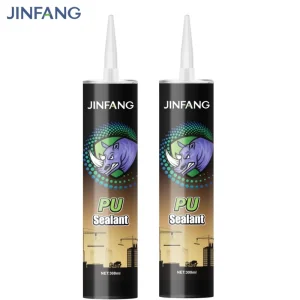
An in-depth whitepaper on mechanical optimization, molecular crosslinking speed, and industrial manufacturing efficiency.
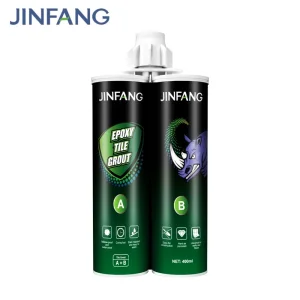
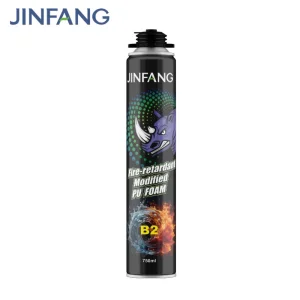
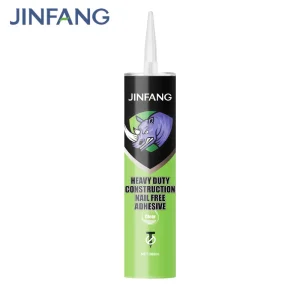
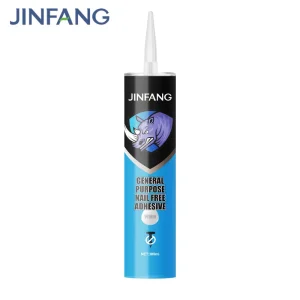
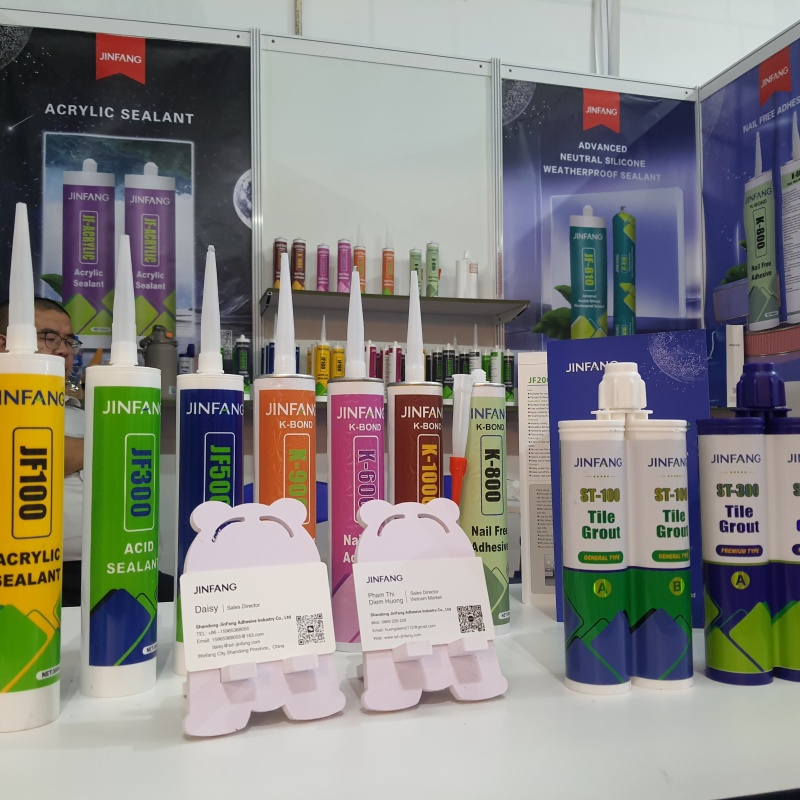
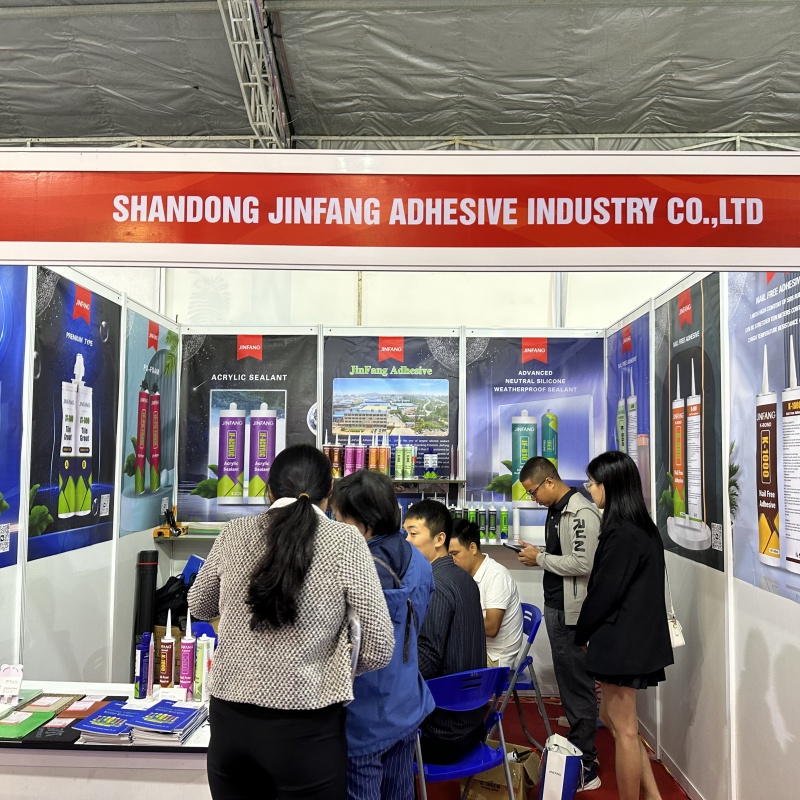
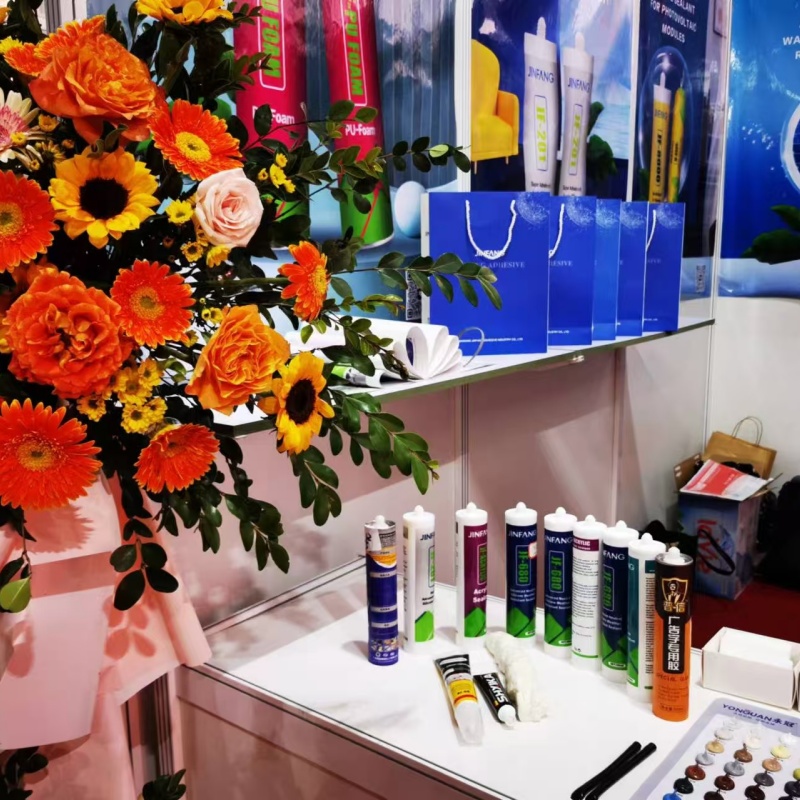
Strategically located in the heart of Shandong Province, a major industrial hub in China, Shandong Jinfang Adhesive Industry Co., Ltd. stands as a leading manufacturer specializing in the research, development, and production of high-performance adhesive and sealant products. With a steadfast commitment to innovation and quality, we have built a comprehensive portfolio that includes silicone sealant, PU Foam, MS sealant, nail-free glue, tile grout, and PU sealant.
Our products are engineered to meet the rigorous demands of diverse applications, primarily serving the construction and automotive industries. We understand that in modern assembly lines and structural engineering projects, curing time translates directly to operational throughput and yield rates.
Unlike standard cure adhesives that rely solely on passive atmospheric moisture diffusion—often requiring 24 to 72 hours to achieve full mechanical properties—our fast cure formulations utilize specialized chemical catalyst packages and modified silane or polyurethane prepolymers. These components accelerate the internal crosslinking reaction, allowing the adhesive to achieve green strength within minutes and full cure within a fraction of the standard timeframe.

A rigorous comparative analysis of fast cure adhesive chemical backbones for engineers and procurement managers.
| Adhesive Chemistry | Curing Mechanism | Tack-Free Time | Tensile Strength (MPa) | Elongation at Break | UV & Weather Resistance |
|---|---|---|---|---|---|
| RTV Acetic Silicone | Moisture (Acidic release) | 5 - 15 mins | 1.8 - 2.5 | 400% - 600% | Outstanding |
| Neutral Silicone | Moisture (Alkoxy release) | 10 - 25 mins | 1.5 - 2.2 | 500% - 700% | Excellent |
| Polyurethane (PU) Sealant | Moisture-curing prepolymer | 30 - 60 mins | 2.0 - 3.5 | 600% - 800% | Moderate (requires UV coating) |
| Modified Silane (MS Polymer) | Silyl-terminated polyether | 15 - 30 mins | 2.5 - 4.0 | 450% - 600% | Excellent (Non-staining) |
| Two-Component Structural Epoxy | Chemical addition (Polyamine cure) | 10 - 45 mins (Adjustable) | 25.0 - 45.0 | 2% - 15% | Good (High rigidity) |
| Polyurea Tile Grout | Aspartic ester / amine crosslinking | 60 - 90 mins | 12.0 - 18.0 | 80% - 150% | Outstanding (No yellowing) |
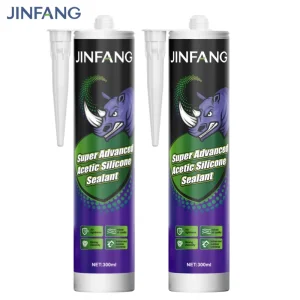
Our structural neutral cure silicones employ proprietary organotin-free condensation catalysts. The formulation facilitates rapid crosslinking from the outer skin inward, minimizing the risk of internal voiding and structural failure under load changes.
By blending the performance characteristics of polyurethanes and silicones, MS polymers eliminate isocyanates and solvents. The resulting bond is highly elastic, paintable, and free from the bubble formation common with standard polyurethanes in humid conditions.
For high-traffic industrial flooring and decorative glass tile mosaics, our polyurea tile grout provides waterproof performance. The polyaspartic chemical matrix resists chlorine, acids, and bases, preventing discoloration and degradation.
Analyzing the performance of Jinfang fast-curing sealants across demanding localized industrial climates.
Coastal and tropical microclimates expose building facades to intense UV radiation, salinity, and high moisture. Standard sealants degrade through hydrolysis or lose adhesion due to thermal fatigue.
Our MS Crystal Clear Sealant and High-Performance Polyurethane Sealants are optimized for these microclimates. The silane-terminated polymers resist degradation from salt air and UV radiation, maintaining their structural integrity over decades of continuous exposure.
In the automotive aftermarket and OEM assembly lines, minimizing structural downtime is critical. Our fast-curing polyurethane sealants are engineered for direct glazing applications, achieving a Safe Drive-Away Time (SDAT) of under 60 minutes.
This allows repair facilities and production lines to operate with shorter cycle times, reducing inventory storage costs and improving operational throughput.
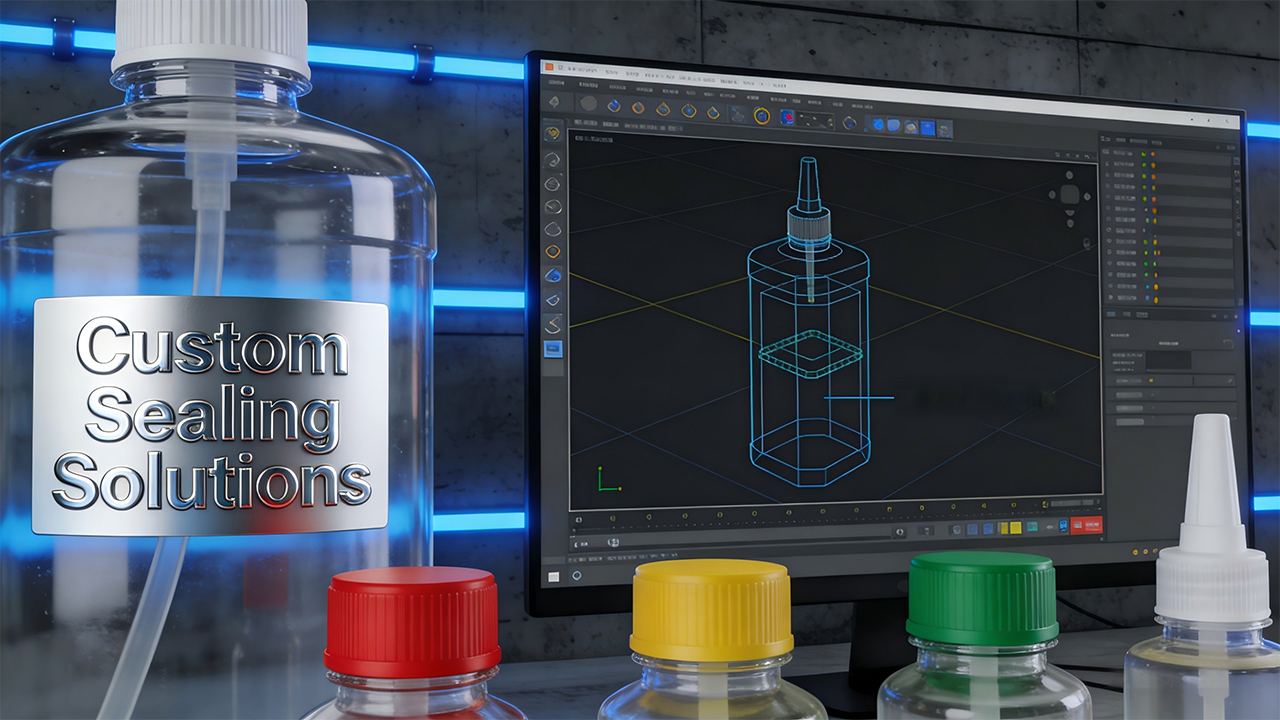
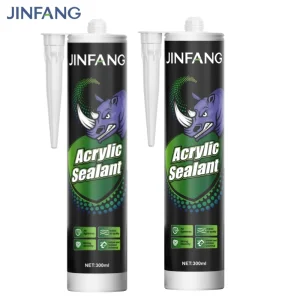
From high-rise glass curtain walls using two-component structural silicone to interior renovations utilizing eco-friendly water-based acrylic sealants, we supply specific chemical grades designed for targeted environmental performance and substrate compatibility.
How Jinfang leverages Shandong's chemical ecosystem to secure raw material access and maintain consistent lead times.
Shandong Province houses a large portion of the global organosilicon and polyurethane raw material manufacturing base. Our strategic location allows us to source high-grade monomers and prepolymers with minimal transit times, sheltering us from global shipping disruptions and raw material volatility.
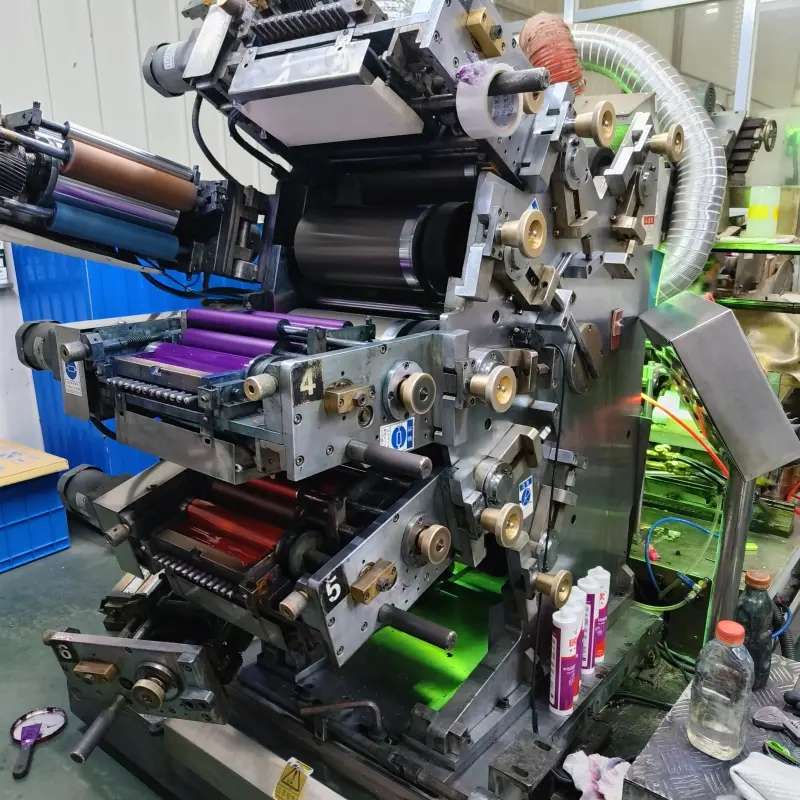
Through our fully integrated production facility, we manage every step of the manufacturing lifecycle. This includes raw material synthesis, chemical compounding, container injection molding, printing, packaging, and quality control.
Proven durability across architectural facades, structural glazing, window frames, and industrial assemblies.
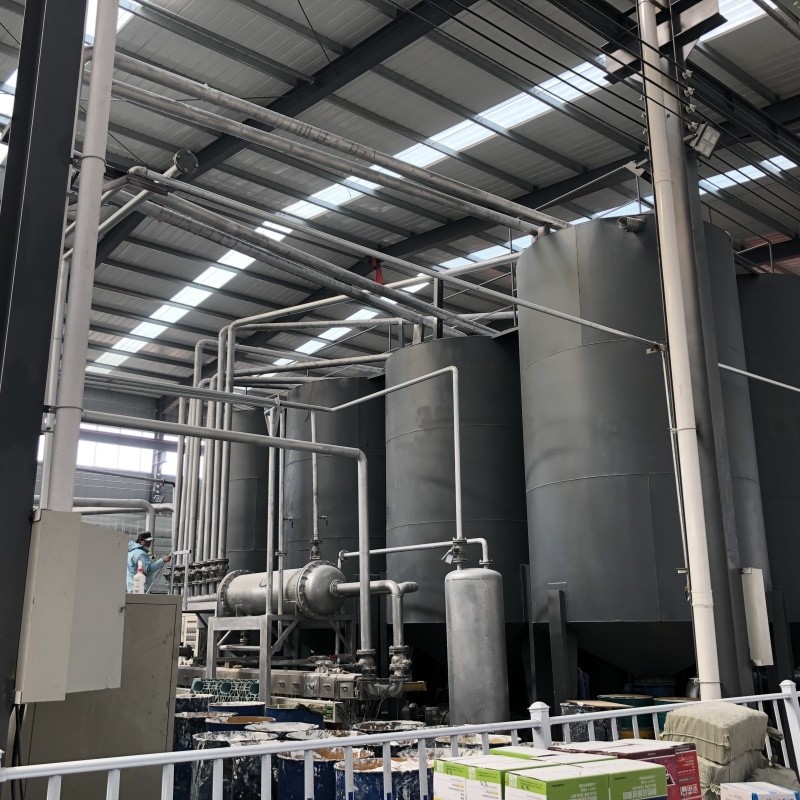
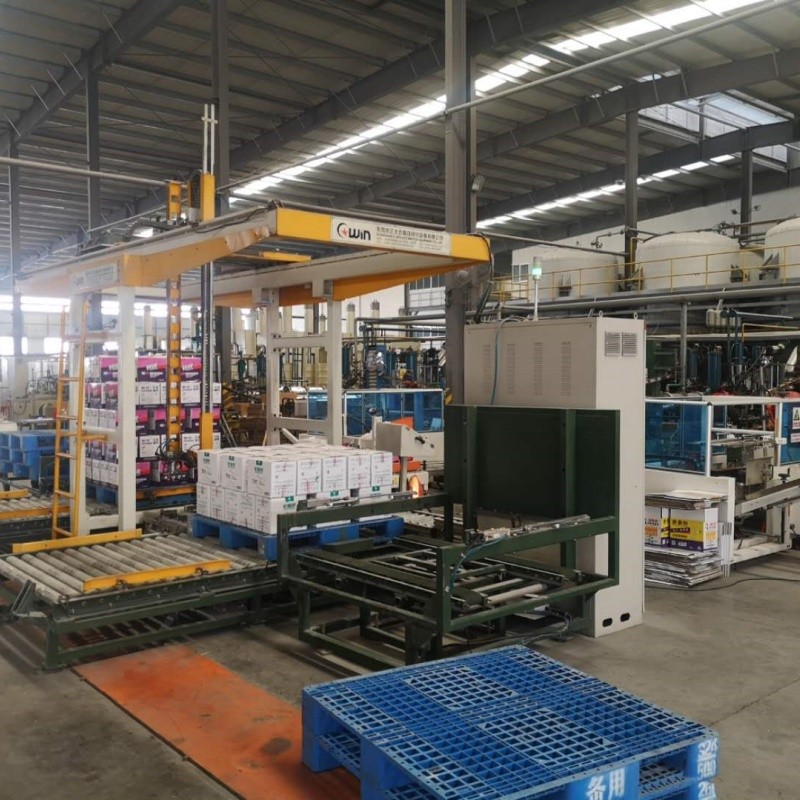
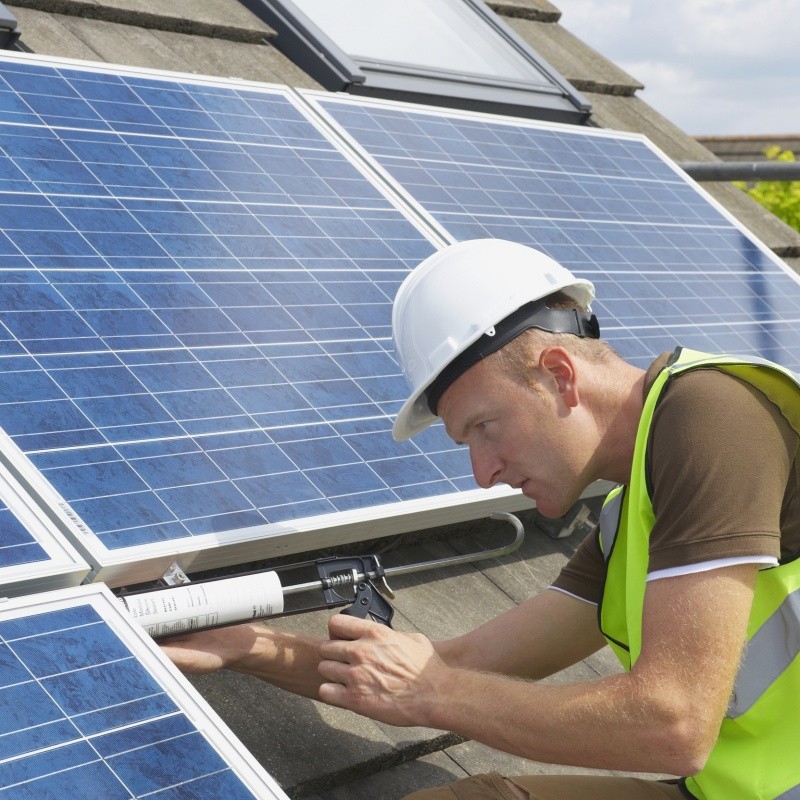
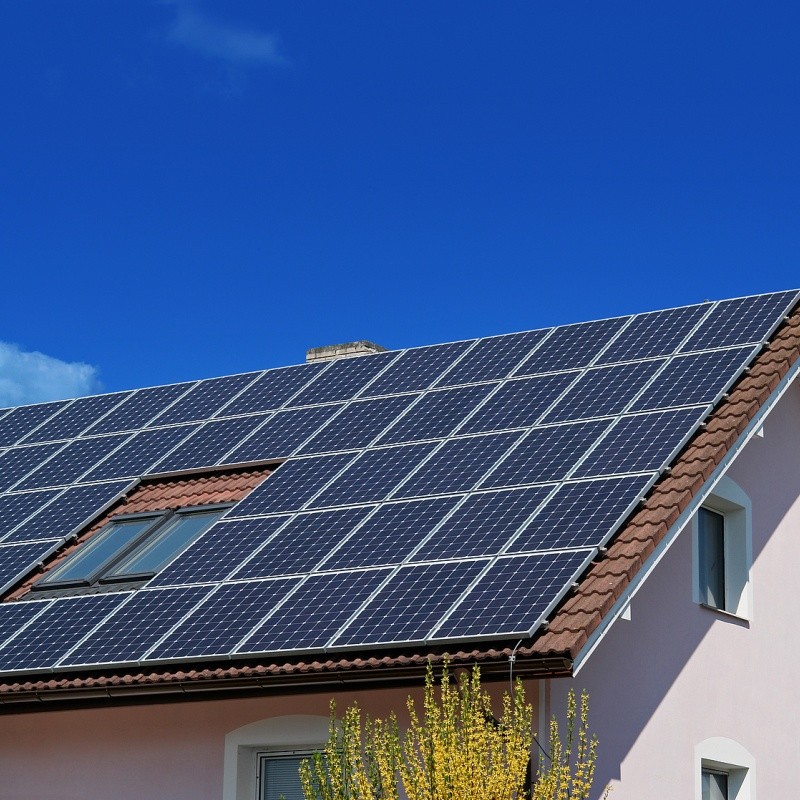
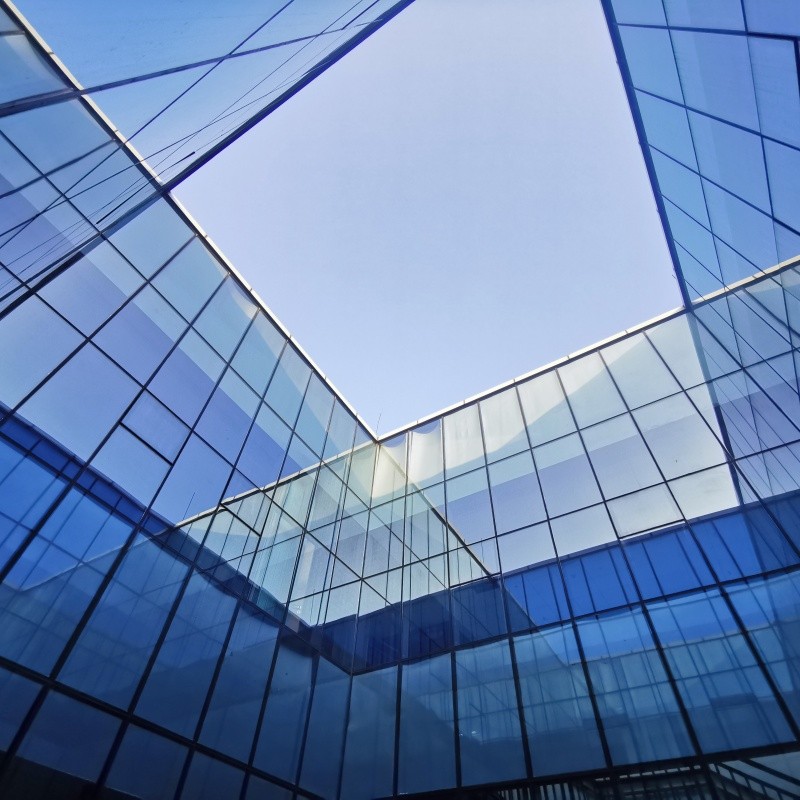
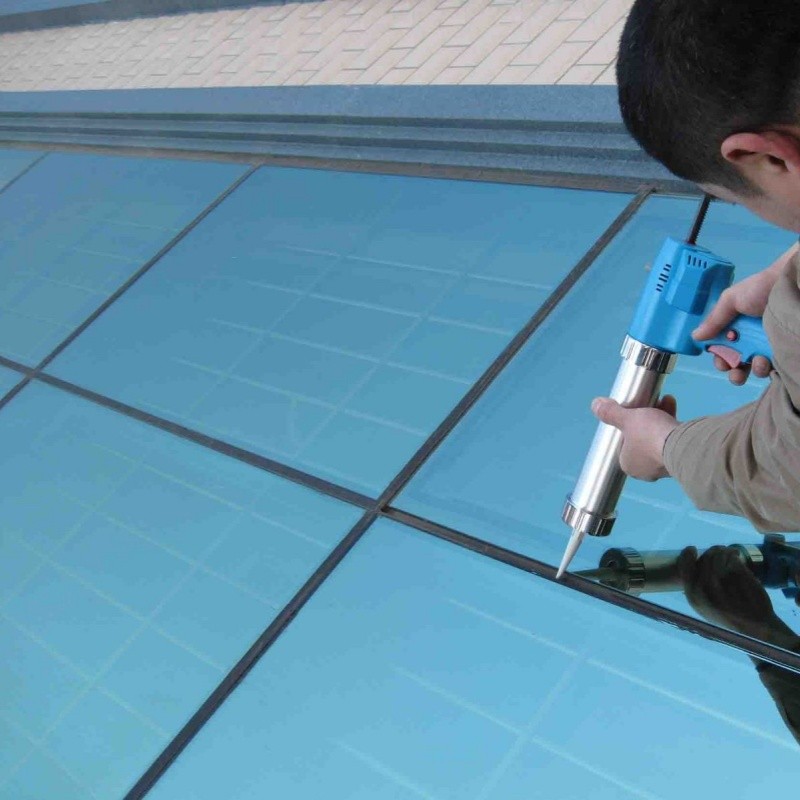
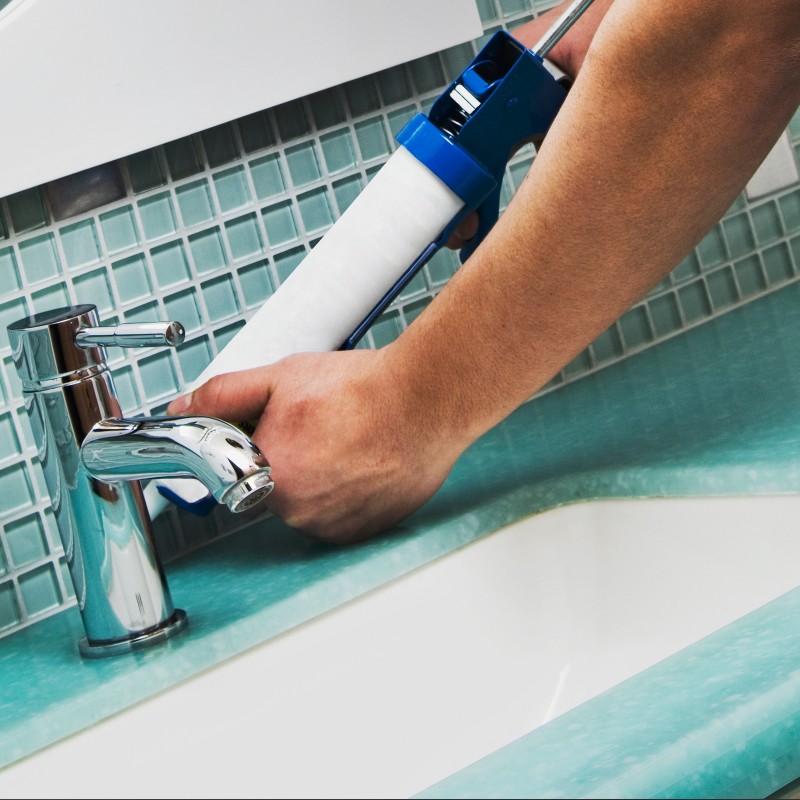
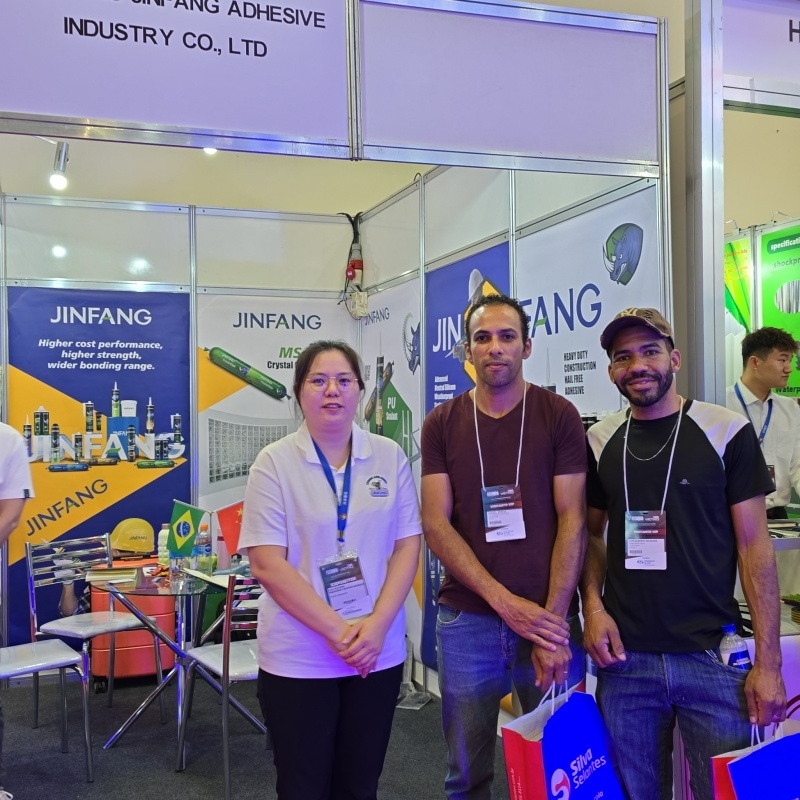
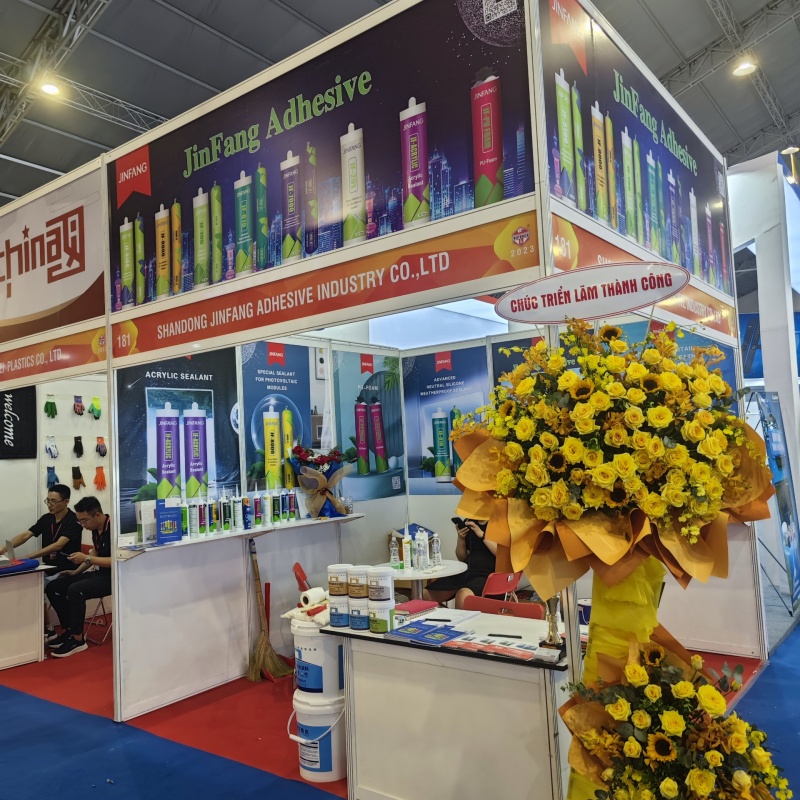
An inside look at our advanced manufacturing lines, quality testing facilities, and packing operations that support our global distribution network.
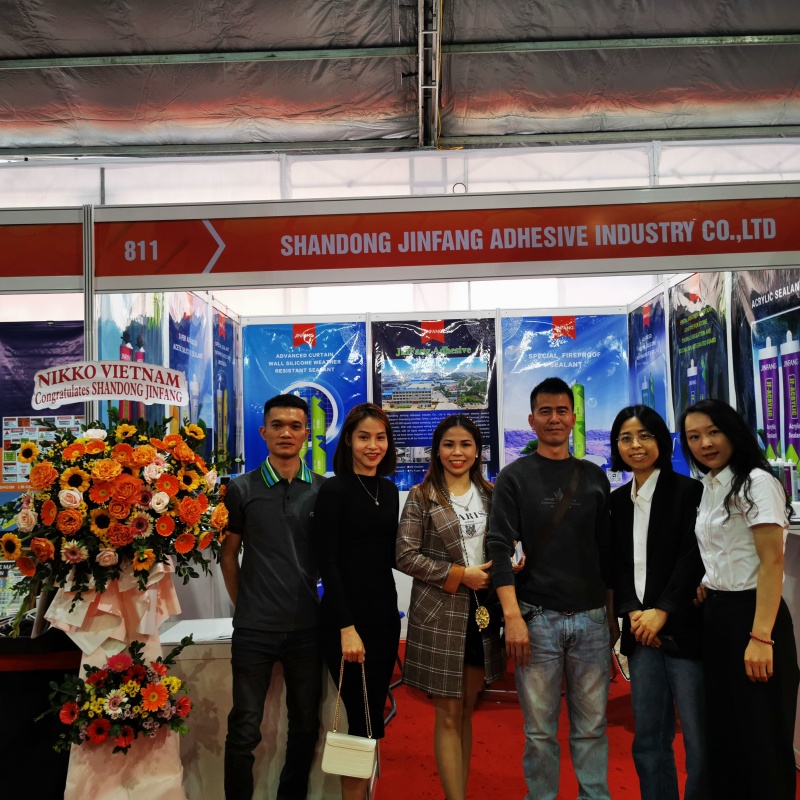
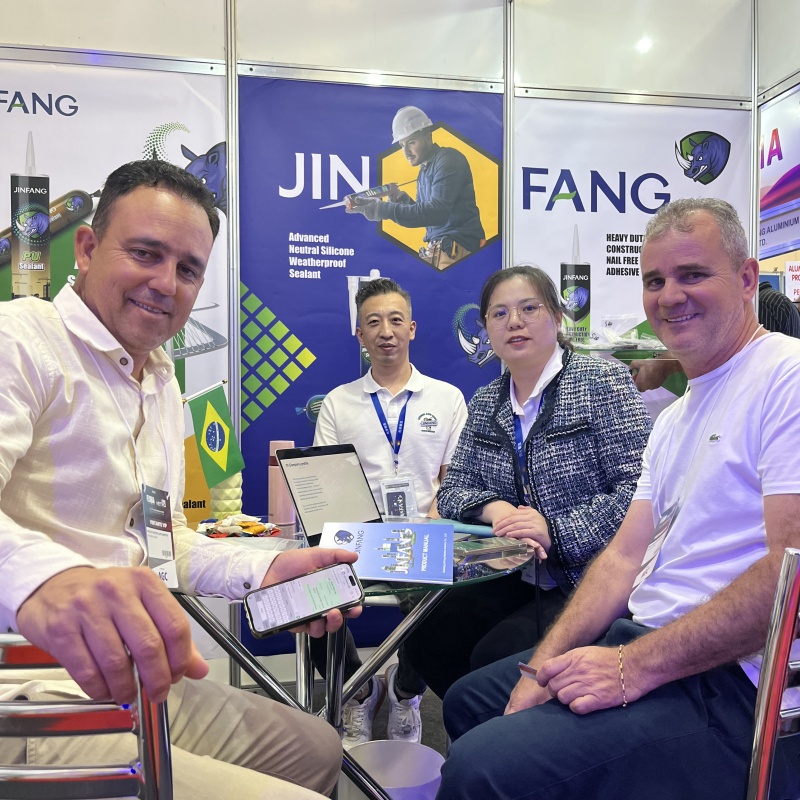
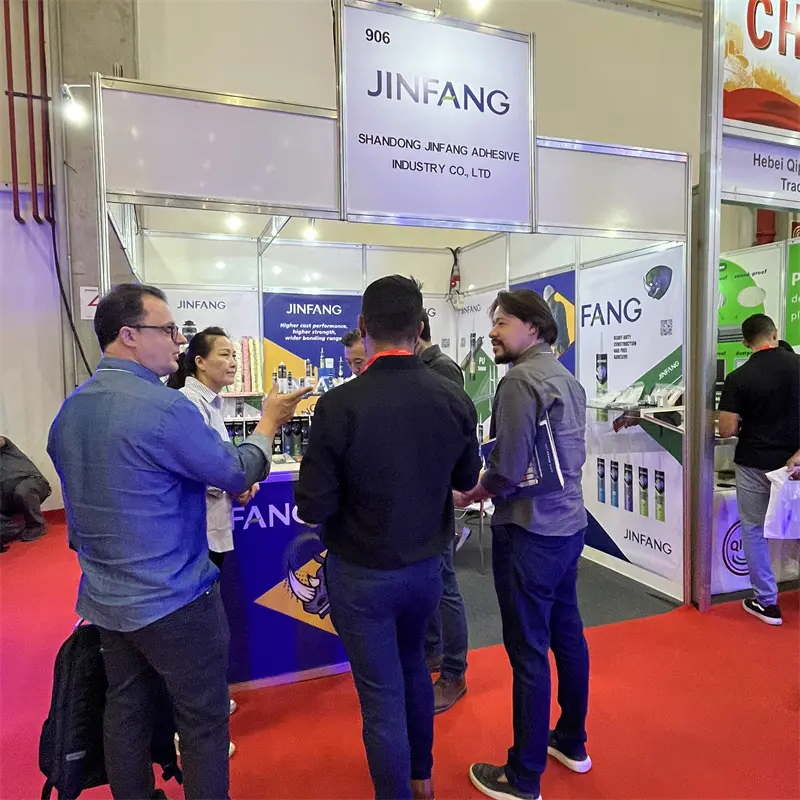
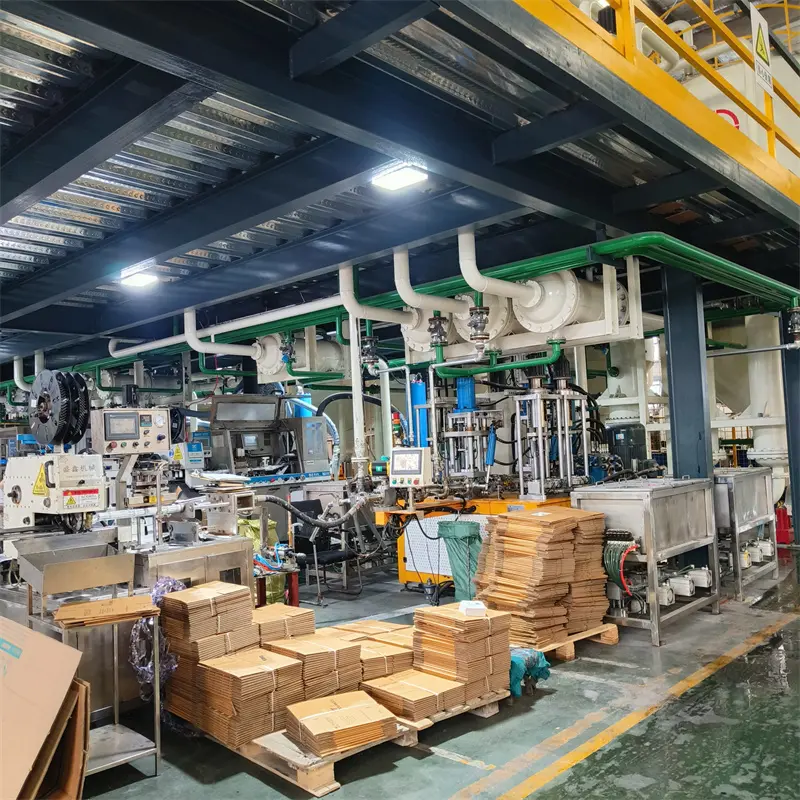
Collaborative chemical engineering and custom packaging design for industrial brands worldwide.
For clients with established formulations or specific product sheets, we provide scalable, high-volume production. Our automated lines process raw monomers into finished containers, maintaining consistency across large production runs.
Our research team develops custom formulations to match targeted application needs. Whether adjusting cure speeds, increasing viscosity, or modifying structural elongation, we optimize the chemistry to suit your project requirements.
We package in 300ml cartridges, 600ml foil sausages, high-volume pails, and small tubes. We support customized labeling and offer screen and offset printing to ensure clear, high-resolution product branding.
Answering common engineering and logistics questions about sourcing adhesives directly from China.
Explore our industrial-grade, fast-curing sealants, fire-retardant foams, and high-strength construction adhesives.
 Jinfang