Engineered to meet the rigorous demands of industrial architectural, marine, and automotive projects globally.
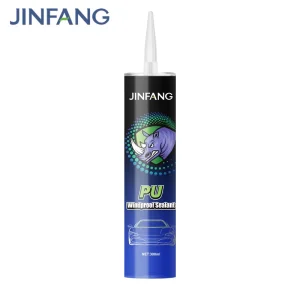
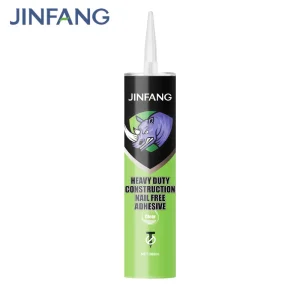
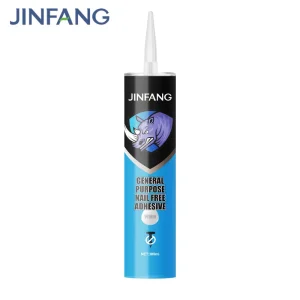
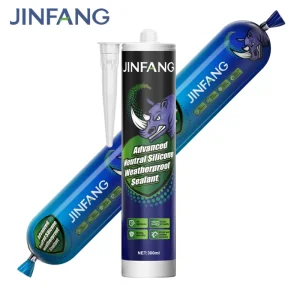
Mechanical fastening is undergoing a quiet, chemical-driven revolution. Across the architectural and engineering sectors, the search for high-tensile, elastic structural adhesives—broadly designated as Liquid Nails Projects or Nail-Free Glue—is replacing traditional mechanical fixing methods like screws, dowels, and rivets.
This structural transformation is driven by several key factors. First, chemical bonding distributes shear loads uniformly across the entire contact surface area, which completely eliminates the localized stress concentration points associated with mechanical pins. Secondly, using high-performance polymers avoids substrate damage, prevents moisture ingress, and resists micro-vibration degradation. Shandong Jinfang Adhesive Industry Co., Ltd. has developed specialized formulas that merge heavy-duty structural capabilities with the environmental profile required by green building standards (LEED v4.1, REACH, and RoHS compliance).
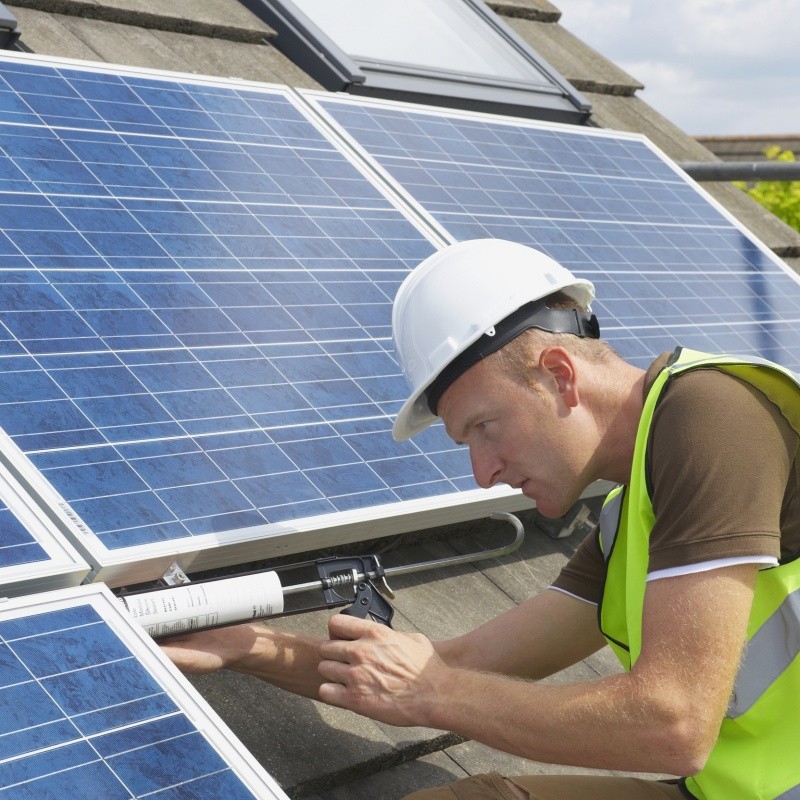
By shifting to advanced Liquid Nails, modern building envelope installations and interior fit-outs can reduce assembly times by up to 45%, while guaranteeing a clean surface without exposed heads or weld spots. This is highly critical in applications involving pre-finished composites, marble, glass facades, and architectural metals.
How macroeconomic pressures, environmental mandates, and material advancements shape modern industrial adhesive procurement.
Environmental policies across Europe, North America, and parts of Asia are forcing a rapid migration away from chlorinated solvent-based formulas to MS Polymer and water-based emulsions. Global procurement managers now prioritize adhesives that do not compromise on curing times or shear strength while ensuring indoor air quality compliance.
Prefabrication requires component assemblies to withstand dynamic structural movements during transport and lifting. Liquid nails with high early green strength and permanent elasticity act as dampers, preventing cracks in joint interfaces while accelerating automated modular assembly lines.
Adhesives must cope with substrate expansion and contraction (thermal cycling). By optimizing polymer cross-linking density, Jinfang's engineering grade formulations offer up to 400% elongation at break, preserving bond integrity from -40°C up to +90°C.
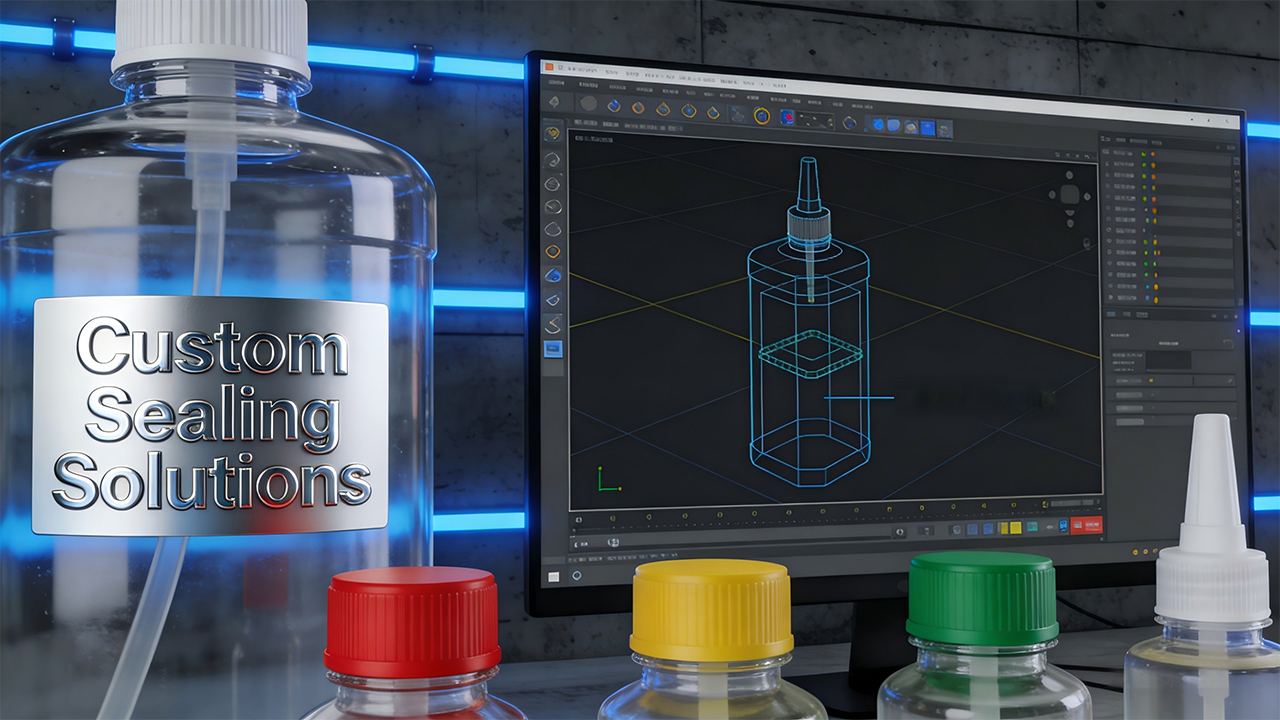
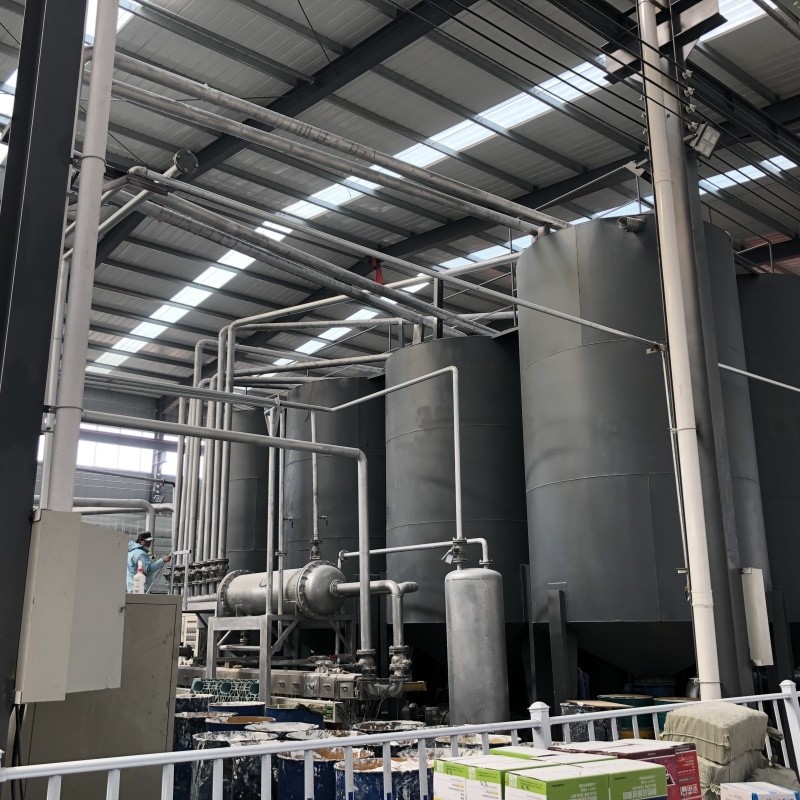
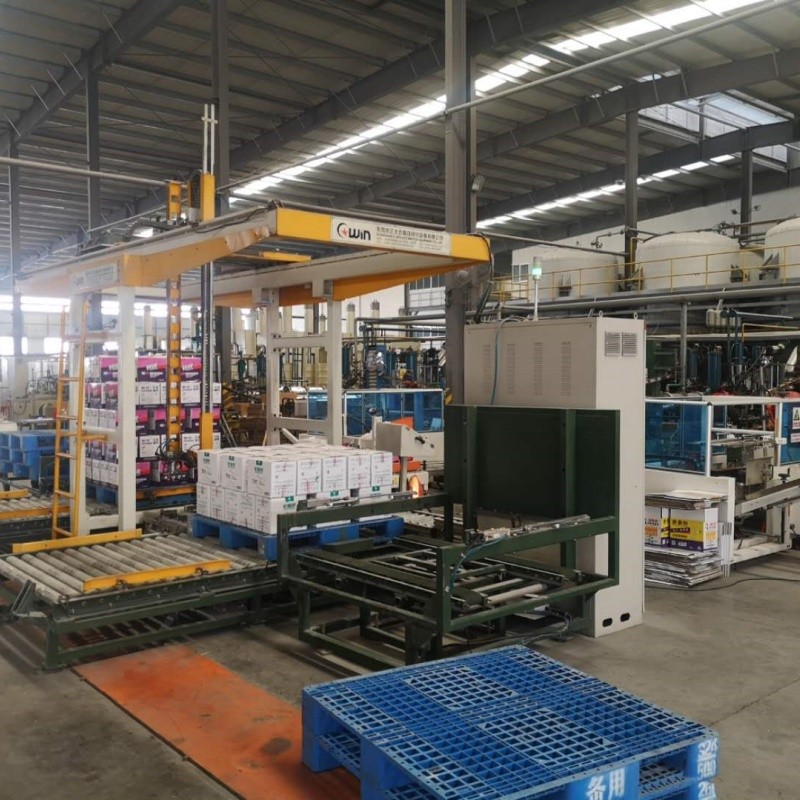
Operating a high-yield construction adhesive plant requires more than simple mixing equipment. Shandong Jinfang has integrated a digital-first manufacturing strategy (Industry 4.0 principles) at our facility in Shandong Province. Our vertical integration covers everything from base monomer synthesis to automated injection molding of cartridge tubes, minimizing bottleneck delays and cost variations.
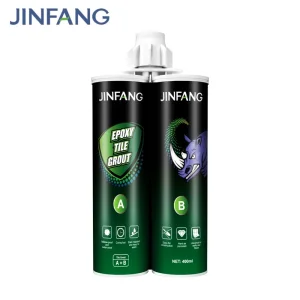
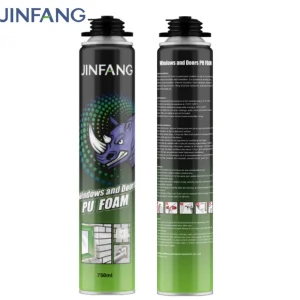
Our raw material formulation control systems feature automated micro-dosing and closed-loop continuous polymerization reactors. This setup ensures that every batch of neutral silicone, polyurethane foam, MS polymer, or tile grout shows strict consistency in viscosity, extrusion rate, and tack-free times. Backed by ISO 9001 and ISO 14001 certifications, we consistently meet rigorous EU IROS standards, enabling overseas buyers to import with confidence.
How we bridge academic polymer chemistry with real-world building envelope solutions.
At Shandong Jinfang, our technical edge is built on continuous innovation. We maintain deep research collaborations with leading domestic academic institutions, including Shandong University, Xiamen University, and Linyi University. These partnerships allow us to leverage cutting-edge academic insights in macromolecular chemistry, copolymerization kinetics, and nanostructured fillers, which translates into real-world performance benefits for our clients.
Through these partnerships, we have optimized the performance of our MS polymers and polyurethane formulations. This makes them highly resistant to environmental factors like UV degradation, high humidity, and extreme temperature fluctuations. We work alongside client engineering teams to configure chemical properties like open time, curing speed, sag resistance, and shear adhesion properties to fit your specific application requirements.
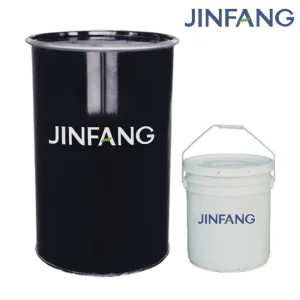
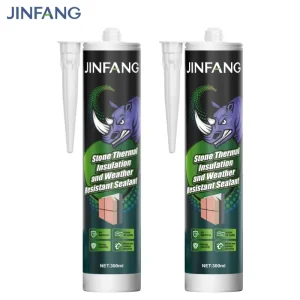
Our OEM and customization services cover every aspect of the product, including custom formulations, tailored colors, specialized cartridge printing (offset and screen printing options), and custom packaging sizes (from 300ml cartridges and sausage packs to large bulk drums).
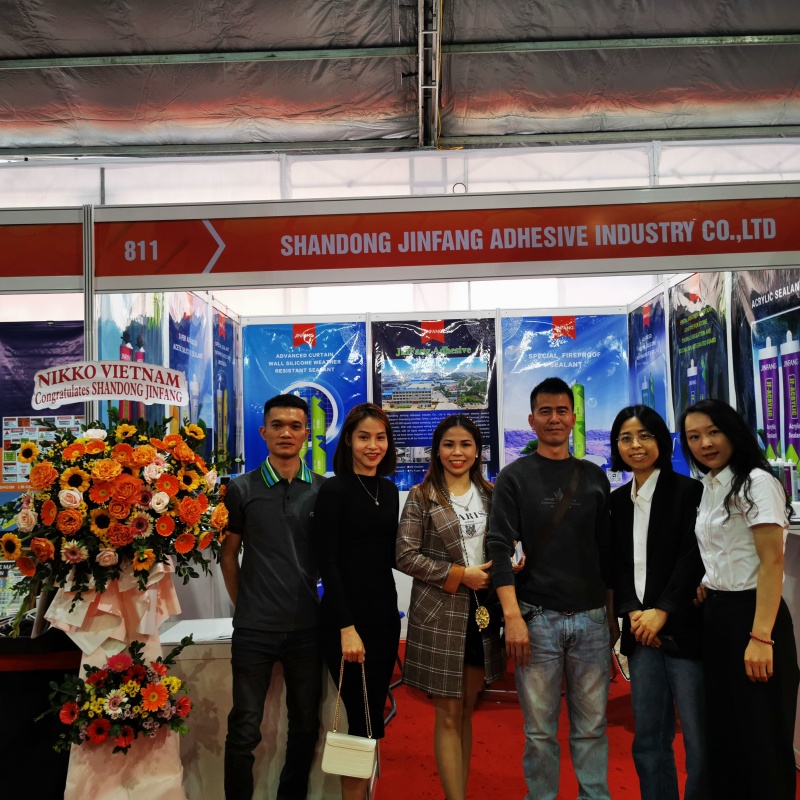
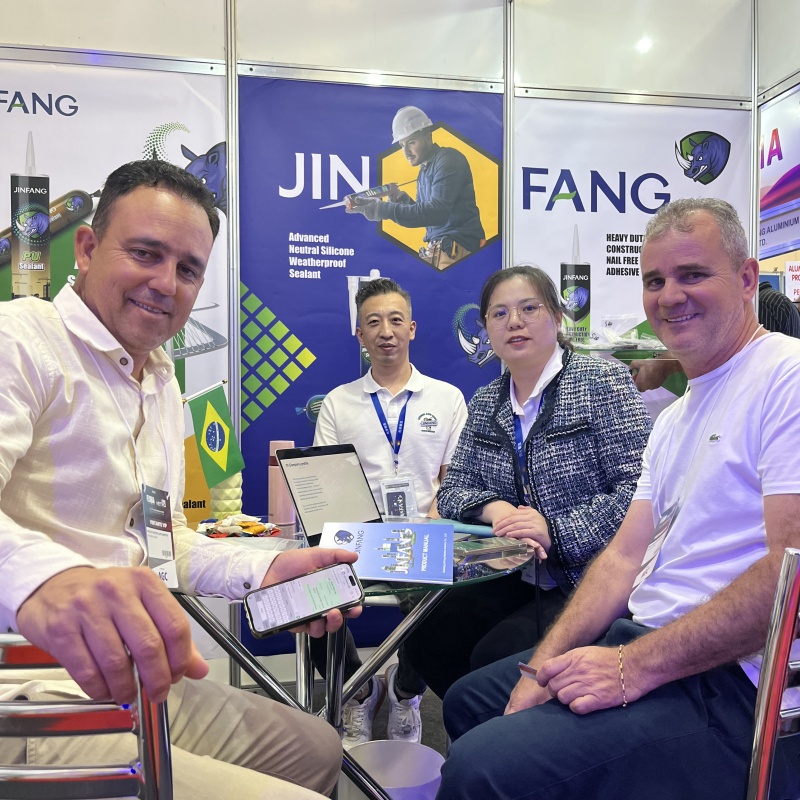
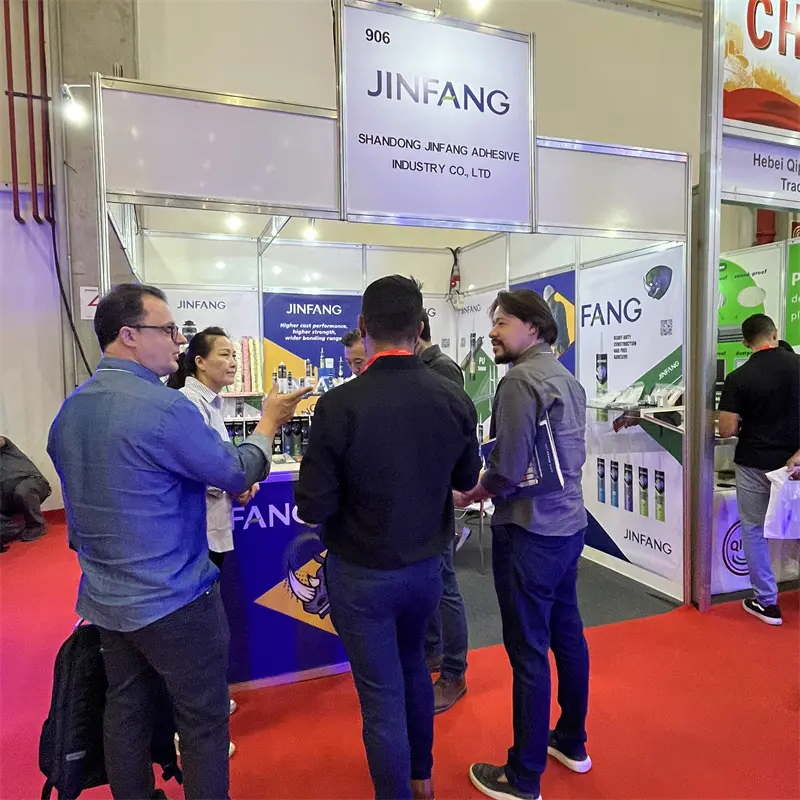
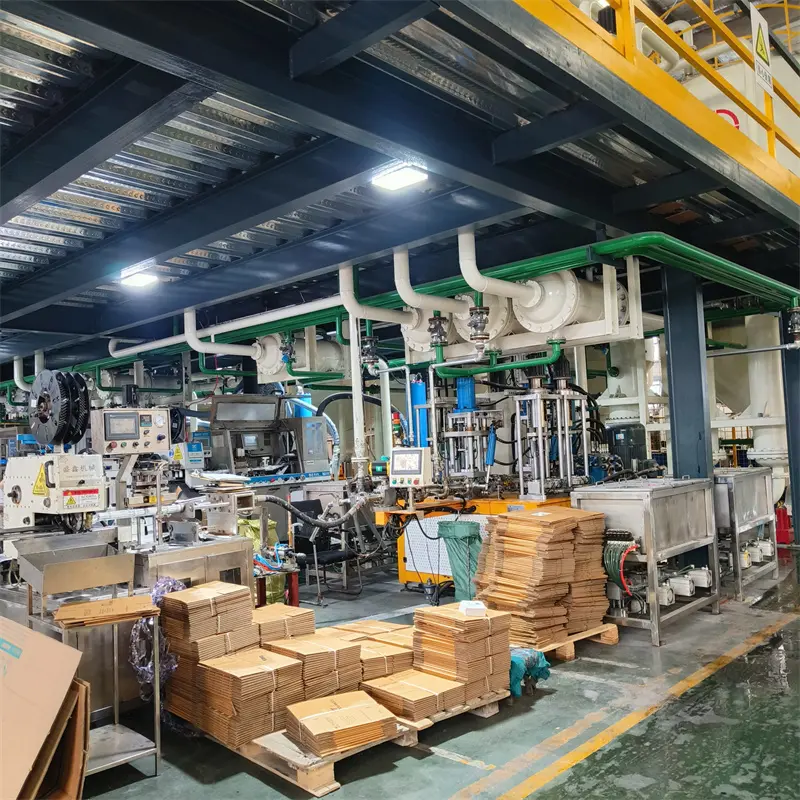
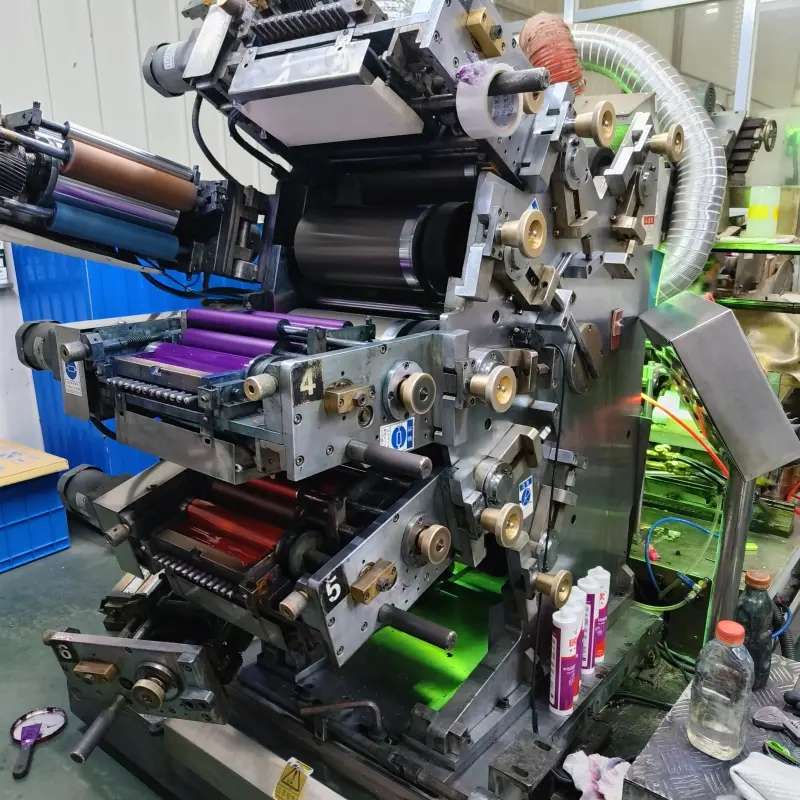
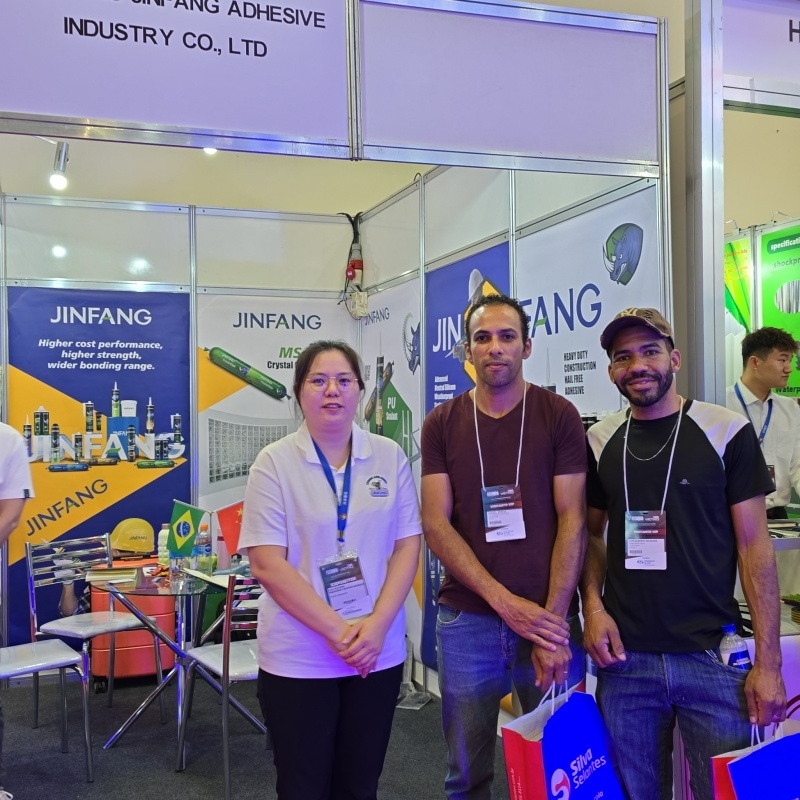
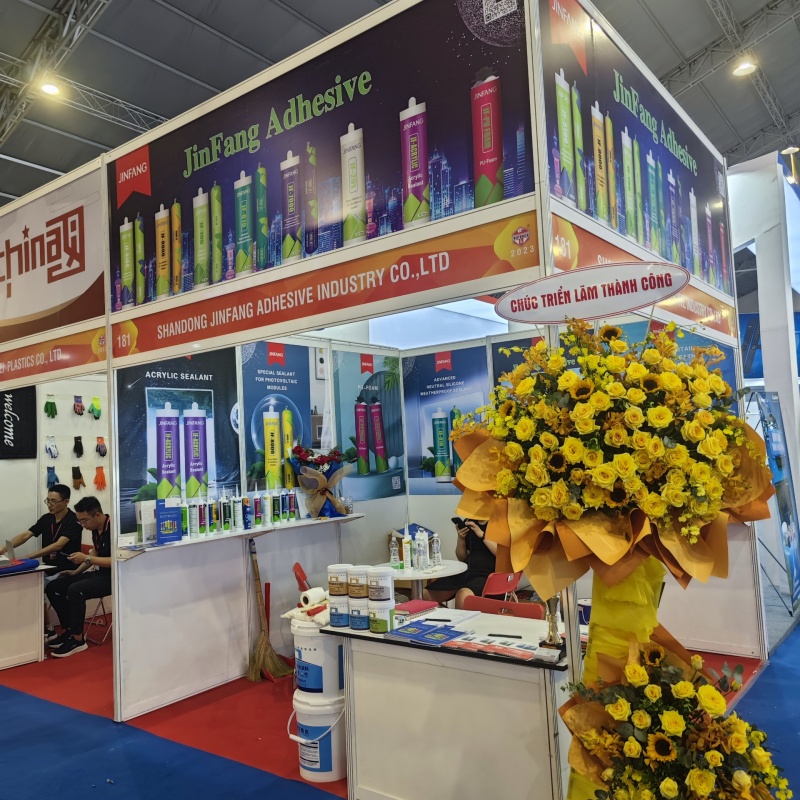
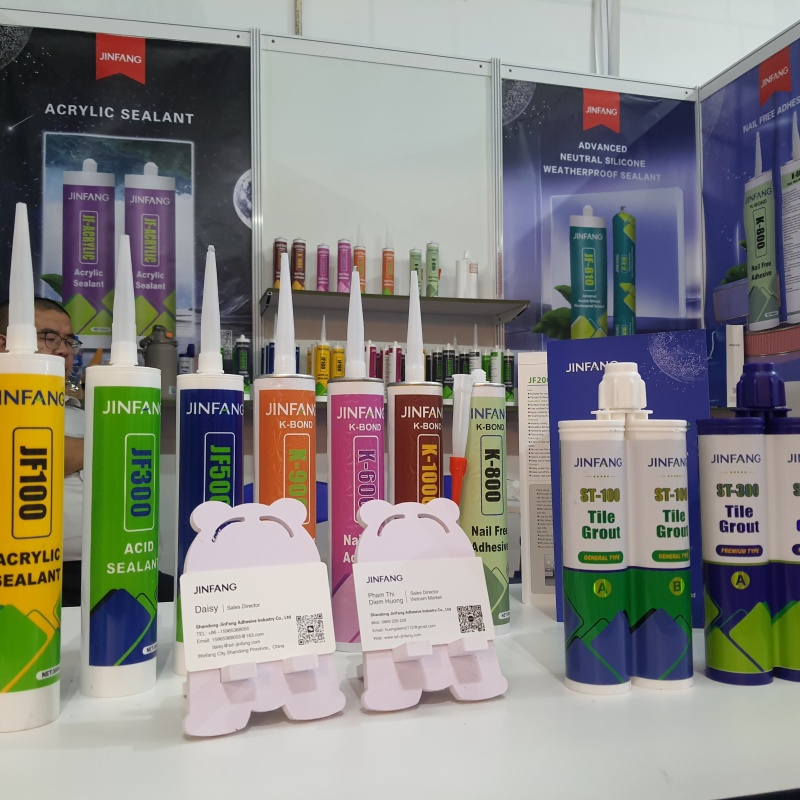
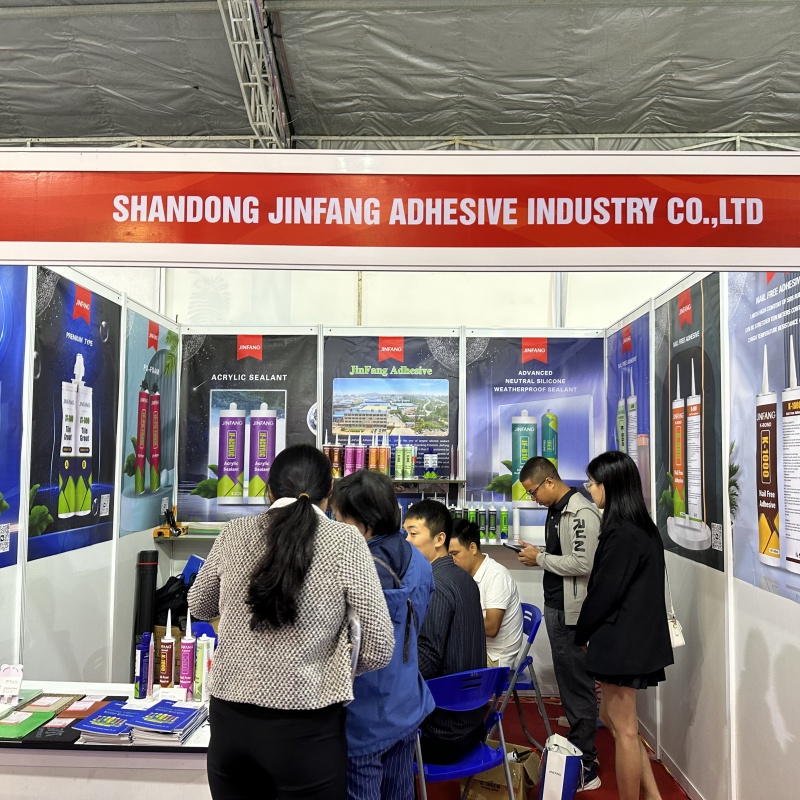
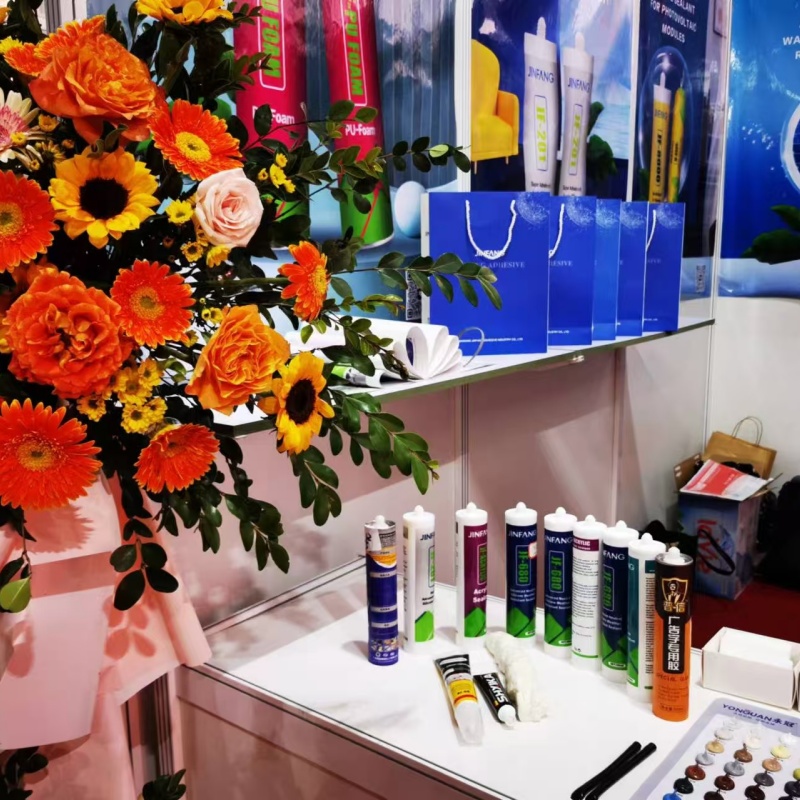
Comprehensive adhesive manufacturing services designed to scale your brand and meet technical demands.

For established formulas or mature product lines, we offer reliable, large-scale production. We deliver consistent, high-quality products that align with your exact technical parameters and quality standards.
We work with you to develop new formulas tailored to your target markets. We also provide cost-effective white-label supply options to help you enter new markets quickly with low upfront investment.

Our lab designs custom formulations optimized for specific application requirements, like high-temperature stability, low-temperature elasticity, or rapid curing. We also support proprietary and confidential custom runs.

Choose from a wide range of packaging types, including 300ml cartridges (plastic or aluminum), foil sausage packs, squeeze tubes, and bulk drums. We print your custom artwork directly onto the tube for a professional look.

We offer both offset and screen printing, delivering clear, vibrant colors and sharp text for safety instructions, barcodes, and logos directly on your cartridges and outer shipping cartons.
Every production batch undergoes strict quality control testing, checking viscosity, curing rate, and shear strength. This ensures consistent product performance and reliability for every shipment.
Our adhesives are formulated to perform reliably in a wide range of climates and building environments.
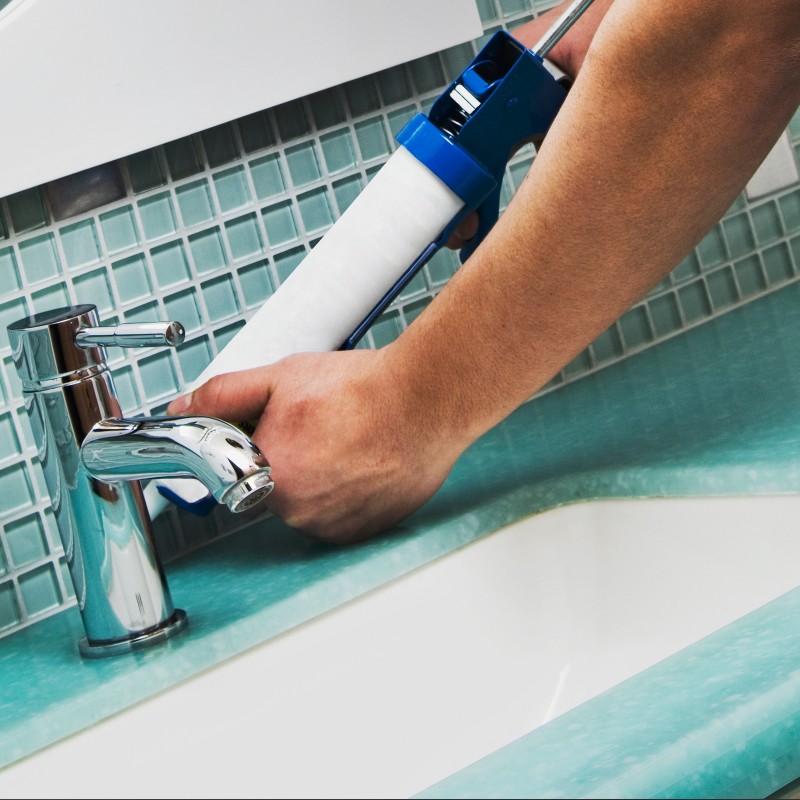
Highly humid and coastal climates require adhesives with excellent resistance to hydrolytic breakdown and salt spray. Our specialized neutral silicone and polyurethane formulations are designed to resist mold and mildew growth while maintaining their structural bond over long-term exposure to salt air.
In sub-zero temperatures, standard adhesives can become brittle and crack under stress. Our low-temperature flexible formulations are engineered to remain elastomeric down to -40°C, absorbing structural movements and preventing bonds from fracturing in cold climates.
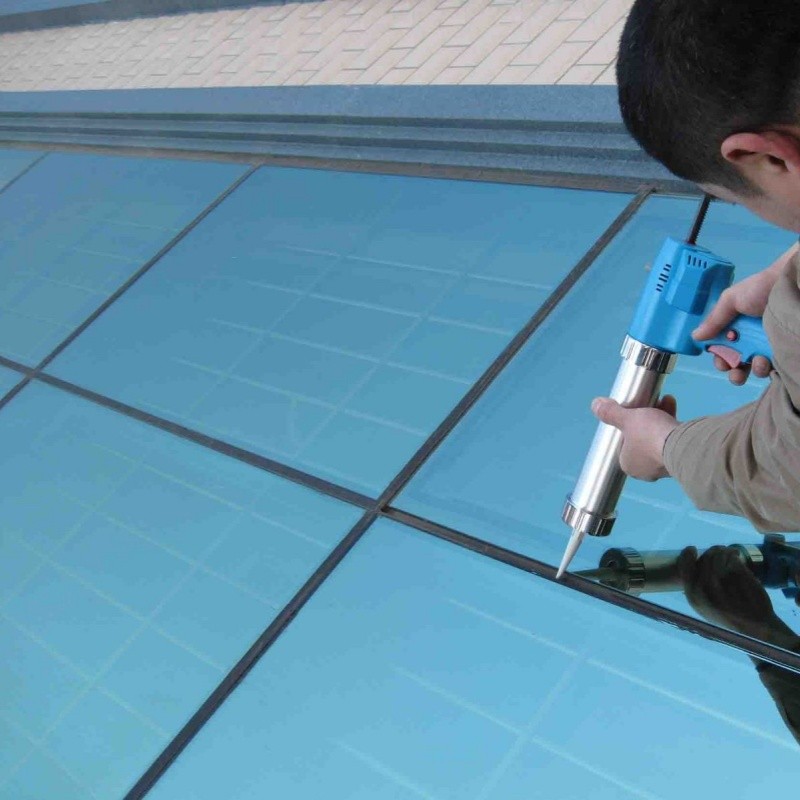
Commercial facades face significant wind loads and structural movement. Our structural glazing silicones and MS polymers provide high tensile strength and elasticity, distributing dynamic loads evenly across the joint and ensuring the integrity of the building envelope.


Technical answers to common questions about formulation selection, application techniques, and bulk procurement.
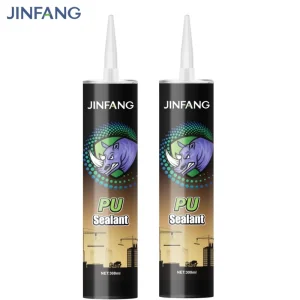
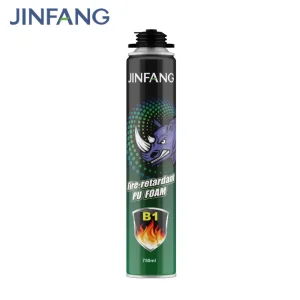
Explore our range of high-performance construction, automotive, and industrial adhesives.
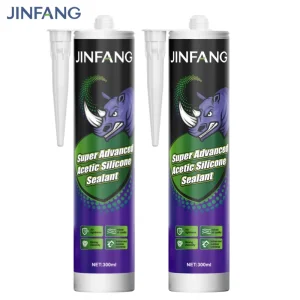
 Jinfang