Explore our premium commercial-grade sealants sourced directly from our advanced Chinese manufacturing facility.
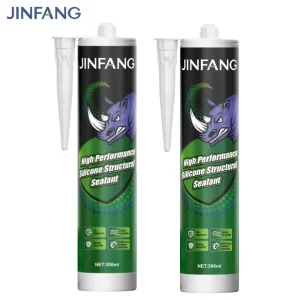
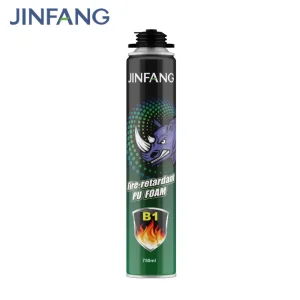
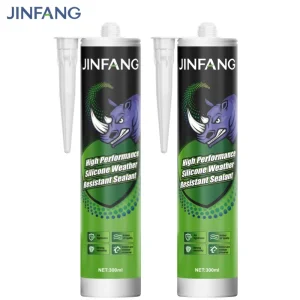
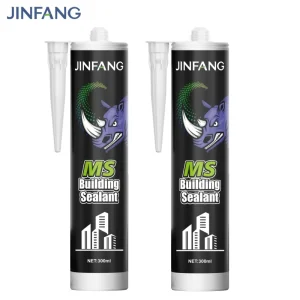
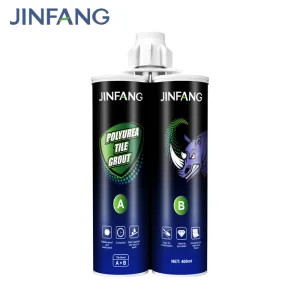
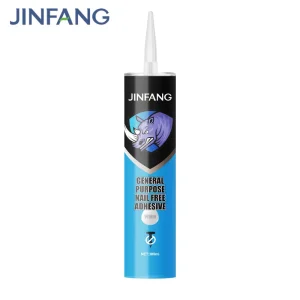
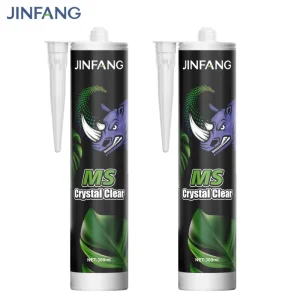
Your Trusted Partner in Advanced Sealing Solutions
Strategically positioned in Shandong Province, a cornerstone of China's heavy industrial manufacturing sector, Shandong Jinfang Adhesive Industry Co., Ltd. stands as a world-class pioneer in the synthesis, formulation, and distribution of premium adhesives and sealants. Built on a foundation of rigorous academic research and advanced engineering, our comprehensive portfolio includes silicone sealants, PU Foam, MS sealants, construction adhesives, tile grouts, and polyurea solutions.
Our state-of-the-art facilities leverage direct research partnerships with prestigious institutions, including Shandong University, Xiamen University, and Linyi University. These collaborative linkages feed a robust continuous pipeline of innovation, bringing top-tier chemical engineering talent to our product design loops and ensuring that our custom-tailored polymer formulations consistently set new benchmarks globally.

Deconstructing the physics of high-movement joint sealing for sustainable architectural engineering.
In polymer physics, modulus represents the ratio of stress to strain. A low modulus silicone sealant requires significantly less force to stretch compared to its medium or high-modulus counterparts. When concrete joints or glass curtain walls expand due to diurnal temperature swings, a low modulus sealant places minimal stress on the substrate bond line, preventing adhesive failure.
Modern structural architectural elements undergo complex joint shifting. Low modulus sealants are designed to meet stringent international standards (e.g., ISO 11600 Class 25LM or ASTM C920 Class 50). This enables the material to comfortably tolerate up to 50% joint expansion and contraction without undergoing cohesive cracking or rupture.
Unlike acidic/acetic sealants, low modulus options utilize advanced neutral alkoxy or oxime curing systems. As they react with atmospheric moisture, they release non-corrosive, chemically inert byproducts. This ensures complete compatibility with sensitive architectural substrates, including galvanized steel, concrete, structural stone, and laminated safety glass.
The global demand for low modulus silicone sealants is experiencing a massive uptick, heavily driven by the green construction boom and high-density urban planning. In modern architectures featuring high-exposure glass curtain walls, lightweight composite panels, and concrete paving, traditional sealing materials are rapidly falling short. Their high stiffness results in early stress fatigue, allowing moisture intrusion that threatens structural integrity.
In North America and Europe, local building codes strictly mandate low VOC emission standards (such as LEED v4.1 and EMICODE EC1 Plus). Concurrently, rapid urbanization across South America, the Middle East, and the Asia-Pacific region presents extreme atmospheric challenges—varying from high UV loads to intense thermal shifts. Premium low modulus silicones offer an average service life of over 30 years, drastically cutting maintenance cycles.
Analyzing specific architectural zones where low modulus technology is non-negotiable.
Exterior concrete panels expand during peak heat and contract in extreme cold. A low modulus formulation provides high elastic recovery, stretching and compression without putting destructive tension on the porous concrete surface. This keeps the internal expansion channels dry and free from decay.
At high elevations, glass window panes and metal panels are subjected to strong wind loads and extreme UV radiation. Jinfang's silicones resist UV degradation and ozone aging, maintaining their structural flexibility and seal integrity under intense atmospheric pressure.
Modular prefabricated panels are assembled on-site and experience micro-movements due to building settling. Our specialized low modulus sealants bridge large joint spaces, allowing panels to shift naturally without compromising the building's overall thermal envelope.
Innovating Sustainable, Next-Gen Sealants
As global regulations move closer to carbon-neutral construction, the chemical profile of adhesives is undergoing a rapid transition. Shandong Jinfang's research roadmap focuses on two primary areas:
Bio-Based Feedstock Integration: We are actively researching the replacement of petroleum-based silicon backbones with sustainable, bio-based alternatives. This transition aims to reduce carbon emissions during manufacturing while maintaining the sealant's physical properties.
Active Self-Healing Polymers: In collaboration with our academic university network, we are developing micro-capsule structures embedded within the silicone matrix. When micro-cracks occur under extreme mechanical strain, the capsules release reactive healing agents to restore sealant performance on-site.
Comprehensive manufacturing capabilities designed for brand owners, distributors, and large-scale industrial projects.
For clients with established product lines or proprietary formulations, we offer high-capacity, standardized manufacturing. Our fully automated packaging lines ensure consistent product quality that matches your specifications.
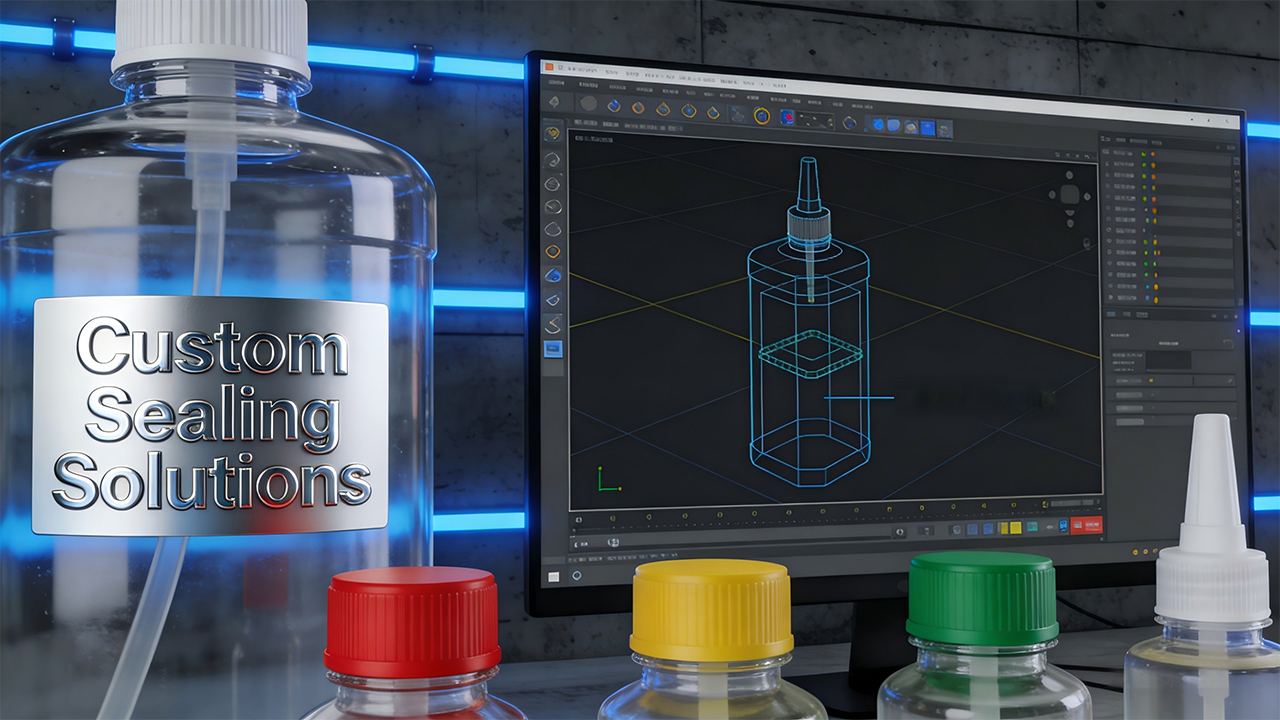
We work directly with your team to formulate and manufacture custom sealants tailored to your target markets. From custom formulation to physical testing and delivery, we provide a complete, one-stop manufacturing solution.
Our chemical R&D team adjusts modulus parameters, curing speeds, thermal profiles, and color options to match your project specifications. We also sign non-disclosure agreements to protect proprietary customer formulations.
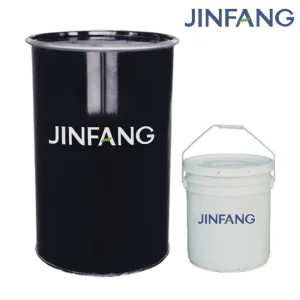
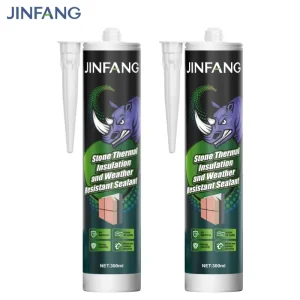
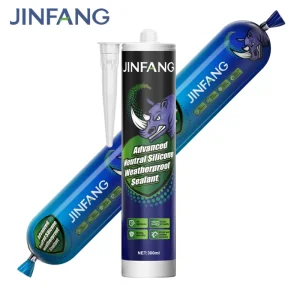
We provide dynamic packaging formats, including 300ml rigid plastic cartridges, 600ml foil sausages, and large bulk drums for industrial dispensing lines. Custom labeling options are available for local regulatory compliance.
We offer direct offset and screen printing on our packaging lines. This produces clear, high-resolution branding, warning icons, and technical barcodes to ensure your product stands out on retail shelves and construction sites.
Get authoritative answers to common technical questions about low modulus silicone sealants.
The primary difference lies in their stress-strain properties. A low modulus silicone stretches under very low force, making it highly flexible and suitable for expansion joints with up to ±50% movement. High modulus silicone is stiffer and provides higher tensile strength, which is ideal for structural glass glazing (OEM/facades) where joint movement is minimal.
Neutral cure silicones release non-acidic byproducts (like alcohols or oximes) during the curing process. This prevents corrosion on metals and will not react with alkaline surfaces like concrete, limestone, or marble, ensuring long-term adhesion without staining or damaging the substrate.
Standard silicone sealants are naturally hydrophobic, meaning paint will bead up and fail to adhere to their surface. If your project requires paintability, we recommend our Modified Silane (MS) Polymer sealants, which combine the weather resistance of silicone with the paint-friendly properties of polyurethanes.
Silicone sealants require atmospheric moisture to cross-link and cure. Low humidity or temperatures below 5°C (41°F) will slow down the curing rate. For optimal application and curing, we recommend applying the sealant at temperatures between 5°C and 40°C, with a relative humidity level of 40% to 70%.
When stored in its original, unopened packaging in dry conditions below 27°C (80°F), our silicone sealants maintain a shelf life of 12 months from the date of manufacture. Please check the batch code printed on each cartridge for reference.
Specialized formulations engineered for commercial builders and heavy industrial applications.
 Jinfang