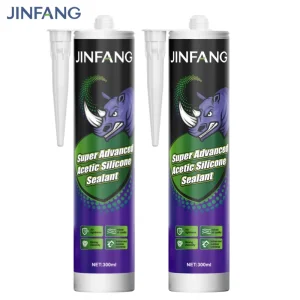
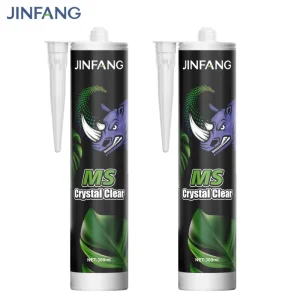
Explore our top-performing formulations, engineered to withstand extreme climates, high mechanical stress, and strict environmental standards.
An authoritative analysis of elastomeric properties, environmental degradation factors, and performance benchmarks in modern engineering.
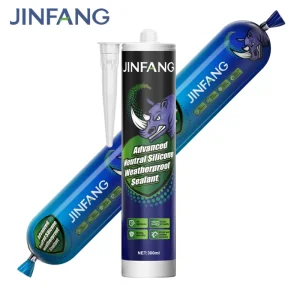
In high-demand industrial and civil applications, the selection of the correct seal chemistry determines structural longevity, safety, and energy metrics. A premium mastic silicone sealant is not merely a joint sealer but a key component in architectural facades, automotive frameworks, and modular cleanroom installations. Designed to yield high elasticity under extreme structural displacement, mastic silicone sealants resist ultraviolet (UV) degradation, thermal cycles, and ozone erosion far better than organic polymers.
At Shandong Jinfang Adhesive Industry Co., Ltd., we integrate chemical research with modern automated production. The global seal market demands formulations that remain flexible down to -50°C and stable up to 150°C, providing structural adhesion that transfers wind loads from glass panes directly to window frame channels. This white paper highlights our technical processes, formulation options, and Chinese supply chain efficiencies for international partners, OEM buyers, and distributors.
Our sealant portfolio uses high-purity siloxane polymers. During room-temperature vulcanization (RTV), the cross-linking agents react with atmospheric moisture to form a siloxane (Si-O-Si) matrix. This chemical bond provides excellent stability against heat, UV radiation, and moisture degradation compared to traditional carbon-carbon based polyurethanes or acrylics.
By partnering with Chinese academic institutions, including Shandong University, Xiamen University, and Linyi University, we maintain a pipeline of research talent. This R&D framework helps us develop specialized formulations, including fire-retardant B1 foams, odorless MS polymers, and high-performance structural sealants.

Selecting the appropriate chemical polymer base for specific mechanical, structural, and environmental conditions.
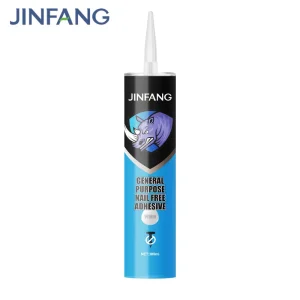
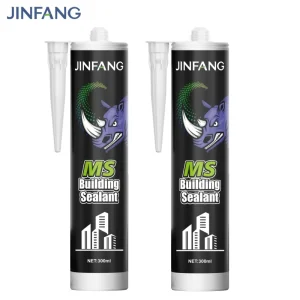
An alkoxy or oxime cure system optimized for porous and non-porous building substrates. Releases non-corrosive byproducts during curing, making it suitable for coated glass, powder-coated aluminum, steel structures, and natural stone facades without causing staining or corrosion.
A fast-curing formulation releasing small amounts of acetic acid during vulcanization. Yields high tensile strength and adhesion to glass, ceramics, and select plastics. Excellent for structural glazing panels, marine environments, and greenhouse assemblies requiring fast curing.
Combines the elasticity of silicones with the paintability of polyurethanes. Isocyanate-solvent-free with low VOC emissions, meeting green building certifications. Highly resistant to UV yellowing and paintable with water-based coatings after curing.
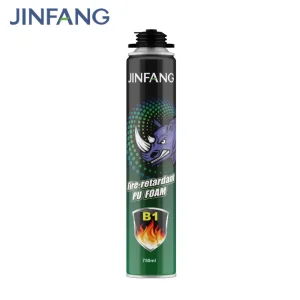
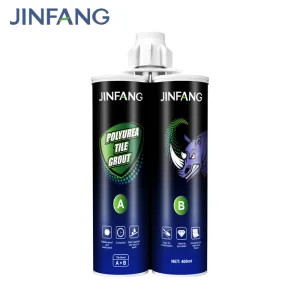
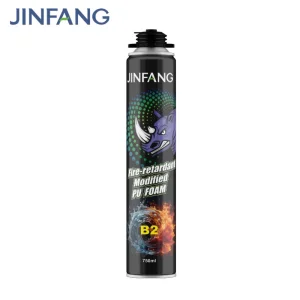
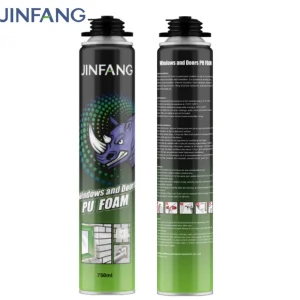
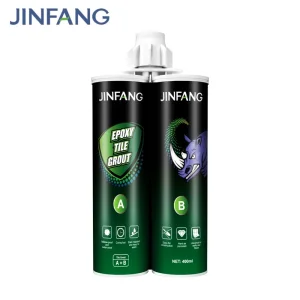
Polyurethane foam sealants formulated for class B1 and B2 fire-retardancy, optimized for thermal insulation and acoustic dampening. Paired with waterproof polyurea and epoxy resin tile grouts for cleanrooms, sanitaries, and wet spaces.
How Jinfang optimizes lead times and maintains product consistency through automated production and integrated raw material sourcing.
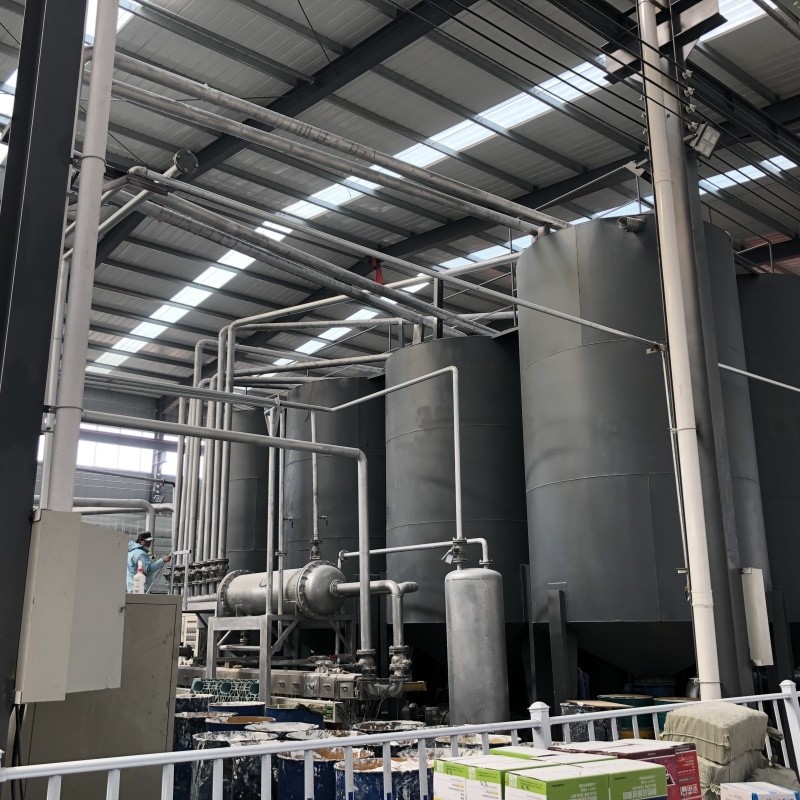
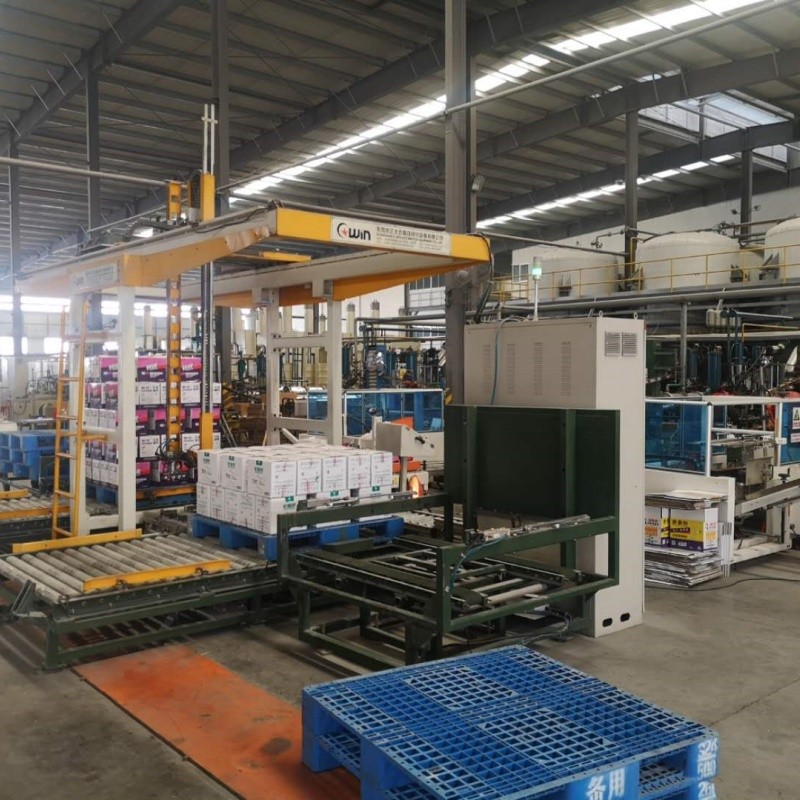
Our manufacturing complex in Shandong integrates raw material preparation, polymer compounding, packaging injection molding, and filling lines. By manufacturing our own plastic cartridges and packaging tubes on-site, we reduce reliance on external suppliers. This integrated system keeps production stable during raw material fluctuations and global shipping challenges.
Our Quality Assurance lab performs batch testing on raw silicone oil, crosslinkers, and fumed silica fillers before processing. Each production lot is checked for curing rate, shore hardness, tensile strength, and extrusion rate. Retained samples are archived for 12 months to ensure traceability and technical support for global clients.
Sealant adaptations designed for specific regional environments, temperature profiles, and local regulations.
Industrial sealant formulations must be adjusted for localized climatic conditions to ensure successful installation and long-term durability:
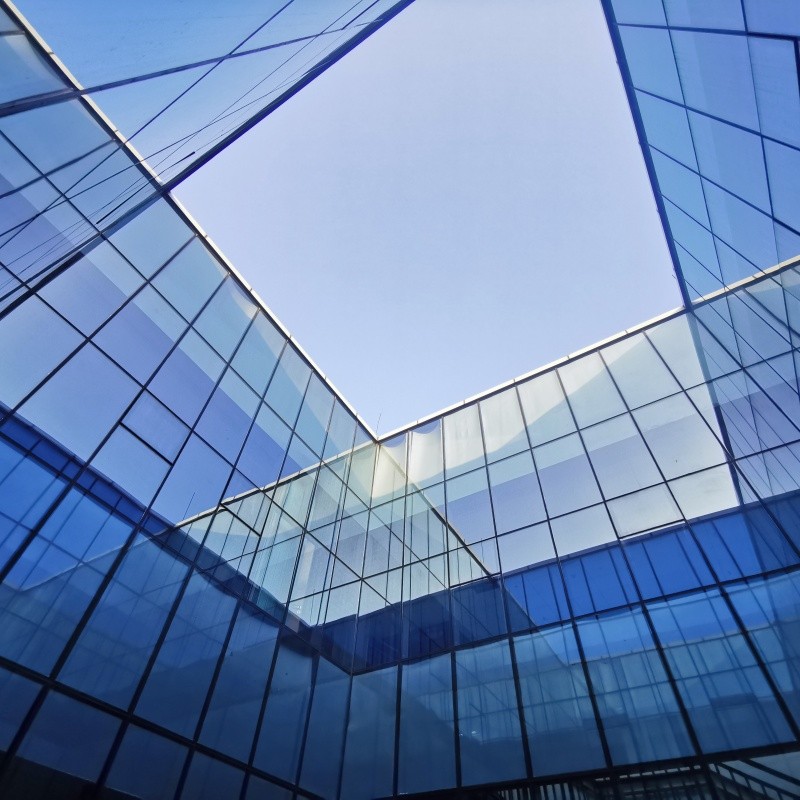
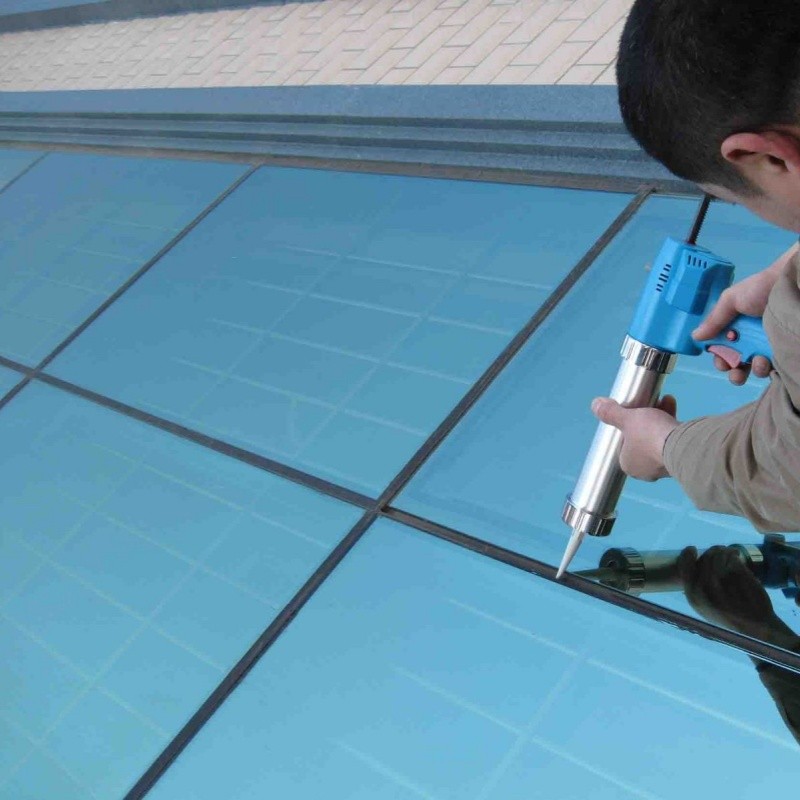
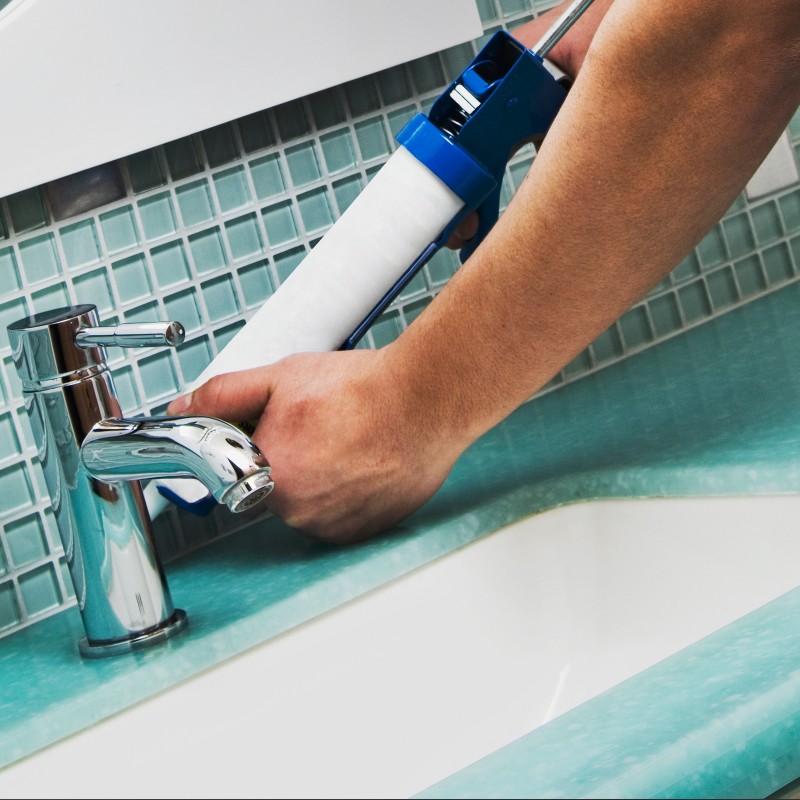
Our mastic silicone sealants are used across several key sectors, including structural glazing systems, cleanrooms, and automotive panel bonding:


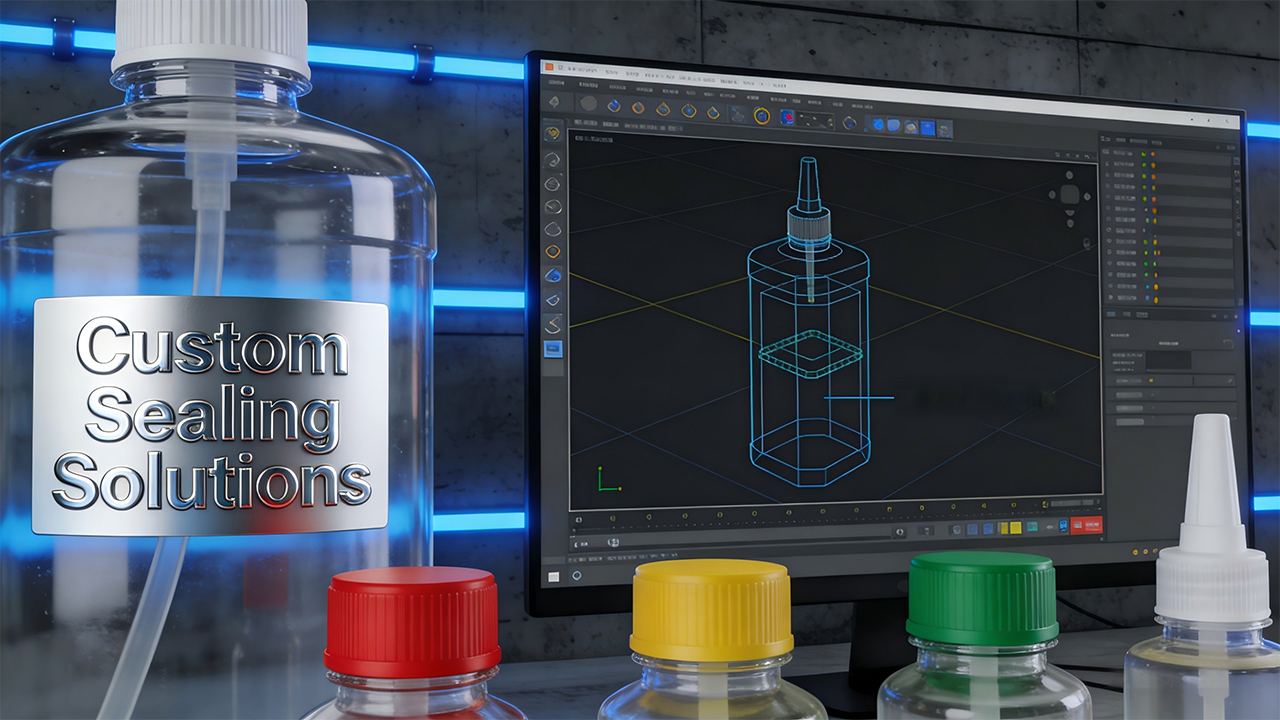
From raw chemistry tuning to localized regulatory packaging, we provide a complete manufacturing platform for private labels.

We configure properties such as viscosity, curing speed, paintability, and flame resistance. In addition to our standard lines, we support contract manufacturing for proprietary formulas under strict confidentiality agreements.

We match sealants to RAL or Pantone systems for specific design aesthetics. This color consistency is useful for curtain walls, architectural metal panels, and modular composite installations.

We support multiple standard and specialized packaging sizes: 280ml, 300ml, and 310ml rigid plastic/aluminum cartridges, 600ml foil sausage packs, and large drums for automated application machinery.

We offer direct container offset printing and high-gloss labeled wrapping. Our lines handle multi-language warning labels, compliance marks, barcoding, and custom branding.
Answers to common technical queries on polymer performance, application guidelines, and bulk procurement.
High-reliability industrial sealants, polyurethane foam compounds, and advanced structural solutions.
 Jinfang