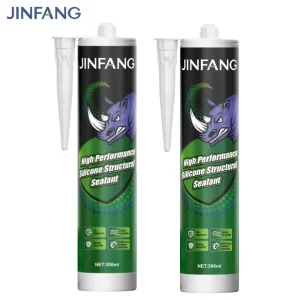
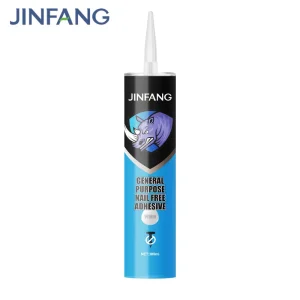
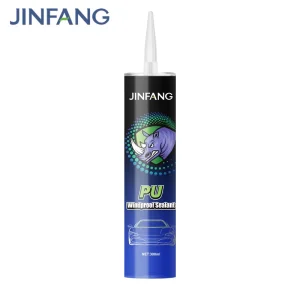
Explore our premium engineering solutions developed for heavy-duty structural glazing, joint sealing, and dynamic load-bearing assemblies across globally recognized infrastructure and manufacturing sectors.
The global construction and manufacturing industries are undergoing a profound paradigm shift. Traditional mechanical fastening systems—such as screws, expansion bolts, and nails—are increasingly being replaced by high-strength, elastomeric structural adhesives. Prominent among these is Nail-Free Glue (liquid nails), which has transformed modern architectural cladding, interior detailing, and automotive panel bonding.
From the perspective of structural integrity, mechanical fasteners create localized stress concentration points, which can induce micro-cracks and accelerate material fatigue over time. Conversely, liquid adhesives distribute dynamic and static loads uniformly across the entire bonding interface. This distribution mitigates joint stress, optimizes vibration damping, and prevents substrate damage, preserving the aesthetic and structural longevity of the installation.
Shandong Jinfang Adhesive Industry Co., Ltd. is situated at the epicenter of China's industrial manufacturing hub. We drive this technical evolution by engineering advanced chemical formulas. Our products serve architectural glazing, drylining, automotive sub-assemblies, and heavy-duty industrial fabrications worldwide, replacing traditional hardware with reliable, high-performance bonding solutions.

As environmental regulations tighten and green building initiatives expand globally, the demand for low-VOC, high-performance structural adhesives has experienced substantial growth.
Tightening regulations globally, such as the EU's REACH compliance and LEED v4.1 certifications, are reshaping chemical manufacturing. Volatile Organic Compound (VOC) limits require a transition from solvent-borne formulations to eco-friendly, water-based, and Silane-Modified (MS) polymer bases.
Modern construction emphasizes efficiency and rapid cycle times. Off-site modular construction relies heavily on high-green-strength (instant grab) adhesives to bond drywalls, wall claddings, and subfloors instantly, skipping the curing delays associated with traditional concrete mortaring.
Modern industrial design often joins materials with different coefficients of thermal expansion (e.g., bonding aluminum profiles to concrete walls, or composite plastics to steel frames). Elastic nail-free adhesives provide the flexibility required to absorb shear stresses without joint failure.
Depending on the specific architectural or industrial application, selecting the appropriate chemical base is critical to long-term performance. Below is a comparative analysis of the primary structural adhesive systems in the market:
| Adhesive Chemistry | Tensile Shear Strength | VOC Emissions | Substrate Versatility | UV & Weather Resistance | Ideal Application Scenario |
|---|---|---|---|---|---|
| Solvent-Based Synthetic Rubber | High (Initial Grab) | High | Moderate (Fails on polystyrene) | Moderate | Heavy timber framing & outdoor subfloors |
| Water-Based Acrylic | Moderate | Extremely Low | High (Porous materials) | Low (Indoor only) | Interior decorative molding, trim, plasterboards |
| Polyurethane (PU) | Very High | Low | High (Concrete, stone, metals) | High (Requires painting/protection) | Structural joints, concrete masonry facades |
| MS Polymer (Modified Silane) | Extremely High | Virtually Zero | Excellent (All substrates, wet or dry) | Excellent | High-end glass cladding, marine sealing, cleanrooms |
Our manufacturing processes are backed by rigorous quality control standards and academic collaborations. By partnering with leading research institutes, including Shandong University, Xiamen University, and Linyi University, we integrate advanced polymer chemistry into our production lines.
This collaborative framework allows us to recruit top-tier chemical engineering talent and accelerate the development of high-performance formulations. Every production run undergoes automated batch analysis, testing tensile shear strength, elongation at break, VOC output, and thermal degradation profiles.
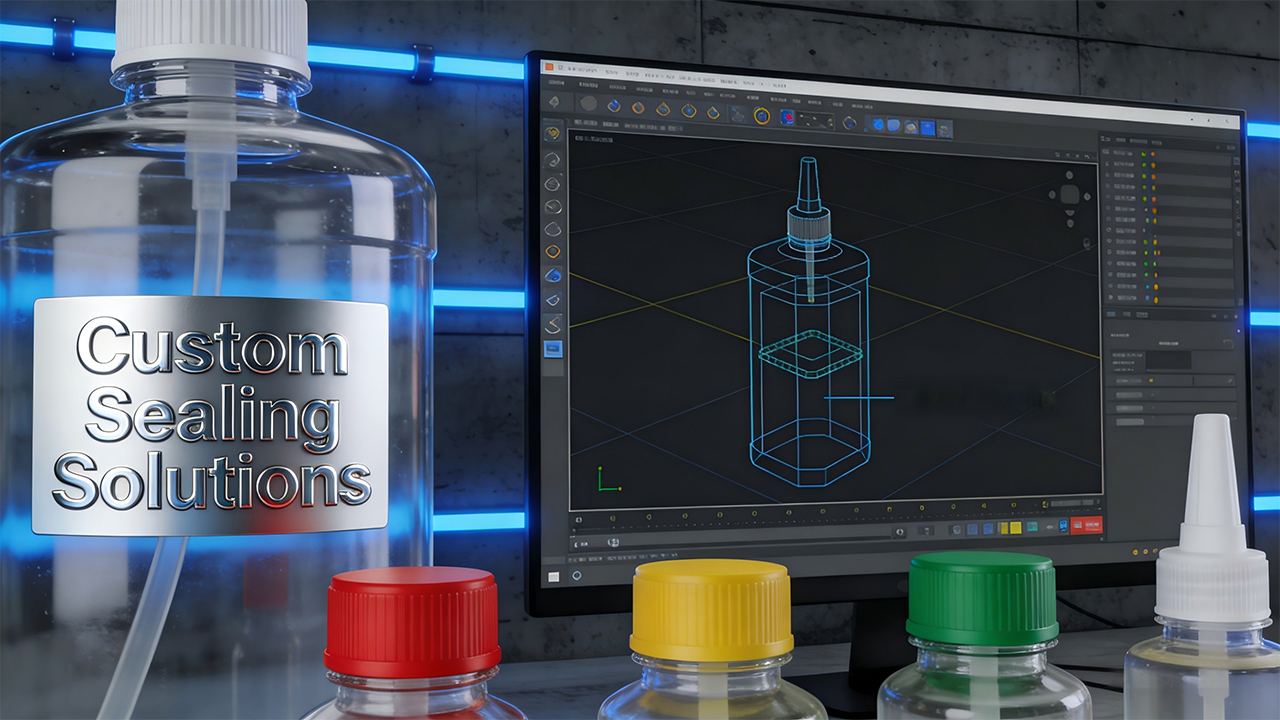
We provide professional OEM and custom formulation services tailored to the specific needs of global distributors and engineering firms.
Adjusting cure speed, viscosity, and temperature tolerance to suit your regional climate.
Offering sausage packs, plastic cartridges, or bulk pails customized with your branding.
High-resolution offset or screen printing for product identification and safety labeling.
Subjecting each custom batch to rigorous testing to verify conformance to specification sheets.
Coordinating containerized shipping with streamlined customs processing to ensure prompt delivery.
In commercial construction, our nail-free glues and structural sealants are designed to meet demanding performance criteria. Key applications include:
Modern automotive assembly utilizes chemical bonding to improve structural performance and passenger comfort. Our products deliver:
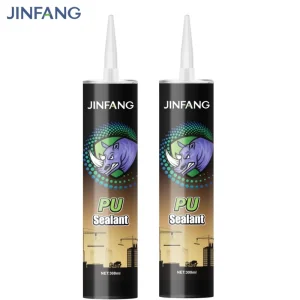
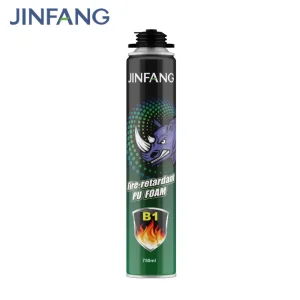
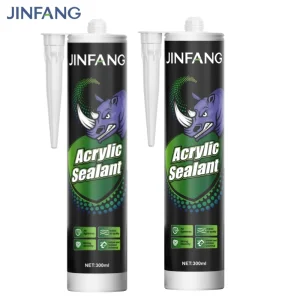
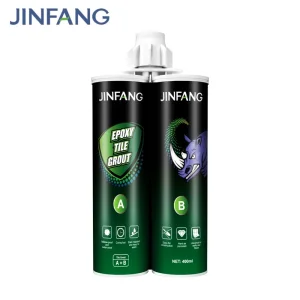
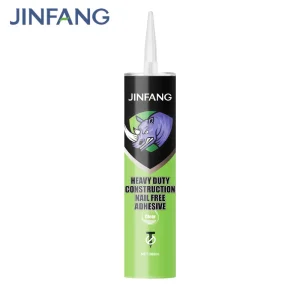
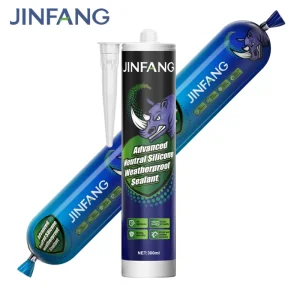
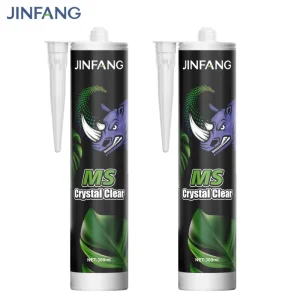
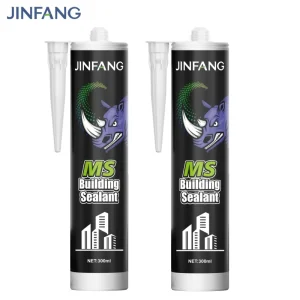
We offer a comprehensive range of silicones, hybrid sealants, and construction adhesives designed to meet specific engineering criteria.
Key considerations for selecting, applying, and storing heavy-duty chemical bonding systems.
The initial skin-formation (or "tack-free") time ranges from 5 to 15 minutes, depending on ambient temperature and relative humidity. A full cure is typically achieved within 24 to 48 hours for standard joints. During this period, the adhesive develops its complete cross-linked polymer network, reaching its maximum rated shear capacity.
Our premium MS Polymer (Modified Silane) nail-free formulations are engineered to bond to wet and damp substrates. Unlike traditional solvent-borne systems that fail in the presence of moisture, MS polymers cure via moisture reaction and maintain adhesion even under underwater conditions.
We operate fully automated manufacturing plants with computerized dosing of raw materials. Each batch undergoes rigorous laboratory screening, including thermal aging chambers, tensile strength testers, and gas chromatography to verify VOC levels. This process ensures consistent performance across all global shipments.
Stored in cool, dry conditions (+5°C to +25°C) in their original unopened packaging, our sealants and adhesives typically have a shelf life of 12 months. Special packaging options, such as multi-layer aluminum lining, help protect reactive PU and MS sealants from moisture during long-distance maritime transport.
 Jinfang