A comprehensive analysis of curing kinetics, regulatory changes, and manufacturing advancements in the global wood bonding sector.
In modern industrial manufacturing and building construction, wood adhesives are no longer considered mere consumables. They have transitioned into structural polymers that determine the life-span, mechanical load capacity, and ecological footprint of the final assemblies. As global demand scales for engineered wood products (EWP) such as Cross-Laminated Timber (CLT), Glued Laminated Timber (Glulam), and high-density fiberboards, the requirements placed on quick drying wood glue formulation have intensified. Structural efficiency demands fast green strength development, while international green building codes mandate near-zero VOC emissions.
Historically, standard Polyvinyl Acetate (PVAc) emulsions served as the baseline for wood-to-wood joinery. However, modern assembly lines operating with continuous hot pressing or high-frequency (HF) curing systems require advanced chemical alterations. Today’s industrial quick-curing wood glues are synthesized using cross-linking polymers, custom-formulated polyurethanes (1K/2K PU), and modified silane polymers. These systems drastically shorten clamping cycles from hours to minutes, or even seconds, optimizing manufacturing efficiency and allowing factories to scale throughput without expanding their physical footprint.
Utilizing high-performance polymeric cross-linking agents to trigger rapid polymerization under ambient moisture or thermo-compressive activation.
Formulated to meet EN 204/205 test requirements, providing industrial resistance against continuous water exposure and extreme heat cycles.
Zero-formaldehyde and ultra-low VOC formulations designed to comply with green building initiatives, LEED credits, and European REACH regulations.
Engineered rheological properties that minimize squeeze-out waste, lower consumption metrics, and limit equipment maintenance downtime.
At Shandong Jinfang Adhesive Industry Co., Ltd., scientific innovation serves as our foundational pillar. Rather than relying on static, legacy chemical formulations, we maintain collaborative research partnerships with top-tier academic institutions in China, including Shandong University, Xiamen University, and Linyi University. This dynamic combination of academic chemistry and industrial engineering allows us to continuously optimize the molecular weight distribution, tackifying resin ratios, and emulsion stabilization of our adhesives.
Our quick-drying wood glue formulations leverage cross-linking networks that activate under pressure. For instance, our PVAc-based adhesives incorporate proprietary metal-organic crosslinkers that construct a dense, three-dimensional polymer network during the water-evaporation phase. This transition enhances the glue line's water resistance from D2 up to D3 and D4 specifications without adding toxic formaldehyde. In industrial operations, this chemistry reduces clamp times by up to 40% compared to conventional polyvinyl acetate adhesives.

Analyzing the challenges faced by international industrial buyers in sourcing reliable, high-performance adhesive systems.
Procurement departments in multinational furniture manufacturers, pre-fabricated housing constructors, and automotive suppliers face a multi-faceted challenge: balancing product performance with regulatory compliance and supply chain security. Adhesives are critical path materials; a delay in adhesive supply or a failure in bond strength can instantly halt production lines or trigger product recalls.
In regions such as North America and the European Union, compliance with stringent environmental standards is non-negotiable. Sourcing agents require documentation confirming low formaldehyde emission ratings (such as CARB Phase 2, EPA TSCA Title VI, or European E1/E0 classifications). Simultaneously, logistics managers require reliable lead times and robust packaging that can withstand trans-continental shipping stresses, temperature fluctuations, and long-term storage without settling or degradation.
Strategically located in the industrial heart of Shandong Province, Shandong Jinfang Adhesive Industry Co., Ltd. represents the integration of modern chemical synthesis and automation. Our automated production ecosystem ensures precision across every phase—from raw material feeding and polymerization reactors to inline viscosity control, automated tube molding, packaging, and sorting.
This automated approach minimizes human error, yielding consistent batch-to-batch viscosity, solid content, and pH. With a reliable supply chain backed by major raw material producers, we offer stable pricing and shorter lead times. Our logistics department guarantees average order-to-shipment intervals of just 15 days, minimizing the storage footprint for our global partners.
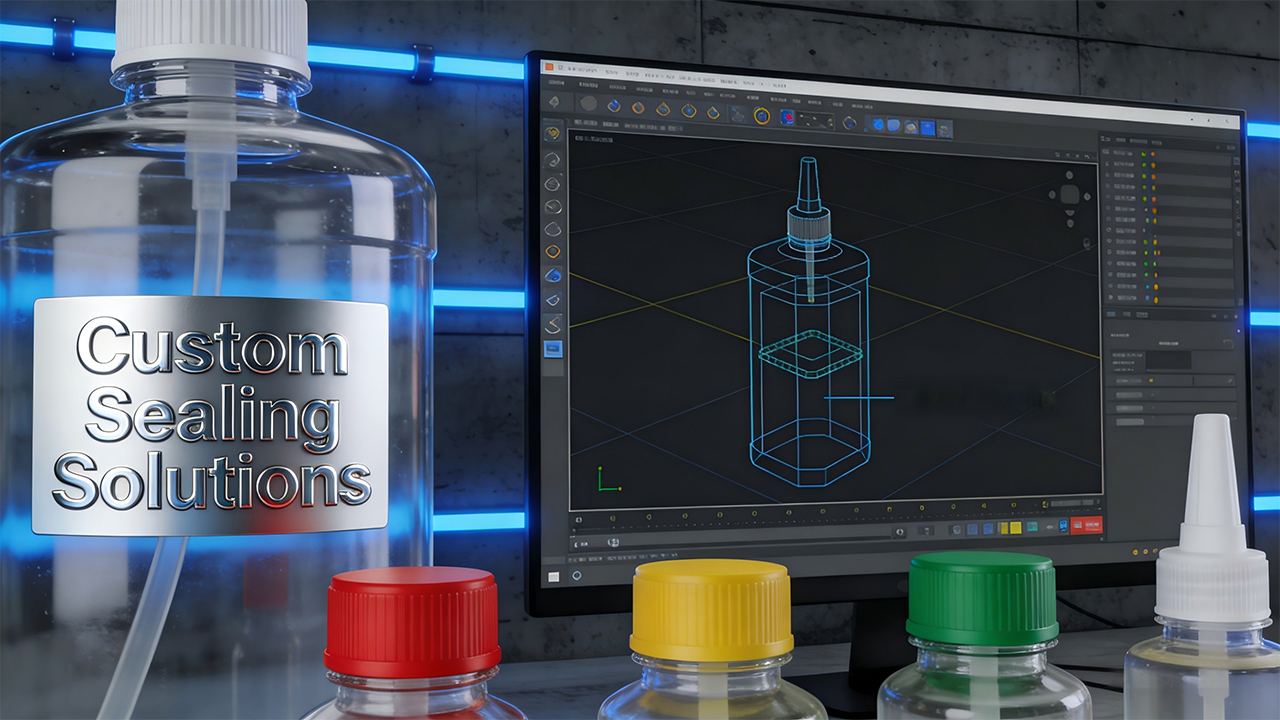
Providing custom packaging, chemical formulations, and industrial solutions tailored to your unique requirements.
Modifying viscosity, open time, dry time, and thermal performance to match your local production environment and wood types.
Offering options from 300ml cartridges and squeeze bottles to 20kg pails, 200L drums, and 1000L IBC totes for large industrial lines.
Delivering high-definition screen printing and label application to match brand guidelines for retail or industrial distribution.
Optimizing bonding solutions across various wood species, environmental conditions, and manufacturing methods.
Providing high initial green strength and short press cycles to eliminate panel slippage in oak, maple, and walnut laminations.
Featuring low viscosity and self-leveling properties for consistent wet-out inside dowel holes and along finger-joint surfaces.
Formulated to prevent bleed-through on thin veneers and provide thermal resistance during hot-press cycles.
Delivering weather-resistant bonds for windows, doors, and garden furniture exposed to climatic cycles and moisture.
Addressing common queries from procurement specialists, chemical engineers, and industrial wood processors.
These classifications are defined by the European Standard DIN EN 204. D3 wood glues are suitable for interior areas with frequent short-term exposure to water or high humidity, and exterior areas protected from weather. D4 wood glues are structural adhesives designed for interior areas with regular, long-term exposure to running or condensed water, and exterior areas exposed to weather, provided they have a protective surface coating.
The ideal wood moisture content for gluing is typically between 6% and 10%. If the moisture content is too high, the absorption of water-based PVAc glue is delayed, extending the required clamp time and potentially weakening the bond. Conversely, extremely dry wood can draw moisture out of the adhesive too quickly, preventing proper penetration and leading to a weak joint.
Yes. Open assembly time and cure speed are temperature-dependent. For factories in hot or dry climates, we modify our formulations by adding slow-evaporation agents to prevent premature skin formation, ensuring complete wetting of the wood fibers before pressure is applied.
Our products comply with REACH regulations, RoHS directives, and major international environmental standards. We prioritize raw materials that are free from SVHCs (Substances of Very High Concern) and maintain low-emission profiles.
 Jinfang