Explore our premium product portfolio designed for extreme environmental durability, safety standards, and optimal physical properties.
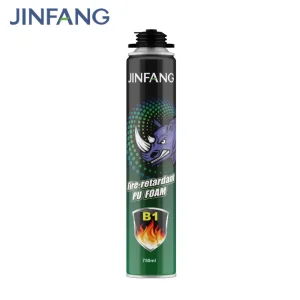
Engineered for high performance and fire safety in construction factories, delivering outstanding insulation and structural integrity.
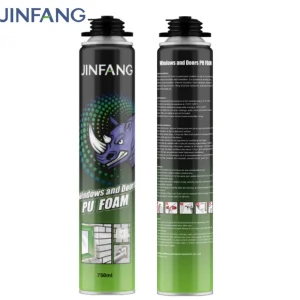
Optimized for window and door installation sealing. Provides exceptional acoustic protection and thermal isolation.
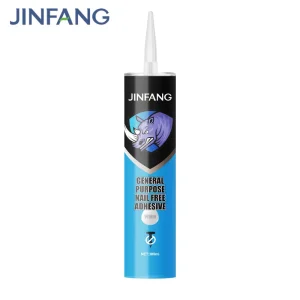
High-strength bonding compound for general construction, heavy panels, and dry interior finishing applications.
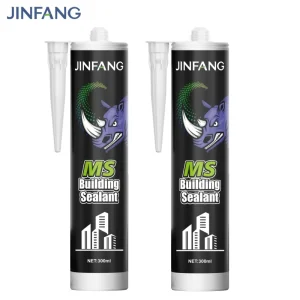
Advanced Modified Silane formulation providing elastic joint sealing, UV stability, and zero isocyanates.
Specially formulated for high-movement joints, facade panels, and exterior structural expansion joints.
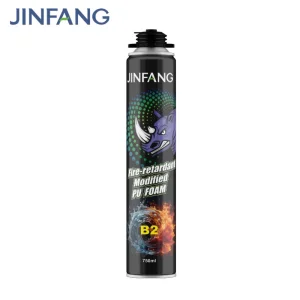
Complies with rigorous European B2 fire certification standards for partition walls, pipe crossings, and cavities.
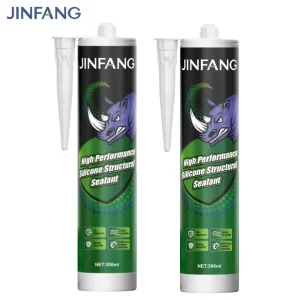
Fast-curing architectural sealant optimized for heavy structural glazing, glass curtain walls, and facade frames.
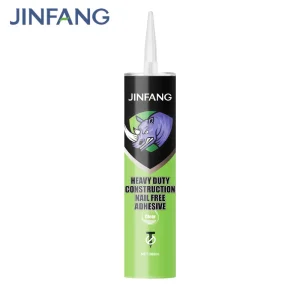
Rapid-curing, solvent-free mounting adhesive ensuring extreme hold and permanent bond on diverse building substrates.
RTV (Room Temperature Vulcanizing) silicone sealants have become structural pillars in modern manufacturing, aerospace engineering, automotive assembly, and smart building facades. Formulated primarily through the polycondensation or addition-curing of liquid polydimethylsiloxanes (PDMS), RTV-1 (one-part) and RTV-2 (two-part) systems undergo chemical cross-linking triggered by atmospheric moisture or internal catalysts, transitioning from an extrudable paste to a highly resilient elastomeric seal.
The global industrial adhesive sector is experiencing a paradigm shift. End-users are transitioning from legacy mechanical fastening methods toward high-performance polymeric solutions. The major drivers are:

How technical procurement leads, QA engineers, and industrial distributors source RTV Silicone Sealants.
Buyers focus deeply on mechanical profiles: Tensile Strength (MPa), Elongation at Break (%), Shore A Hardness, Tack-Free Time, and Extrusion Rates. Neutral alkoxy and oxime formulations are continuously favored over acetoxy systems for non-corrosive concrete, glass, and metal interfaces.
Global architectural systems demand strict certification. Products must carry testing credentials from recognized organizations including ISO 9001 (Quality Management), ISO 14001 (Environmental Standards), CE markings, ASTM C920 standards, and specialized fire-safety certifications (e.g., DIN 4102 B1/B2).
Beyond the unit cost, procurement executives analyze the Total Cost of Ownership (TCO). This encompasses lead times, freight security, custom formulation viability, shelf-life stability during long-distance shipping, and direct access to production-level technical assistance.
Shandong Jinfang Adhesive Industry Co., Ltd. leads the integration of chemical synthesis, automation, and R&D partnerships.
Shandong Jinfang Adhesive Industry Co., Ltd. stands as a premier R&D manufacturer in Shandong Province—the core chemical industrial cluster of China. By leveraging proximity to primary upstream silicone monomers, Jinfang bypasses typical supply chain bottlenecks, yielding significant cost efficiencies and continuous production stability.
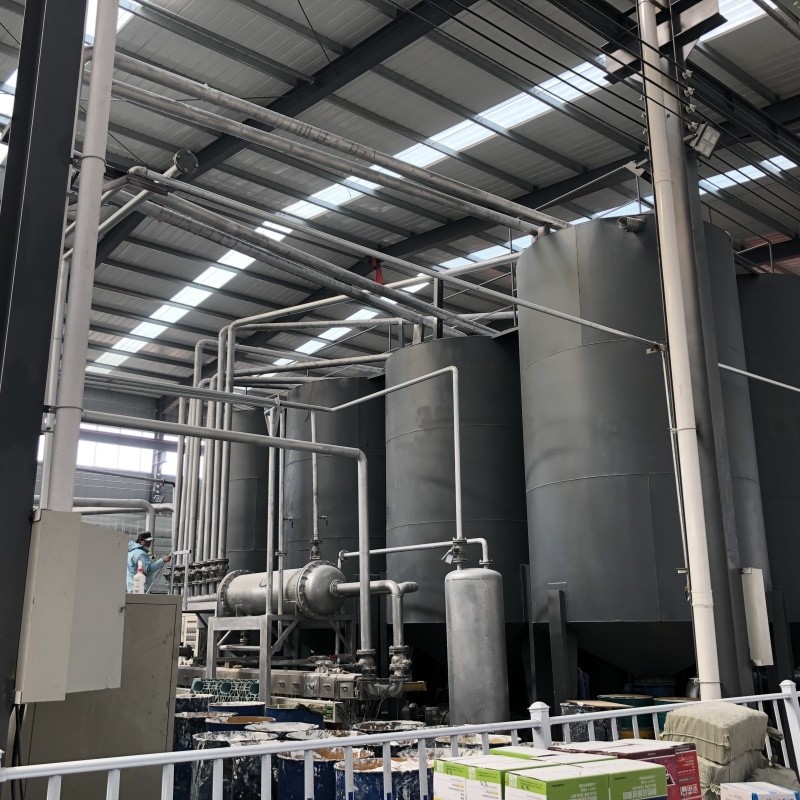
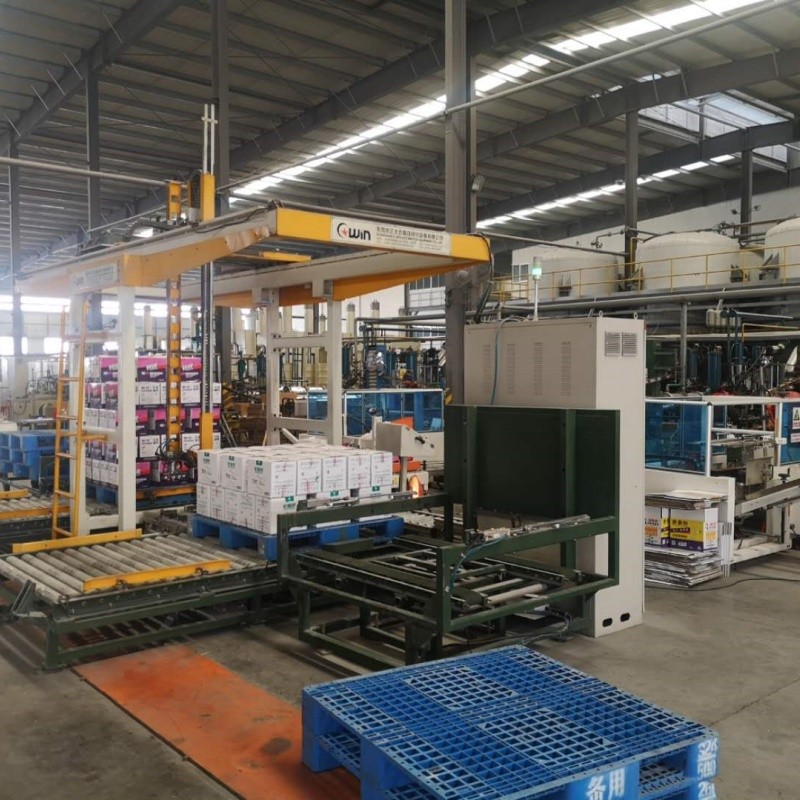
Our facility operates on an intelligent, fully integrated manufacturing model. From automated computerized dosing of base polymers, cross-linkers, and reinforcement fillers (such as fumed silica), through planetary vacuum mixers, to high-speed cartridge filling and packaging lines, we eliminate human error, ensuring batch-to-batch consistency.
Academic Synergy & Research Alliances: Continuous technological improvement is supported by deep research partnerships with leading Chinese academic institutions, including Shandong University, Xiamen University, and Linyi University. These partnerships facilitate advanced polymer characterization, accelerated aging testing, and the development of next-generation MS polymer and RTV silicone formulations.
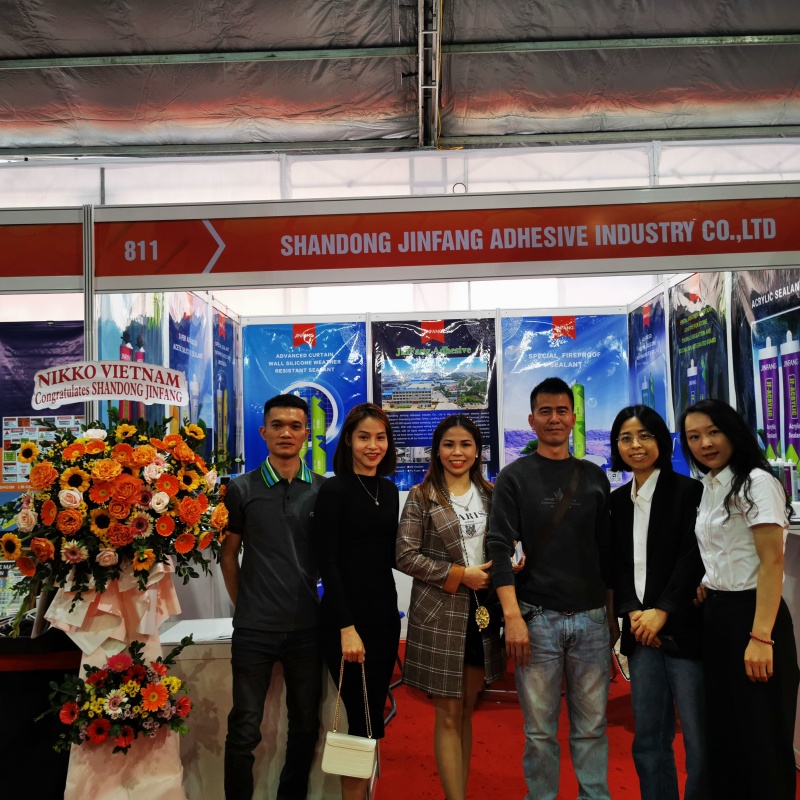
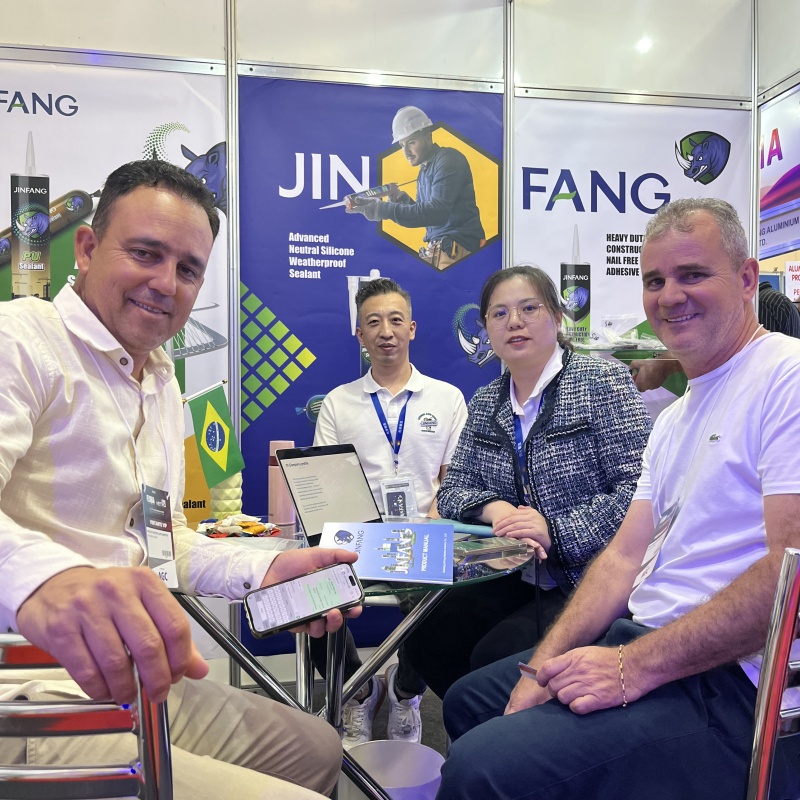
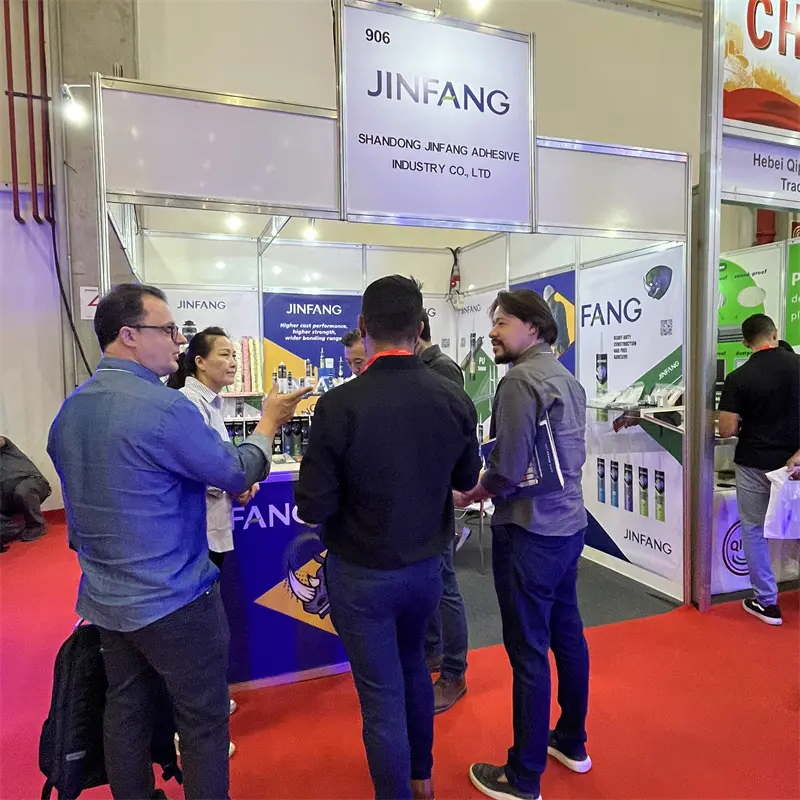
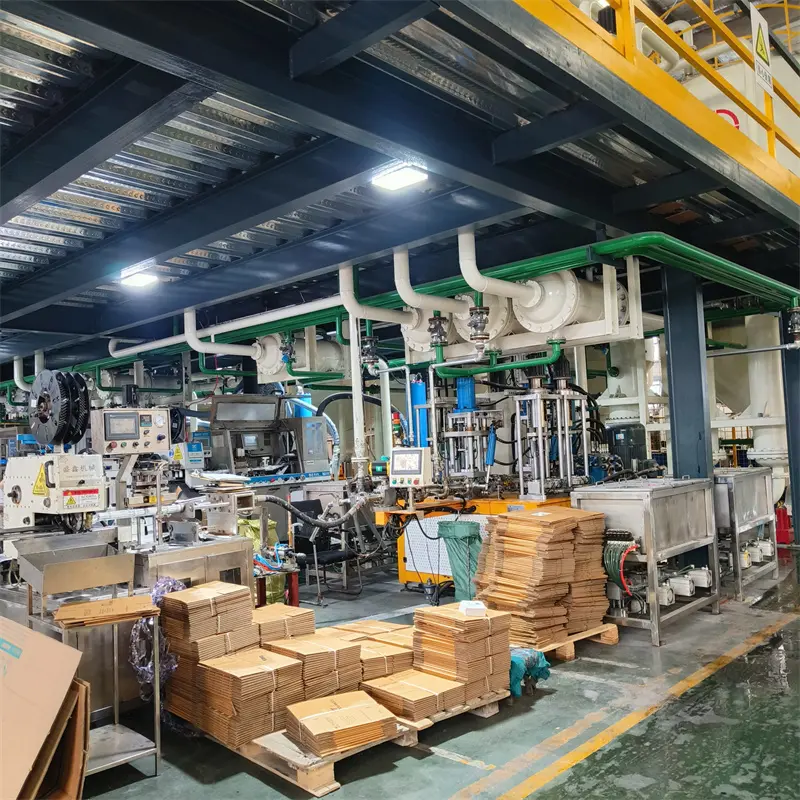
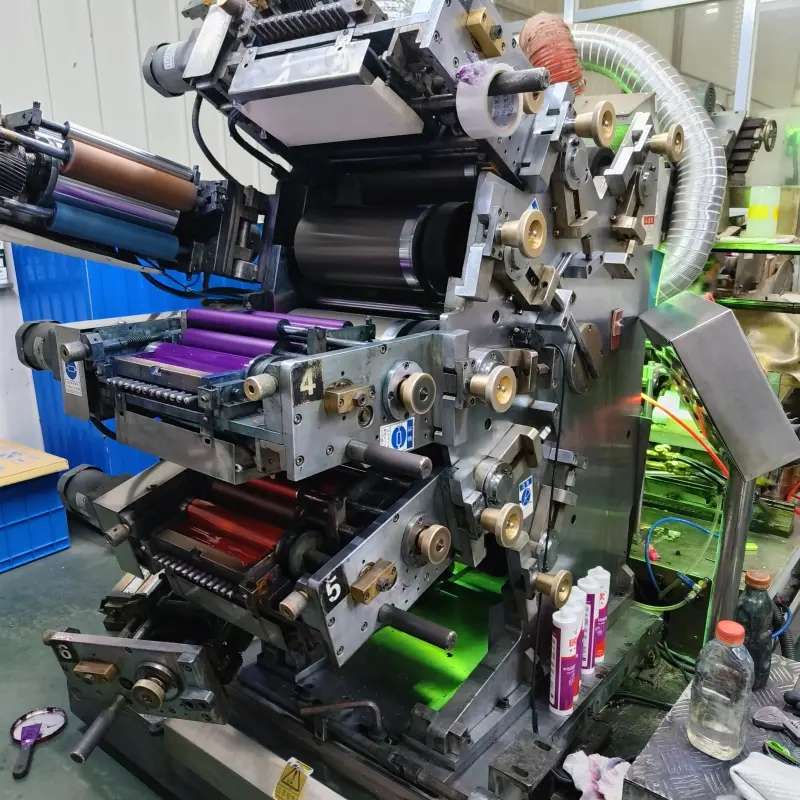
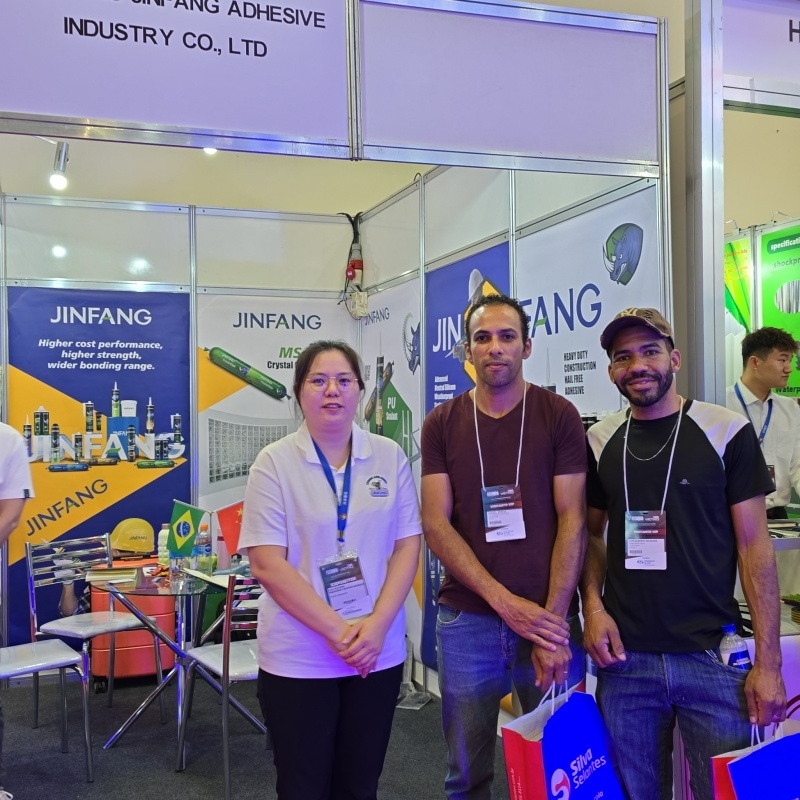
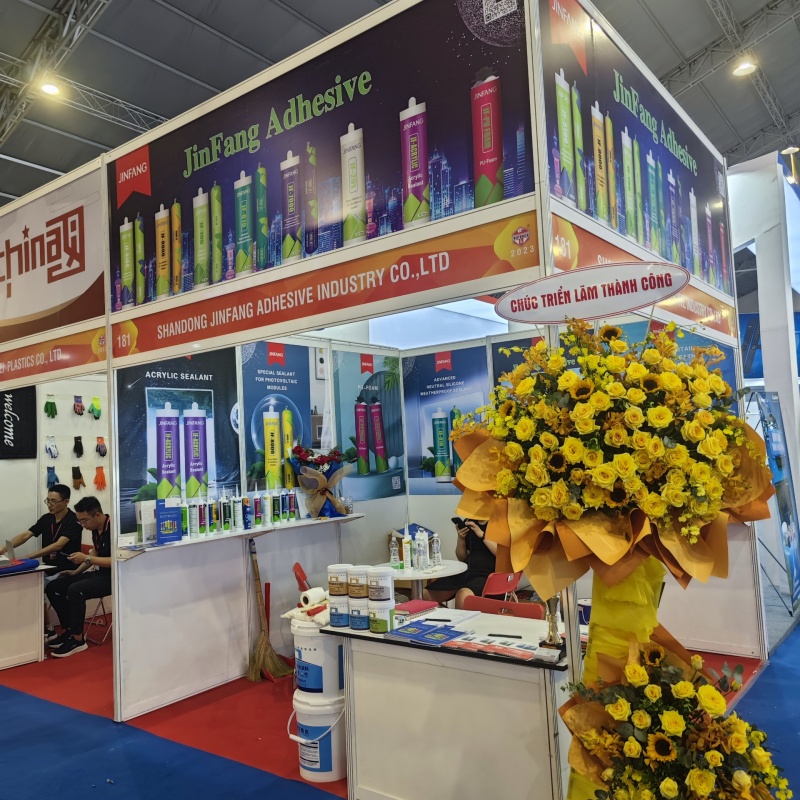
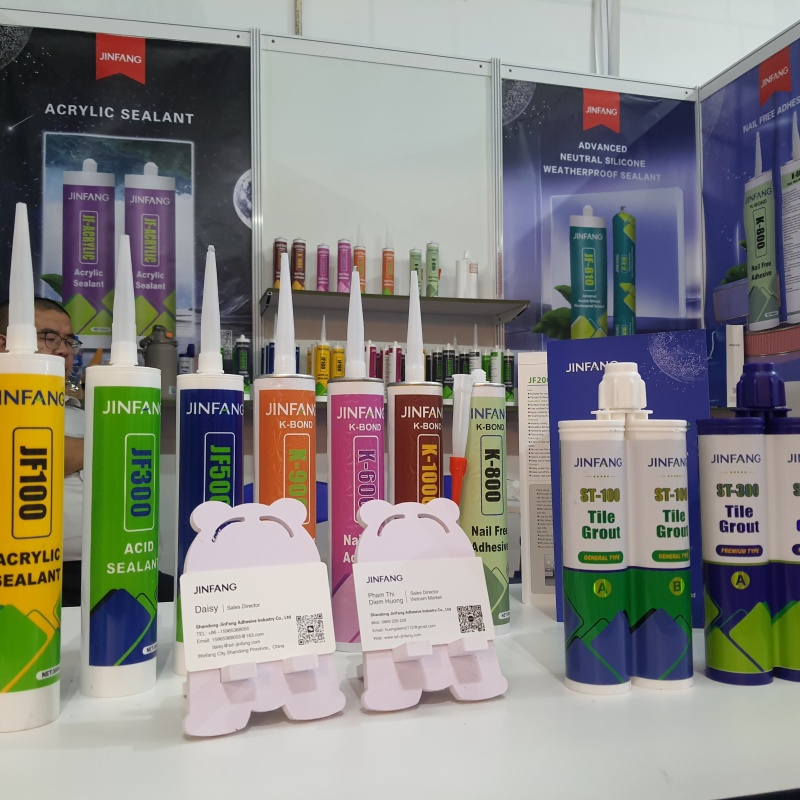
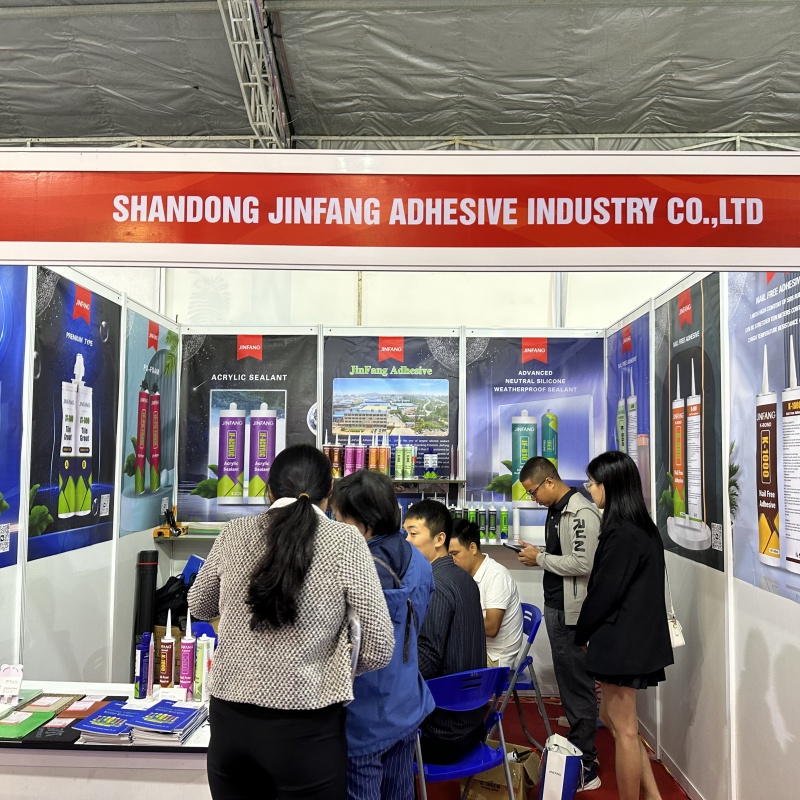
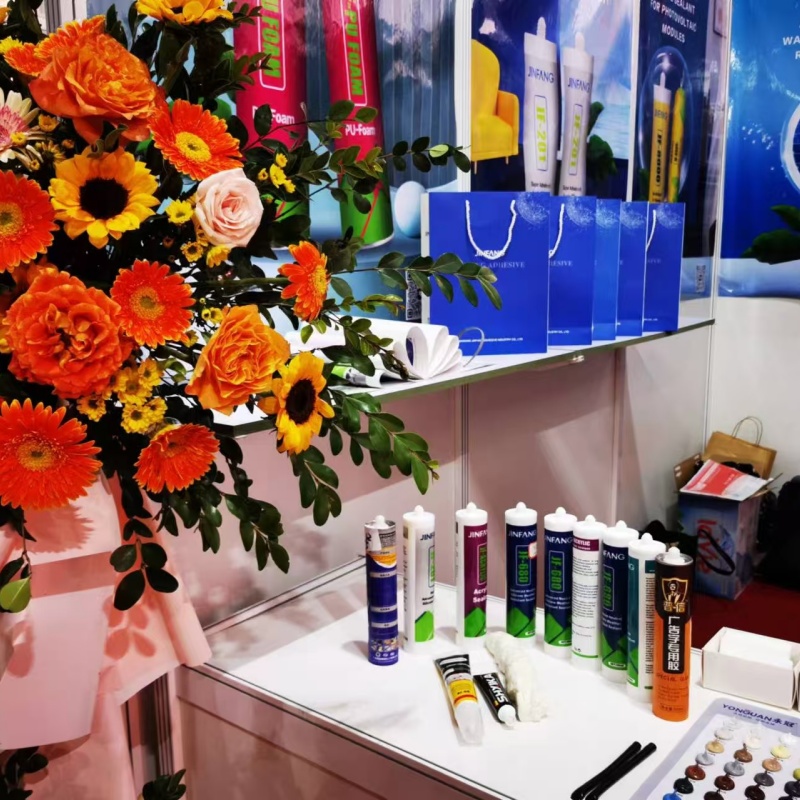
Exceptional weatherability, temperature resistance, elasticity, and adhesion adaptability across diverse industrial fields.



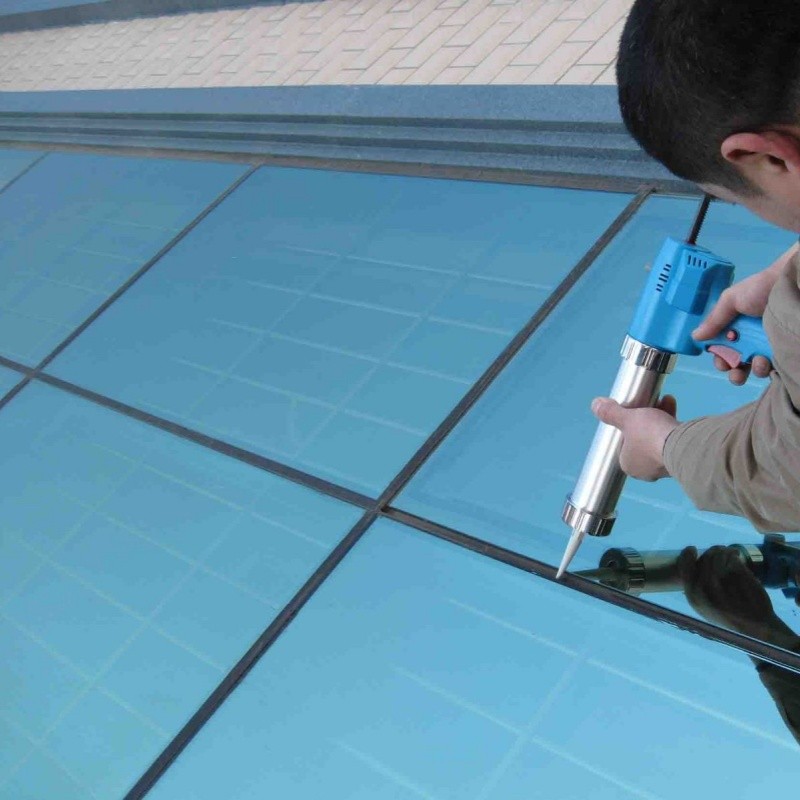
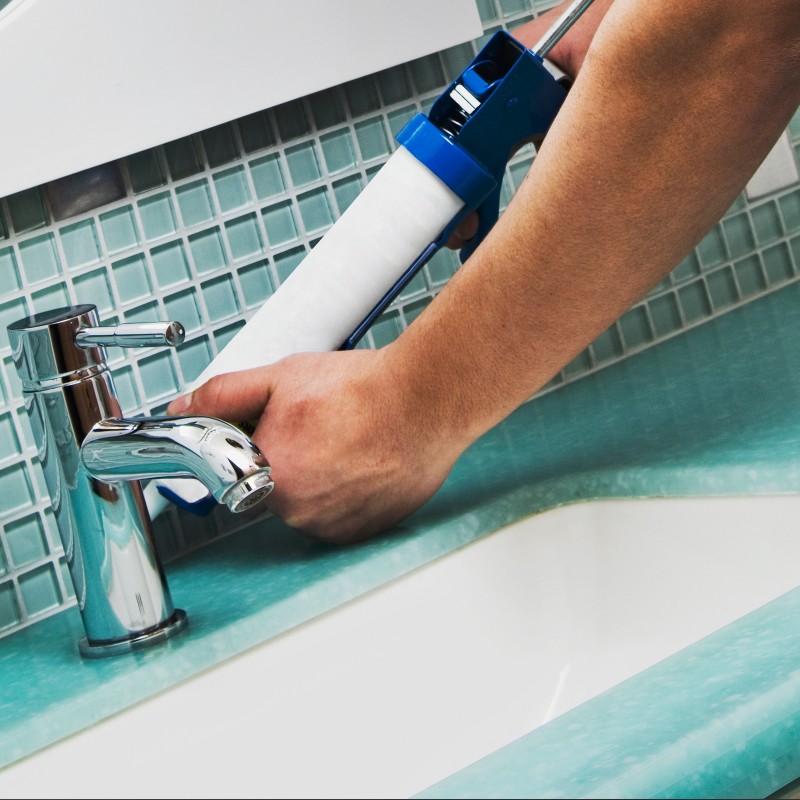
For curtain walls, high-rise building facades, and skylights, our structural silicone sealants provide long-term UV resistance, thermal isolation, and structural load transfer. They are designed to withstand high dynamic wind loads and seismic shear forces without losing adhesion or elastic memory.
In the automotive sector, RTV sealants serve as form-in-place gaskets (FIPG) and cured-in-place gaskets (CIPG). They offer exceptional resistance to transmission fluids, engine oils, and cooling fluids. Within power electronics and electric vehicle (EV) battery packs, specialized silicone formulations provide damp-heat resistance, electrical insulation, and critical flame-retardant barriers.
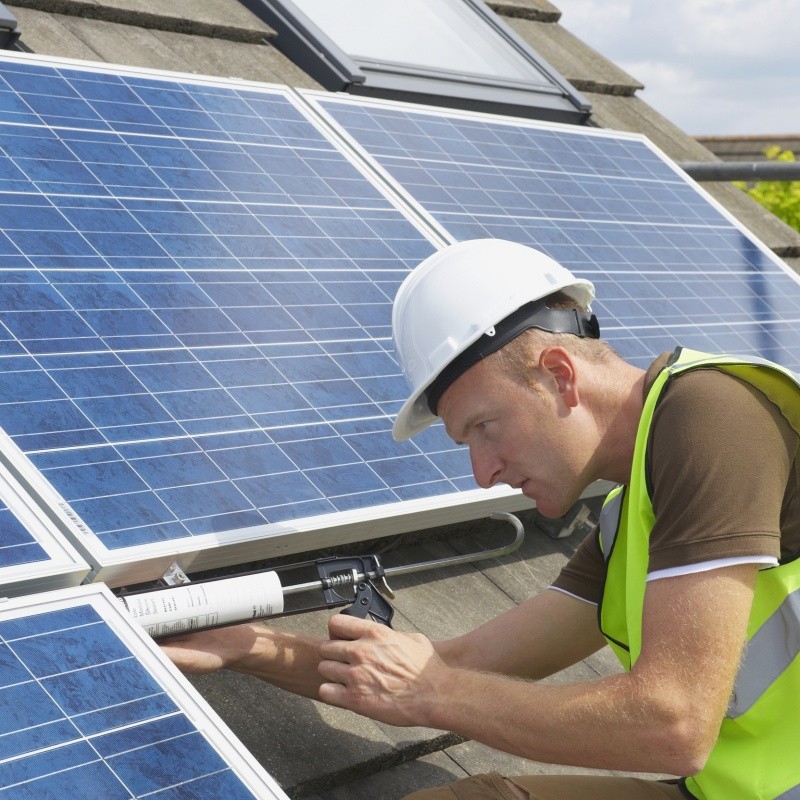
We supply specialized formulations to original equipment manufacturers (OEMs) for solar panel framing, HVAC ducting, cold-room refrigeration panels, and sanitary applications. Each formula is adjusted for ideal viscosity, tack-free parameters, and mechanical properties.
How Jinfang translates custom requirements into high-volume, reliable industrial solutions.

For established brands and regional distributors, we deliver complete private-label services. We manufacture and package to your exact product specifications, enabling rapid market entry with low overhead costs.

Adjusting cure rates, rheology, shore A hardness, heat conductivity, color matching, and flame-retardant properties. Our technical team works directly with your engineers to develop optimal formulations for complex applications.

We supply in diverse packaging options including standard plastic cartridges (300ml), aluminum foil sausages (590ml/600ml), and bulk pails (20L/200L). All pack designs are optimized for long-term shelf stability and efficient container logistics.

We provide advanced offset and screen-printing technologies directly on our cartridges. Our design team supports the formatting of localized warning labels, barcodes, and safety instructions in multiple languages.
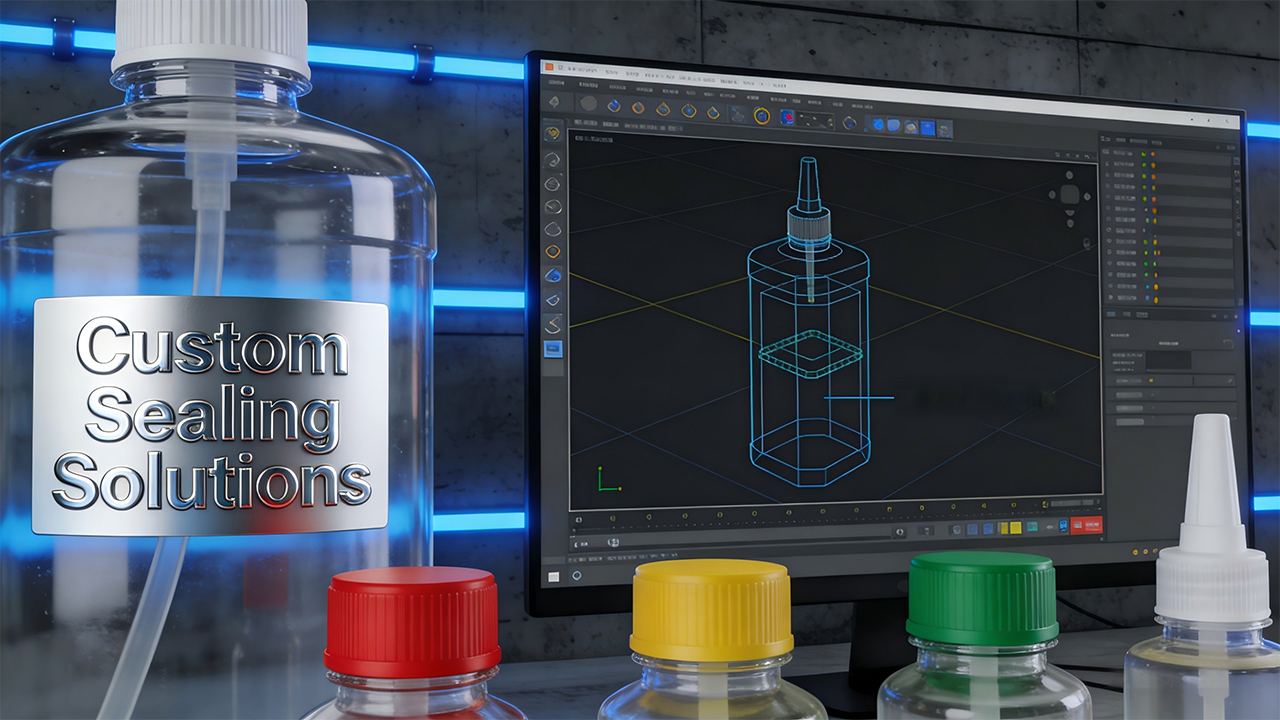
With an average manufacturing turn-around of just 15 business days, we help reduce high warehousing costs for international buyers. Our location provides efficient access to major shipping ports like Qingdao, streamlining global distribution.
Essential technical insight for procurement managers, project engineers, and quality assurance divisions.
Ensuring structural integrity, durability, and sealing performance under demanding operating conditions.
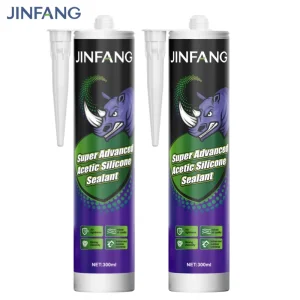
High elasticity and fast skinning formulation, optimized for architectural glass glazing, windows, and general repairs.
Premium flame-retardant expansion foam, certified for partition walls, electrical conduits, and escape routes.
High shear strength and oil-resistant formula, designed for automotive repair, leak prevention, and body seam sealing.
Provides robust weather resistance and high modulus curing, designed for structural curtain walls.
Rapid depth of cure, independent of moisture. Designed for high-volume automated factory glass glazing.
Complies with rigorous international safety codes for commercial and residential firestop systems.
High expansion yield and thermal insulation foam, designed for efficient window and door perimeter sealing.
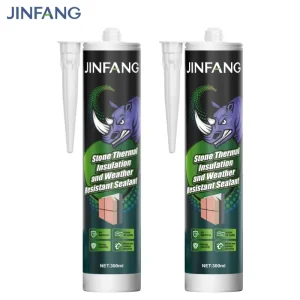
Highly resistant to UV and humidity. Engineered for greenhouses and exterior structural glazing.
Explore our targeted product range designed for high durability, structural glazing, floor tiling, and fire insulation.
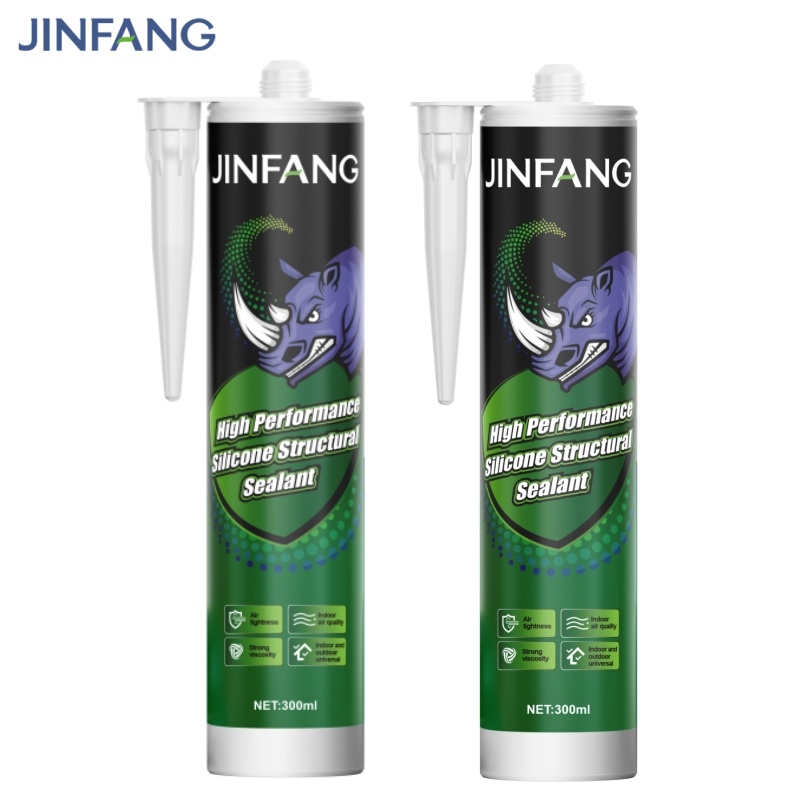
High-modulus architectural silicone, engineered for load-bearing glass curtain walls and facade installations.
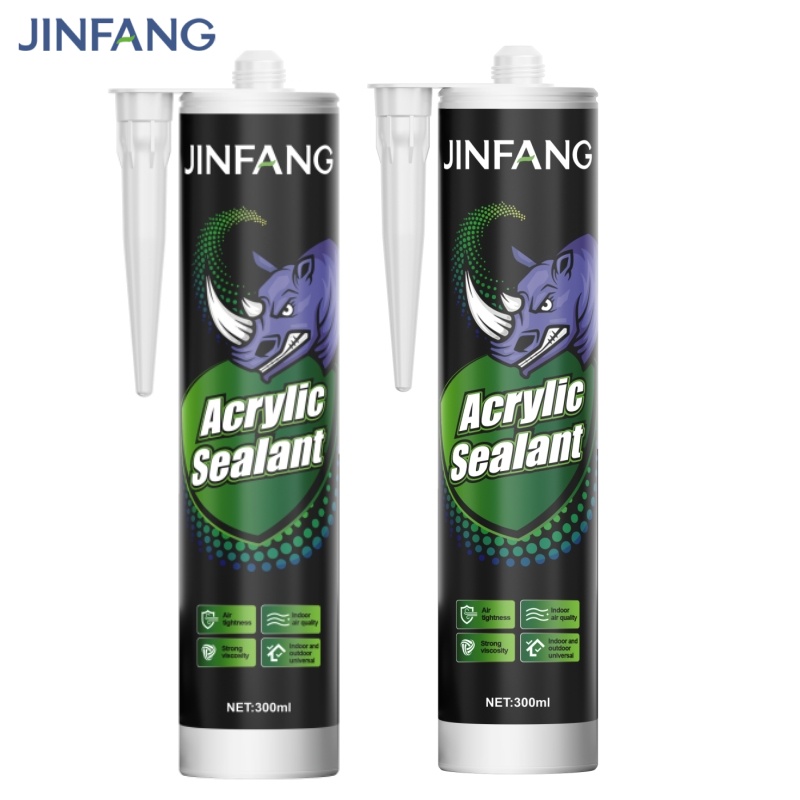
Low-VOC paintable sealant, designed for sealing internal joints, baseboards, and drywall cracks.
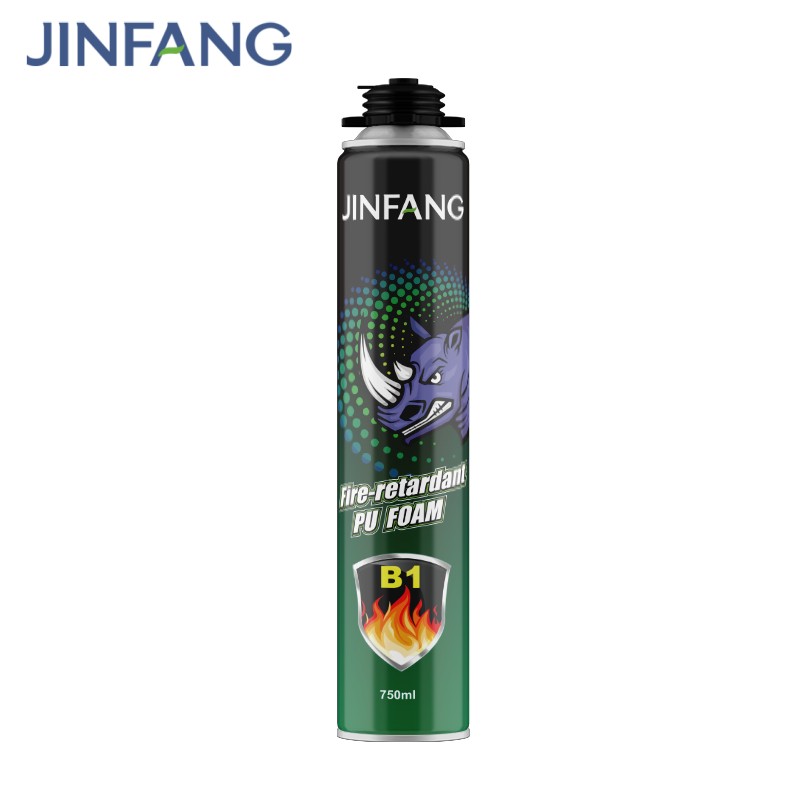
High-expansion, fire-rated polyurethane foam sealant, designed for structural gaps and wall penetrations.
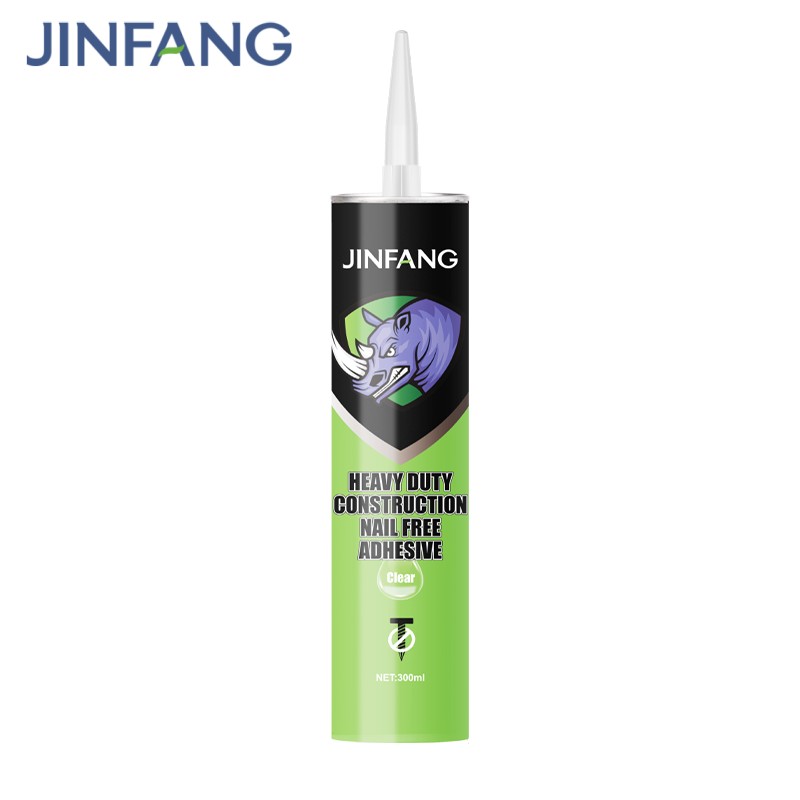
Premium mounting adhesive providing high initial grab, fast cure times, and transparent structural bond lines.
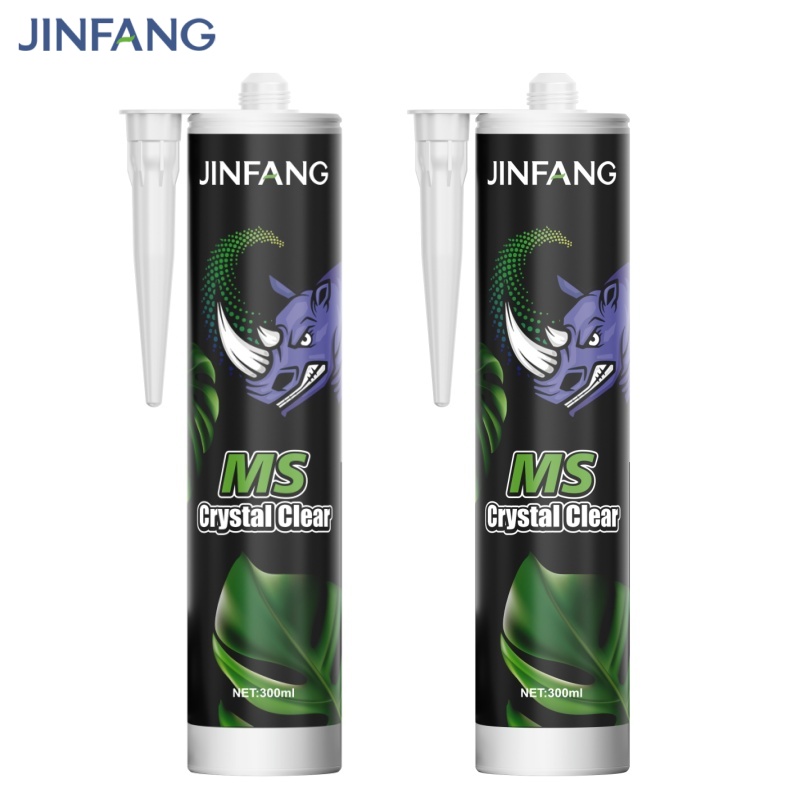
Ultra-clear Modified Silane (MS) sealant, optimized for frameless glass facades and invisible structural joints.
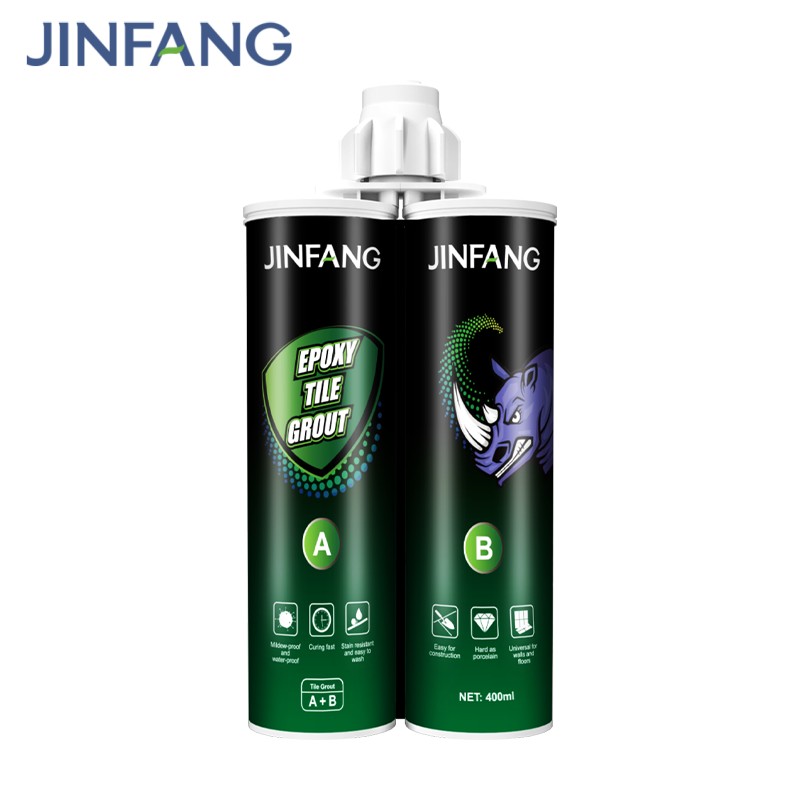
High chemical resistance, waterproof floor grout designed for glass mosaic, ceramic tiles, and heavy-traffic areas.
 Jinfang