Engineered for high-durability architectural glazing, weatherproofing, and structural joints. Browse our premium-grade sealants directly sourced from our automated production facilities.
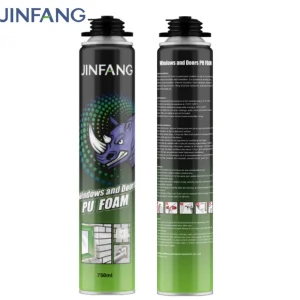
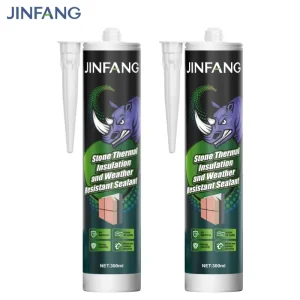
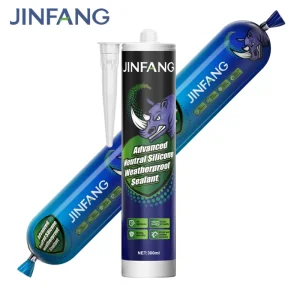
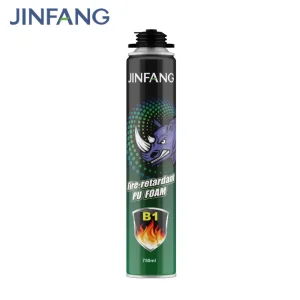
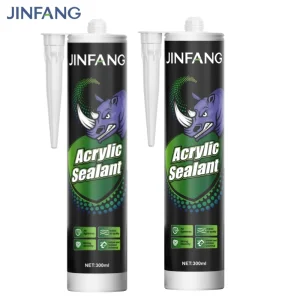
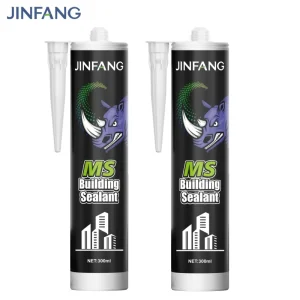
In the field of modern structural engineering and building science, sealing solutions are critical structural barriers. When specifying high-performance polymer matrices, architectural engineering projects require materials that can handle movement, dynamic loads, and environmental exposure. Shandong Jinfang Adhesive Industry Co., Ltd., located in the heart of Shandong Province, China, manufactures structural adhesives and silicone waterproof sealants engineered to meet these demanding challenges.
Silicone sealants rely on an inorganic siloxane backbone (Si-O-Si link). This chemical bond has a higher bond energy (460 kJ/mol) than the carbon-carbon backbones (348 kJ/mol) found in polyurethane and acrylic polymers. This molecular design provides excellent thermal stability, UV resistance, and weatherproofing. Even under intense ultraviolet exposure, cyclical thermal loading, and ozone exposure, the siloxane structure resists degradation. This preserves structural elasticity and elongation properties over decades of service.
Did you know? The superior bond energy of the Silicon-Oxygen chain allows silicone weatherproofing sealants to maintain elasticity across a temperature range of -50°C to +150°C, outperforming organic sealants like urethanes and acrylics.
Our manufacturing program produces advanced formulations engineered to balance cure speed, adhesion profiles, and mechanical properties. From acetic systems (typically used for rapid-curing glazing projects like greenhouses) to neutral cure alkoxy and oxime formulations, Jinfang's products provide durable waterproofing for architectural glass, facade systems, transportation assemblies, and concrete structures.
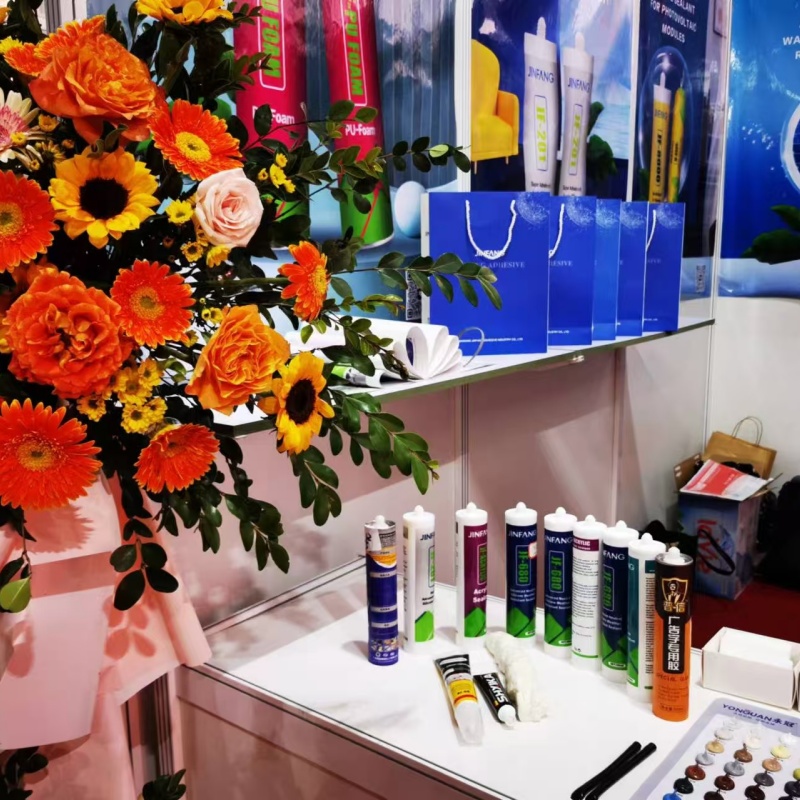
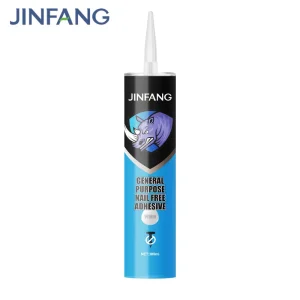
Strategically situated in a major industrial hub in Shandong Province, Shandong Jinfang Adhesive Industry Co., Ltd. is a leading manufacturer specializing in the research, development, and production of high-performance adhesive and sealant products. With a commitment to innovation and quality, we have built a comprehensive portfolio that includes silicone sealant, PU Foam, MS sealant, nail-free glue, tile grout, and PU sealant.
Our operations focus on academic research and engineering development. By partnering with leading Chinese universities—including Shandong University, Xiamen University, and Linyi University—we recruit top chemical engineers and keep our R&D efforts aligned with advanced polymer research. These partnerships help us design customized, high-movement joint sealants that meet ASTM, ISO, and European standards.

Jinfang's formulations are designed for specific industrial demands, ensuring structural integrity and weatherproofing in challenging applications.
We deliver durable solutions for structural glazing, window installation, joint sealing, and interior finishing. This ensures long-term weatherproofing, thermal insulation, and structural integrity, protecting buildings against wind loads and environmental cycling.
In the automotive sector, our sealants improve vehicle safety and NVH (Noise, Vibration, and Harshness) performance. They provide vibration damping, structural bonding, and high-durability air and water barriers for vehicle cabins and body structures.
With the rise of modular construction, our low-VOC, high-movement Modified Silane (MS) polymers provide green buildings with flexible joints. They bond well with concrete, aluminum, and composite materials, preventing structural water ingress without staining building materials.
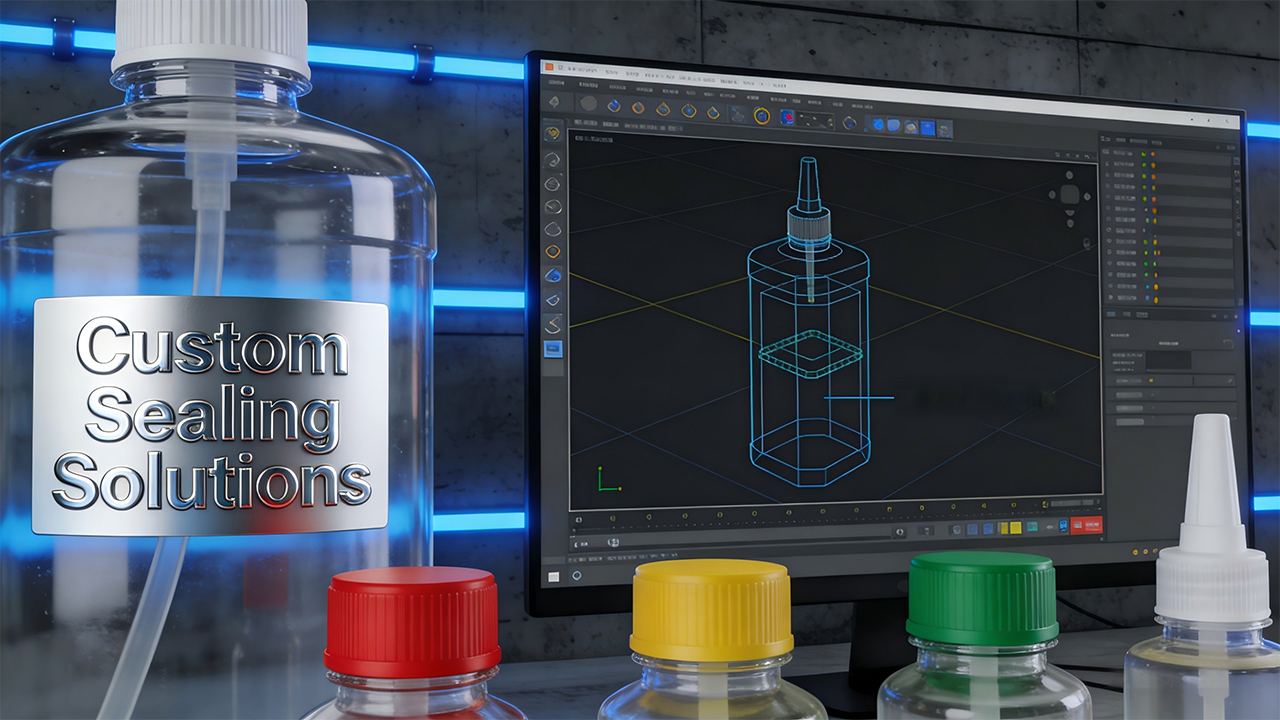
Understanding the unique needs of our global clients, we offer flexible OEM and customization services. Our expert technical team works closely with customers to tailor product specifications, packaging, and formulations to their exact project requirements. This client-centric approach, backed by stringent quality control from raw material sourcing to finished product, has been instrumental in our successful international expansion.
Whether you require custom cure profiles, specialized color matching, or specific packaging formats (including sausage packs, rigid HDPE cartridges, metal canisters, or bulk drums), our manufacturing infrastructure accommodates orders of all sizes while maintaining international chemical compliance.
How Jinfang combines automation, raw material sourcing, and quality control to maintain stable production and fast delivery.
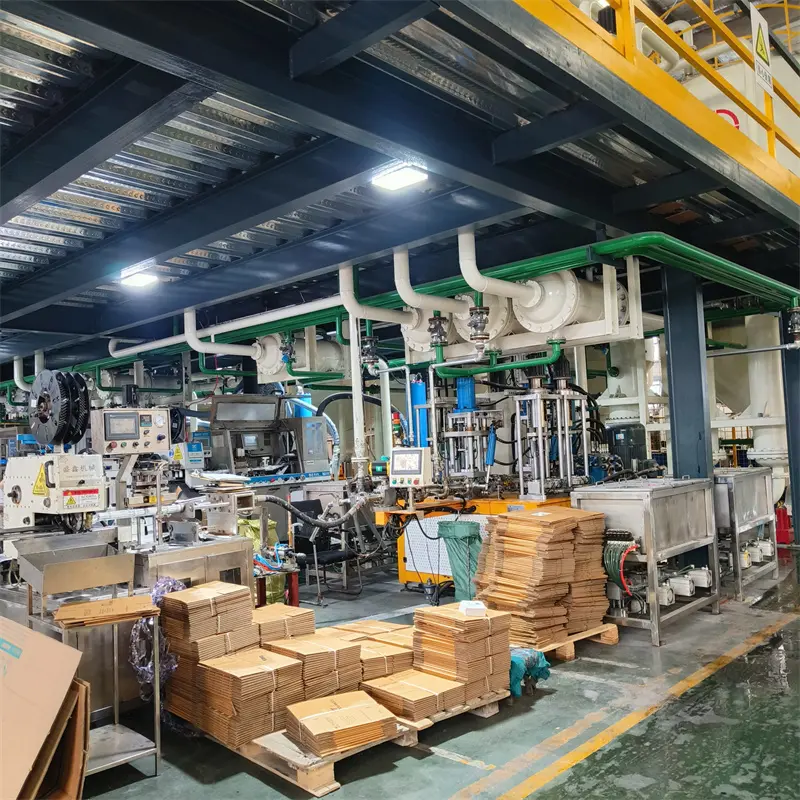
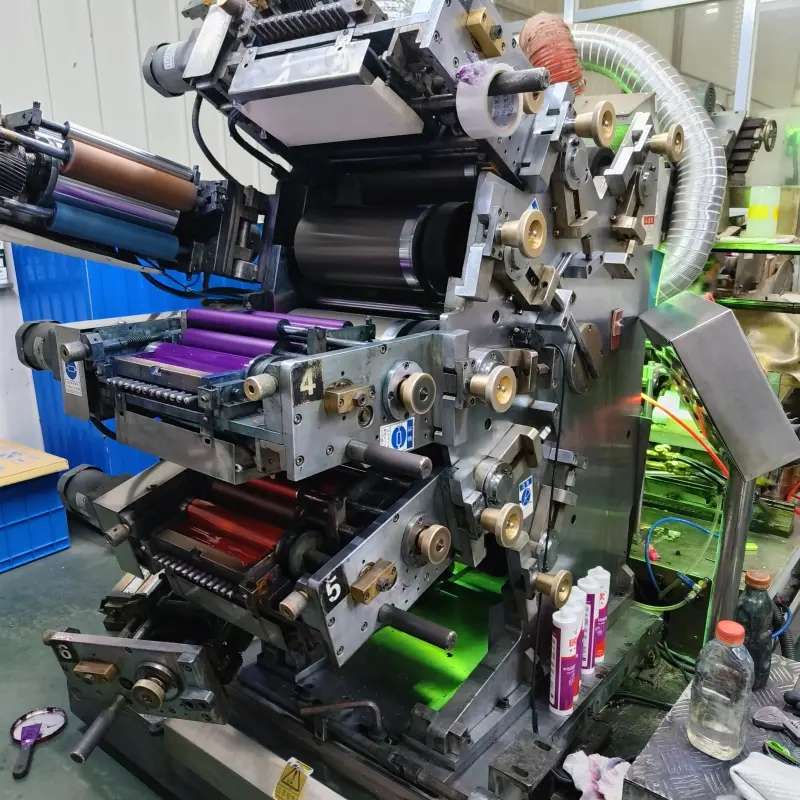
Jinfang's production is built on automated manufacturing processes. Our factory incorporates an integrated production system that handles raw material feeding, precise compounding, dynamic extrusion, color mixing, cartridge injection molding, and packaging. This automated setup reduces human error and ensures batch-to-batch consistency for chemical formulations.
Our supply chain resilience is rooted in our proximity to major chemical hubs in Shandong Province. This geographic location gives us steady access to primary siloxanes, plasticizers, and raw silica, helping us maintain stable production even during market fluctuations. By securing raw materials locally, we protect our clients from supply chain disruptions, allowing us to maintain a consistent 15-day average shipment time.
Supply Chain Security: Our direct integrations with domestic silicon refiners reduce lead times and buffer us against global shipping disruptions, ensuring reliable bulk supply for large-scale infrastructure projects.
Quality testing is integrated into every phase of production. We test raw materials for purity and moisture content, and evaluate finished batches for density, extrusion rates, tack-free times, and tensile properties. This rigorous QA framework ensures that our sealants comply with global standards, including ASTM C920, ISO 11600, and CE markings.
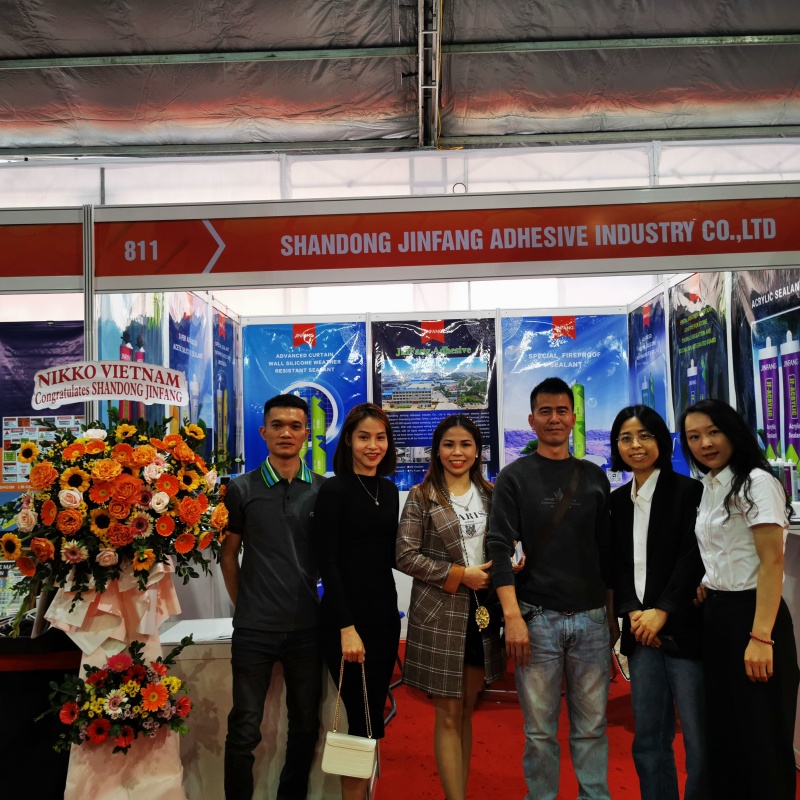
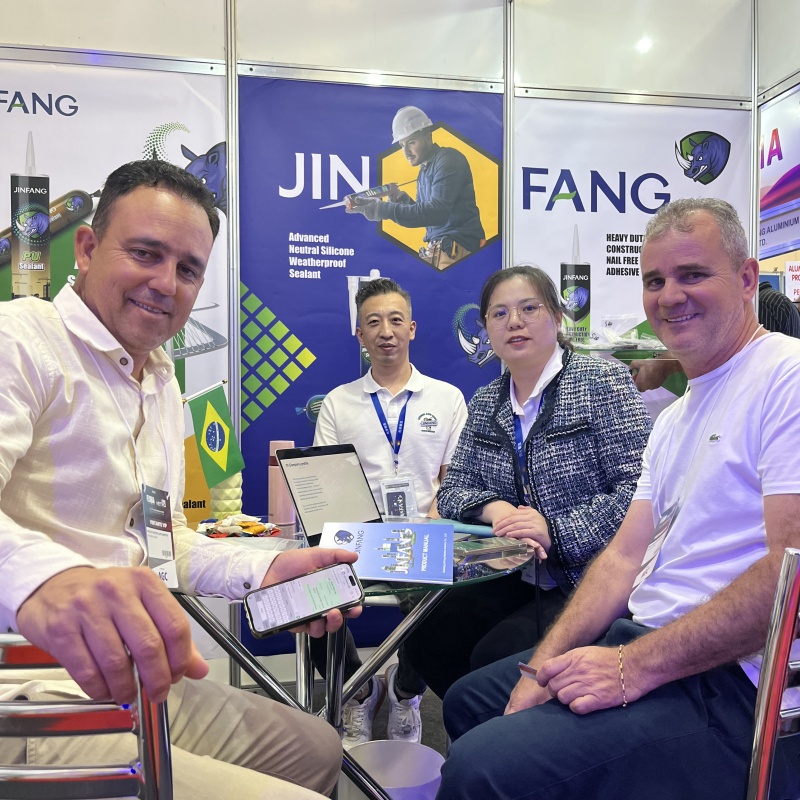
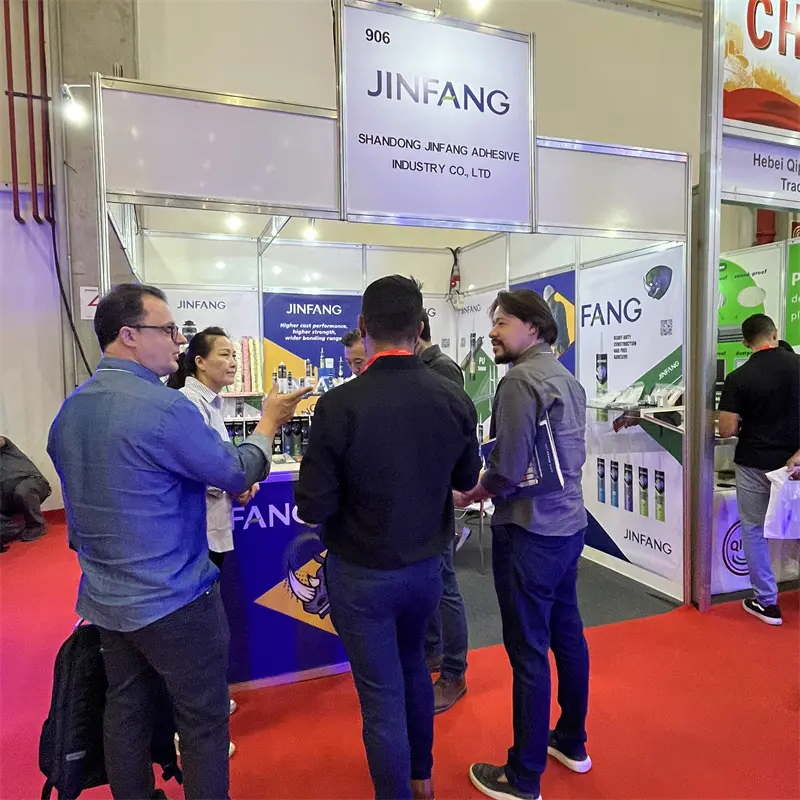
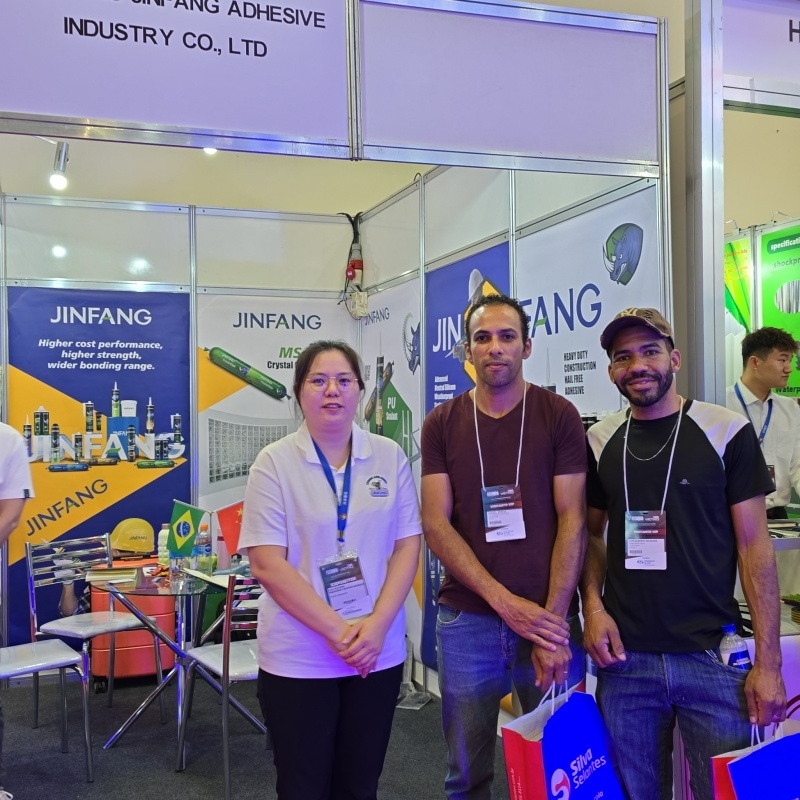
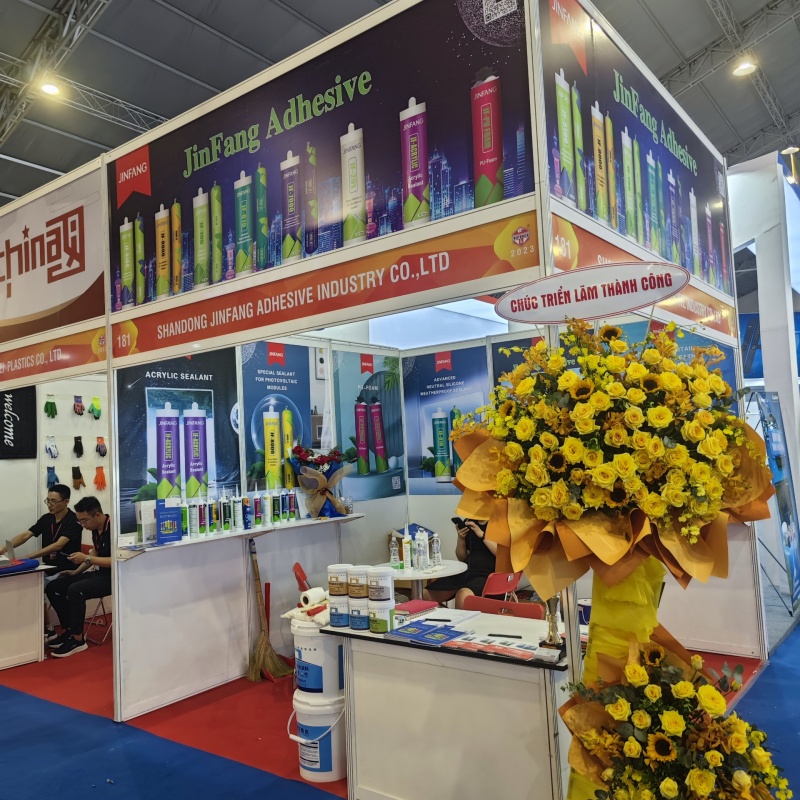
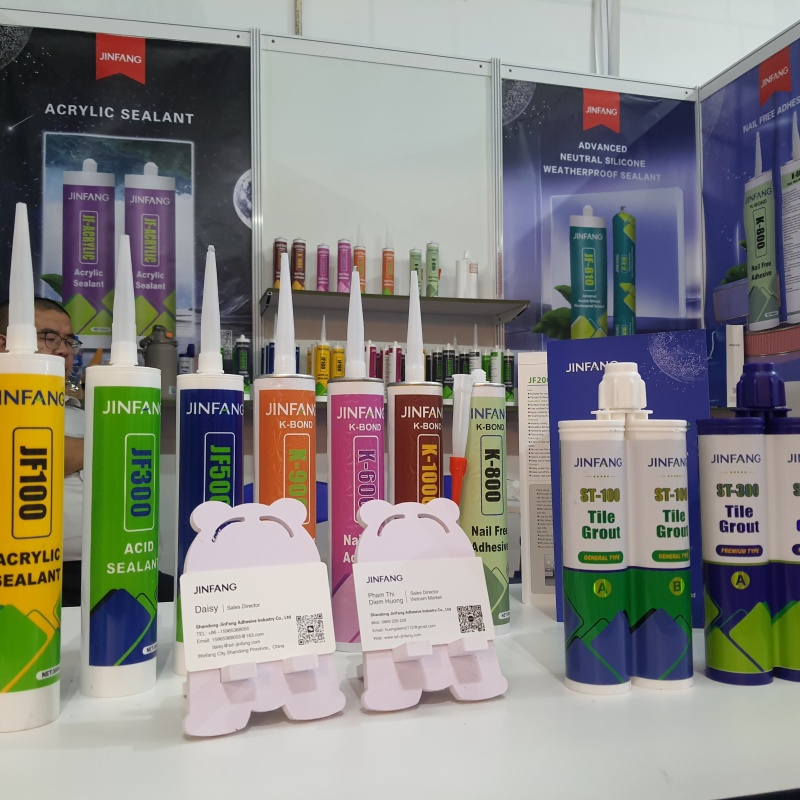
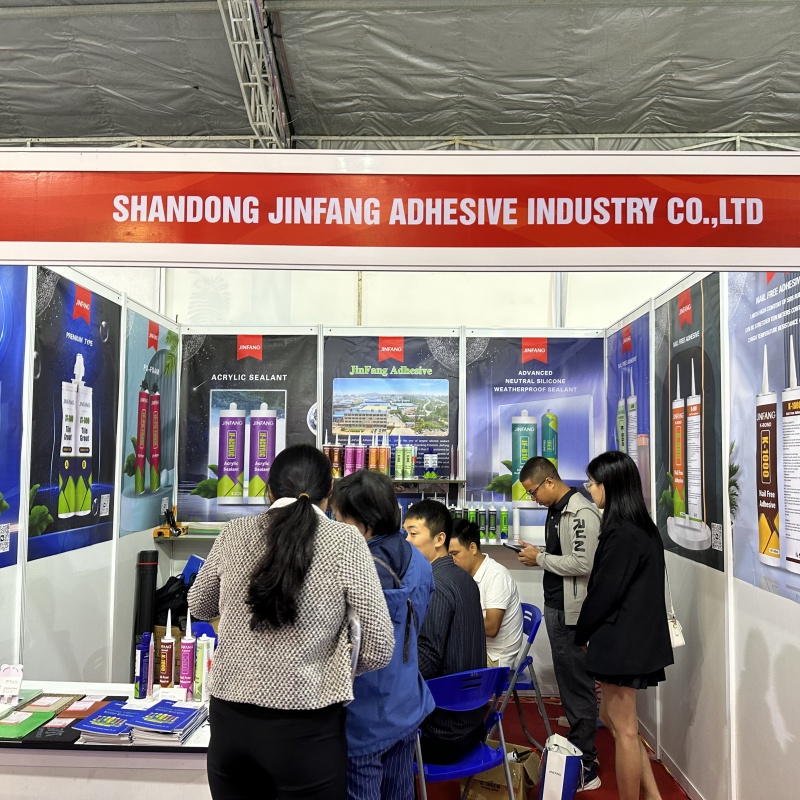
Our commitment to continuous innovation guides the future of Jinfang's adhesive technologies.
As regulations tighten around carbon emissions and VOC limits, the chemical adhesive industry is evolving. Jinfang's technology roadmap focuses on developing sustainable, high-performance sealing systems that reduce environmental impact while maintaining product durability.
A key focus of our R&D is the expansion of MS Polymer (Modified Silane) technology. MS Polymers combine the best properties of polyurethanes (paintability, mechanical strength, and non-staining characteristics) with the UV and weather resistance of silicones. Free of solvents, isocyanates, and silicone oils, these formulations prevent plasticizer migration, ensuring clean joints on porous substrates like marble, granite, and prefabricated concrete.
In addition, our research teams are studying bio-based raw materials. By replacing petroleum-derived polymers with renewable plant-derived alternatives, we aim to lower the carbon footprint of our manufacturing process. We are also exploring self-healing polymers, aiming to design sealants that can repair micro-fractures caused by excessive structural movement or stress over time.
Ensuring compliance, reliable delivery, and technical consistency for global procurement departments.
Large-scale construction, automotive, and industrial buyers prioritize risk mitigation and consistency when choosing chemical suppliers. Low-cost formulations often carry risks of joint failure, adhesive degradation, and regulatory issues. Jinfang supports international procurement through a structured, compliant sourcing framework:

Jinfang offers structured services to support your brand, including OEM manufacturing to match your specifications, custom formulations for specific projects, tailored packaging options (sausage packs, hard tubes, pails), and printing design for your brand presentation.
We work to align our manufacturing capabilities with your supply chain requirements, providing reliable quality and delivery for global distributors and construction firms.
Addressing common technical and sourcing questions from engineers and procurement specialists.
Acetic cure silicone sealants release acetic acid (vinegar-like odor) during the curing process. They cure quickly and adhere strongly to glass and ceramics, but they can corrode metals (like copper or zinc) and react with alkaline materials like concrete. Neutral cure sealants (alkoxy or oxime systems) release non-corrosive alcohols or oxime compounds during cure. This makes them ideal for concrete, masonry, aluminum, and plastics, where corrosion or staining must be avoided.
Joint design is key to preventing sealant failure. As a general rule, the width of the joint should be at least four times the expected movement. For joints wider than 10mm, a width-to-depth ratio of 2:1 should be maintained. A suitable backing rod must be installed to prevent three-sided adhesion, ensuring the sealant can stretch and compress freely under thermal cycling.
Traditional polyurethanes contain carbon-nitrogen bonds that degrade under direct UV radiation, causing them to crack, chalk, and lose adhesion over time. MS Polymers (Modified Silanes) feature a siloxane structure that provides excellent UV resistance. They are also free of isocyanates and solvents, meaning they do not bubble during cure and will not stain porous natural stones.
Our products undergo testing to meet global standards. We manufacture products that comply with ISO 11600 (Building construction - Jointing products), ASTM C920 (Standard Specification for Elastomeric Joint Sealants), European CE markings, and EU IROS requirements. Batch analysis reports and certifications are available upon request.
We maintain consistency through our automated factory systems and strict quality controls. Our production runs use automated metering systems for raw materials, ensuring consistent chemical ratios. In addition, each production batch undergoes laboratory testing for viscosity, extrusion rate, density, cure depth, and mechanical properties before packaging.
Explore our industrial-grade structural sealants, MS polymers, and specialized adhesives designed for heavy-duty sealing applications.
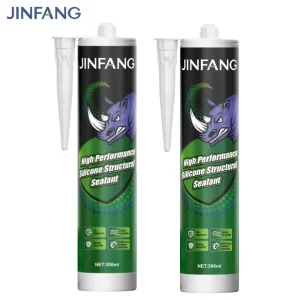
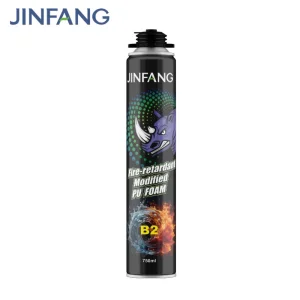
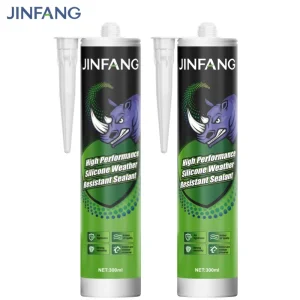
 Jinfang