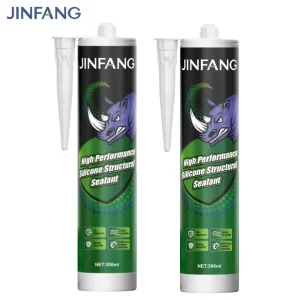
In modern structural engineering and architecture, outdoor weatherproofing materials undergo significant thermal, chemical, and physical stress. Outdoor silicone sealants form the primary defense barrier against environmental degradation, structural movement, and moisture infiltration. Global urbanization and high-rise curtain wall construction have increased demand for materials that withstand joint movement, extreme UV radiation, ozone exposure, and temperature fluctuations.
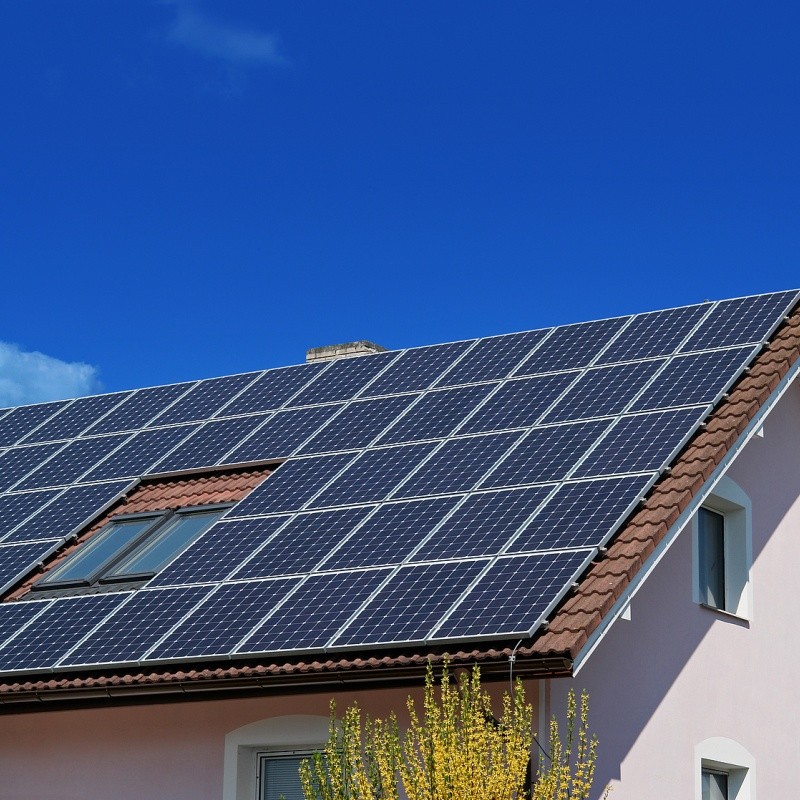
Industrial market data shows the global silicone sealant market expanding due to advancements in green building standards, high-performance facades, and solar PV installations. Outdoor installations require sealants with long-term elastic recovery. Unlike organic polyurethanes that degrade under solar UV exposure, the inorganic silicon-oxygen (Si-O) backbone in silicone sealants provides UV stability. This molecular configuration ensures that outdoor silicone sealants maintain flexibility and structural integrity for decades, reducing building maintenance cycles and preventing water intrusion.
Manufacturers focus on developing low-VOC, neutral-curing silicone systems that adhere to modern environmental requirements while showing high compatibility with substrates like coated glass, anodized aluminum, concrete, and composite panels. Understanding these chemical mechanics helps developers, architects, and procurement managers choose formulations that match specific project criteria.
Engineered to meet the requirements of demanding architectural, structural, and automotive applications.
Formulated to resist UV radiation, ozone, rain, and extreme temperature cycles, maintaining high adhesion without cracking or chalking.
Remains flexible from -50°C to 150°C, ensuring stability under intense solar radiation and sub-zero winter temperatures.
Prevents moisture, dust, and air infiltration. Essential for maintaining thermal envelopes and preventing structural degradation.
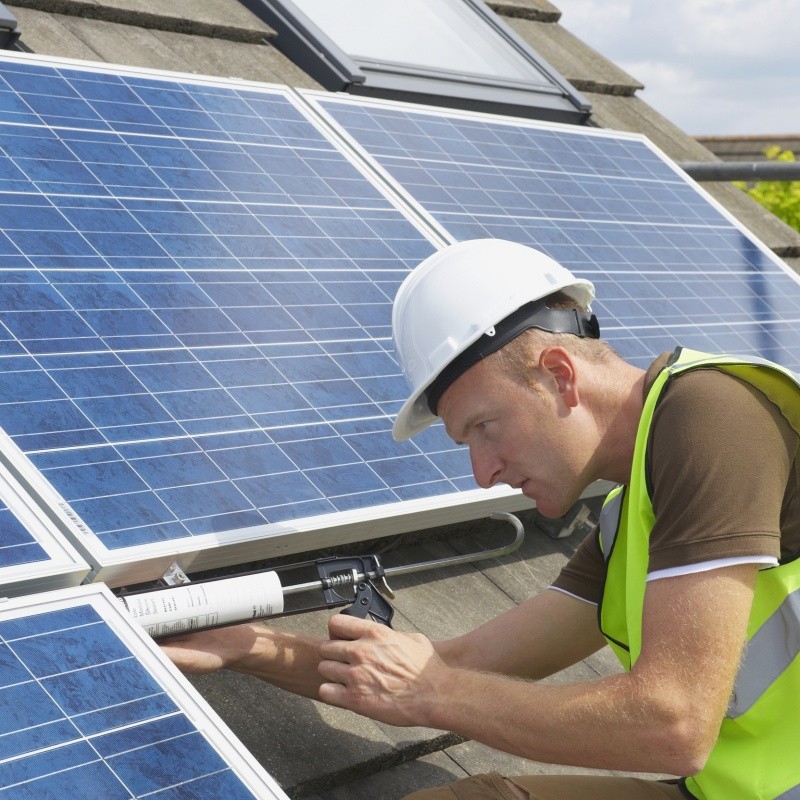
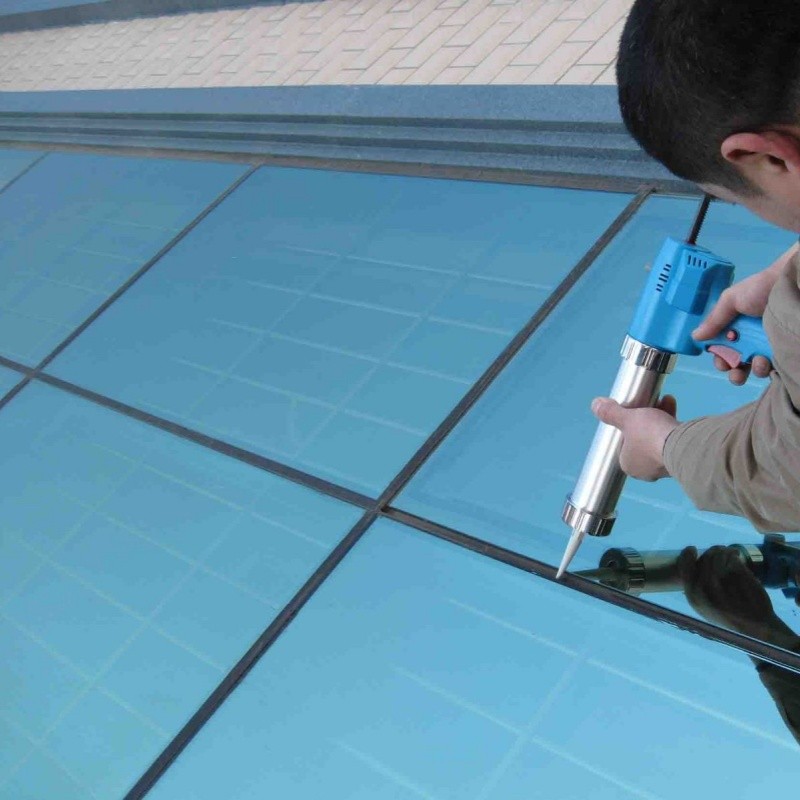
For high-rise curtain walls, we supply silicone sealants that handle dynamic wind loads, seismic movements, and heavy shear forces, stabilizing glass-to-metal assemblies.
Designed for joint sealings between frames and masonry, providing durable thermal insulation and water resistance for residential and commercial projects.
In the automotive sector, our sealants support vehicle safety and comfort through vibration damping, component bonding, and air/water sealing.
Your Partner in Advanced Sealing Solutions
Located in Shandong Province, an industrial hub in China, Shandong Jinfang Adhesive Industry Co., Ltd. manufactures and develops high-performance adhesive and sealant products.
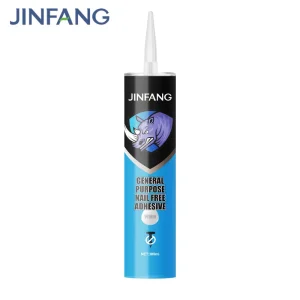
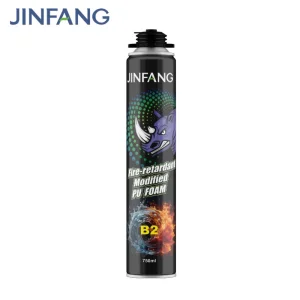
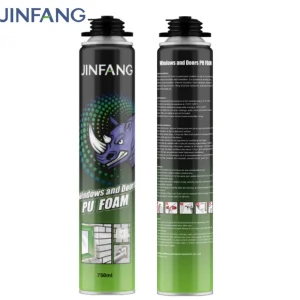
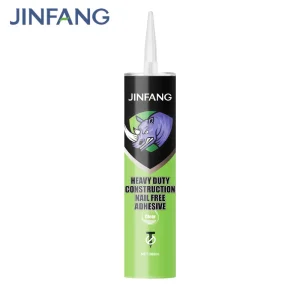
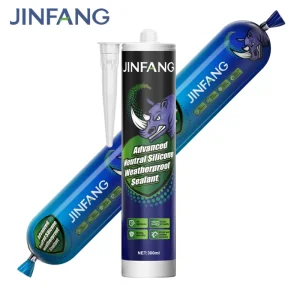
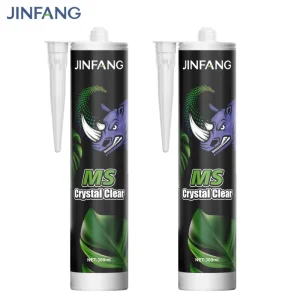
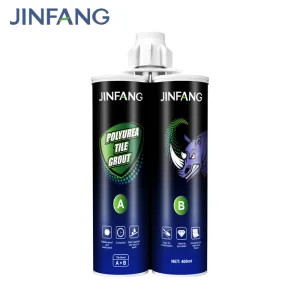
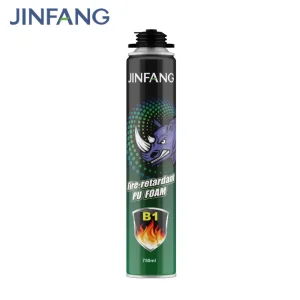
Our portfolio includes silicone sealants, PU Foam, MS sealants, nail-free glues, tile grouts, and PU sealants. These products are developed for construction, automotive, and industrial assemblies.
Supported by R&D infrastructure, we maintain partnerships with Chinese universities, including Shandong University, Xiamen University, and Linyi University, to source research talent and improve product performance.

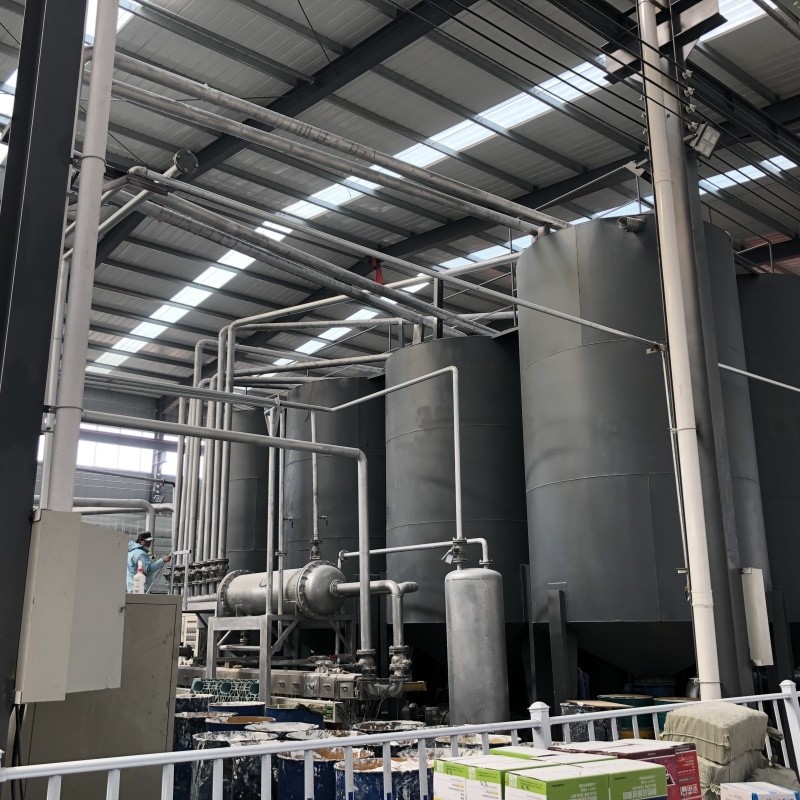
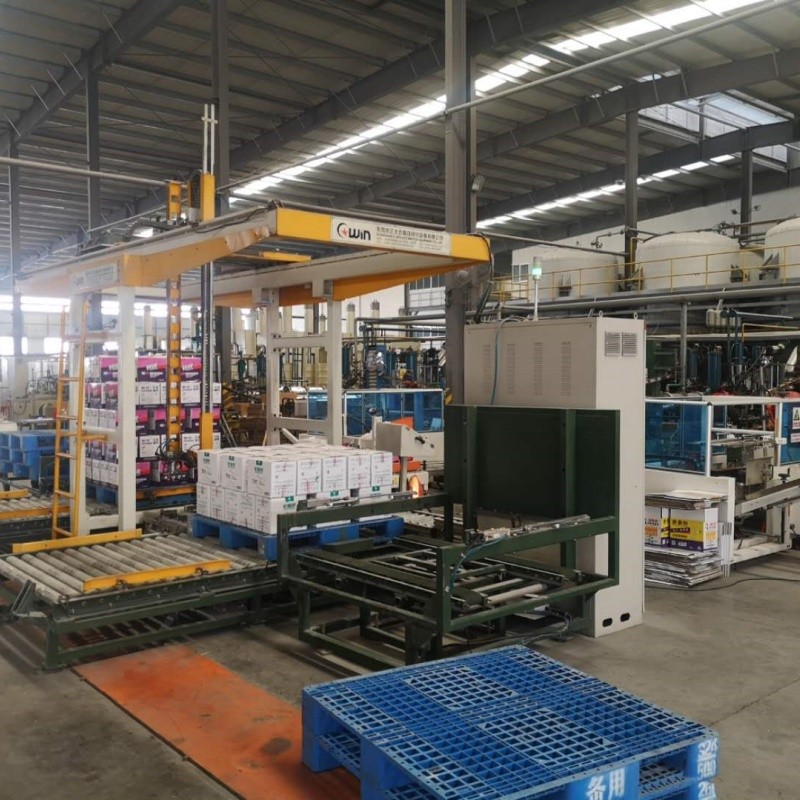
China's chemical manufacturing ecosystem provides integrated supply chains that source raw siloxane monomers directly from key production bases. This access reduces materials transit times and minimizes raw-material cost fluctuations. Shandong Jinfang Adhesive Industry Co., Ltd. operates an integrated manufacturing system covering raw material formulation, fully automated adhesive production, precision injection molding, and automated packaging.
We use automated planetary mixers and continuous production lines to ensure uniform polymer dispersion, batch consistency, and bubble-free packaging. This automated configuration minimizes human error and supports high output levels.
Our engineering team modifies cure rates, tensile strengths, elongation properties, and viscosities to meet specific project needs.
We supply products in sausages, cartridges, and drums. Available packaging materials include plastic, aluminum, and composite tubes.
We provide offset and screen printing options to display clear brand layouts and compliance markings directly on the containers.
Our automated production processes support an average 15-day delivery window from order confirmation to shipping.
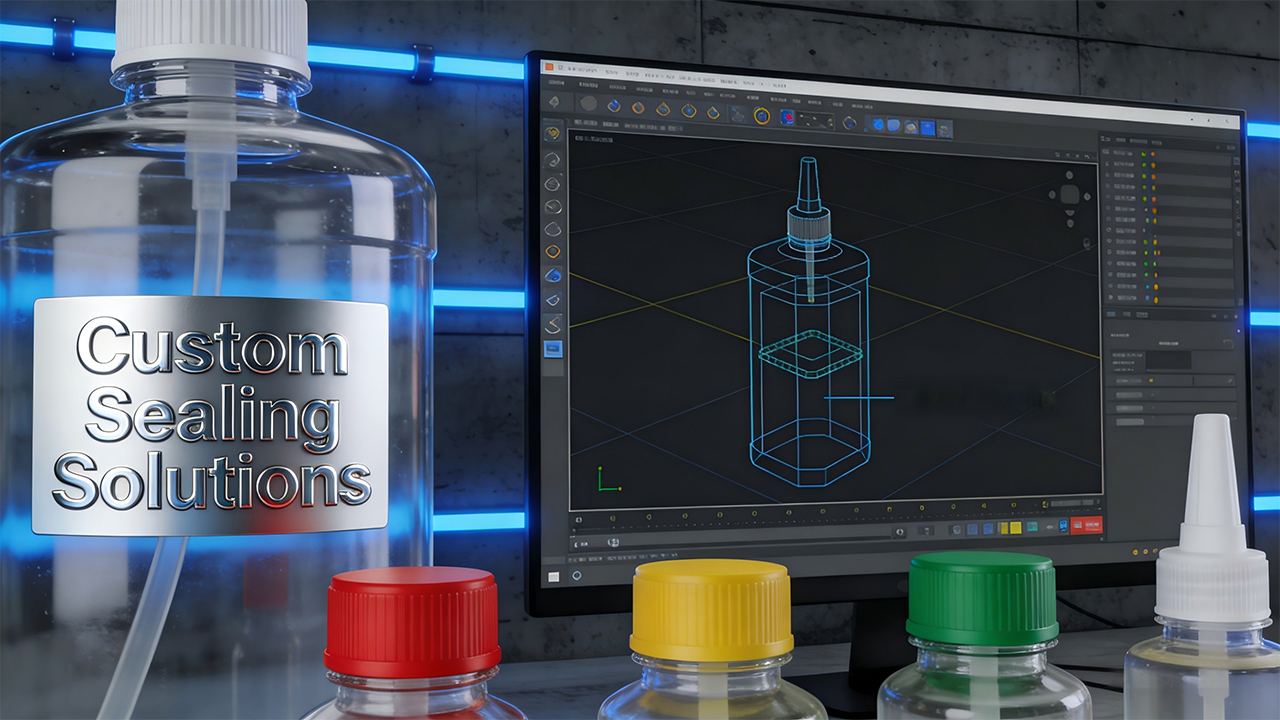
We provide OEM services to tailor packaging, formulation chemistry, and color matching to our clients' target markets. We work with clients to design packaging that meets regional regulatory requirements and retail specifications.
Our quality assurance processes cover raw materials testing, in-process viscosity control, and curing performance validation. We maintain ISO 9001 and ISO 14001 certifications, and our products comply with European safety frameworks, including the EU IROS standards.
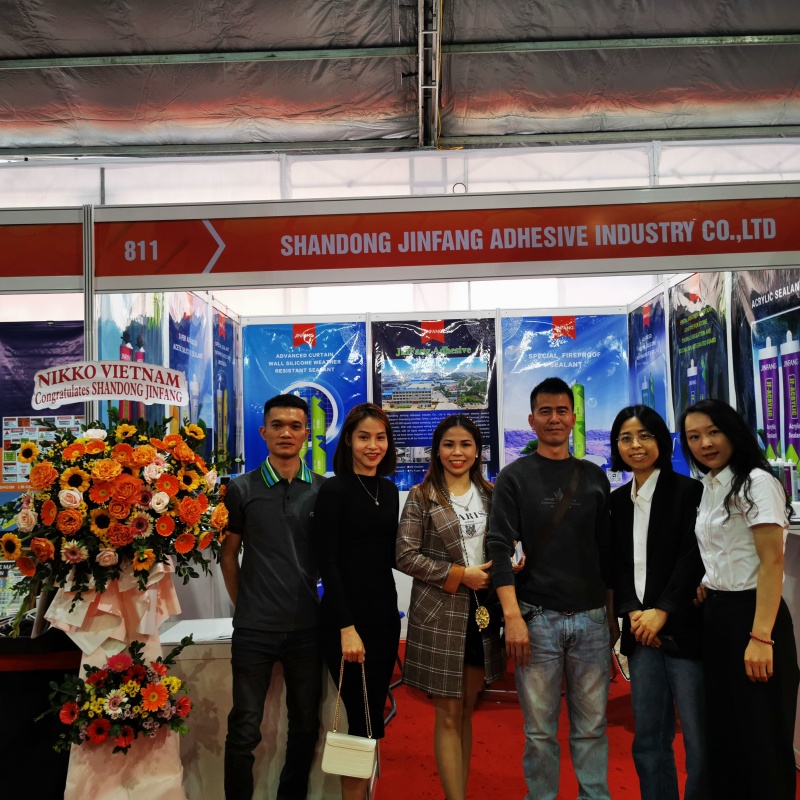
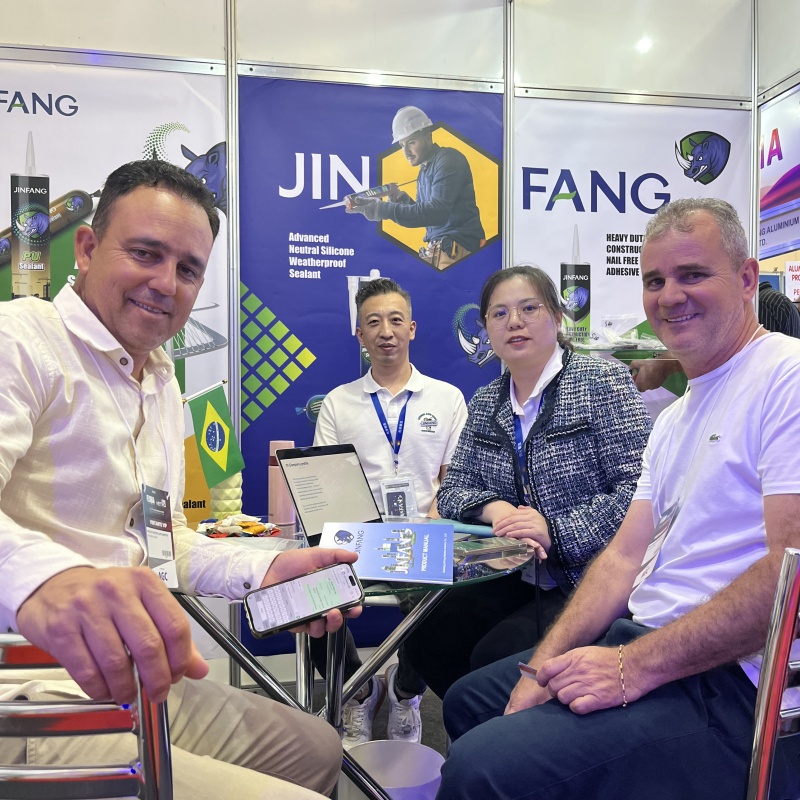
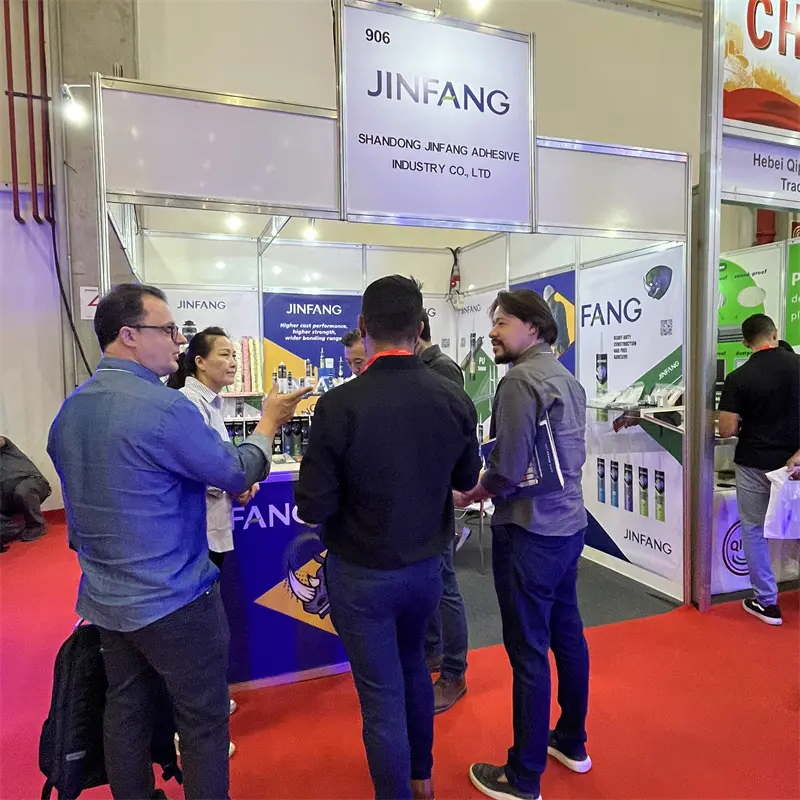
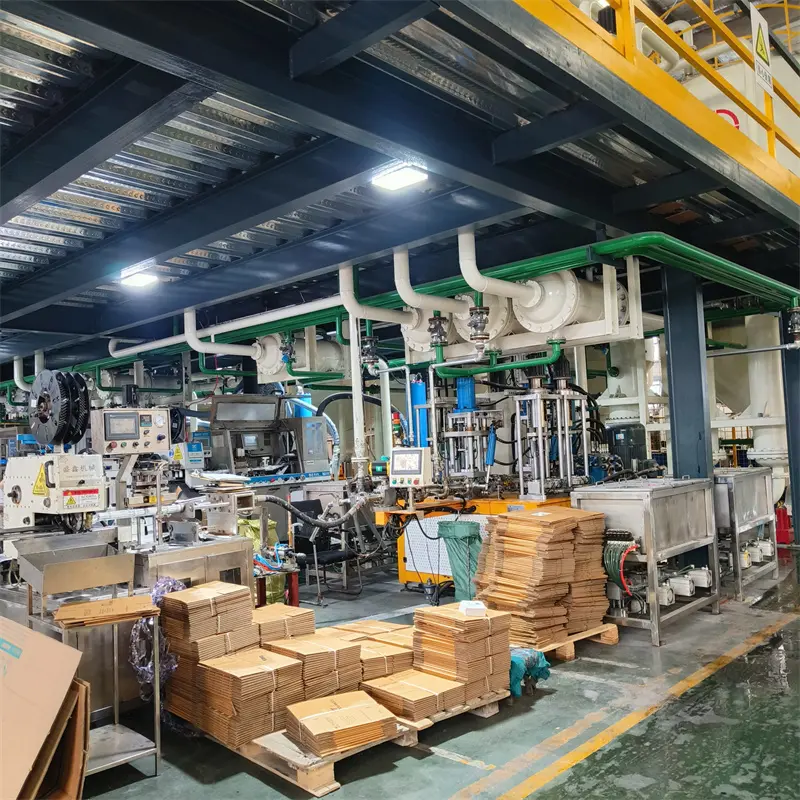
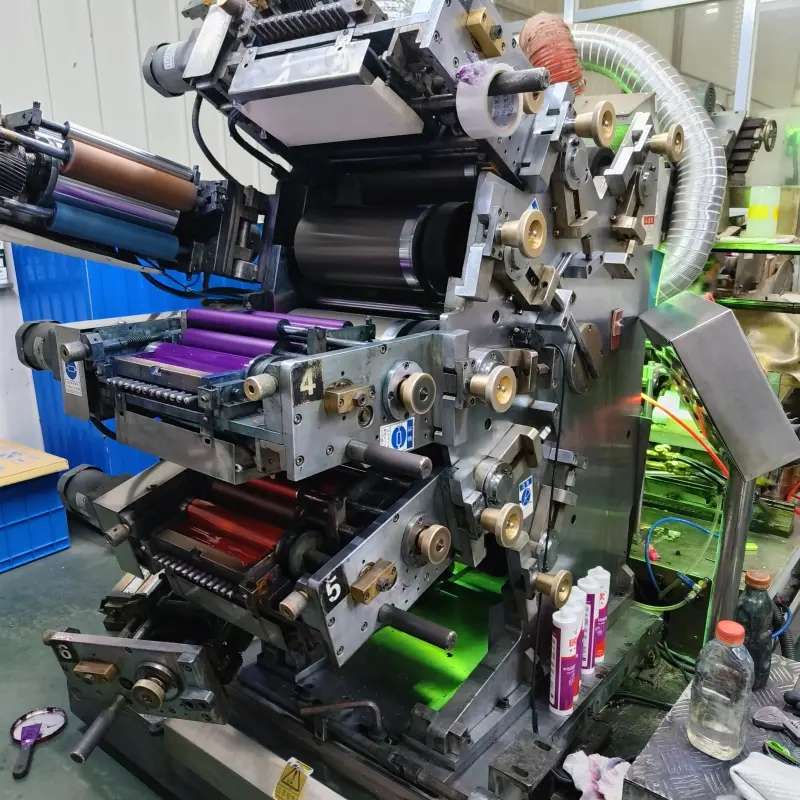
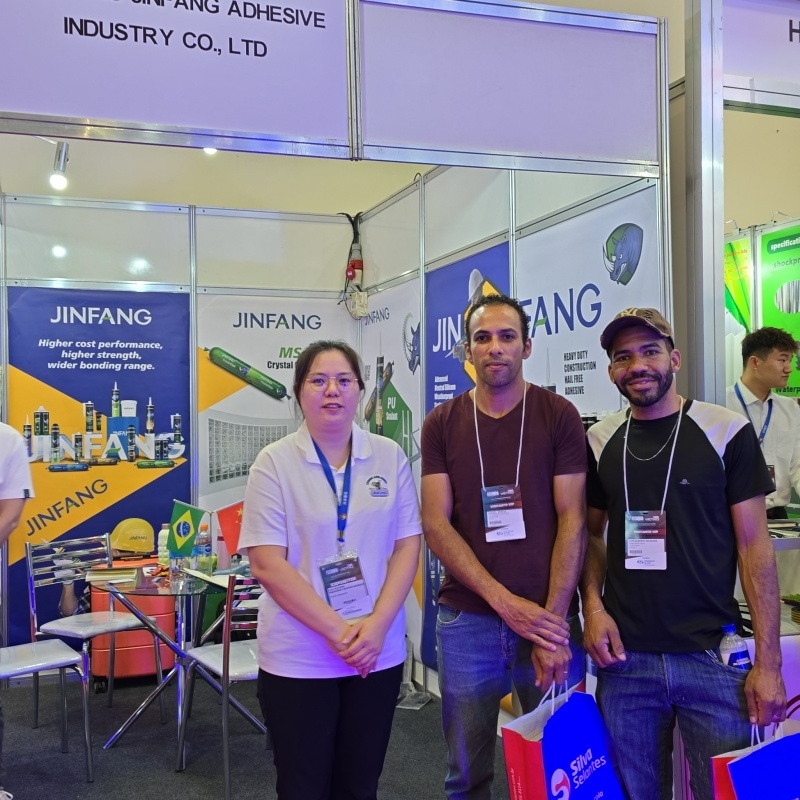
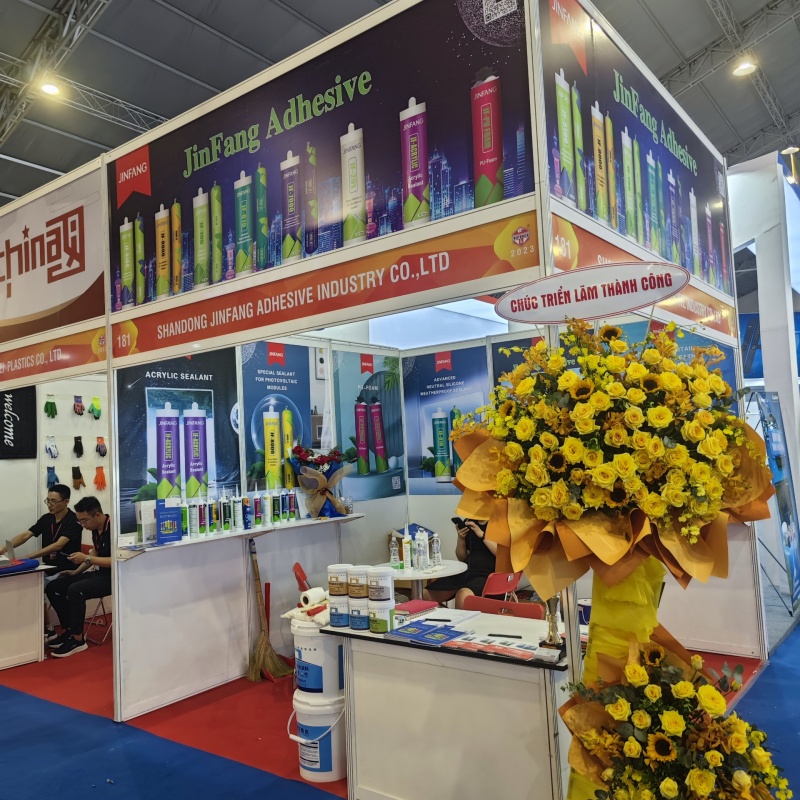
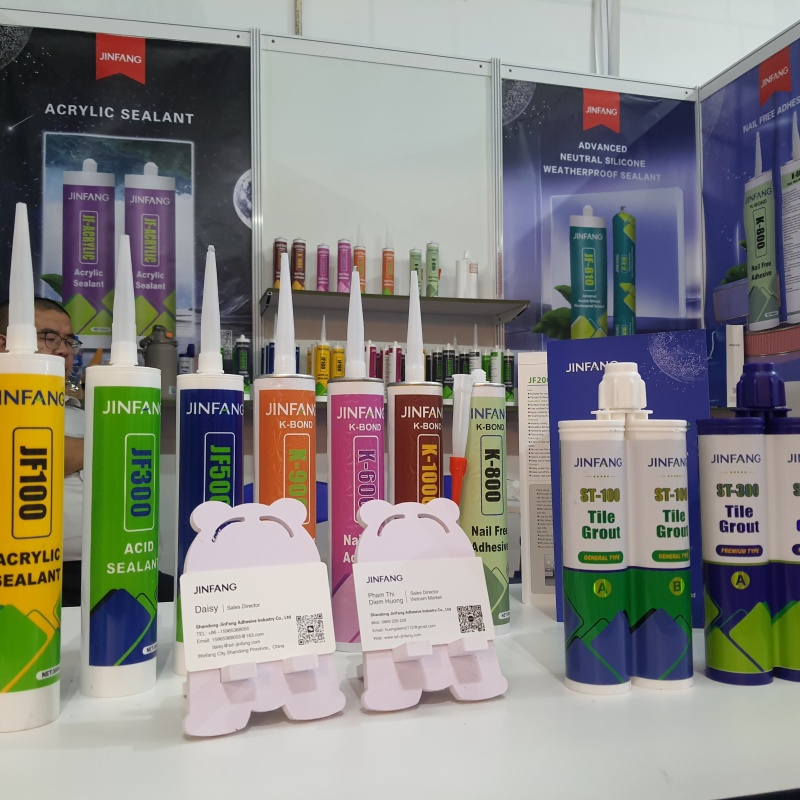
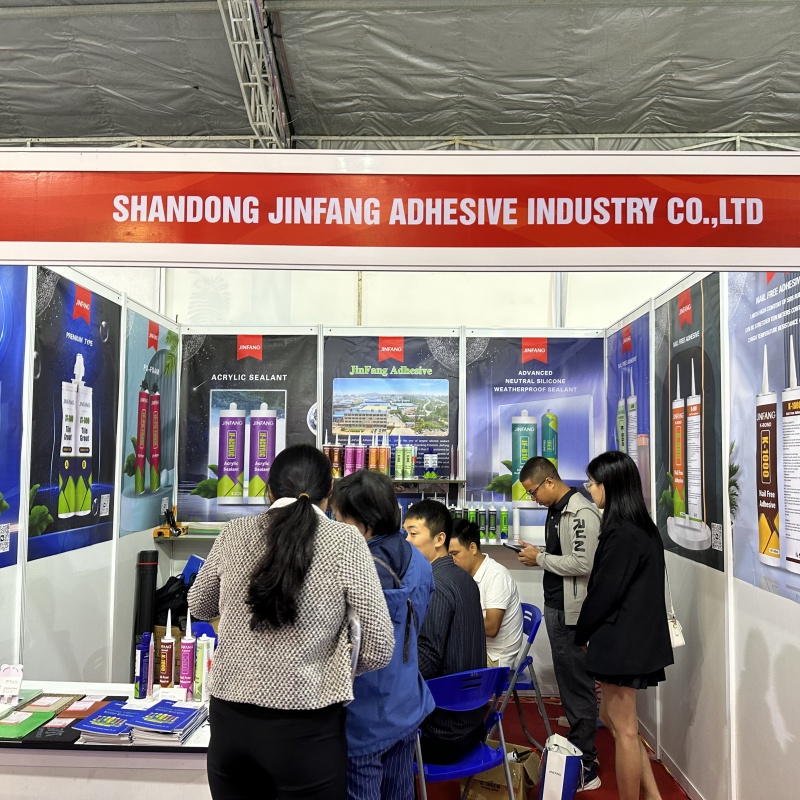
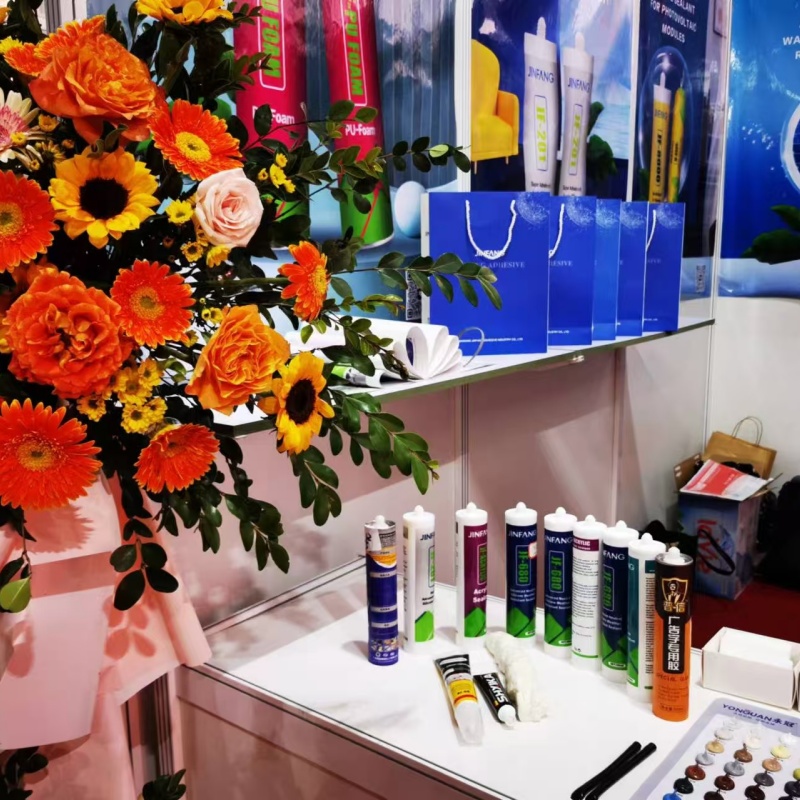
Our high-performance systems undergo continuous structural and weather-resistance testing to confirm performance under challenging environmental conditions.


We provide flexible manufacturing arrangements designed to match our global partners' distribution strategies.

We process customer-supplied chemical specifications and formulas using our high-capacity production lines. Strict formulation fidelity and quality control processes are applied throughout the manufacturing run.

Our lab adjusts adhesive properties, including tack-free time, Shore hardness, modulus parameters, and extrusion rates, to match localized environmental conditions and substrate combinations.

We package products in high-barrier plastic cartridges, aluminum sausages, and bulk drums. We match packaging designs with your brand graphics using high-definition screen printing.
Answers to common technical, logistics, and applications questions from engineers, buyers, and distributors.
 Jinfang