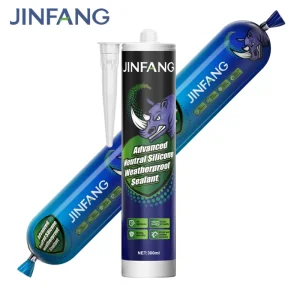
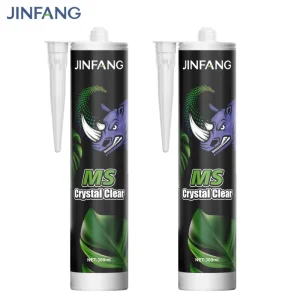
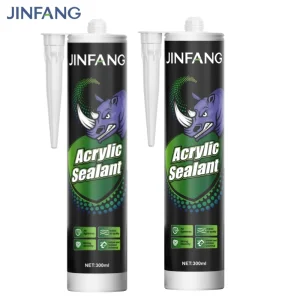
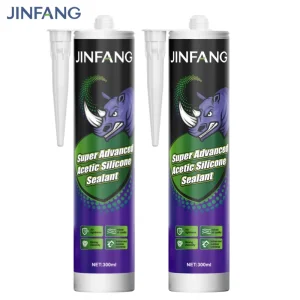
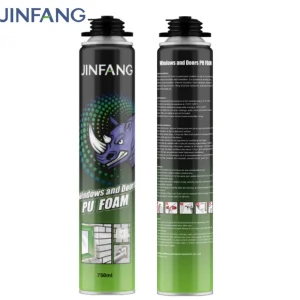
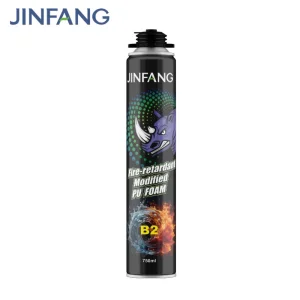
Engineered for architectural envelope integrity, extreme environmental resistance, and heavy-duty load capacities.
Your Trusted Partner in Advanced Sealing Solutions. Strategically located in the heart of Shandong Province, a major industrial hub in China, Shandong Jinfang Adhesive Industry Co., Ltd. stands as a leading manufacturer specializing in the research, development, and production of high-performance adhesive and sealant products.
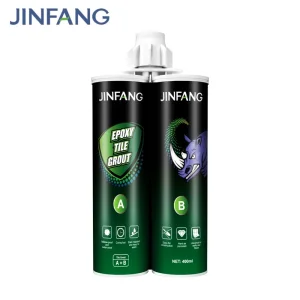
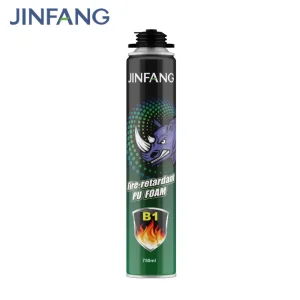
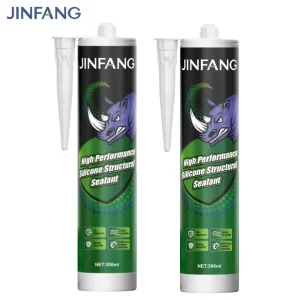
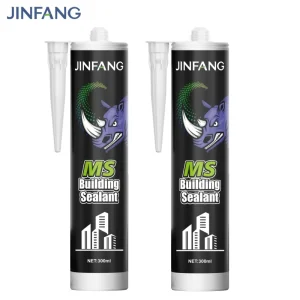
With a steadfast commitment to innovation and quality, we have built a comprehensive portfolio that includes silicone sealant, PU Foam, MS sealant, nail-free glue, tile grout, and PU sealant. Our products are engineered to meet the rigorous demands of diverse applications, primarily serving the construction and automotive industries. In construction, we provide durable solutions for structural glazing, window installation, joint sealing, and interior finishing, ensuring long-term weatherproofing, thermal insulation, and structural integrity.

Blending theoretical molecular chemistry with practical structural engineering to supply high-reliability silicones.
Jinfang specializes in the development and manufacturing of high-performance sealants and adhesives. Supported by a robust R&D infrastructure and a dedicated technical team, we maintain deep R&D partnerships with leading Chinese universities, including Shandong University, Xiamen University, and Linyi University, leveraging these collaborations to recruit top-tier research talent and pioneer new chemical systems.
The core strengths of our formulations lie in their exceptional performance under challenging conditions. They exhibit outstanding weather resistance against UV radiation, acid rain, ozone, and extreme temperatures, superior temperature tolerance across a wide range (-50°C to +150°C), and reliable sealing performance that prevents moisture, dust, and air infiltration. This ensures the longevity and structural stability of high-rise curtain walls, double-glazed glass elements, and commercial vehicle assemblies.
| Performance Metric | Two-Component Structural Sealant (e.g., Jinfang 2-Part) | One-Component Neutral Weatherproof Sealant | MS Polymer Sealant (Crystal Clear) |
|---|---|---|---|
| Tensile Adhesion strength | ≥ 1.0 MPa (ASTM C1184) | ≥ 0.4 MPa | ≥ 0.8 MPa |
| Curing Speed | Fast (24-48 hours deep cure) | Moisture cure (2-3mm per 24h) | Moisture cure (Fast initial tack) |
| Movement Capacity | ± 25% to ± 50% | ± 50% (High elasticity) | ± 25% (Paintable) |
| UV Resistance | Outstanding (25+ Year Service Life) | Excellent | Good (Highly resistant to yellowing) |
| Substrate Compatibility | Anodized Alum, Coated Glass, Stainless Steel | Brick, Masonry, Glass, PVC, Metals | Concrete, Wood, Glass, Fiber-cement |
How we facilitate seamless procurement for EPC contractors, glass processors, and facade system fabricators globally.
We work closely with global procurement divisions to optimize the Total Cost of Ownership (TCO). By utilizing raw materials sourced directly from tier-one chemical suppliers and employing fully automated continuous compounding plants, we reduce the volatility of pricing, providing stable quotes valid throughout the duration of large architectural projects.
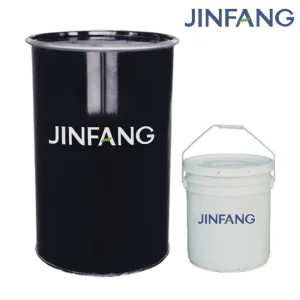
We support a variety of commercial and industrial packaging configurations. Our standard options include 300ml rigid plastic cartridges, 590ml/600ml foil sausages, and large-scale bulk drum containers (200L drums for automated two-part glazing pumps). High-quality barrier packaging ensures a 12-month shelf life with zero degradation.
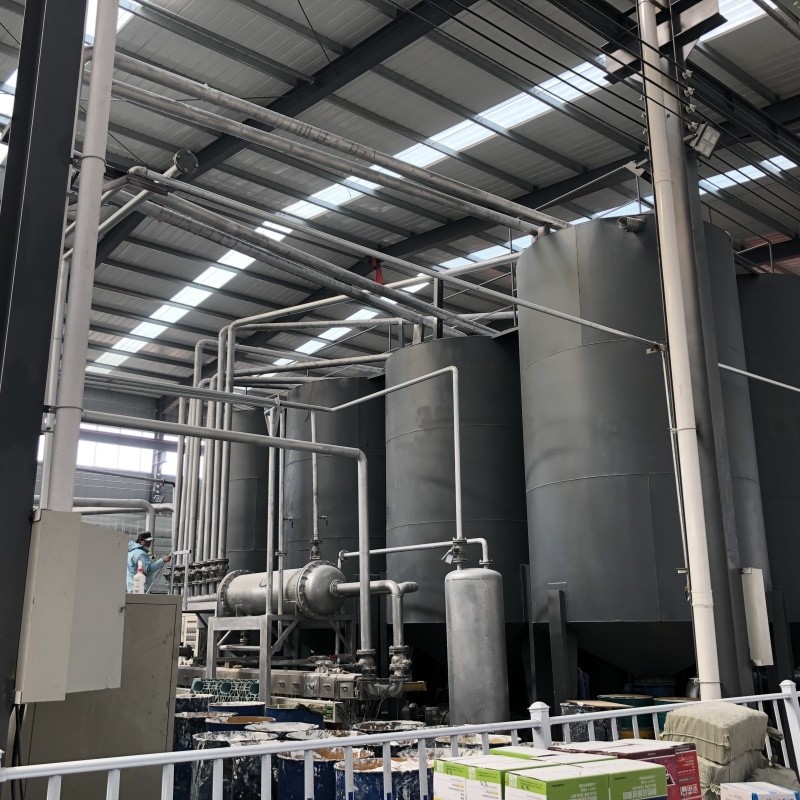
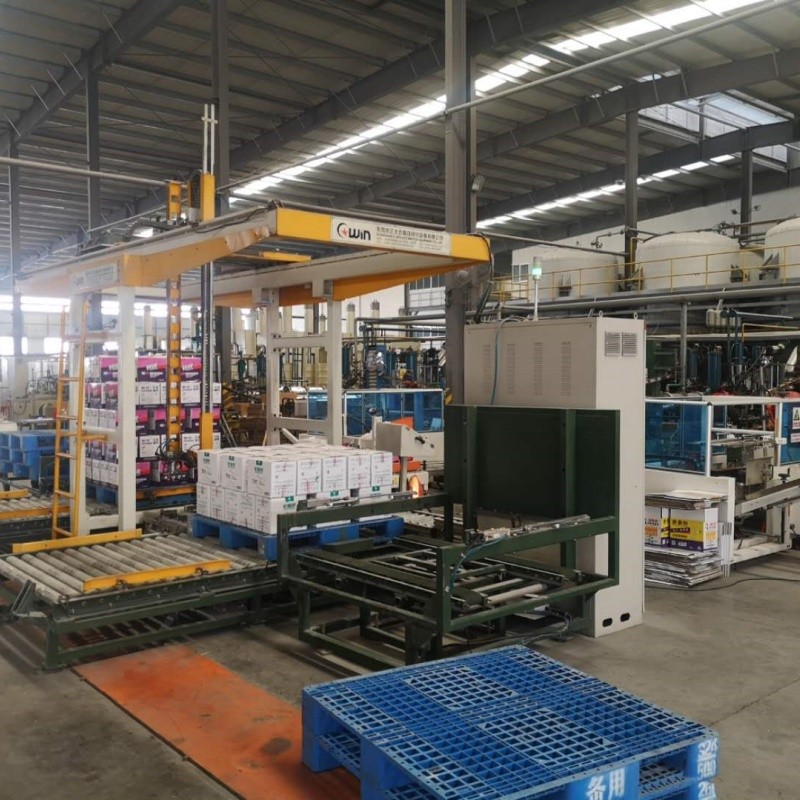
Our agile manufacturing system, from automated dosing to automated cartoon packaging, is designed to scale with project phases. We maintain an average turnaround time of 15 business days from final order placement to port delivery, preventing project delays at the construction site.
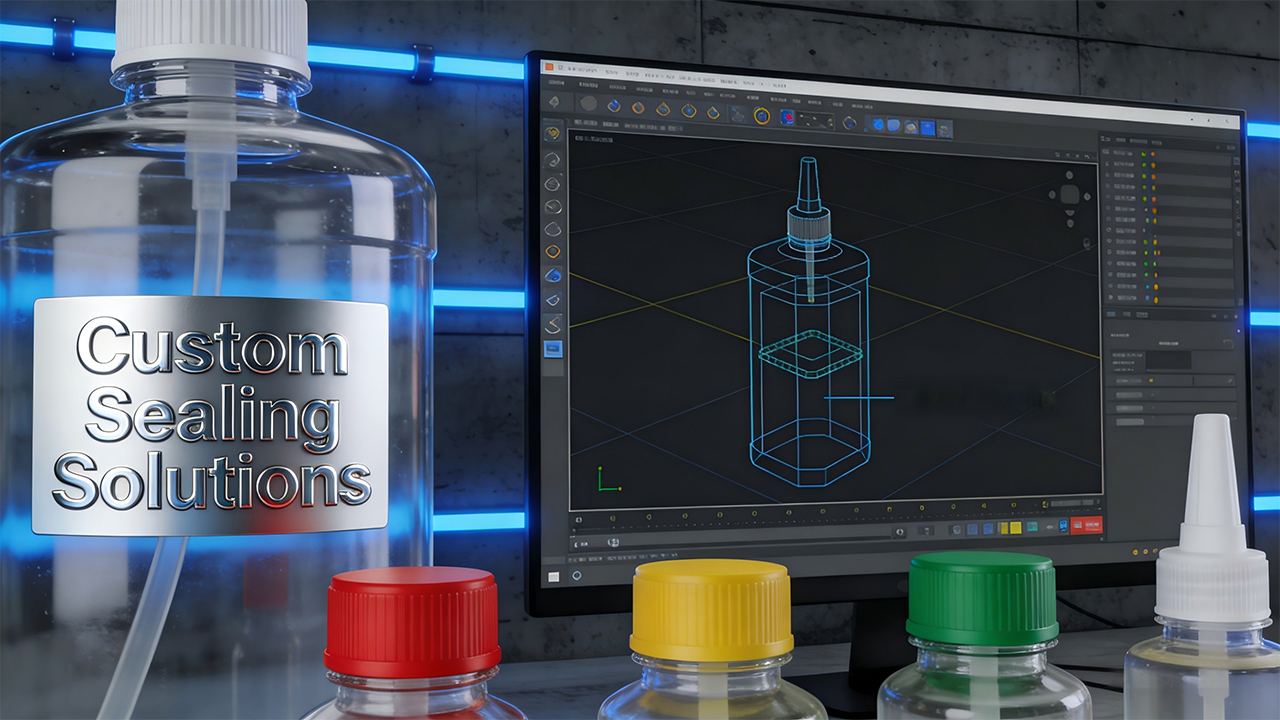
Understanding the unique requirements of our global client base, we offer highly flexible OEM and customization services. Our expert technical team works closely with customers to tailor product specifications, packaging design, color, curing profile, and physical properties to match localized regional conditions.
Whether you require a white-label supply for local retail distribution or specialized chemical formulations for extreme climates (e.g., high-humidity tropical conditions or sub-zero arctic environments), Jinfang handles the process with meticulous documentation control. We ensure that every custom batch adheres strictly to the formulation requirements and passes rigorous adhesion-in-peel testing prior to shipment.
Empowering our clients with direct OEM capacity, brand formulation, customized packaging, and screen printing services.

When you possess a mature product solution or proprietary formula, we provide an efficient and reliable "production plant" for you. We deliver qualified, high-quality products through standardized and scalable manufacturing, with strict adherence to your specifications and quality control parameters.
Based on your local market conditions, we collaborate closely with your team to develop products that truly meet your regional demands. From brand establishment to product delivery, we provide one-stop services to drive your business growth. We also offer White-Label supply to capture markets rapidly at a lower initial cost.

Our team provides tailored product solutions, meeting diverse customization needs for specific application scenarios. In compliance with strict production standards, we support the manufacturing and supply of proprietary technologies, structural modifications, and confidential formulas.

We offer a variety of packaging options, including sausage foils, hard plastic tubes, bulk pails, and toothpaste-style aluminum tubes. Through collaborative evaluation with clients, we personalize packaging with customized product labeling and sales highlights, and provide robust outer carton packaging to withstand global shipping challenges.

We offer both offset printing and screen printing, delivering clear, vibrant colors and sharp technical barcodes on the cartridge body to meet local regulatory and marketing needs.
With outstanding weatherability, temperature resistance, elasticity, and adhesion adaptability, silicone sealant has become an indispensable high-performance material.
Modern skyscraper designs rely heavily on structural glazing to maximize glass area and aesthetic sleekness. In these systems, structural silicone sealant forms the vital structural bond. Jinfang's architectural sealants withstand significant wind-load stress, seismic shear shifts, and thermal expansions, ensuring a safe building envelope. They provide long-term weatherproofing, thermal insulation, and structural integrity.
In the automotive sector, our sealants contribute to enhanced vehicle safety, noise reduction, and comfort. They provide durable damping properties, components bonding, and air/water sealing for windshield glass installation, sheet metal joints, and electronic housing elements, keeping out environmental debris and dampness.
Our solutions have earned trust in critical regional markets including Europe, Asia, and South America. We are dedicated to fostering long-term collaborations by delivering not just products, but comprehensive, reliable, and innovative sealing solutions that build value and success for our customers everywhere.
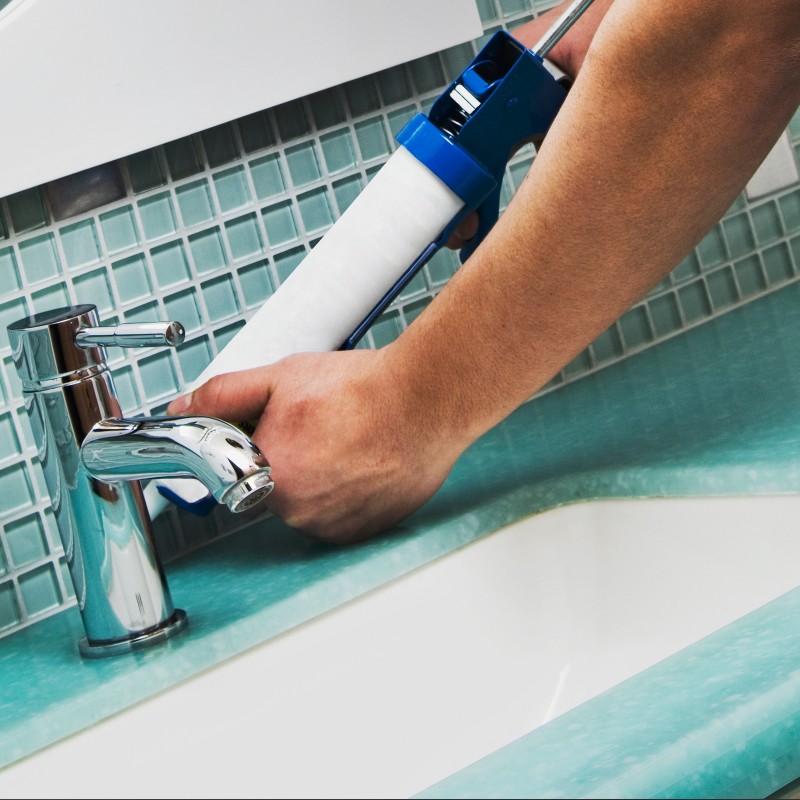
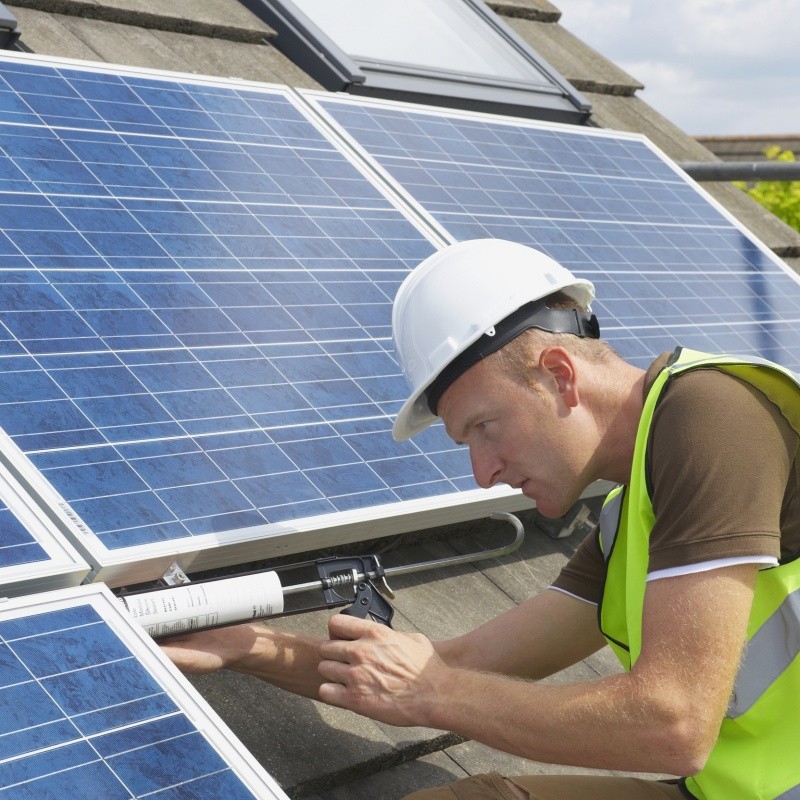
Leading the transition toward low-VOC, carbon-neutral, and bio-based adhesive solutions for the modern green building era.
In accordance with stringent international standards such as European EMICODE EC1 Plus, French A+ Regulations, and South Coast Air Quality Management District (SCAQMD) Rule 1168, Jinfang has minimized Volatile Organic Compounds in our formulations. Our water-based acrylics and neutral-cure silicone lines feature minimal VOC content, eliminating the release of offensive odors and toxic outgassing during indoor cure cycles. This facilitates points collection under major green building certification programs like LEED v4.1 and BREEAM.
Our long-term R&D roadmap focuses on replacing fossil-fuel-derived polydimethylsiloxane (PDMS) backbones with bio-based silicones derived from sustainable agricultural waste or plant-based raw materials. By partnering with domestic academic laboratories, we aim to decrease the carbon footprint of structural silicones by up to 30% over the next decade, while maintaining structural performance and tensile limits.
The environmental impact of a building facade is evaluated over decades. By engineering structural sealants with elevated UV resistance and thermal stability, Jinfang products prevent premature joint failure. A joint that survives 30 to 40 years without remediation saves significant raw materials, energy, and labor, lowering the environmental impact of modern architecture.
In-depth technical answers addressing application limits, curing, compatibility, and compliance protocols.
A: Structural silicone sealants are specifically formulated and certified (e.g., ASTM C1184, ETAG 002) to bear continuous tensile, shear, and compressive loads. They act as the structural "glue" that attaches glass, stone, or metal cladding panels to the building structure without mechanical framing. Weatherproofing sealants, on the other hand, are engineered primarily for high movement capacity (typically ± 50% or ± 100%) and UV/moisture resistance. They fill joints to prevent environmental ingress but lack the high tensile adhesion modulus required to carry permanent dead loads or wind loads.
A: Compatibility testing (in accordance with ASTM C1087) determines if accessories like spacers, gaskets, setting blocks, backer rods, and anodized aluminum profiles release plasticizers or oils that degrade the silicone bond. If incompatible components contact the structural silicone, it can lead to cohesive failure, discoloration, or complete detachment of the glass pane. Jinfang provides professional project compatibility testing in our corporate laboratories and issues official project certifications.
A: The choice depends heavily on where the glazing is executed. One-component sealants cure via atmospheric moisture, meaning the curing speed is dependent on humidity and temperature. This is highly suitable for on-site glazing, remediation work, or small-scale fabrication. Two-component sealants cure chemically throughout the joint depth once base and catalyst are mixed. Curing is fast and independent of humidity (achieving full structural strength within 24 to 48 hours), making it optimal for factory-controlled curtain wall production lines where rapid turnover of glazed frames is necessary.
A: "Structural bite" is the width of the structural silicone sealant joint that contacts both the glass panel and the metal support frame. It is designed to transfer wind load stresses and dead load forces from the glass to the frame. The calculation follows the trapezoidal wind load distribution method or the rectilineal method based on maximum wind pressure (Pa), glass dimensions (height and width), and the design stress limit of the silicone (typically 138 kPa for dynamic loads). Our technical engineering department assists clients in calculating exact bite dimensions for safety.
A: Proper cleaning is crucial. We recommend the "two-rag cleaning method." The first lint-free white rag is saturated with an approved cleaning solvent (e.g., Isopropyl alcohol or Methyl Ethyl Ketone) to wipe the substrate clean. The second clean, dry rag immediately follows to wipe the solvent off before it evaporates and redeposits contaminants. No primer should be applied unless specific adhesion tests dictate its necessity. Silicone must be extruded immediately after cleaning to prevent dust re-accumulation.
A: Our ISO 9001 and ISO 14001 certified plant employs fully automated raw material dosing and continuous processing. Each batch undergoes rigorous quality control checks, including extrusion rate testing, non-sag testing, density checks, tack-free time measurements, and mechanical performance verification (tensile strength and elongation at break). For two-component systems, we conduct daily butterfly tests to confirm uniform mixing of base and catalyst.
A: Alkoxy curing silicones release non-corrosive, mild alcohols (methanol or ethanol) during curing, which makes them highly compatible with all coated glass surfaces, copper, brass, and plastics without causing corrosion. Oxime curing silicones release methyl ethyl ketoxime (MEKO). While they offer excellent adhesion and shelf life, they may pose environmental and health challenges (subject to strict inhalation limits in Europe) and can cause light corrosion on certain sensitive metal foils. Jinfang provides optimized alkoxy formulations to meet European environmental regulations.
A: Modified Silane (MS) polymers combine the high weather and UV resistance of silicones with the paintability and non-staining characteristics of polyurethanes. They are excellent for perimeter joints, interior visible joints, and hybrid structural bonding where paint coat compatibility is required. However, for structural glazing curtain walls with continuous exposure to heavy wind loads and direct solar UV radiation, traditional high-performance structural silicones remain the industry standard due to their higher silicone-oxygen (Si-O) bond energy.
A: For European markets, structural sealants must hold European Technical Assessments (ETA) verifying compliance with ETAG 002 guidelines, and bear CE marking. In North America, they must conform to ASTM C1184 (Standard Specification for Structural Silicone Sealants) and meet the requirements of ASTM C920 (movement class). Jinfang's architectural lines conform to these international benchmarks, ensuring compliance for global project deployment.
A: The standard shelf life of Jinfang silicone sealants is 12 months from the date of manufacture when stored in the original, unopened containers in a dry, ventilated area below 27°C (80°F). Storage in temperatures above 30°C for extended periods can accelerate chemical degradation, resulting in slower cure times, reduced physical strength, or product hardening within the cartridge.
From eco-certified green building sealants to high-performance foams and tile grouts.
 Jinfang