Explore our high-performance structural weatherproofing sealants, polyurea grouts, and construction adhesives. Engineered to meet international quality baselines.
An in-depth analysis of chemical formulations, market dynamics, and procurement strategies.

The global construction and building finishing market is undergoing a major paradigm shift. Historically, tile and grout sealers were treated as temporary surface coatings. However, modern commercial architecture demands systems that can withstand structural movement, chemical exposure, and intense environmental stress.
As architectural designs grow more complex and heavy-duty industrial environments become more demanding, sealers and grouts must serve as active barriers. The current market focuses on three key factors: chemical longevity, environmental health compliance, and surface-level breathability. Traditional cementitious sealants are increasingly replaced by modern multi-component polymers, modified silanes, and polyureas.
Understanding substrate protection requires looking at the raw polymer structures. For example, Polyurea grout sealers offer exceptional flexibility and fast curing times, making them highly effective in regions with wide temperature swings. Epoxy-based systems provide maximum chemical resistance, which is essential for heavy manufacturing plants, laboratories, and commercial kitchens where harsh sanitation protocols are standard. Meanwhile, Modified Silane (MS) Polymers combine the durability of silicones with the paintability and strength of polyurethanes.
Unsealed grout remains highly porous, acting as a capillary system that draws in moisture, oils, and particulate contaminants. When water penetrates these pores, it often triggers efflorescence and weakens the overall structure. It also creates a breeding ground for mold and mildew. High-quality tile and grout sealers solve this by coating the microscopic channels of the grout, either by forming a protective surface film or by penetrating deep into the material to create a hydrophobic barrier.
Global environmental regulations continue to tighten. Modern architects and project developers must prioritize indoor air quality, which means meeting low-VOC standards like LEED (Leadership in Energy and Environmental Design), REACH, and EU IROS. China's top manufacturing plants are leading this shift, transitioning away from solvent-based carriers to advanced water-based emulsions and high-solids formulations that keep emissions low without compromising on durability.
Evaluate the chemical and physical characteristics of primary industrial tile, grout, and joint sealants.
| Sealant & Grout Category | Primary Polymer Base | UV Resistance Profile | Elongation & Elasticity | Key Application Environment |
|---|---|---|---|---|
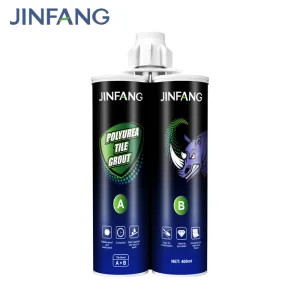
| Polyurea Tile Grout | Aliphatic Polyurea Co-Polymer | Excellent (Non-Yellowing) | Moderate to High (350%) | High-traffic retail, outdoor patios, wet rooms |
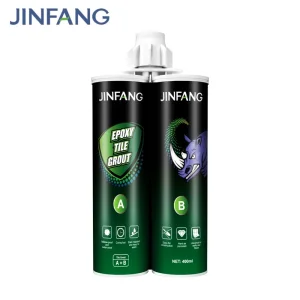
| Epoxy Resin Grout | Bisphenol A/F Epoxy + Hardener | Moderate (Slight ambering over time) | Low (Rigid & Structural) | Food preparation plants, cleanrooms, pools |
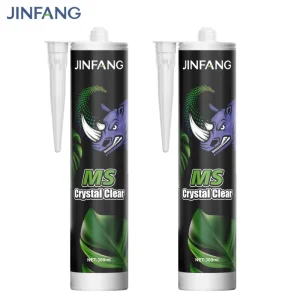
| MS Polymer Sealant | Silyl-Terminated Polyether | Excellent (Highly Stable) | High (Up to 600%) | Precast concrete facades, structural joints |
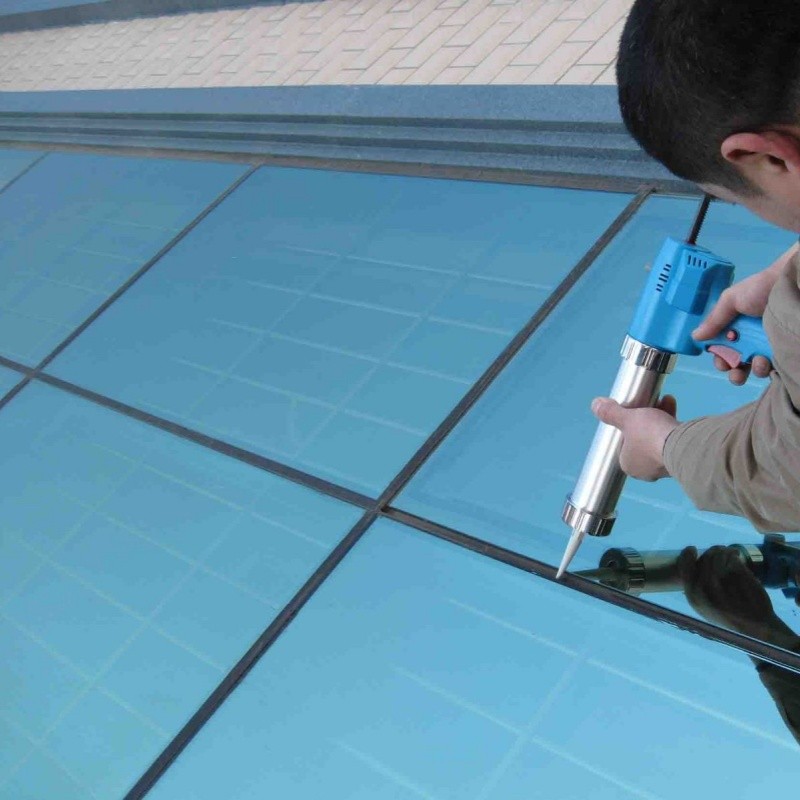
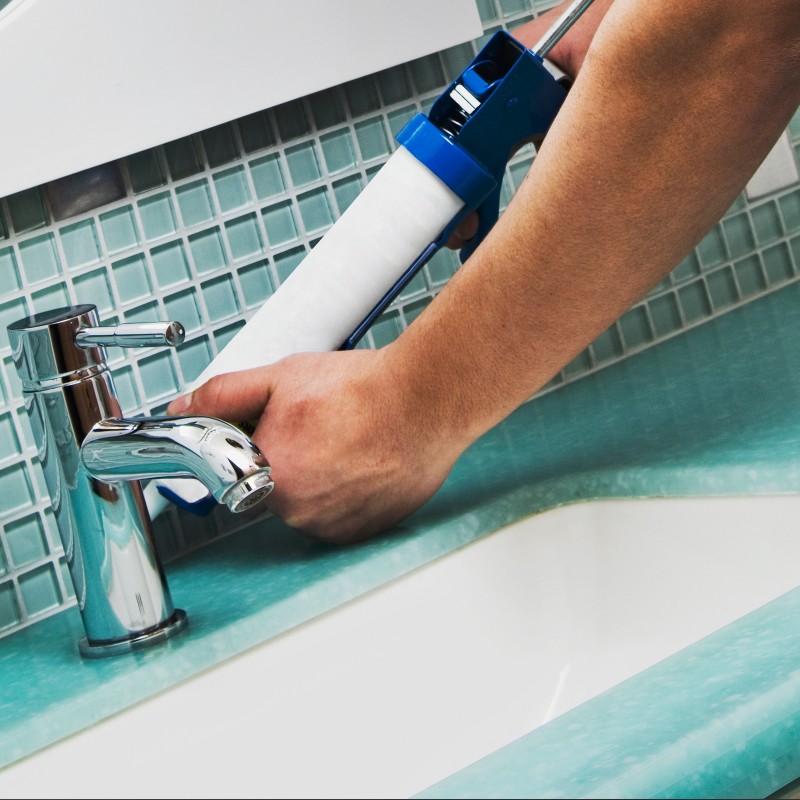
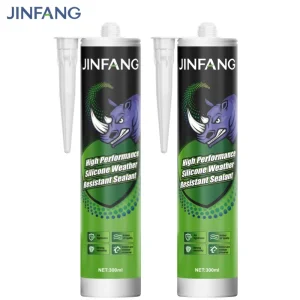
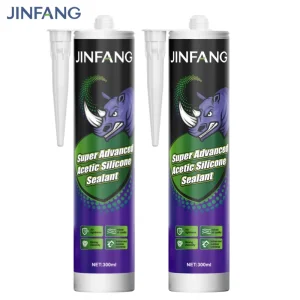
| Acetic Silicone Sealant | Polydimethylsiloxane (Acid Curing) | Very Good | High Elasticity | Glass glazing, high-humidity sanitary areas |
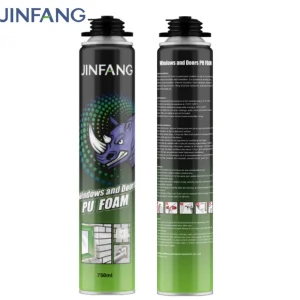
| PU Foam Sealant | Polyurethane Prepolymer | Needs coating protection | Expansive Curing | Window/door frame thermal & acoustic isolation |
At Shandong Jinfang Adhesive Industry Co., Ltd., we believe that true product reliability stems from scientific research. We have established deep research partnerships with leading academic institutions, including Shandong University, Xiamen University, and Linyi University. These collaborations allow us to attract top research talent and continuously improve our polymer technologies.
By studying how polymers cross-link on different surfaces, our R&D teams have developed advanced formulas that resist weather wear, mold growth, and chemical cleaning agents. Our active research infrastructure is supported by state-of-the-art testing equipment that replicates years of environmental stress in just a few days, ensuring every batch meets the highest global standards.
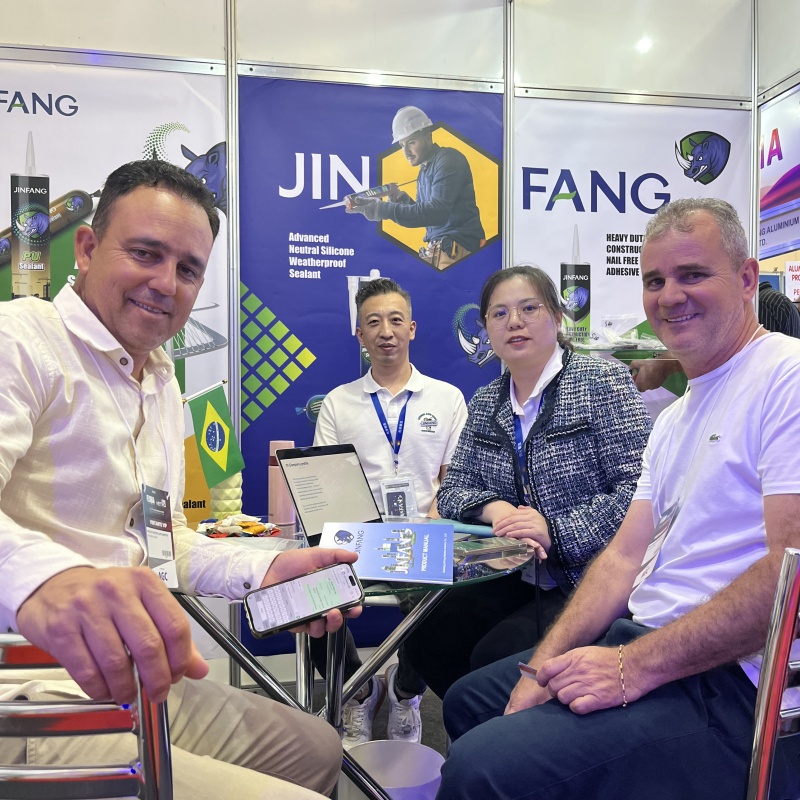
Why global enterprise distributors choose Shandong Jinfang as their strategic sourcing partner.
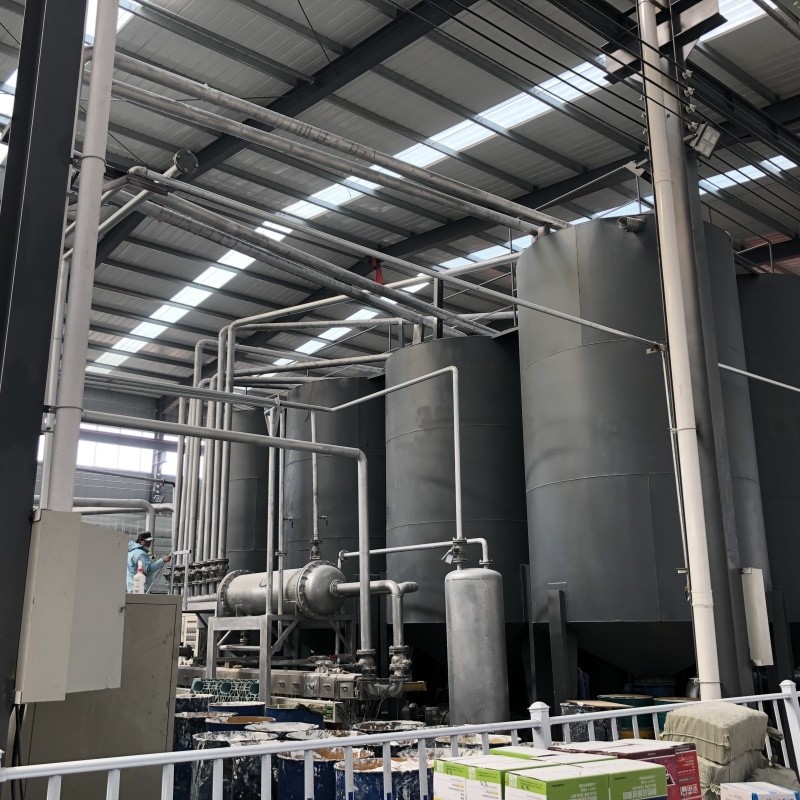
Our factory is located in the industrial heart of Shandong Province, giving us direct access to essential raw materials. This close proximity minimizes transport delays, stabilizes production costs, and shields our clients from sudden global supply chain disruptions.
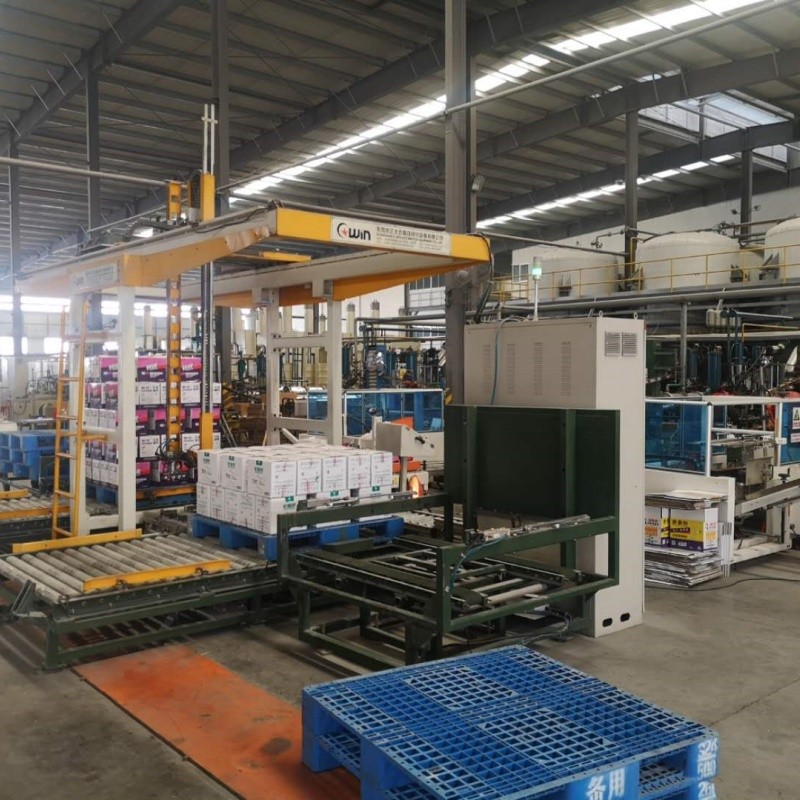
We run fully automated production lines that handle raw material feeding, compounding, cartridge injection molding, and final product packaging in one continuous workflow. This level of automation keeps batch-to-batch quality highly consistent while reducing manual handling errors.
Every batch of adhesive, sealant, and grout goes through a multi-stage testing process. We verify key performance indicators like tensile strength, elongation limits, freeze-thaw stability, and curing speeds against ISO 9001 and ISO 14001 guidelines before shipping.
Tailored formulations, custom packaging configurations, and brand design options for global importers.
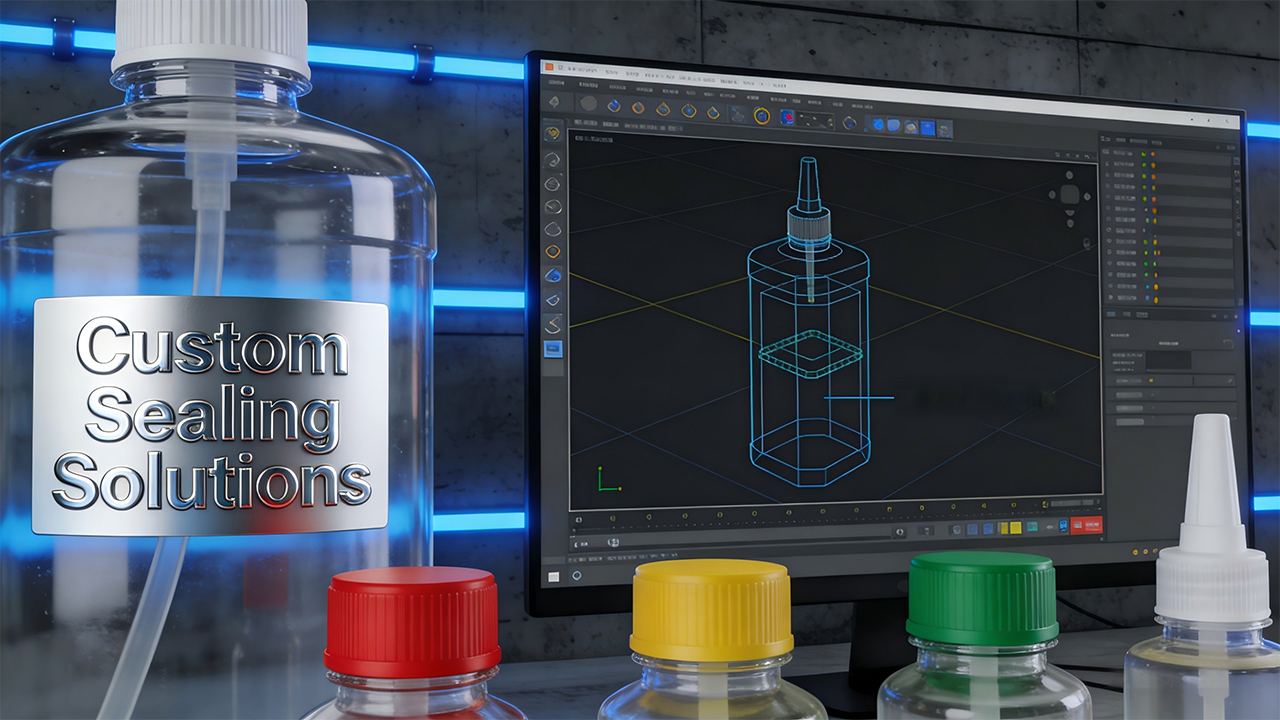
We work closely with global B2B clients to tailor our chemical products to their specific project demands. Whether you need custom curing rates, specific color matching for architectural projects, or low-odor formulas for indoor environments, our R&D team can deliver.
We offer diverse packaging formats, including sausages, hard cartridges, bulk pails, and specialty tubes. We support both offset printing and screen printing, helping you present a polished, professional brand in your target market.
Get technical insights from our chemistry engineers to help you make informed decisions when importing adhesives and sealants.
A: The primary differences lie in flexibility, UV stability, and cure times. Polyurea is highly flexible and naturally resistant to UV light, which prevents it from yellowing outdoors. It also cures rapidly, allowing spaces to return to service quickly. Epoxy grouts, on the other hand, cure to a very rigid, dense state. This rigidity offers superior resistance to harsh industrial chemicals, making it ideal for facilities like commercial kitchens and chemical processing plants.
A: We formulate our sealants and adhesives with freeze-thaw stabilizers to prevent separation or loss of adhesion during transit through cold regions. We also track our export containers carefully to ensure they are stored under appropriate temperature conditions during maritime transit, keeping the product stable and ready for use when it arrives.
A: Yes. We customize our packaging styles to fit your target market. For retail buyers, we offer standard 300ml cartridges and small squeeze tubes with eye-catching, high-resolution printing. For commercial contractors, we provide 600ml foil sausages and bulk pails that reduce waste and streamline application on large-scale job sites.
A: Our products and facilities comply with key global management and product standards, including ISO 9001:2015 for quality control, ISO 14001:2015 for environmental management, and the European Union's IROS standards. We also offer certifications showing low VOC compliance, which is essential for projects seeking LEED status.
Our high-performance sealants and adhesives are relied on by builders and distributors in over 30 countries.

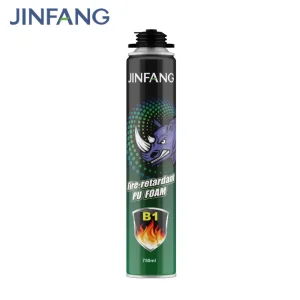
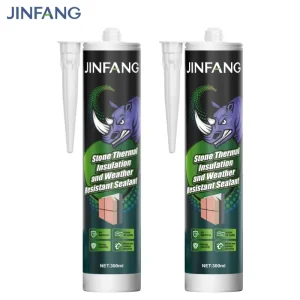
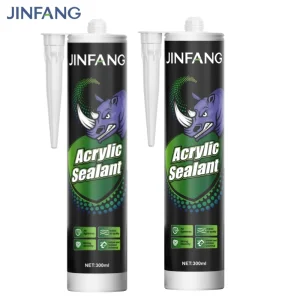
Explore our structural mounting adhesives, fire-retardant expanding foams, and eco-friendly acrylic sealants.
 Jinfang