Empowering Global Smart Infrastructure and High-Precision Manufacturing with Next-Generation Silyl Modified Polymer Formulations
Engineered high-performance formulations serving structural glazing, vehicle assembly, and green architectural construction projects.
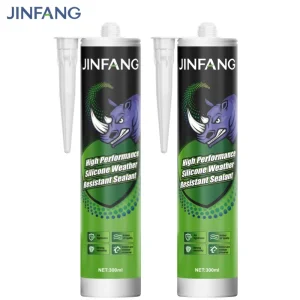
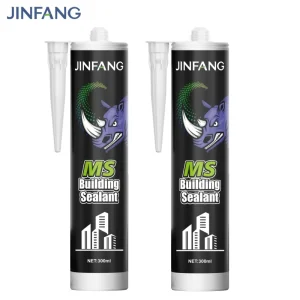
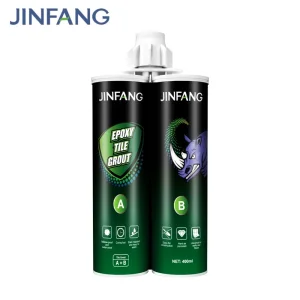
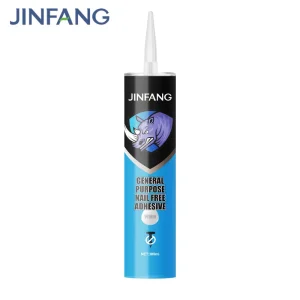
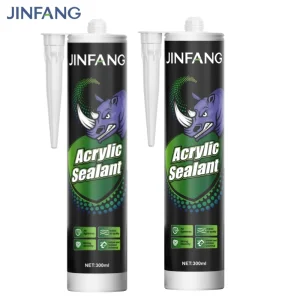
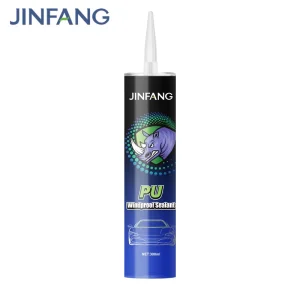
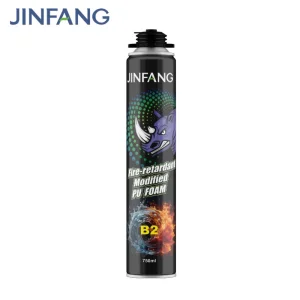
An authoritative guide to Silyl Modified Polymers (SMP) for engineering, procurement, and operations leaders.
Silane Modified Polymers (MS Polymers or SMP) represent the apex of hybrid organic bonding technologies. Originally developed in Japan to resolve the inherent fragility of polyurethanes and the high substrate contamination profiles of traditional silicones, MS adhesives cross-link via a silane group combined with a polyether backbone. The chemical architecture provides a unique synthesis of performance dynamics: the flexible, high-tensile elasticity of polyurethane combined with the outstanding UV resistance and weathering performance of silicones.
The manufacturing blueprint of modern MS adhesives centers around an isocyanate-free curing mechanism. Unlike standard polyurethane adhesives that rely on reactive isocyanate monomers—which present severe occupational health hazards and are prone to bubbling when reacting with ambient moisture—MS Adhesives undergo moisture-triggered silanol condensation. This produces a neutral cure, generating zero carbon dioxide bubbles, thereby protecting the mechanical integrity of structural bonds from micro-fissures.
Future development roadmaps at Shandong Jinfang focus heavily on polymer backbone adjustments. By controlling the cross-linking density of silyl groups, our laboratory can design adhesives that range from ultra-low modulus sealants with over 800% elongation capacity, to high-rigidity structural bonding agents showing shear strengths exceeding 4.5 MPa. Additionally, the transition toward bio-sourced polyether polyols and next-generation organometallic catalyst systems ensures compliance with upcoming global restriction schemes on tin-based catalysts.
How Shandong Jinfang integrates academic R&D with advanced automated production lines.
Based in Shandong Province, China’s industrial manufacturing hub, Shandong Jinfang operates a highly integrated facility executing raw material verification, automated polymerization compounding, cartridge injection molding, and digital packaging. Our close research alliances with premier institutions—including Shandong University, Xiamen University, and Linyi University—allow us to translate academic chemical research into industrial-grade products.
By managing our injection molding lines in-house, we eliminate supply dependencies, ensuring that cartridge tolerances match perfectly with high-speed automated packaging machines. This level of vertical integration ensures that our clients receive consistent products, free from cartridge leakage or premature moisture contamination.

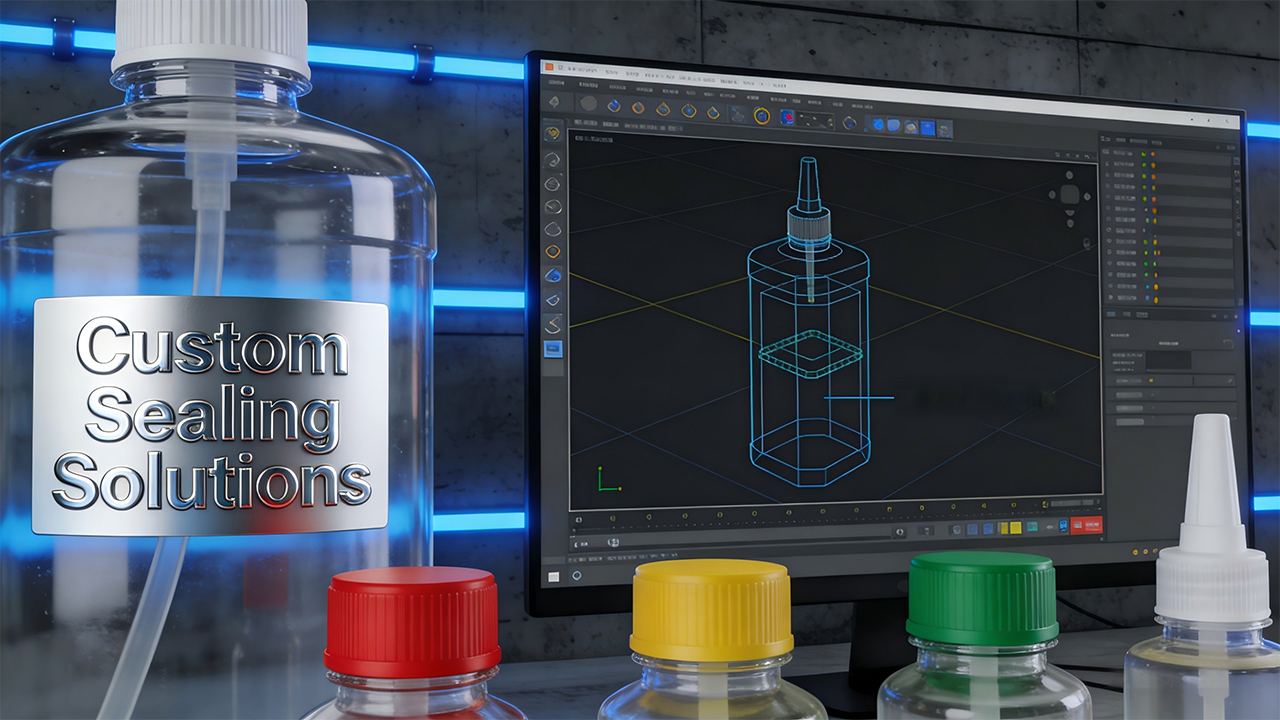
From custom formulations to advanced package design, we deliver solutions tailored to your market demands.
Provide us your proprietary formulation or target datasheets, and we will configure our automated production lines to manufacture it. We handle everything from raw material sourcing to final batch verification, ensuring consistency across every run.
Our research lab adjusts performance profiles to meet specific project environments. We customize viscosity for vertical applications, extend skin-forming time for high-temperature work, and adjust shore hardness to match joint dynamics.
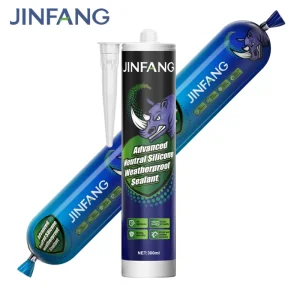
We supply in a wide range of packaging types, including 300ml rigid cartridges, 600ml foil sausages, paste tubes, and bulk drums for industrial dispensing lines. Custom labeling and master carton layouts are configured to your brand standards.
Navigating global regulatory landscapes is essential for supply continuity in public infrastructure and automotive production. Shandong Jinfang ensures compliance with leading international regulatory systems:
Important chemical factors and quality metrics that technical buyers must evaluate during supplier selection.
MS polymers offer primerless adhesion to glass, metals, composites, plastics, wood, and concrete. Verify that adhesion profiles align with your engineering parameters.
Unlike standard silicones, which repel paints, MS adhesives can be overpainted with most water-based coatings, saving time in finishing operations.
Solvent-free formulations yield nearly zero shrinkage. This maintains structural design geometry and avoids stress concentrations at bond lines.
The silane backbone prevents polymer degradation, cracking, or yellowing under continuous solar exposure, offering performance equivalent to high-grade silicone sealants.
Addressing technical and commercial procurement inquiries from engineering and project directors.
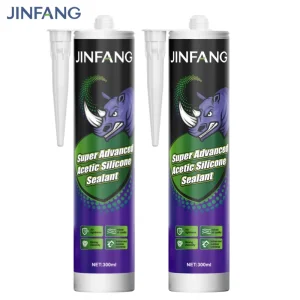
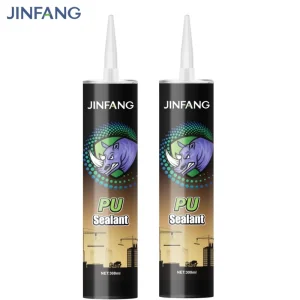
Explore our diverse chemical products, engineered to withstand challenging environmental conditions.
 Jinfang