Explore our factory-direct commercial and structural product lines certified for heavy-duty construction and weatherproofing applications.
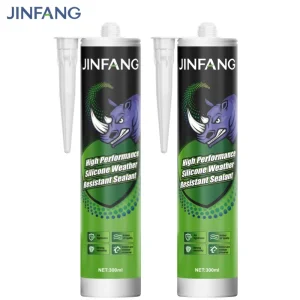
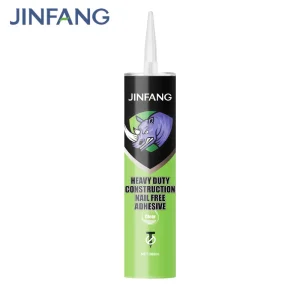
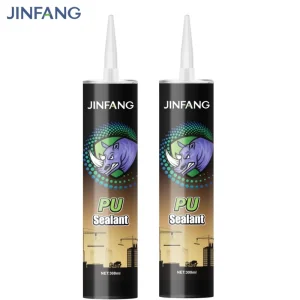

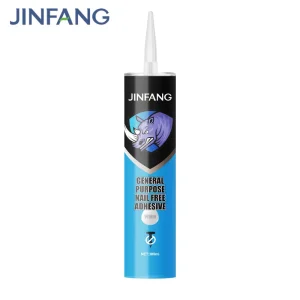
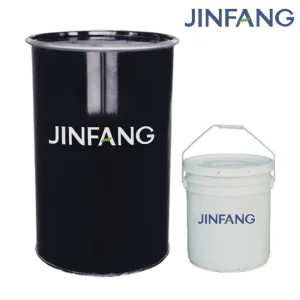
In modern architectural design and building optimization, the envelope plays a critical role in determining thermal efficiency, structural integrity, and longevity. Among all technologies, Spray Polyurethane Foam (SPF) Roofing stands out as a high-value mechanism designed for commercial and industrial roofs. As a leading manufacturer specializing in industrial adhesives, sealants, and polyurethane systems, Shandong Jinfang Adhesive Industry Co., Ltd. produces advanced formulations to meet the evolving needs of global builders and distributors.
This comprehensive technical whitepaper explores the chemistry, structural advantages, localized application challenges, manufacturing supply chain dynamics, and future research paths of polyurethane foam systems. By examining materials science, global building standards, and real-world installation requirements, we provide architects, developers, and distributors with the technical insights needed to make informed project decisions.
Your Trusted Partner in Advanced Sealing and Thermal Insulation Solutions.
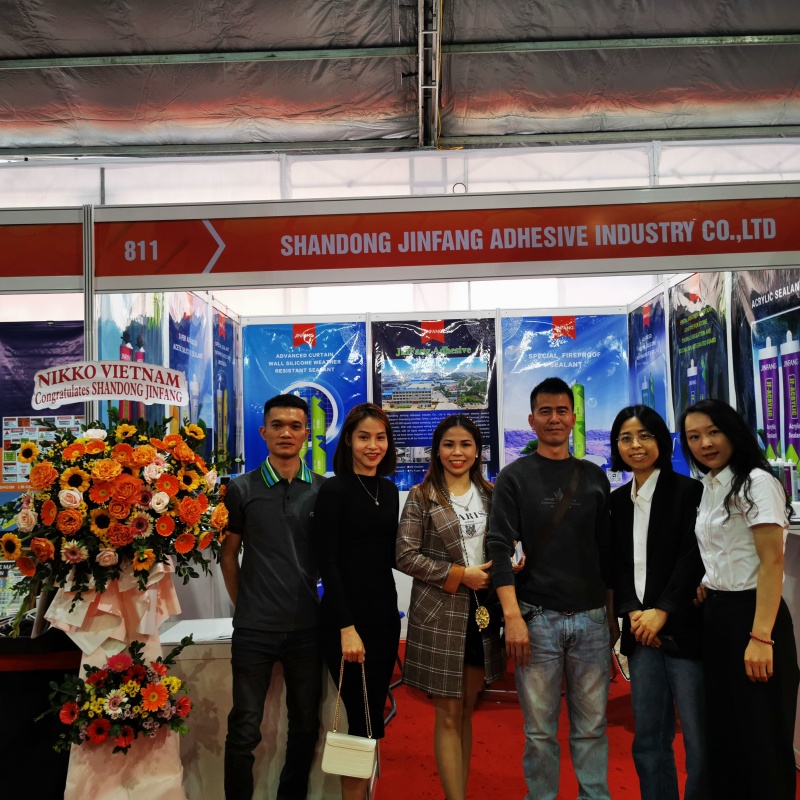
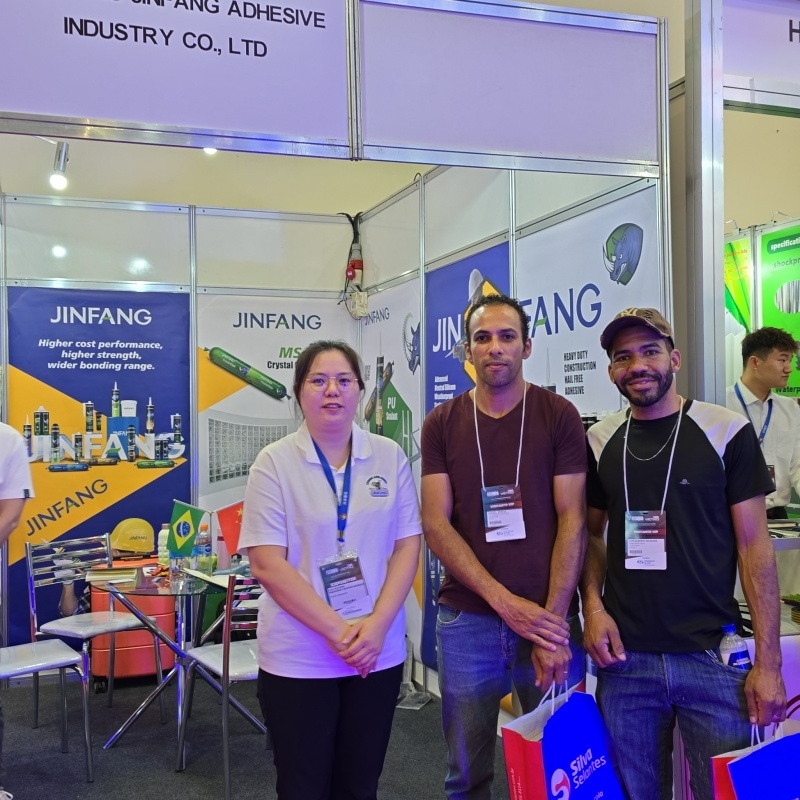
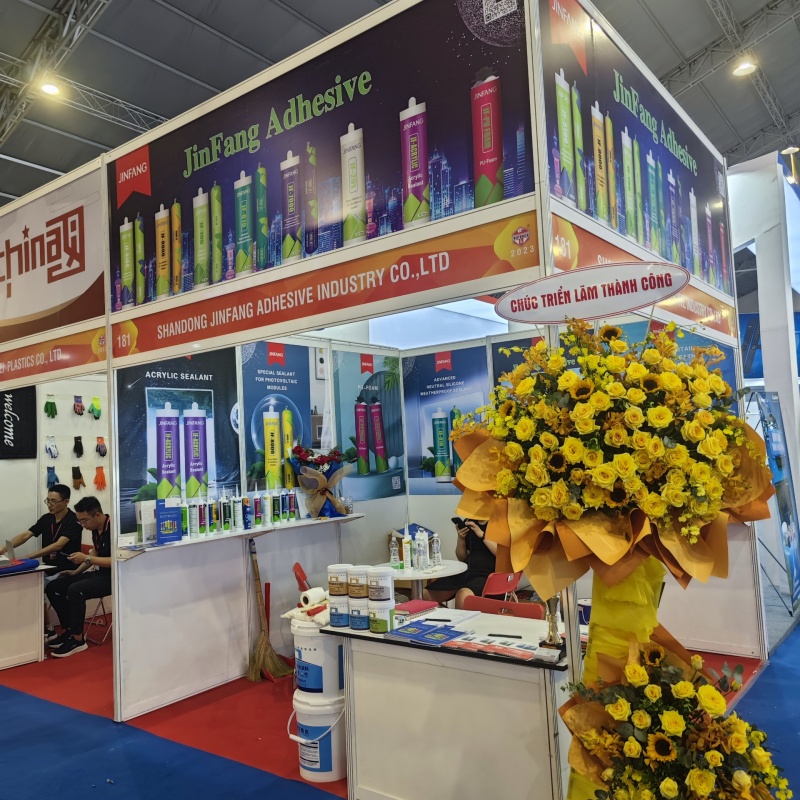
Strategically located in the heart of Shandong Province, a major industrial hub in China, Shandong Jinfang Adhesive Industry Co., Ltd. stands as a leading manufacturer specializing in the research, development, and production of high-performance adhesive and sealant products. With a steadfast commitment to innovation and quality, we have built a comprehensive portfolio that includes silicone sealant, PU Foam, MS sealant, nail-free glue, tile grout, and PU sealant.
Our products are engineered to meet the rigorous demands of diverse applications, primarily serving the construction and automotive industries. In construction, we provide durable solutions for structural glazing, window installation, joint sealing, and interior finishing, ensuring long-term weatherproofing, thermal insulation, and structural integrity. In the automotive sector, our sealants contribute to enhanced vehicle safety and comfort through effective vibration damping, component bonding, and air/water sealing.

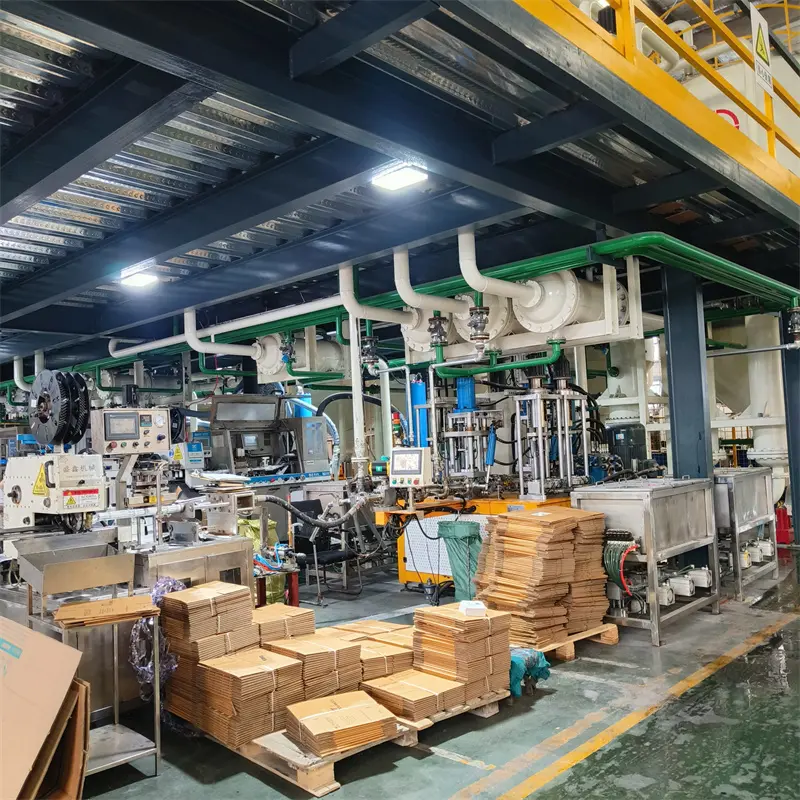
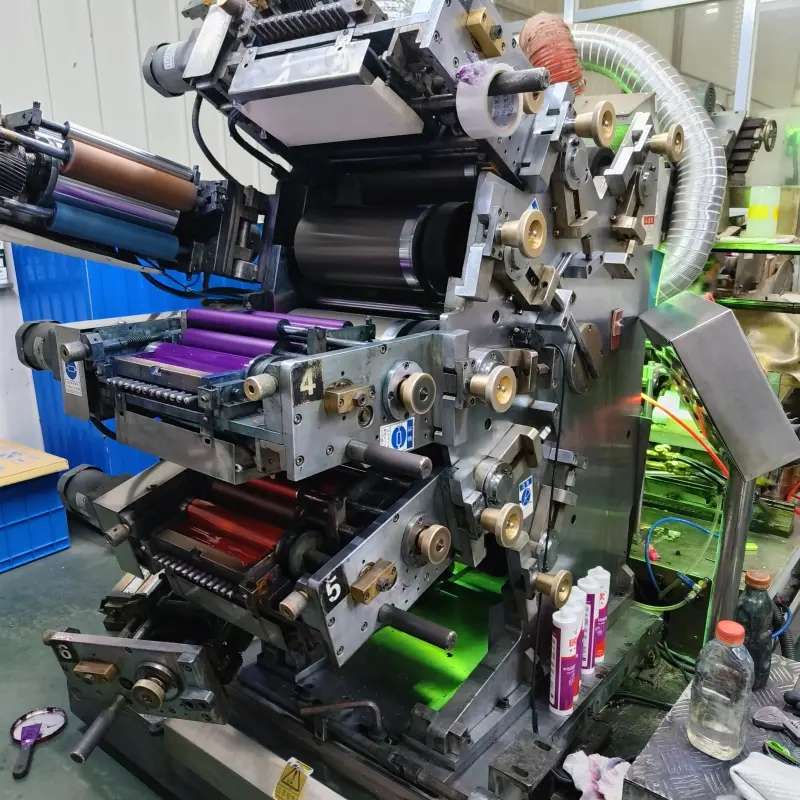
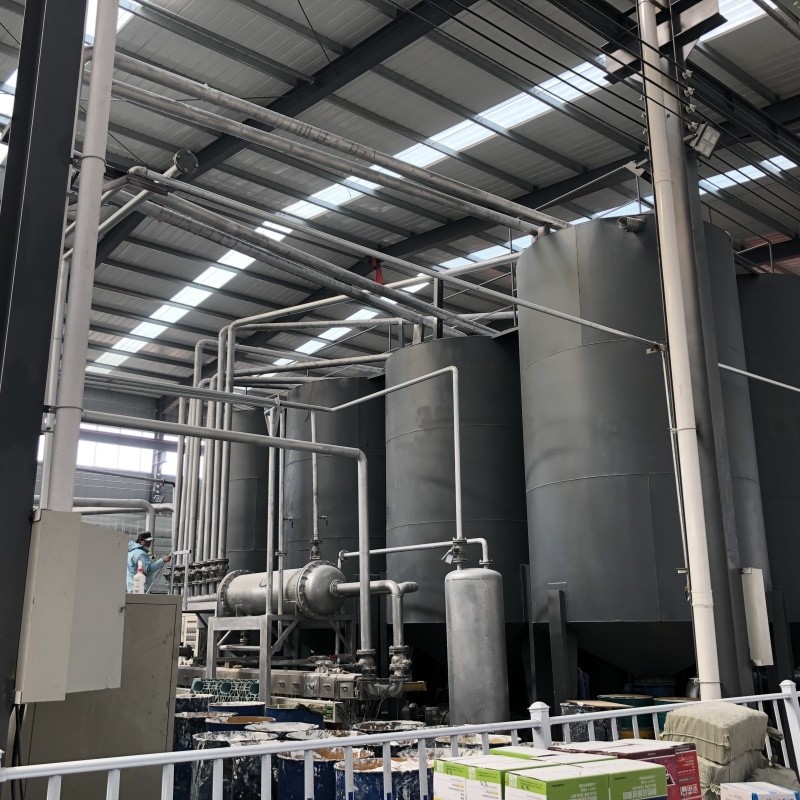
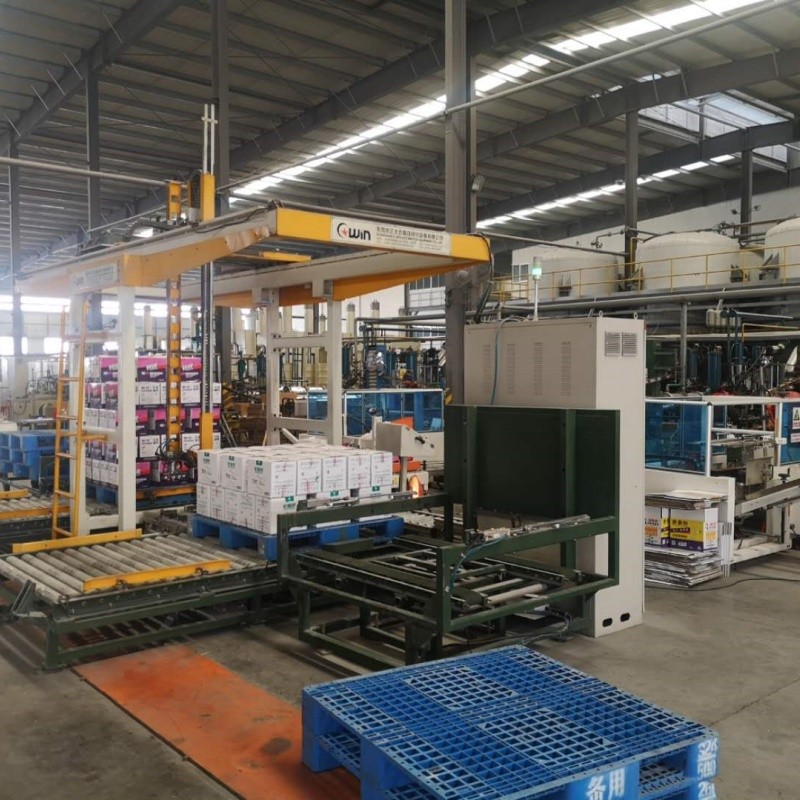
Our automated manufacturing facility covers every stage of production: from base chemical synthesis and formulation blending to cartridge injection molding and automated labeling. This system ensures consistent quality across all batches of PU foam, silicone, and structural adhesives.
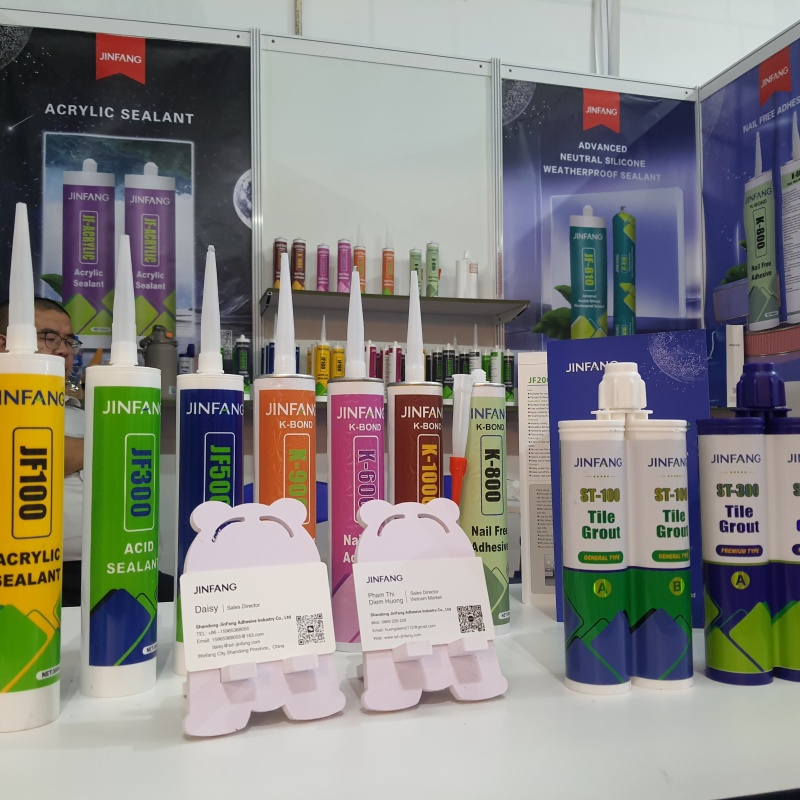
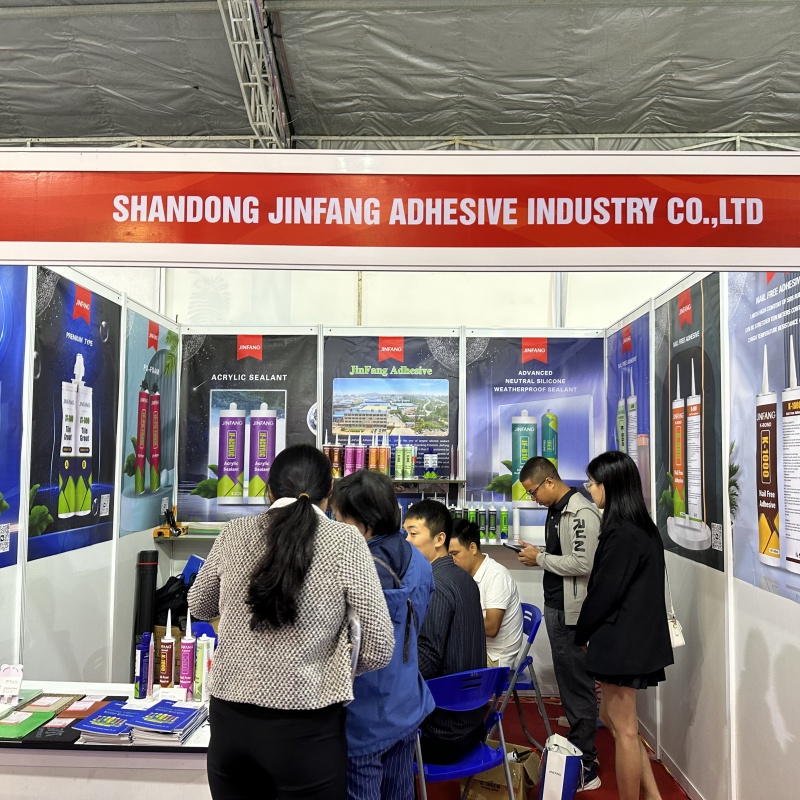
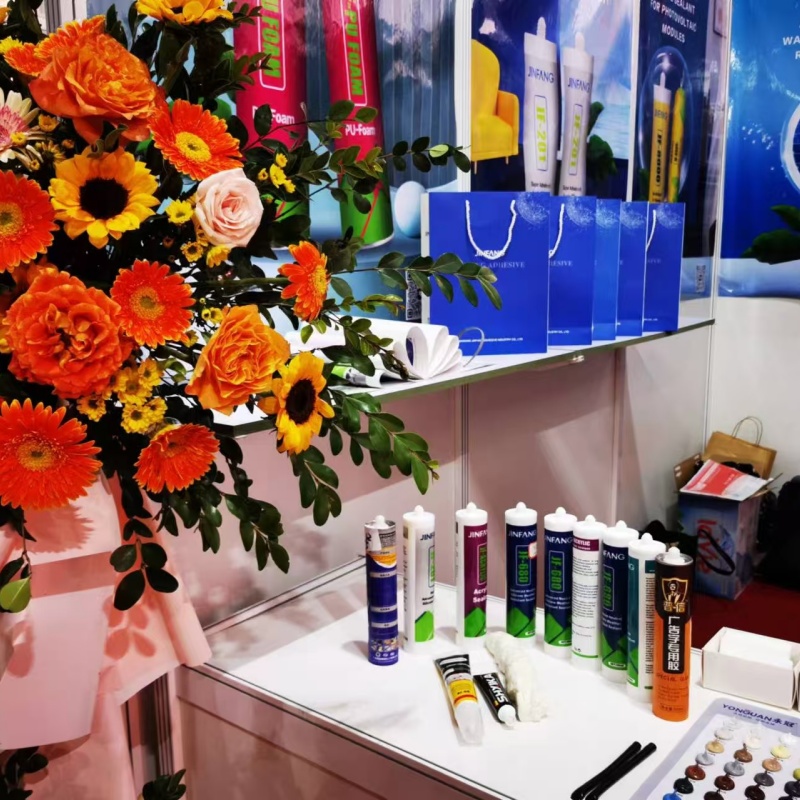
Spray Polyurethane Foam (SPF) roofing systems are created by mixing two liquid components—isocyanate (commonly Methylene Diphenyl Diisocyanate or MDI) and a polyol blend—at high pressure and temperature in a specialized spray gun. When sprayed onto a roof substrate, the mixture reacts chemically, expanding to about 30 times its liquid volume to form a continuous, seamless, and monolithic insulating layer.
From a materials science perspective, SPF used for roofing is classified as closed-cell polyurethane foam, typically with a density between 2.5 to 3.0 pounds per cubic foot (pcf). This high density provides the necessary compressive strength to withstand light foot traffic and maintenance loads while maintaining excellent thermal resistance (R-value).
| Performance Indicator | Typical Value (Closed-Cell SPF) | Test Protocol Reference | Engineering Benefit |
|---|---|---|---|
| Core Density | 40 - 48 kg/m³ (2.5 - 3.0 lbs/ft³) | ASTM D1622 | Provides structural support and wind resistance |
| Compressive Strength | ≥ 275 kPa (40 psi) | ASTM D1621 | Withstands maintenance traffic and mechanical pressure |
| Thermal Resistance (R-value) | R-6.2 to R-6.8 per inch | ASTM C518 | Minimizes building heat transfer to lower energy costs |
| Closed Cell Content | ≥ 90% | ASTM D6226 | Resists water absorption and moisture penetration |
| Water Absorption | ≤ 1.0% by volume | ASTM C272 | Maintains insulation performance even in humid conditions |
| Dimensional Stability | < 1% linear change | ASTM D2126 (at 70°C / 97% RH) | Prevents shrinking, warping, or cracking over time |
Because SPF is seamless, it eliminates the joints and seams that are common failure points in traditional membrane roofing systems (such as EPDM, TPO, or modified bitumen). Its self-flashing property allows the foam to adapt to irregular architectural details, penetrations, parapet walls, and HVAC curbs, creating a continuous thermal and air barrier.
Different climates pose unique structural challenges to roofing systems. SPF systems can be customized to perform reliably in diverse environments worldwide.
Tropical coastal zones are subject to high wind uplift forces during severe weather. Traditional mechanically attached or adhered membrane roofs can experience peel stress at the perimeter, potentially leading to catastrophic failure. SPF roofing is fully adhered to the deck, creating a monolithic seal that reduces wind lift risk. Its seamless application eliminates joints where wind can enter and lift the system, making it suitable for hurricane-prone areas.
In hot regions like the Middle East or parts of Australia, roofs are exposed to intense UV radiation and high temperatures, which can accelerate thermal aging. SPF is coated with a protective elastomeric layer (typically silicone or acrylic). The combination of insulating PU foam and a reflective white elastomeric coating helps keep roof surface temperatures close to ambient, reducing the heat load on the building and mitigating the heat island effect.
In sub-zero climates like Northern Europe or Canada, maintaining indoor temperature is critical. With an R-value of up to 6.8 per inch, SPF provides effective thermal insulation. It helps minimize thermal bridging and air infiltration at joints, reducing condensation risks inside the building envelope and lowering heating costs.
The market for energy-efficient commercial and industrial roofing systems is expanding rapidly, driven by stricter energy building codes and rising operating costs.
Cold storage facilities and logistics centers require precise indoor climate control. Standard roofing systems often struggle to prevent thermal bridging at joists and panel connections, resulting in continuous energy loss. SPF roofing provides a continuous, highly insulated envelope that helps maintain consistent internal temperatures, reducing cooling loads and operating costs. Its lightweight nature also minimizes dead loads on long-span steel structures.
Manufacturing facilities often generate internal heat, moisture, and chemical emissions. SPF roofing resists moisture intrusion and has high chemical stability, protecting the building structure. The system's seamless design seals pipe penetrations, exhaust vents, and structural supports, helping to maintain a durable, leak-free roof deck.
Replacing an existing commercial roof can be disruptive, expensive, and generate significant waste. In retrofitting projects, SPF can often be applied directly over a clean, dry existing roof (such as built-up roof or metal deck), eliminating the need for a complete tear-off. This reduces demolition waste sent to landfills and minimizes disruption to daily business operations.
Furthermore, when the protective coating on an SPF roof eventually wears down, the roof can be recoated to extend its service life, making it a sustainable choice for long-term facility management.
As a major global supplier of polyurethane systems, Shandong Jinfang leverages China's industrial infrastructure to deliver reliable, high-quality products to international markets.
Our production facilities utilize modern automated systems for chemical synthesis and temperature control. This automation helps maintain consistent viscosity, reactivity times, and cell structure in our PU foam and sealants, ensuring reliable performance across all batches.
We work closely with leading academic institutions, including Shandong University, Xiamen University, and Linyi University. These partnerships support ongoing research into chemical formulations, flame retardants, and raw materials, helping us recruit top-tier talent and drive product innovation.
Our location in Shandong Province provides access to major shipping ports like Qingdao. This proximity, combined with integrated local chemical supplies, enables us to offer an average order-to-shipment turnaround time of 15 business days, helping our global partners manage inventory efficiently.
The polyurethane industry is shifting toward more environmentally friendly chemistry and smarter application methods.
Traditional hydrofluorocarbon (HFC) blowing agents are being replaced by hydrofluoroolefins (HFOs). HFO blowing agents have a Global Warming Potential (GWP) of near zero and an Ozone Depletion Potential (ODP) of zero. These formulations also offer slightly higher R-values, supporting both environmental compliance and building thermal performance.
Research is focused on replacing petroleum-based polyols with bio-based alternatives derived from natural oils like soy, castor, and rapeseed. Incorporating bio-polyols reduces the carbon footprint of PU foam production without compromising mechanical properties, supporting sustainable building certification programs like LEED and BREEAM.
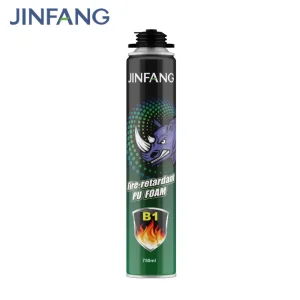
Stricter building codes require improved fire performance for insulation materials. New research into halogen-free flame retardants seeks to achieve B1 class fire ratings while reducing toxic smoke emissions during fire exposure. This improves overall safety in commercial and residential construction.
The use of robotic sprayers and drone-assisted mapping is growing. Drones can inspect roofs using thermographic imaging to locate wet insulation or thermal anomalies, allowing targeted repairs. Robotic sprayers help apply PU foam at a consistent thickness, reducing material waste and labor costs.
At Shandong Jinfang, we offer customized manufacturing services to meet the specific requirements of our clients' projects.
We provide comprehensive OEM services for global brands. Clients can specify packaging, container types (including cartridges, sausages, and bulk drums), and labeling. We handle the manufacturing to meet our clients' brand guidelines and standards, enabling rapid market entry.
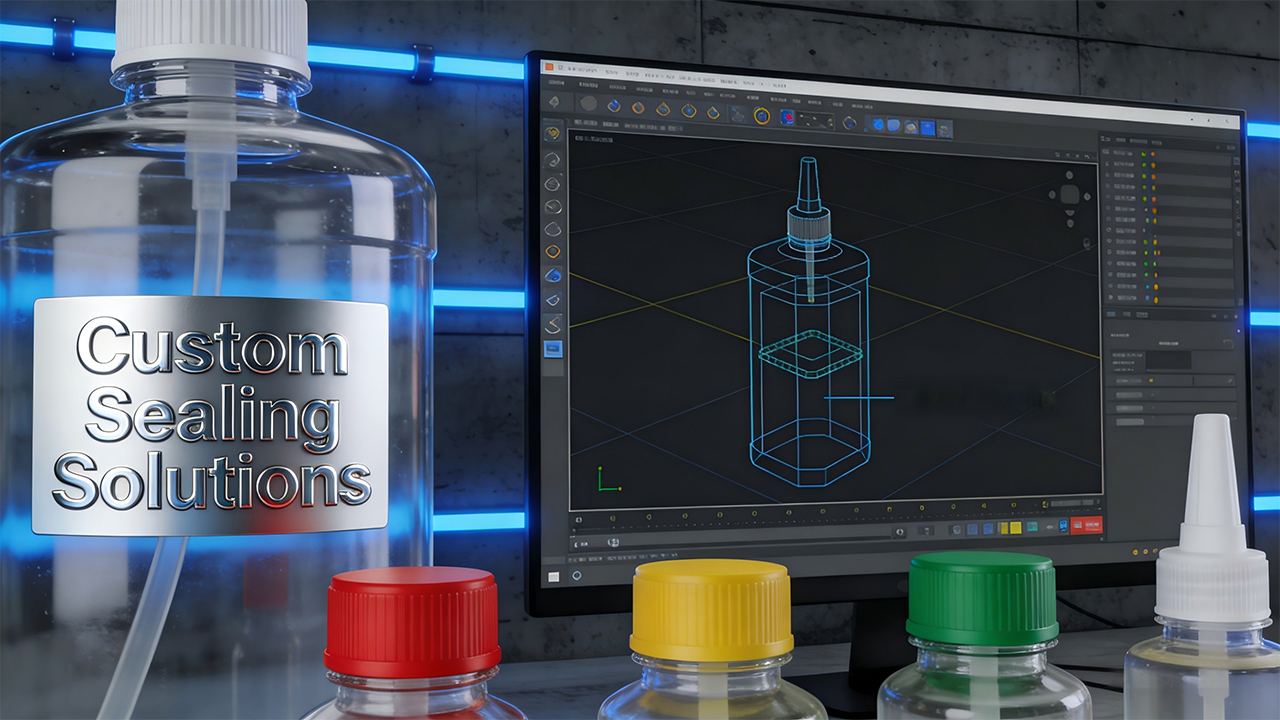
Our technical team can adjust chemical parameters such as curing speed, density, viscosity, and temperature tolerance. This allows us to formulate products optimized for specific climates, substrates, or application methods, ensuring reliable field performance.
Our manufacturing and quality control processes are certified under ISO 9001 and ISO 14001. Many of our core products carry EU certifications, including IROS and CE, ensuring compliance with international construction, safety, and environmental standards.
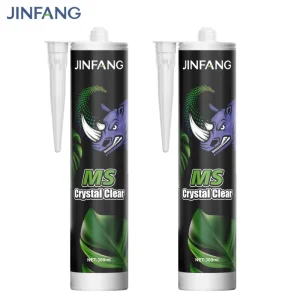
With outstanding weatherability, temperature resistance, elasticity, and adhesion adaptability, silicone sealant has become an indispensable high-performance material in modern construction, manufacturing, and home improvement. It remains stable under extreme conditions and long-term use, delivering durable and reliable sealing and bonding protection for joints and interfaces of all kinds.
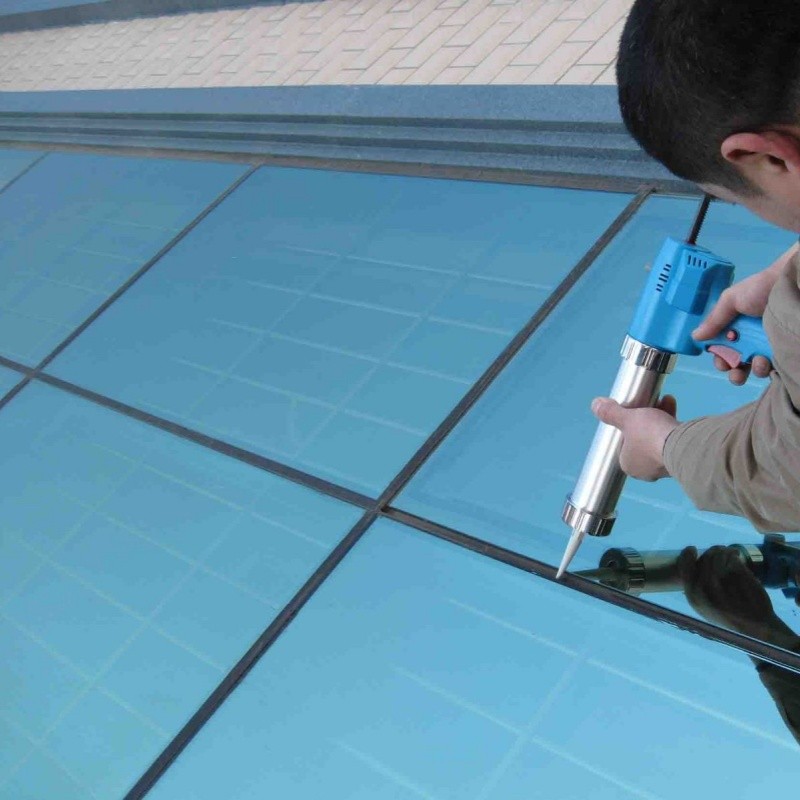
Our high-performance structural silicone sealants transfer wind loads from glass panels to the building frame, providing adhesion that resists environmental exposure, wind pressure, and thermal expansion.
Designed to seal joints in curtain walls, metal panels, and concrete structures. These sealants accommodate joint movement caused by temperature swings and wind shear, helping to keep the building envelope weather-tight.
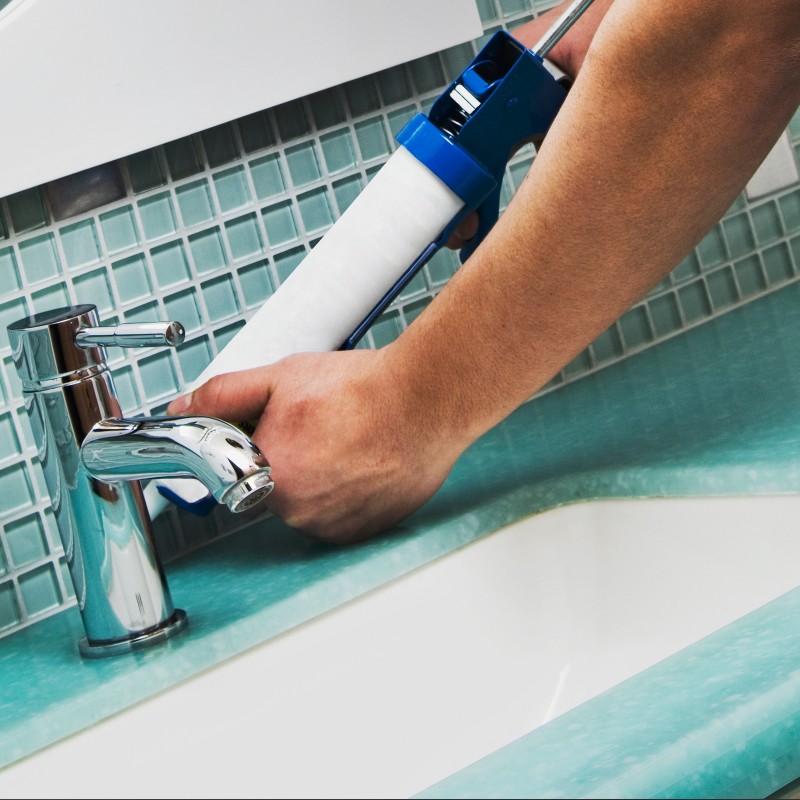
Our water-based acrylics and specialized silicones seal joints around windows, doors, and interior partitions, providing moisture resistance and clean margins for interior finishing work.



Get authoritative, direct answers regarding polyurethane foam chemistry, application standards, bulk procurement, and factory lead times.
Closed-cell spray polyurethane foam is the only SPF formulation suitable for exterior roofing. It has a high density (2.5 to 3.0 pcf), a compressive strength of 40 psi or higher, and a closed-cell content of over 90%. This dense structure prevents liquid water absorption and provides structural resistance against wind and light foot traffic. Open-cell foam is lightweight (0.5 pcf) and porous, making it unsuitable for roofing because it absorbs moisture and lacks structural strength.
SPF roofing has a high R-value of up to 6.8 per inch, which reduces building heating and cooling loads. When combined with a highly reflective white elastomeric topcoat, it reflects solar radiation and helps lower roof surface temperatures. These properties support energy conservation and can contribute to LEED credits in categories such as Energy and Atmosphere (Optimizing Energy Performance) and Materials and Resources (Building Life-Cycle Impact Reduction).
Substrates must be clean, dry, free of loose debris, oil, dust, and structurally sound. Water on the substrate will react with the isocyanate component in the SPF, creating carbon dioxide gas. This can cause voids, blisters, and poor adhesion. Depending on the substrate (e.g., concrete, wood, metal, or asphalt), primers may be recommended to optimize adhesion and prevent chemical reactions with the substrate.
Yes. In many jurisdictions, building codes allow SPF to be applied directly over an existing roof system, provided the existing roof is structurally sound and free of wet insulation. This can eliminate the cost, time, and landfill waste associated with a complete roof tear-off. Core samples must be taken beforehand to verify that the existing layers are dry and stable.
An SPF roof can last for several decades if properly maintained. The foam core is protected from UV degradation by an elastomeric coating. This coating typically needs to be inspected periodically and reapplied (recoated) every 10 to 15 years, depending on regional weather patterns and UV exposure. Regular maintenance, such as cleaning gutters and removing debris, also helps maximize the system's service life.
Our manufacturing and quality assurance systems are certified under ISO 9001:2015 for quality management and ISO 14001:2015 for environmental management. Our construction sealants and PU foam systems comply with EU standards, including the IROS and CE markings, ensuring they meet rigorous international safety, environmental, and performance regulations.
Review our full commercial-grade chemical range, formulated for demanding industrial applications and extreme environments.
 Jinfang