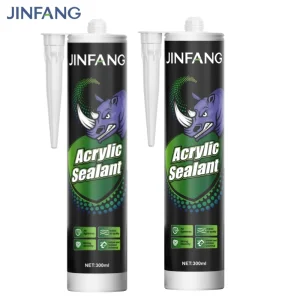
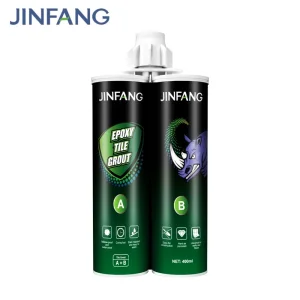
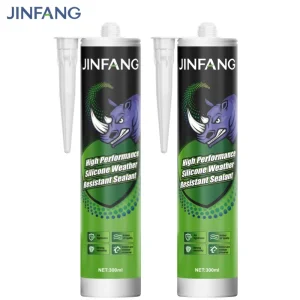
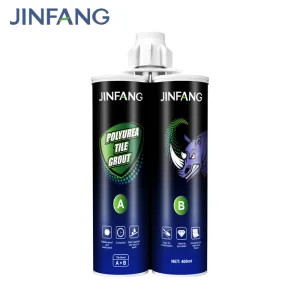
Shandong Jinfang Adhesive Industry Co., Ltd. delivers high-performance sealing technologies engineered to resolve complex modern architectural and industrial structural requirements.
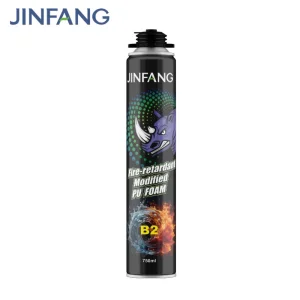
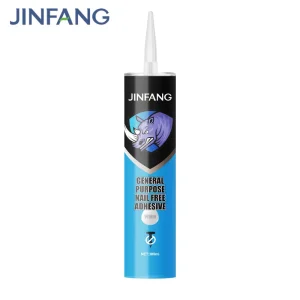
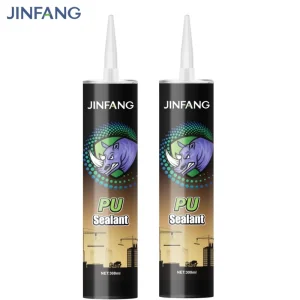
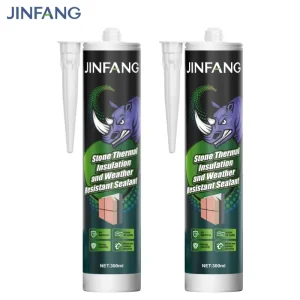
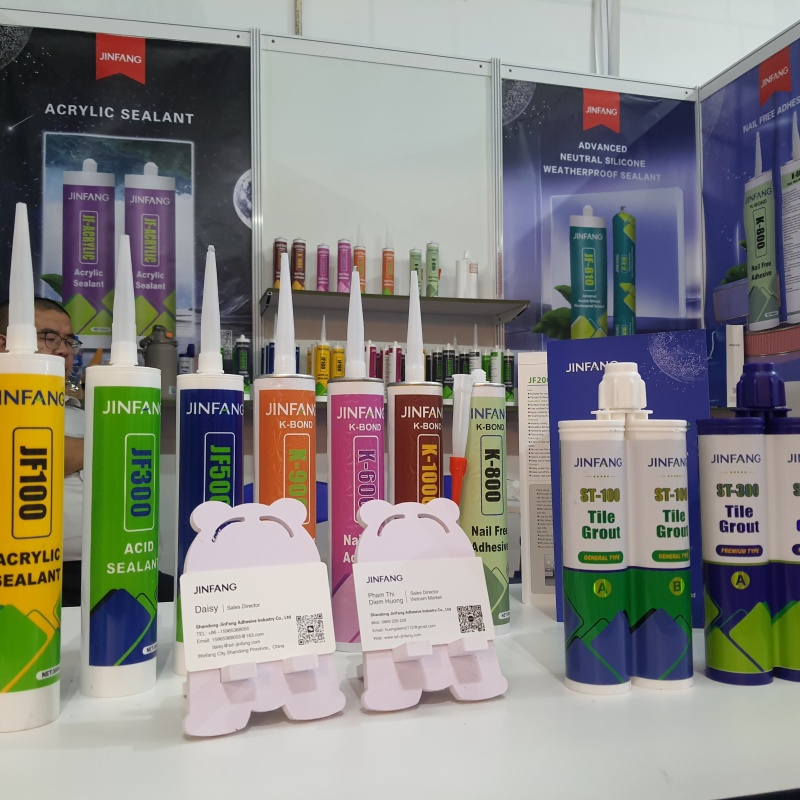
Strategically situated in Shandong Province—a core industrial manufacturing hub in China—Shandong Jinfang Adhesive Industry Co., Ltd. stands at the forefront of researching, developing, and manufacturing commercial-grade adhesives and sealants. Built on a foundation of scientific innovation and rigorous quality assurance, our comprehensive portfolio includes high-grade silicone sealants, polyurethane (PU) foam, modified silane (MS) polymer sealants, high-strength nail-free glues, chemical tile grouts, and elastomeric PU sealants.
This industrial white paper details the mechanical, chemical, and industrial methodologies associated with removing silicone sealants, alongside our supply capability for heavy-duty structural applications. As a premier global supplier, Jinfang provides the raw expertise, chemical analysis, and supply capacity needed for macro-refurbishment and new architectural projects alike.
Select from our targeted chemical formulations designed for structural integrity, environmental resistance, and simplified long-term maintenance cycles.
For decades, removing cured silicone sealant required aggressive mechanical scraping paired with highly toxic, volatile organic solvent formulations. However, macro changes in environmental policy, safety standards, and substrate complexity have driven the development of new chemical depolymerization systems.
Modern commercial requirements focus on selective dissolution. These chemical systems break down the cured polydimethylsiloxane (PDMS) siloxane backbones (Si-O-Si bonds) without attacking underlying substrates like powder-coated aluminum, architectural anodized glass, and carbon-fiber composite panels. Formulating removing agents that selectively hydrolyze the cross-linked networks is now a core objective for industrial research labs globally.

Large-scale construction contractors, automotive manufacturers, and tier-one distributors face unique procurement challenges. Securing consistent bulk chemical supplies requires partners who can demonstrate deep technical compliance, stable lead times, and variable configuration services.
Our operational capability at Shandong Jinfang Adhesive Industry Co., Ltd. addresses these systemic procurement bottlenecks through rigorous QA processes, chemical trace certifications, and bespoke formulation modifications. Whether specifying high-modulus structural silicone or high-safety neutral cure compounds, our engineering teams balance chemical stability and cost-efficiency to match direct regional specifications.
To support global supply chains, we offer full OEM, white-label, and raw compound services, ensuring that packaging size, chemical certifications, and structural specifications precisely align with localized market realities.
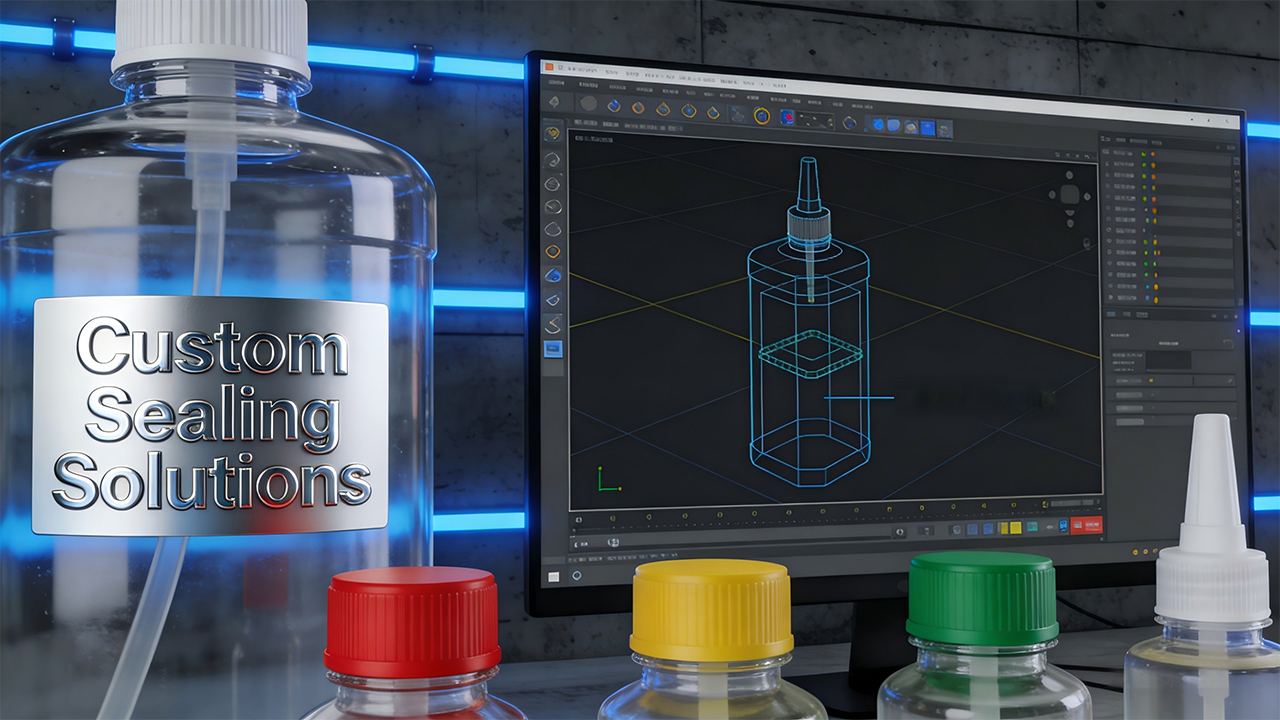
A closer look at how our advanced manufacturing system delivers consistent chemical formulations to meet strict commercial demands.
We configure packaging configurations (sausage, cartridges, bulk pails), tailor curing speeds, adjust viscosity index, and modify color schemes to meet specific structural project conditions globally.
Our sealants comply with stringent international standards including ISO 9001, ISO 14001, and EU IROS. We continuously research low-VOC, neutral curing options to minimize chemical hazards during removal.
Engineered to withstand intense ultraviolet radiation, extreme precipitation, and thermal cycles (-50°C to +150°C), reducing the frequency of replacement and restoration cycles.
Partnering with China's leading academic institutions to pioneer chemical systems that balance long-term adhesion with controllable removal options.
In partnership with research teams at Shandong University, Xiamen University, and Linyi University, Shandong Jinfang is investing heavily in "Smart Sealant Technology". The goal is to develop sealants that retain their premium physical properties during service but undergo rapid depolymerization when exposed to a specific, non-toxic trigger (such as a localized heat signature or mild chemical wash).
This "design-for-deconstruction" model is set to revolutionize the architectural glazing, automotive reuse, and electronics recycling industries by drastically lowering removal costs and preventing substrate damage during refurbishments.
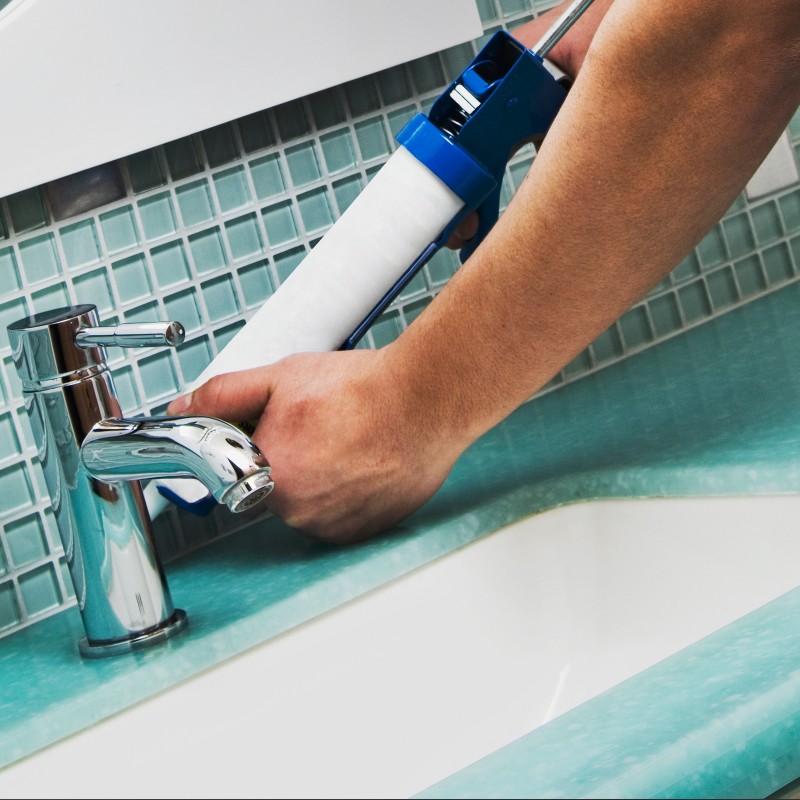
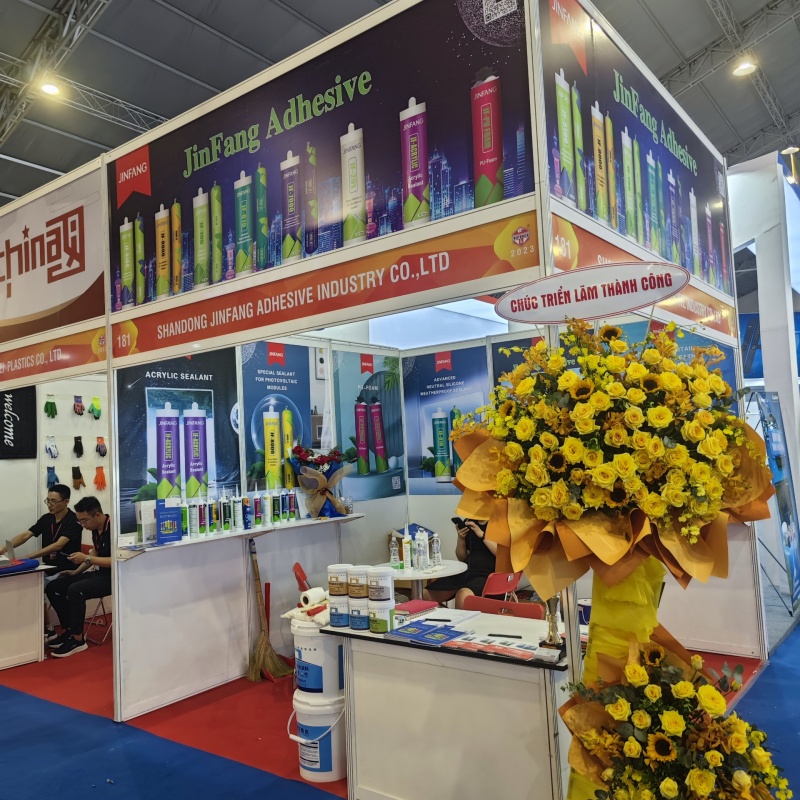
Our adhesives and sealants are proven across diverse sectors including curtain walls, high-rise architectural glazing, joint sealing, and structural automotive assemblies.
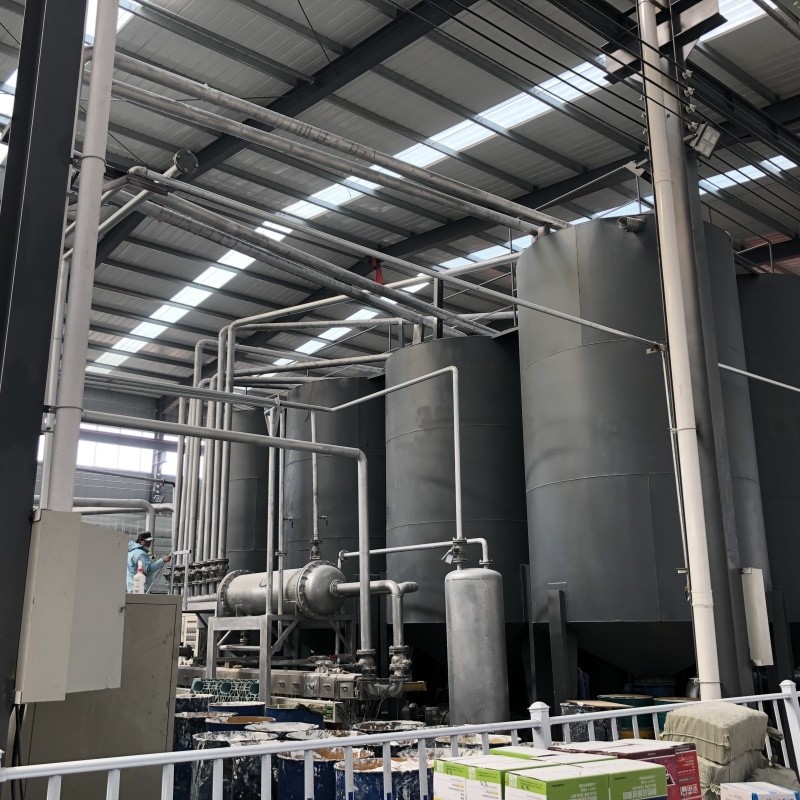
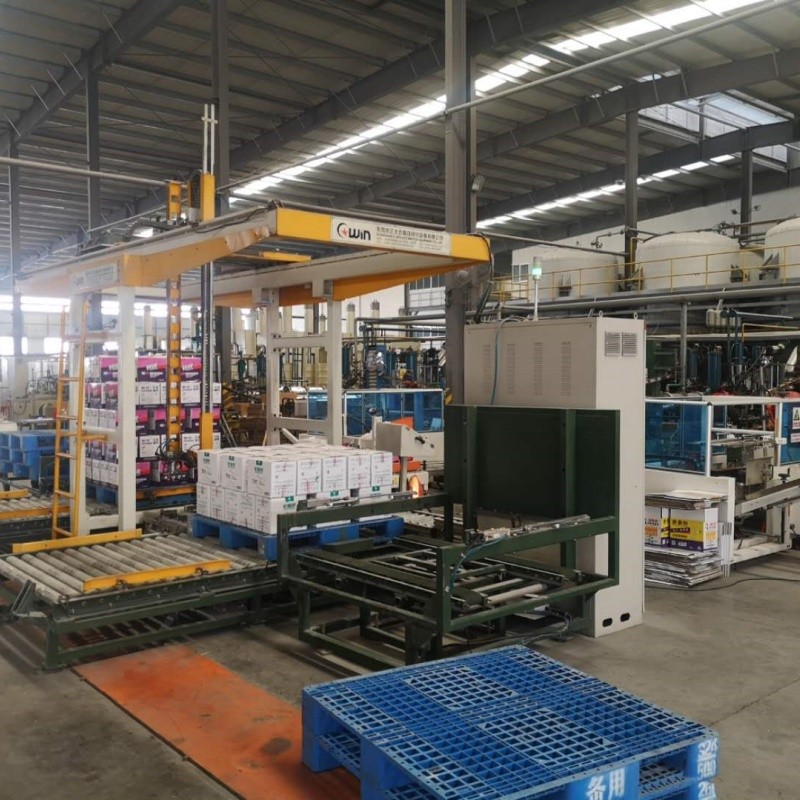



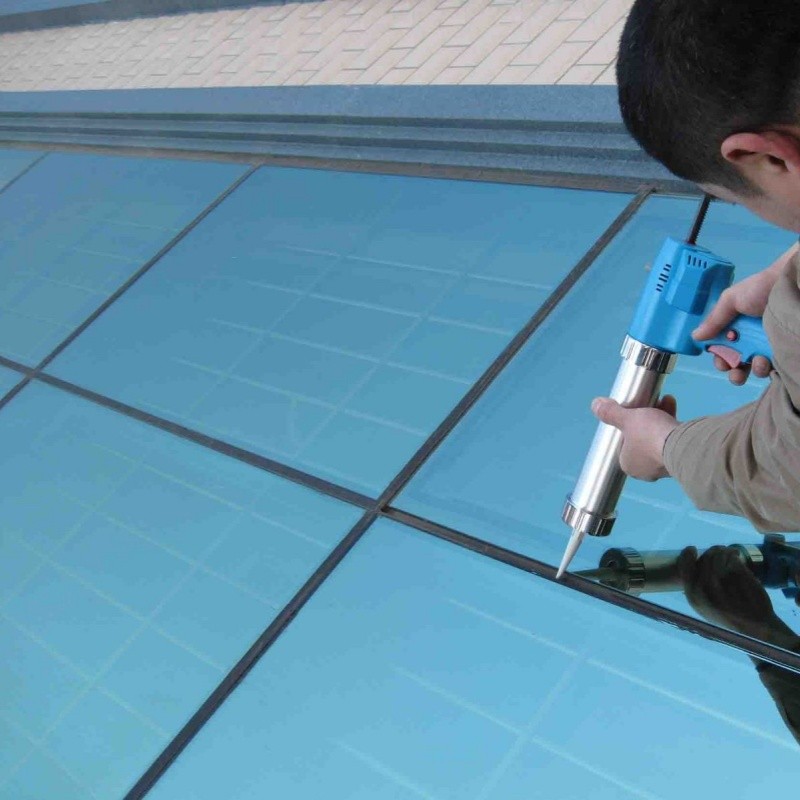

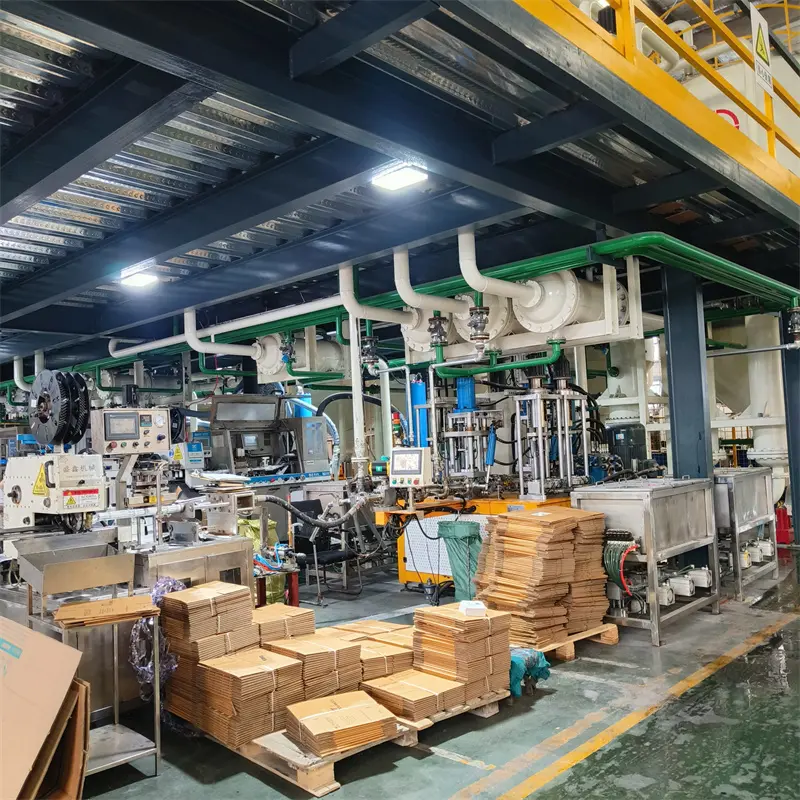
From raw material sourcing to packaging design, we control the entire lifecycle of our adhesive formulations.
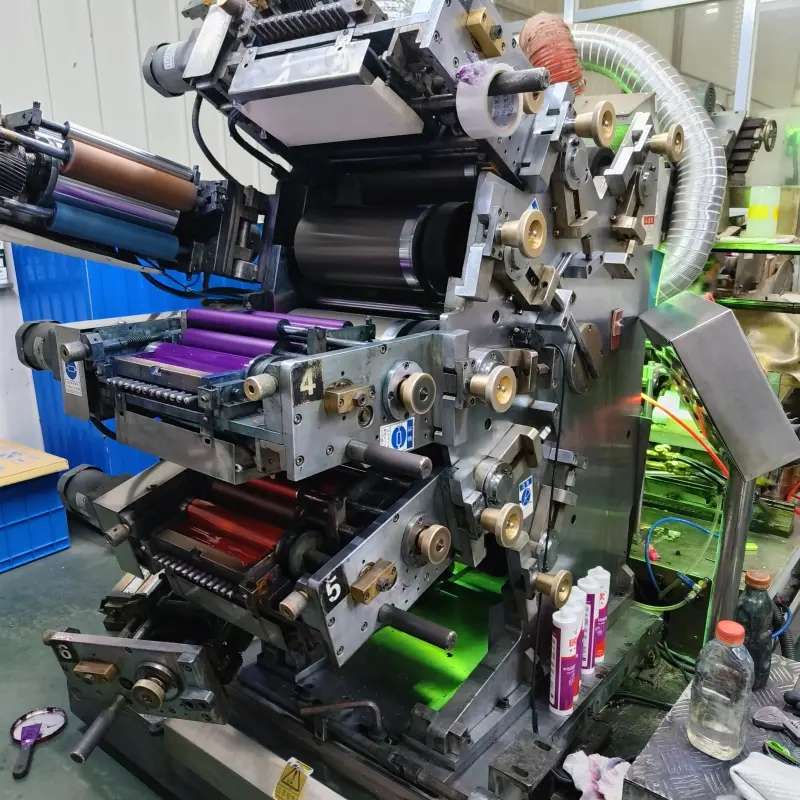
Our integrated manufacturing system encompasses precise raw material formulation, fully automated adhesive production lines, precision injection molding for cartridge structures, and intelligent product packaging. Supported by advanced equipment and real-time process monitoring, this system guarantees chemical homogeneity and shelf-life stability across production runs.
In addition, our logistics and supply chains are optimized for global delivery, achieving an average turnaround of 15 business days from order placement to shipment, with full export documentation support.
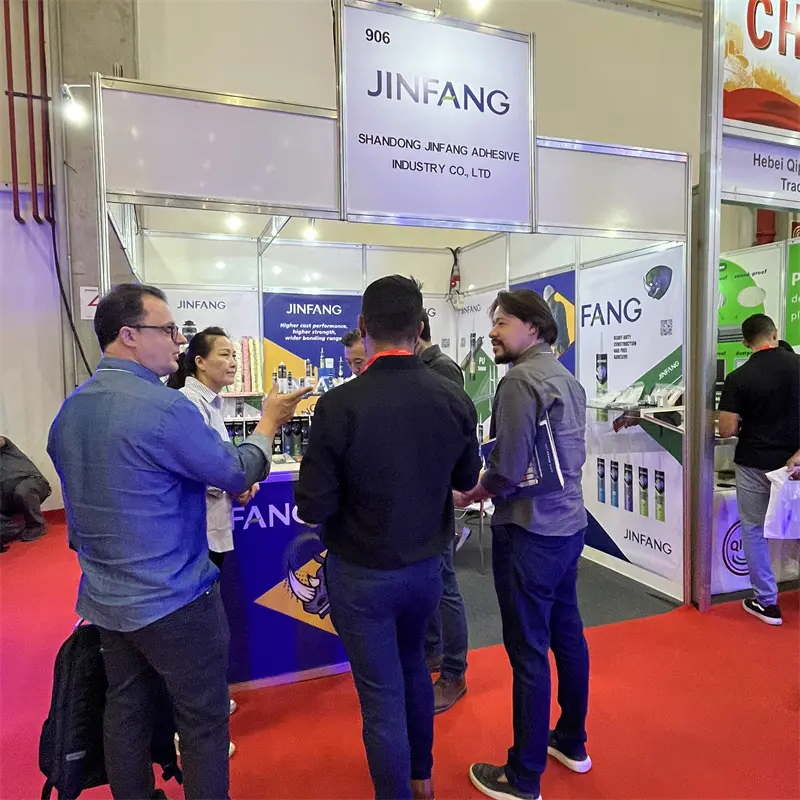
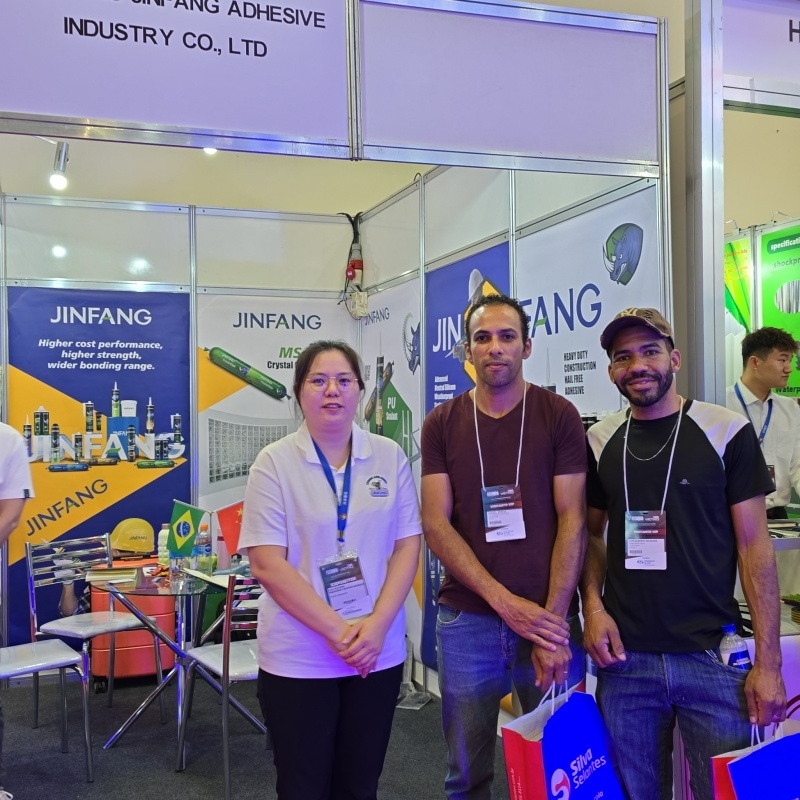
Addressing the critical structural and chemical queries of architects, procurement leads, and engineers.
Cured silicone sealants form strong siloxane bonds (Si-O-Si) that resist standard organic solvents. Effective chemical removal requires specialized depolymerization agents—often formulated with organic sulfonic acids or advanced terpene esters. These agents target the cross-linked polymer network, softening the silicone into an easily removable gel without damaging substrates like anodized aluminum or glass.
Acetic-curing silicone sealants release acetic acid during cross-linking, which can corrode sensitive metals like zinc, brass, and copper. When removing aged acetic silicone, technicians must watch for subsurface oxidation. Neutral-curing silicones release non-corrosive alcohol or oxime byproducts, protecting metal surfaces but requiring slightly longer dwell times for chemical removers due to their denser cross-linking.
Because MS polymers combine the UV resistance of silicones with the polyurethane backbone structure, they respond differently to chemical agents. Standard silicone gel removers may not fully break down the polyurethane backbone of MS polymers. Specially formulated polyether/polyurethane softening solvents are typically required for clean mechanical scraping.
Silicone is inherently anti-adhesive. Even a microscopic layer of old silicone residue will prevent a new joint from bonding. The surface must undergo mechanical scraping, chemical residue removal, and a final solvent wipe (such as isopropyl alcohol). For structural or high-stress joints, applying a specialized adhesion promoter or silane primer is highly recommended.
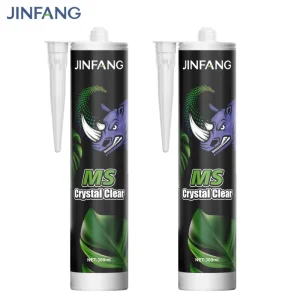
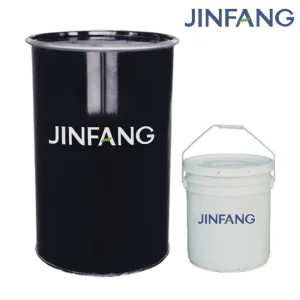
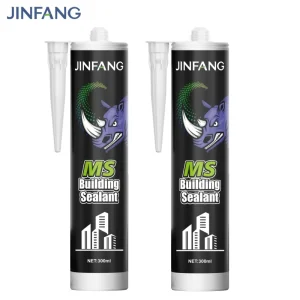
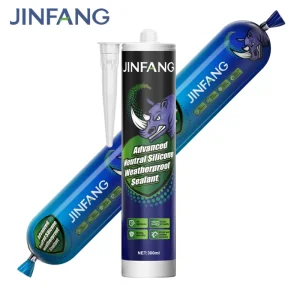
Shandong Jinfang supplies wholesale products in a variety of configurations. These include standard 300ml cartridges, 590ml/600ml foil sausage packs for bulk application, and large drums for automated automotive assembly lines. We also provide customized OEM printing and packaging designs for distributors.
Explore our specialized range of high-performance polyurethanes, acrylics, and structural epoxies engineered for specialized applications.
 Jinfang