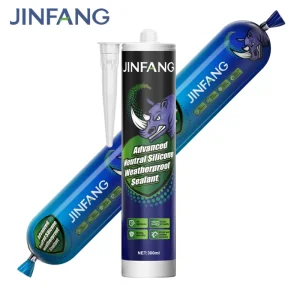
A comprehensive analysis of design semantics, performance requirements, and industrial supply lines for modern B2B tile and stone configurations.
In modern commercial construction and architectural design, the choice of tiling assemblies is not merely an aesthetic consideration, but a critical engineering decision. The integration of white tiles and grey grout has established itself as the global industry benchmark. This juxtaposition addresses two primary issues: visual contrast and joint maintenance. White ceramic or porcelain tiling represents light and sanitation, while grey grout offers a clean grid pattern that conceals dirt, dust, and microbial discoloration.
For global distributors, developers, and large-scale builders seeking a reliable wholesale white tile grey grout factory, understanding the material science behind grout formulations is key. Standard Portland-cement-based grouts are susceptible to cracking, moisture infiltration, and chemical degradation. To solve these vulnerabilities, advanced chemical adhesive manufacturers, such as Shandong Jinfang Adhesive Industry Co., Ltd., have engineered next-generation epoxy resin grout and modified polymer sealants that meet rigorous international building codes.

Why procurement teams are scaling up their sourcing of specialized grout formulations from advanced manufacturing hubs.
The global demand for commercial tile grouting materials is driven by structural development across Europe, South America, and Asia. Large-scale public transportation hubs, hospital facilities, and residential multi-family housing require resilient tile grout configurations that withstand heavy foot traffic and frequent high-pressure washdowns.
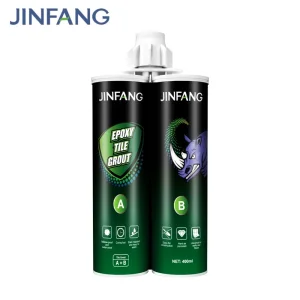
Architectural specifications are shifting from traditional cement grouts to epoxy resins. Epoxy grout products, such as our Colors Epoxy Resin Floor Grout for Glass Mosaic Tiles, provide superior waterproofing, high stain resistance, and a seamless finish, making them the default standard for hygiene-sensitive applications.
Regulatory frameworks, including EU IROS and green building certifications (LEED), require tile adhesives and grouts to minimize VOC emissions. Modern factories must manufacture eco-friendly, water-based, and neutral formulations to remain viable in the global supply chain.
Understanding the molecular properties that govern flexibility, water absorption, and chemical resilience in construction projects.
When evaluating suppliers from a wholesale white tile grey grout factory database, developers must compare technical performance metrics. The choice of grey grout is particularly sensitive; cementitious grouts can experience efflorescence (a white powdery deposit that ruins the visual contrast of grey grout against white tile). Epoxy-based solutions prevent efflorescence entirely.
| Performance Metric | Traditional Cement Grout | Colors Epoxy Resin Floor Grout | MS Polymer & Advanced Polyurethane |
|---|---|---|---|
| Water Absorption | High (Allows moisture ingress) | < 0.1% (Impenetrable barrier) | Hydrophobic & elastic seal |
| Color Stability | Subject to fading and efflorescence | Highly stable (UV resistant pigments) | Excellent color retention |
| Flexural Strength | Low (Brittle, prone to cracking) | High (Withstands structural shifts) | Exceptional (High joint movement capacity) |
| Chemical Resistance | Poor (Damaged by acid cleaners) | Excellent (Resists acids, bases, bleach) | Resistant to industrial detergents |
| VOC Content | Variable | Ultra-low (Eco-friendly, compliant) | Solvent-free formulations available |
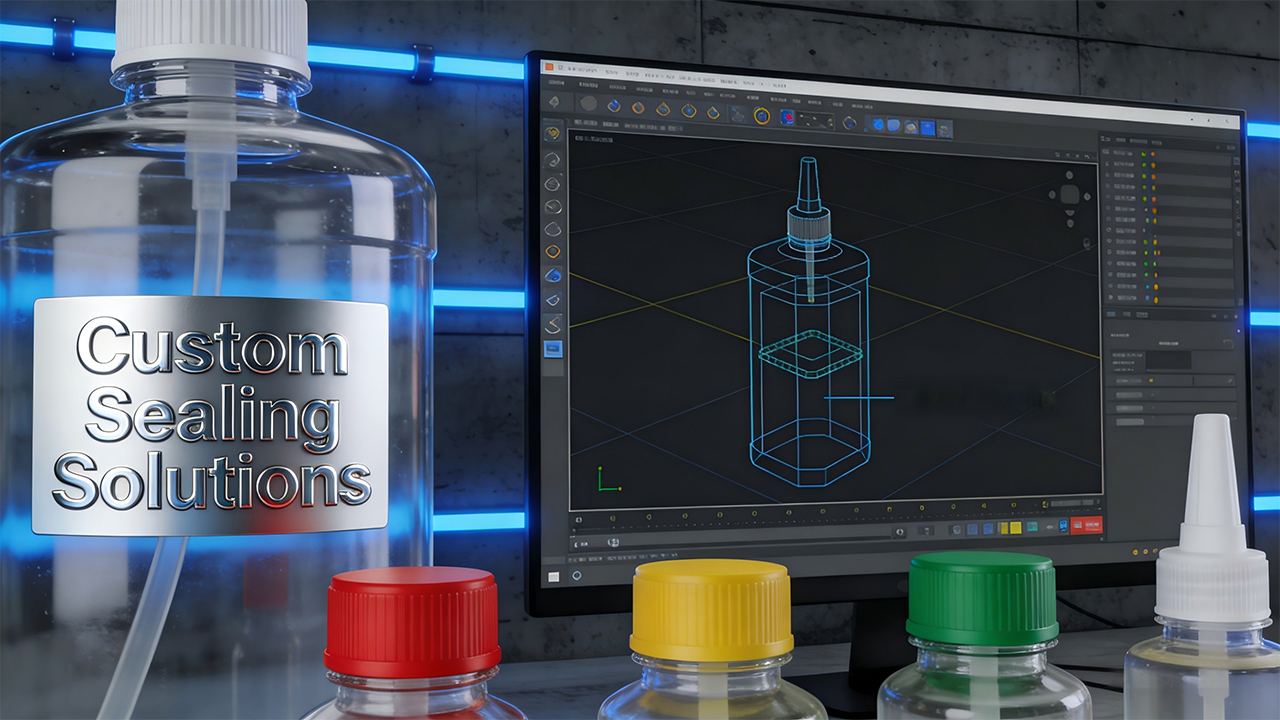
Your Strategic OEM and Customization Partner for High-Performance Adhesives.
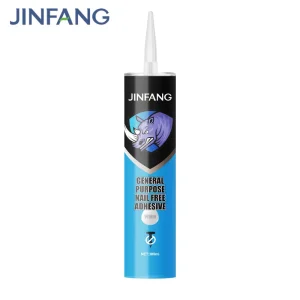
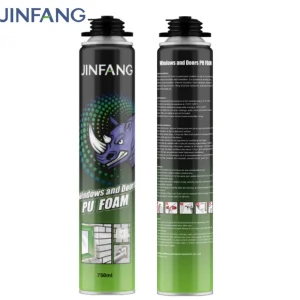
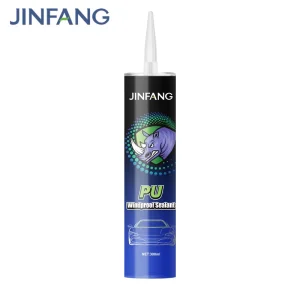
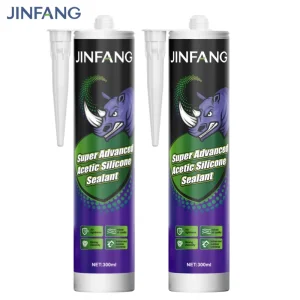
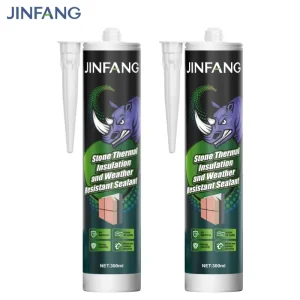
Strategically located in the heart of Shandong Province, a major industrial hub in China, Shandong Jinfang Adhesive Industry Co., Ltd. stands as a leading manufacturer specializing in the research, development, and production of high-performance adhesive and sealant products. With a steadfast commitment to innovation and quality, we have built a comprehensive portfolio that includes silicone sealant, PU Foam, MS sealant, nail-free glue, tile grout, and PU sealant.
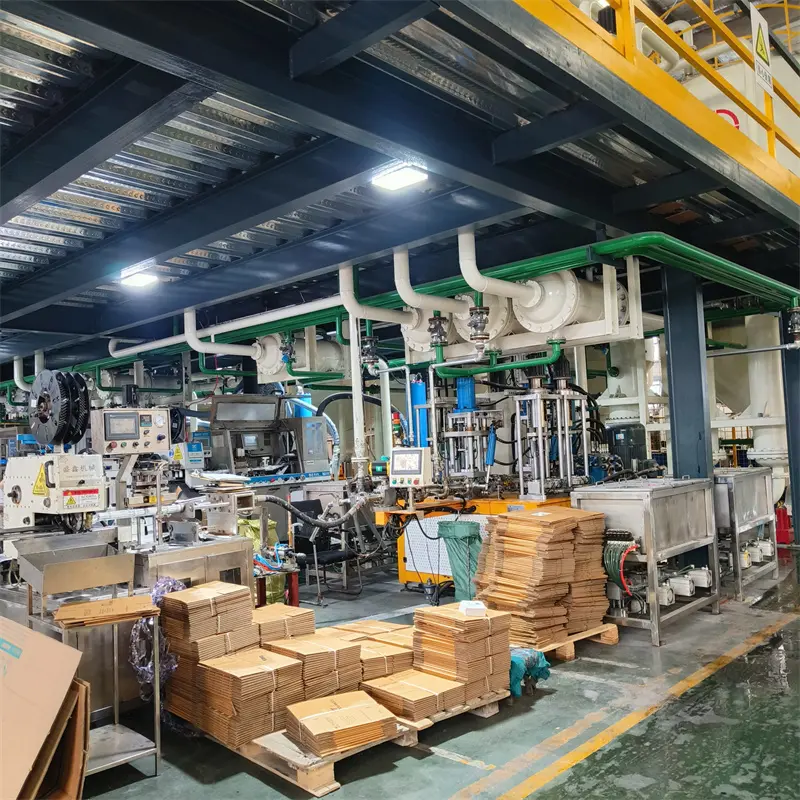
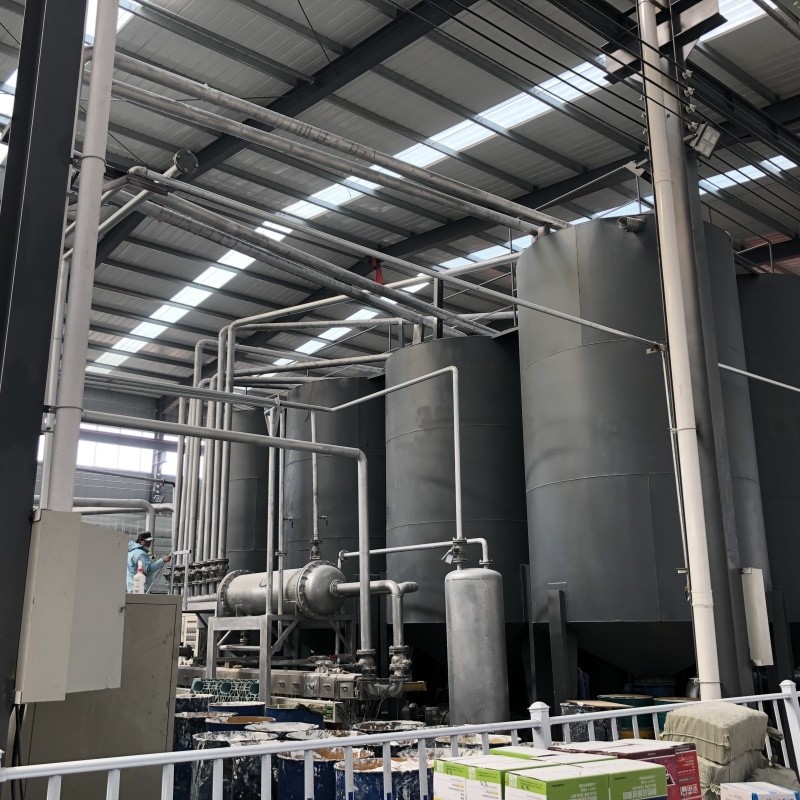
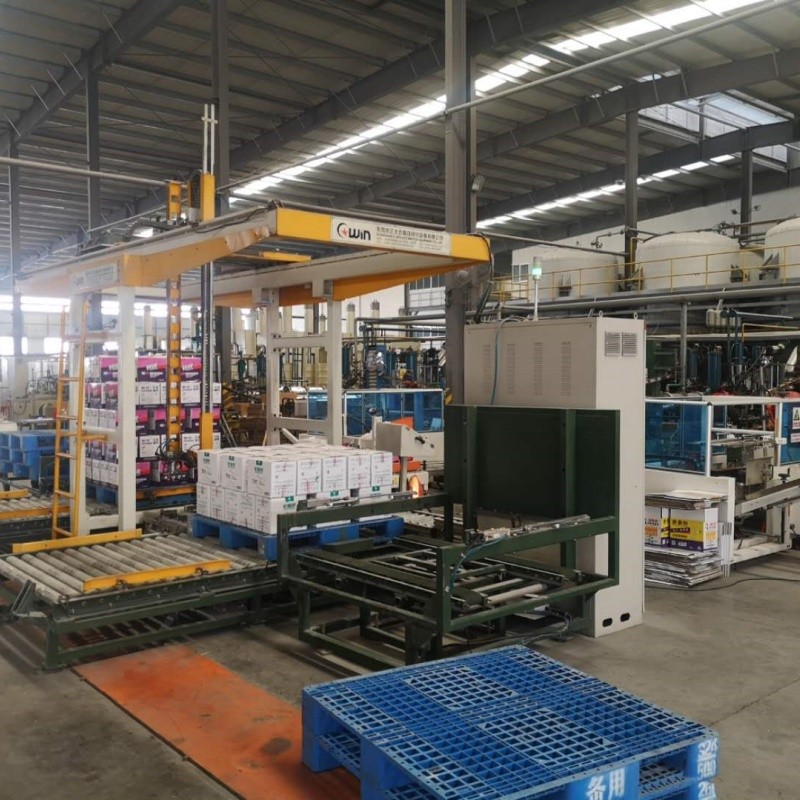
Our manufacturing system integrates raw material sourcing, automated polymer synthesis, precision cartridge molding, and packaging. We maintain R&D partnerships with leading Chinese universities, including Shandong University, Xiamen University, and Linyi University, utilizing these collaborations to recruit research talent and drive material innovations.
 OEM Manufacturing
When you possess a mature product solution or proprietary formula, we provide an efficient and reliable "production plant" for you. We deliver qualified, high-quality products through standardized and scalable manufacturing, with strict adherence to your specifications.
 Custom Formulation
Our team provides tailored product solutions, meeting diverse customization needs for specific application scenarios. In compliance with production standards, we support the manufacturing and supply of proprietary technologies and confidential formulas.
 Custom Packaging
We offer packaging options including sausage, hard tubes, pails, and toothpaste-style tubes, with multiple packaging materials available such as plastic tubes, aluminum tubes, and toothpaste tubes. Personalized packaging with customized product labeling is supported.
Providing customized chemical profiles that match structural substrates and environmental stresses.
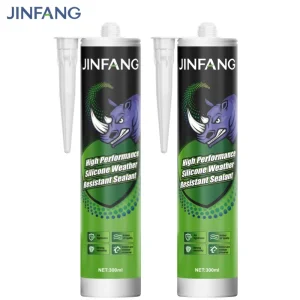
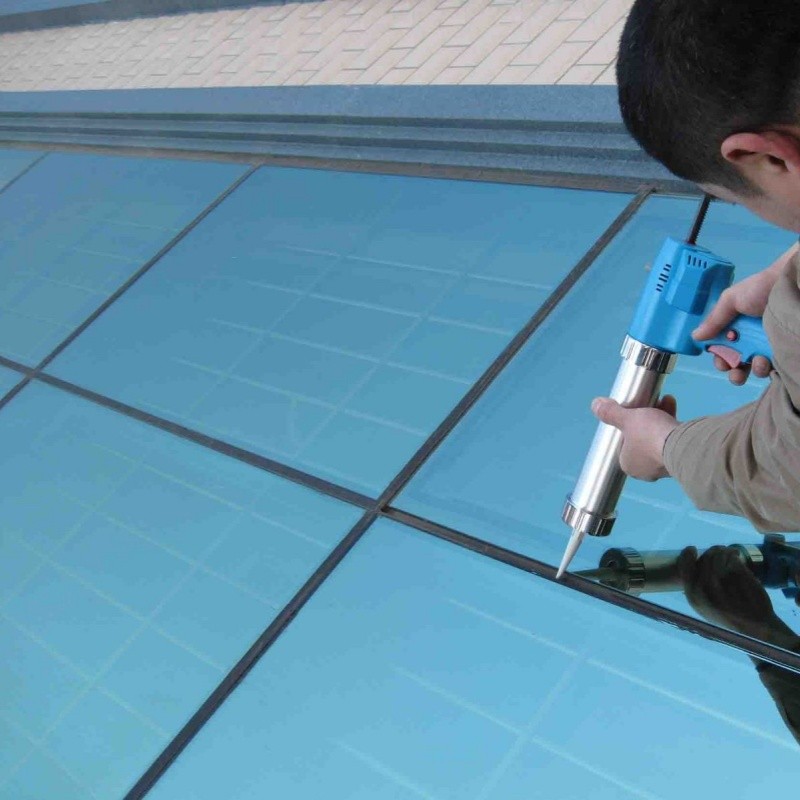
In construction, we provide durable solutions for structural glazing, window installation, joint sealing, and interior finishing, ensuring long-term weatherproofing, thermal insulation, and structural integrity. Our advanced neutral silicone weatherproof sealants prevent joint deformation under thermal expansion cycles.
In the automotive sector, our sealants contribute to enhanced vehicle safety and comfort through effective vibration damping, component bonding, and air/water sealing. The high shear strength of Jinfang's polyurethane automotive sealants ensures vehicle structural stability.
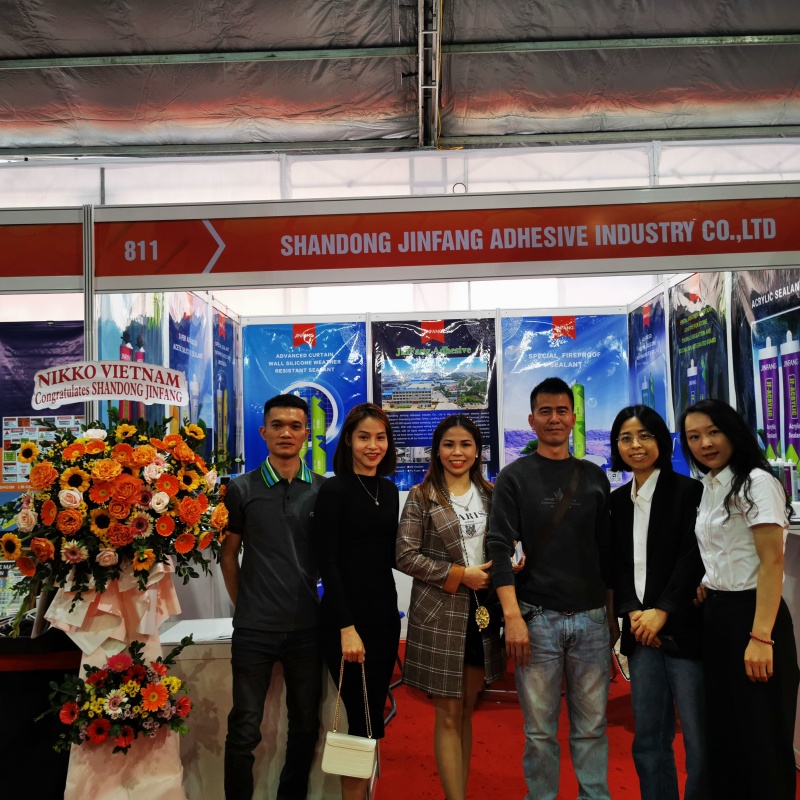
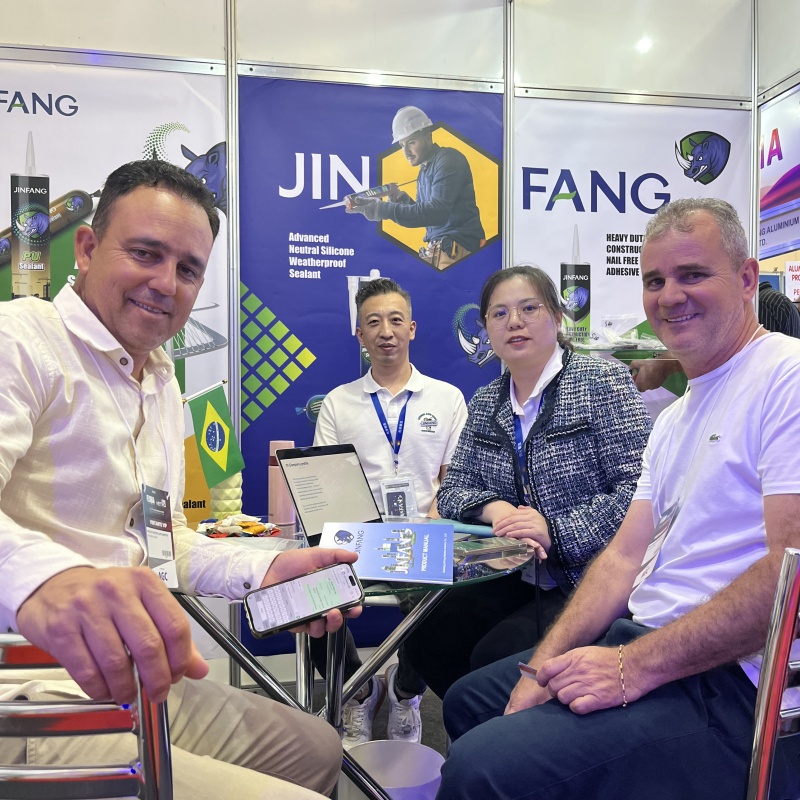
Aligning polymer compositions with regional environmental standards and national construction frameworks.
For global projects, compliance with regional standards is a prerequisite. In Europe, tile grouts must conform to EN 13888 classifications, where RG (Reaction Resin Grout) is specified for demanding commercial environments. In the United States, ANSI A118.3 sets strict limits on shear strength and shrinkage metrics.
Environmental factors dictate specific formulation adjustments:
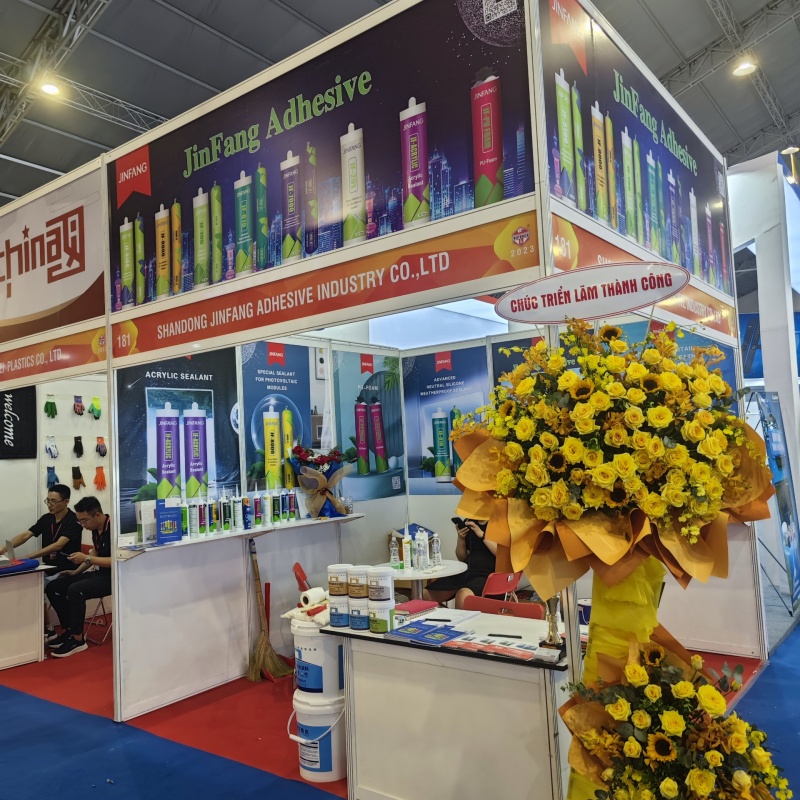
Pioneering green formulations and high-performance sealing systems for the next decade of architecture.
Shandong Jinfang is investing in bio-based raw materials, replacing petroleum-derived elements in our sealants with renewable, plant-based alternatives. This transition maintains mechanical performance while reducing carbon footprints for developers.
Our current research focus involves embedding micro-capsules containing healing agents within epoxy and MS polymer structures. When micro-cracks occur under load, these capsules rupture to repair the sealant matrix, extending the installation lifespan.
With the rise of robotic tile installers, our formulations are being modified to match automated print-head viscosities. This ensures consistent flow rate and rapid-curing properties when applied by mechanical system nozzles.
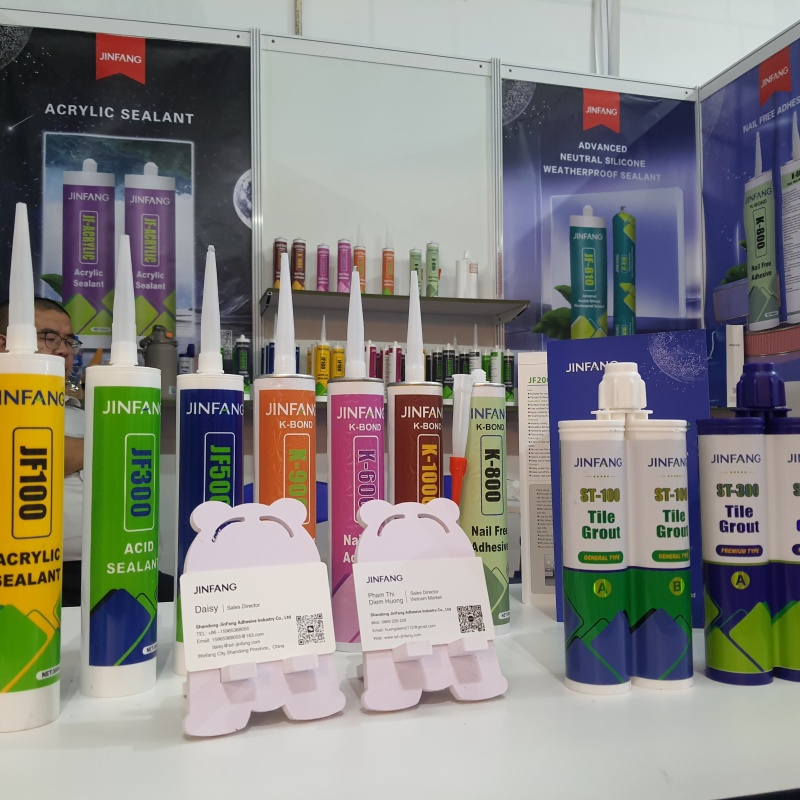
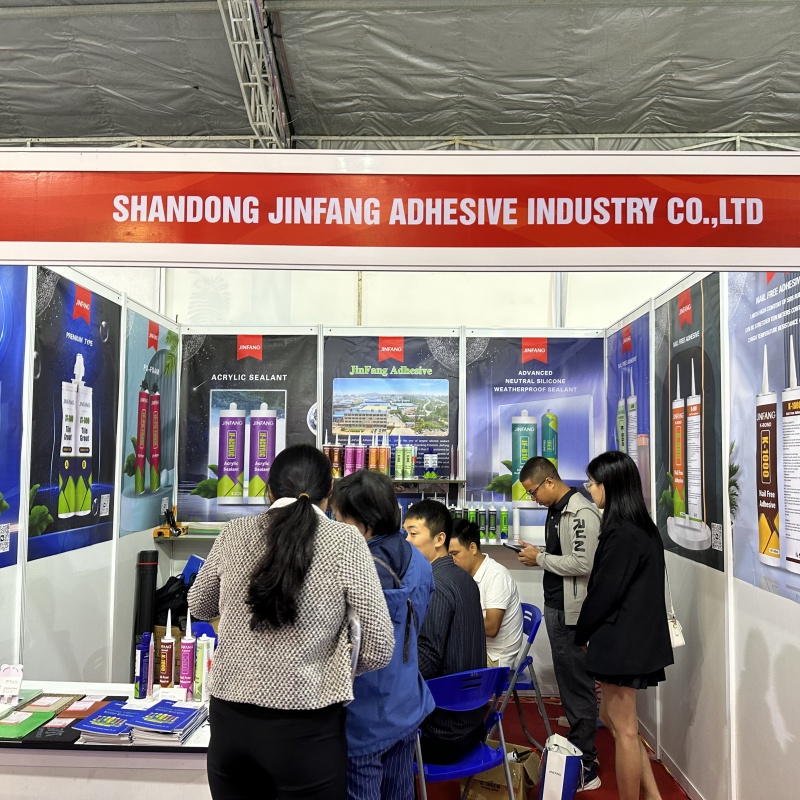
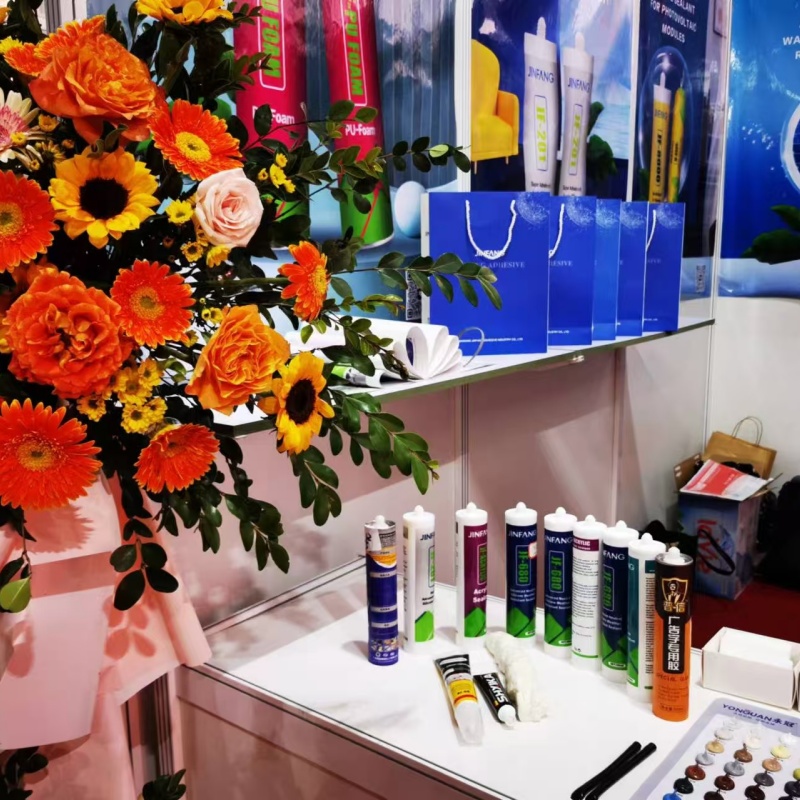
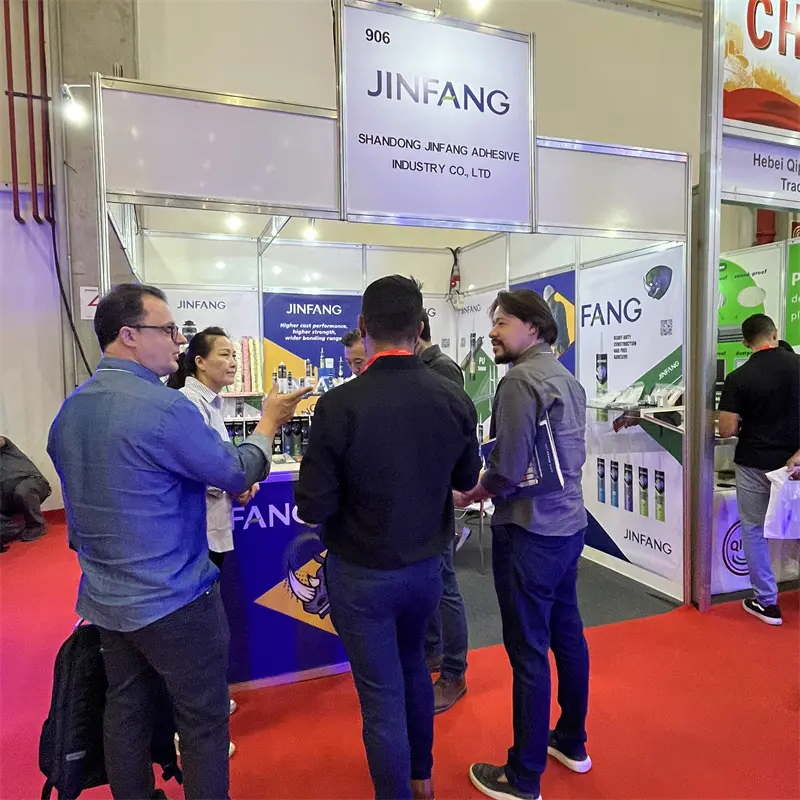
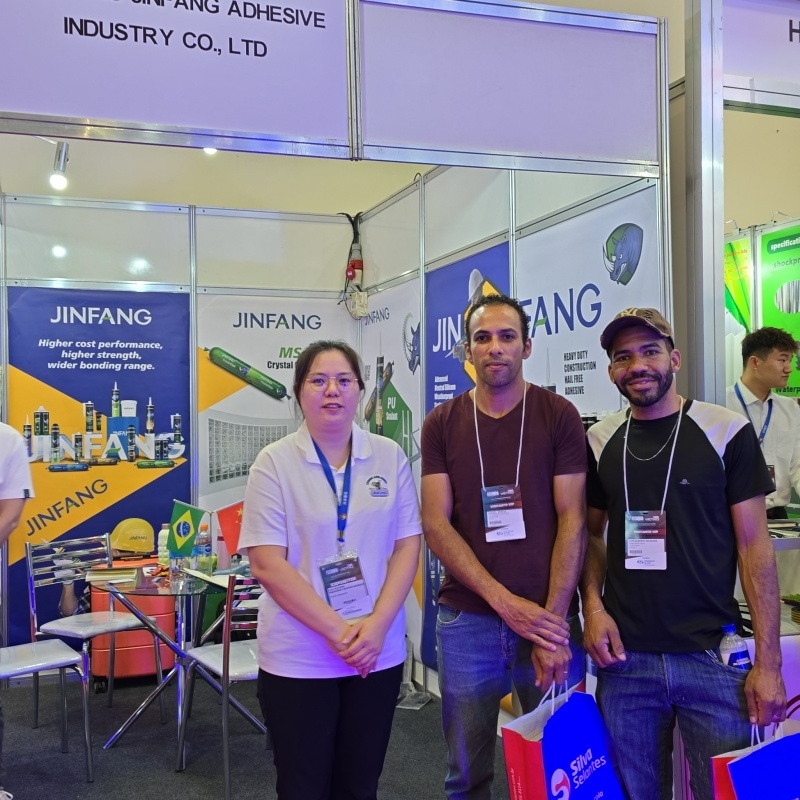
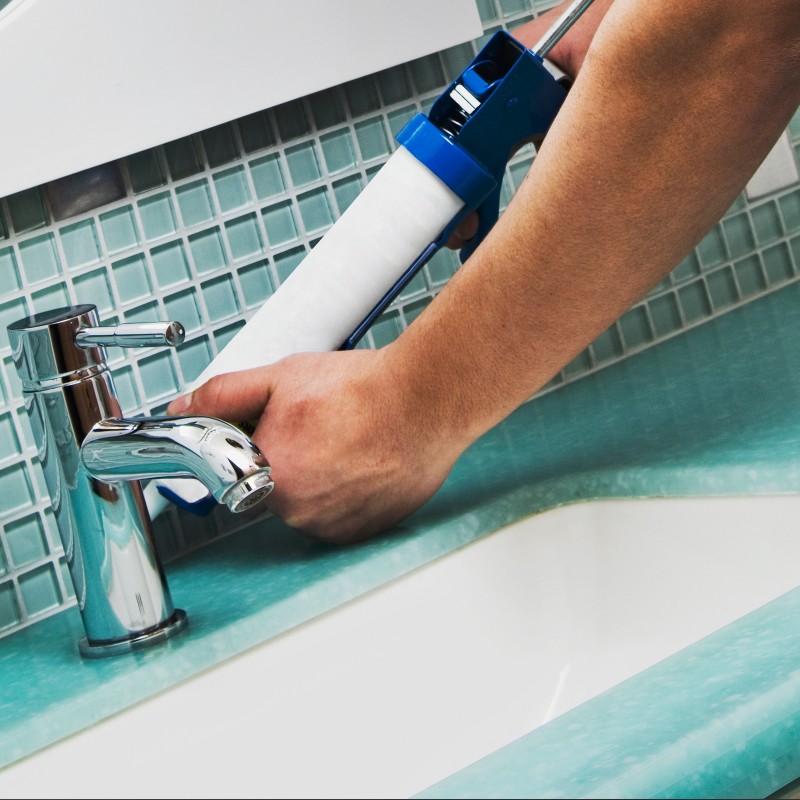
Showcasing our sealing and bonding solutions deployed across diverse structural sites globally.



Answering high-intent technical questions from engineers, project estimators, and procurement managers.
A: Grey grout offers visual contrast that defines the layout grid of white tiles. More importantly, it conceals dirt, dust, and stains. In high-traffic commercial spaces, white grout is difficult to keep clean and can discolor. Grey grout maintains a uniform appearance and reduces maintenance costs over the lifetime of the installation.
A: Epoxy resin floor grout consists of organic resins and hardeners, making it hydrophobic and non-porous. Unlike cementitious grout, it does not absorb water or support mold growth. It also resists chemical cleaners, acids, and stains, and offers high flexural and compressive strength. This makes it ideal for wetrooms, kitchens, and industrial facilities.
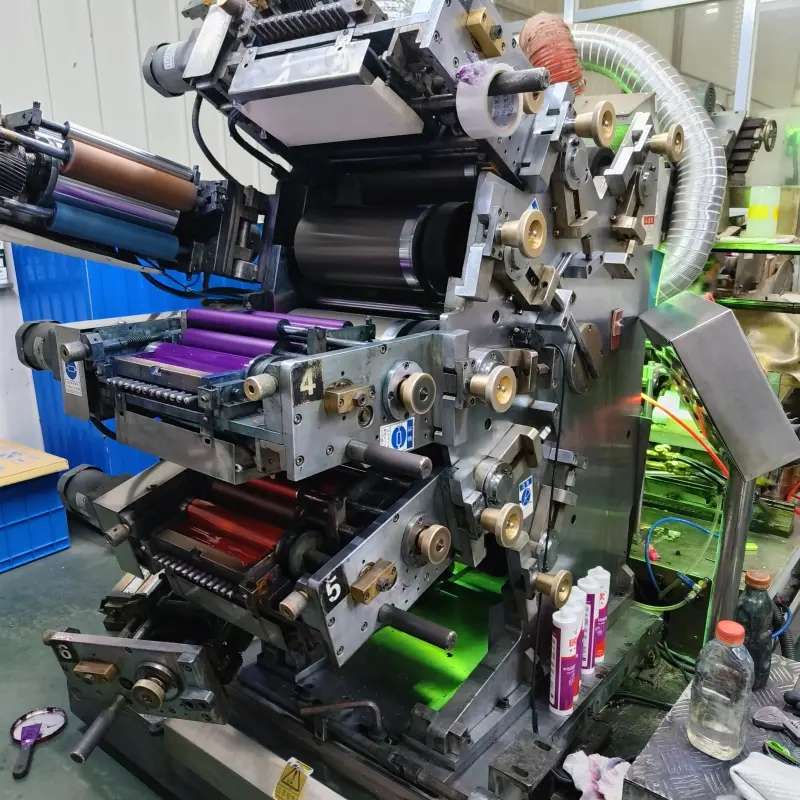
A: We provide OEM services that include custom formulations matching specific tensile strength, flexibility, curing time, and UV stability requirements. We also offer custom packaging sizes (sausages, plastic cartridges, aluminum tubes, bulk pails) and private labeling with offset or screen-printing capabilities to support your brand identity.
A: Our factory operates under ISO 9001 for quality management and ISO 14001 for environmental management. We also hold EU IROS certification. We maintain testing laboratories and partner with universities like Shandong University and Xiamen University to run strict chemical verification checks on every production batch, ensuring consistent performance in the field.
A: Our supply chain is structured for rapid global turnaround. The average lead time from order confirmation and formulation verification to direct port delivery is 15 business days, ensuring your construction timelines remain on schedule.
A: Yes, Modified Silane (MS) Polymer sealants are paintable, whereas standard silicone sealants repel paint. MS Polymers combine the UV resistance and flexibility of silicone with the paintability and strength of polyurethanes, making them suitable for exterior architectural facades and structural expansion joints.
 Jinfang