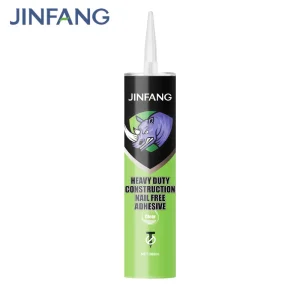
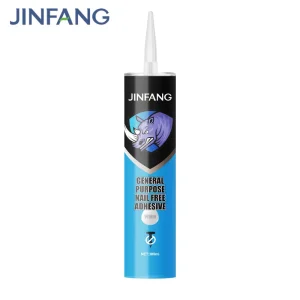
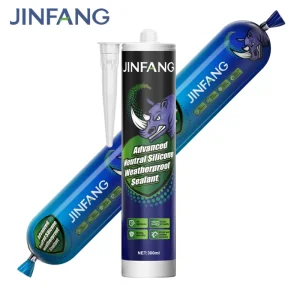
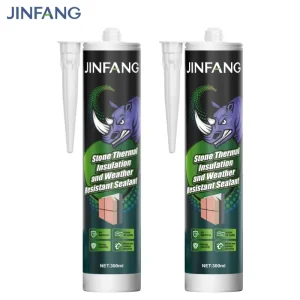
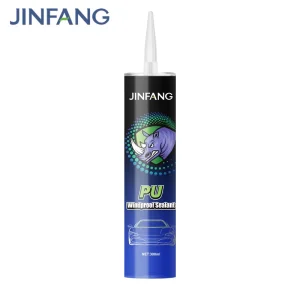
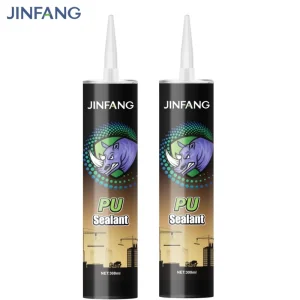
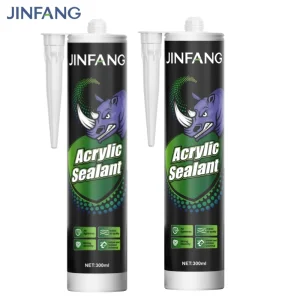
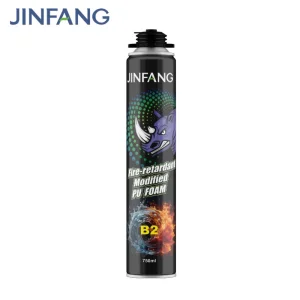
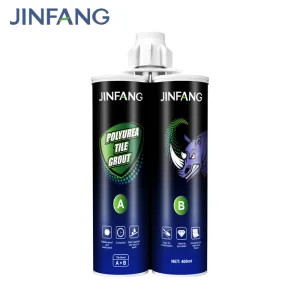
Engineered for high initial grab, structural elasticity, and long-term joint durability under extreme thermal cycles.
As the industrial and manufacturing powerhouse of Aichi Prefecture, the Greater Nagoya area is globally recognized for its aerospace engineering, automotive giants, and cutting-edge prefabricated modular housing developments. In these high-stakes sectors, the dependency on traditional mechanical fasteners—like steel screws, concrete nails, and expansion bolts—is shifting rapidly toward advanced chemical macromolecular bonding agents. High-performance Nail-Free Glue has emerged as the definitive solution for engineers and architects seeking to optimize structural integrity, reduce overall component weight, and improve acoustic dampening.
Traditional structural fastening techniques create localized pressure zones, accelerating wear and tear, and creating entry paths for moisture and air. In contrast, modern polymeric nail-free glues distribute stress lines evenly across the entire bonding interface. This structural load-sharing capacity is critical in regions prone to seismic disturbances, where concrete and steel structures must undergo micro-movements without catastrophic bond failure.
"For commercial high-rises and factory floors in Nagoya's port area, moisture barrier protection and structural load-bearing performance are non-negotiable. Modern nail-free construction adhesives offer a continuous barrier that mechanical pins simply cannot match."
Nail-free adhesives, specifically those formulated by research leaders like Shandong Jinfang Adhesive Industry Co., Ltd., are composed of engineered synthetic rubber polymers, modified silane polyethers (MS Polymers), or water-based acrylic emulsions. By adjusting the cross-linking density and introducing high-efficiency tackifying resins, these adhesives achieve an instantaneous grab capacity of up to 140 kg/m² within seconds of application. This rapid dry-tack drastically minimizes the need for temporary mechanical bracing, reducing labor cycles and accelerating construction workflows across Nagoya’s commercial real estate developments.

Adhesive formulations are designed to satisfy the strict quality and performance demands of modern industries, focusing on two main sectors:
Offering reliable, permanent solutions for curtain wall glazing, window profile framing, concrete joints, and interior decorative panels. This guarantees weather protection, sound insulation, and thermal resistance.
Enhancing passenger cabin safety and NVH (noise, vibration, harshness) metrics through vibration-absorbent panel bonding, glass fixing, and direct sealing of automotive frames.
Our chemical systems are engineered to withstand environmental extremes while maintaining superior elastic recovery rates.
Maintains high polymer matrix integrity under intensive UV exposure, atmospheric moisture, ozone, and acid rain, eliminating premature embrittlement.
Maintains flexibility at sub-zero winter temperatures down to -40°C, and prevents sag or flow when exposed to heat up to +90°C.
Prevents micro-particulate infiltration and moisture condensation inside cavities, critical for protecting sub-structural wood and metallic studs.
Entering the Japanese construction supply chain requires strict compliance with domestic standards. Foremost among these is the regulation of formaldehyde emissions, a primary VOC targeted by the Ministry of Land, Infrastructure, Transport and Tourism (MLIT). Adhesives used in interior residential or commercial fittings must meet the prestigious F★★★★ (F-Four-Star) rating. This standard requires that formaldehyde emission rates do not exceed 0.005 mg/m²h, ensuring optimal indoor air quality (IAQ) and protecting occupants from Sick Building Syndrome (SBS).
Furthermore, structural adhesives must align with Japanese Industrial Standards (JIS), specifically JIS A 5538 (Adhesives for floor finishing) and JIS A 5758 for architectural sealants. At Shandong Jinfang Adhesive Industry Co., Ltd., our laboratory teams utilize gas chromatography and mass spectrometry to verify that our formulations are completely free of toluene, xylene, and other volatile organic compounds restricted by Japanese guidelines. This proactive approach ensures smooth customs clearance and compliance on construction sites across Chubu and Kanto regions.
The choice of polymer backbone determines the suitability of nail-free adhesives for specific applications. Water-based acrylic adhesives offer excellent ecological profiles, low VOC levels, and quick paintability, making them ideal for indoor drywall and trim installations. However, for structural elements exposed to moisture and mechanical stress, silane-modified polyethers (MS Polymers) are preferred. MS Polymer technology combines the UV resistance of silicones with the mechanical strength of polyurethanes, while remaining completely isocyanate-free. This technical superiority is driving its rapid adoption in Nagoya's prefabricated modular home factories.
Understanding the unique requirements of our global clients, we offer flexible OEM and customization services. Our expert technical team works closely with customers to tailor product specifications, packaging, and formulations to their exact project requirements. This client-centric approach, backed by stringent quality control from raw material sourcing to finished product, has been instrumental in our successful international expansion.
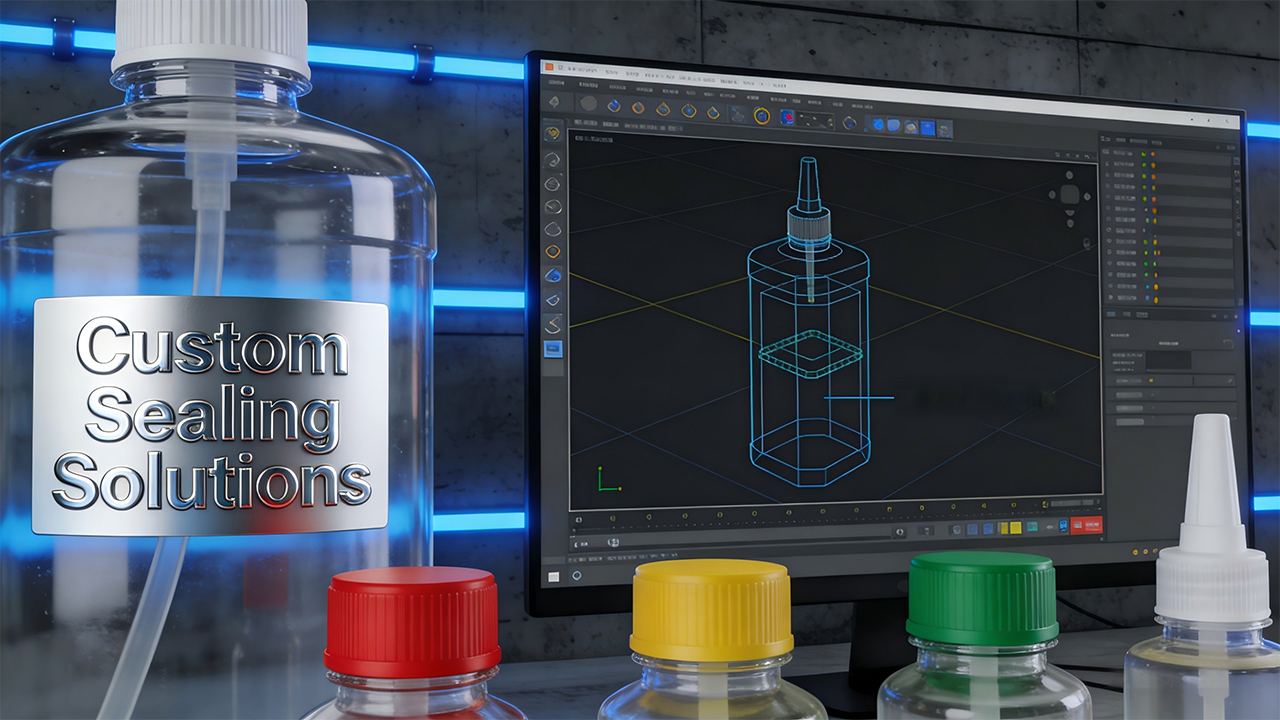
Strategically situated within Shandong Province—the heart of China's chemical and industrial manufacturing belt—Shandong Jinfang Adhesive Industry Co., Ltd. is a leading manufacturer specializing in high-performance adhesives. Our integrated production facilities encompass the entire manufacturing cycle, including precise raw material formulation, automated polymer synthesis, custom packaging injection molding, and intelligent shipping logistics. This end-to-end control minimizes cost fluctuations and quality variations common with third-party outsourcing.
To remain at the forefront of polymer chemistry, we maintain research partnerships with top-tier Chinese academic institutions, including Shandong University, Xiamen University, and Linyi University. These collaborations focus on structural epoxy systems, low-temperature curing kinetics, and eco-friendly raw material alternatives. By combining academic research with our practical manufacturing experience, we continuously deliver advanced sealing solutions that meet international standards, including ISO 9001, ISO 14001, and EU IROS certifications.
For distributors and large-scale builders in Aichi Prefecture, supply chain reliability is key. Our factory's proximity to major shipping hubs, such as the Port of Qingdao and the Port of Lianyungang, allows us to offer short transit times to Japan. A standard container shipped from Qingdao can reach the Port of Nagoya within 5 to 7 days. Our logistics team handles customs compliance, pallet labeling, and transport scheduling, ensuring seamless delivery to your warehouses or job sites.
"With our agile manufacturing and raw material inventory reserves, we maintain a 15-business-day average turnaround from order confirmation to port dispatch, offering Nagoya distributors reliable stock availability."
We provide comprehensive manufacturing and technical support services to help build your brand and meet specific market demands.
We manufacture products precisely to your proprietary formulas, with rigorous quality control and high-speed production lines.
We develop tailored adhesive formulations to meet specific market needs, from product testing through to final delivery.
We customize physical properties, including viscosity, tack open-time, color, and tensile strength, for specific substrates.
We offer diverse packaging formats, including PE cartridges, foil sausages, industrial pails, and custom tubes to match your requirements.
We support high-definition offset and silk-screen tube printing to display your branding clearly.
We coordinate customs clearance and transport routes, providing reliable delivery to the Port of Nagoya and surrounding areas.
Nagoya's manufacturing landscape includes diverse environments that present unique challenges for adhesive materials. Standard off-the-shelf glues often fail to perform when exposed to local environmental conditions, requiring specialized product formulations.
In Nagoya's prefabricated housing factories, rapid assembly is critical. Nail-free adhesives are used to secure wall panels, subfloors, and decorative cladding to timber or steel studs. Our high-initial-grab formulations hold components securely in place immediately, allowing automated assembly lines to proceed without mechanical clamping delays. The cured adhesive maintains long-term elasticity, accommodating structural expansion and contraction under seasonal temperature fluctuations.
For modern office buildings in the Sakae and Meieki commercial districts, high indoor environmental quality (IEQ) and sound insulation are key requirements. Applying our low-VOC, F★★★★-compliant nail-free adhesives behind drywall sheets helps damp vibration and acoustic transmission through wall cavities. This chemical bonding method also prevents the nail-pops and surface imperfections common with mechanical screws, providing a flatter surface for painting and finishing.
Nagoya's coastal logistics warehouses are exposed to high winds, salt air, and temperature extremes. Securing exterior insulation and weatherproofing materials requires robust bonding and sealing solutions. Our neutral-curing silicone and MS sealants provide durable joints around window frames, panel gaps, and cladding, preventing moisture intrusion and protecting structural components from corrosion.
Select from our range of structural adhesives, joint sealants, and fire-retardant foams engineered for demanding industrial environments.
Find answers to common questions about application, compliance, and custom formulation options for the Nagoya market.
Partner with Shandong Jinfang Adhesive Industry Co., Ltd. for direct factory pricing, F★★★★ compliance, and custom formulation support.
 Jinfang