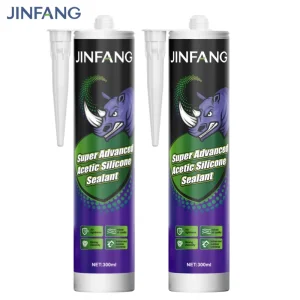
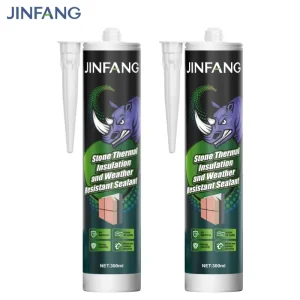
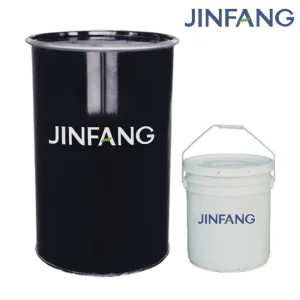
Immediate procurement solutions for Chicago-certified sealing, weatherproofing, and fire protection projects.
Chicago and the broader Illinois region represent one of the most demanding environmental corridors in North America for insulation materials. Characterized by Climate Zone 5A requirements under the International Energy Conservation Code (IECC), Chicago experiences extreme winter freeze-thaw cycles, high seasonal wind pressures from Lake Michigan, and hot, humid summer conditions. These fluctuations lead to continuous micro-movement in building substrates, rendering low-quality sealants brittle and prone to structural failure.
In modern high-density structural designs like those found in the Chicago Loop or suburban industrial corridors (such as Elgin, Joliet, and O'Hare logistical zones), the performance of the building envelope directly affects operational energy costs. Airtightness is a major mandate of the Chicago Building Code (Title 14B). The transition from standard open-cell structures to high-density closed-cell Polyurethane (PU) Foams is no longer just a recommendation; it is an engineering necessity to mitigate thermal bridging, moisture exfiltration, and interstitial condensation.
Standard sealants fail during extreme sub-zero "Polar Vortex" events when temperatures drop below -15°F, losing elasticity and cracking. Our advanced PU foams are formulated to maintain cellular flexibility and high dimensional stability from -40°F up to 194°F, ensuring structural joints remain completely airtight and impervious to moisture infiltration year-round.
Across the global construction landscape, the demand for polyurethane foam has transformed from basic draft sealing to advanced thermal insulation systems. As buildings are designed to meet LEED (Leadership in Energy and Environmental Design) standards, the choice of sealant plays a vital role. In Chicago, where commercial buildings account for a significant portion of energy consumption, high-performance PU foams help reduce heating and cooling requirements by providing continuous insulation values of up to R-7 per inch.
This macro-industry shift is driven by regulations targeting greenhouse gas emissions and pushing for structural net-zero energy footprints. The polyurethane foam industry has responded by developing formulations with low global warming potential (GWP) blowing agents. Advanced HFO (Hydrofluoroolefin) technologies are replacing older HFCs, bringing GWP values close to zero without sacrificing the foam’s expansion rate, cellular structure, or overall insulation efficiency.
The core chemistry of modern polyurethane foams depends on the balance of diphenylmethane diisocyanate (MDI) and polyols. Shandong Jinfang Adhesive Industry Co., Ltd. uses high-grade MDI combined with proprietary catalyst packages to control the reaction speed and cell structure. This ensures the foam cures evenly even when applied in cold weather, preventing the shrinking or collapsing common in standard formulations.
| Performance Characteristic | Jinfang Chicago Grade Spec | Standard Market Grade | Relevant Testing Standards |
|---|---|---|---|
| Thermal Conductivity (K-Factor) | 0.032 - 0.035 W/(m·K) | 0.042 - 0.048 W/(m·K) | ASTM C518 / EN 12667 |
| Fire Classification | Class B1 (Difficult-to-ignite) / Class A (US) | Class B3 (Flammable) | DIN 4102-1 / ASTM E84 |
| Dimensional Stability | < 1.2% (at -20°C to +70°C) | > 5.0% (leads to gap formation) | EN 1604 |
| Water Absorption | ≤ 1.0% (Closed-cell structure) | ≥ 5.0% (Open-cell type) | EN 1609 |
| VOC Content | < 20 g/L (Low emission) | > 80 g/L | EPA Method 24 |
Understanding the unique needs of our global and Chicago-based clients, Shandong Jinfang Adhesive Industry Co., Ltd. offers flexible OEM and customization services. Our expert technical team works closely with customers to tailor product specifications, packaging, and formulations to their exact project requirements. This client-centric approach, backed by stringent quality control from raw material sourcing to finished product, has been instrumental in our successful international expansion.
Whether you require specific curing speeds to match the cold midwestern spring temperatures, or specialized high-expansion foam for large commercial steel buildings, we deliver customized chemistry solutions. We ensure that our products meet local testing certifications, packaging preferences (such as high-volume straw-grade cans, gun-grade cans, or multi-component tanks), and specific branding guidelines.
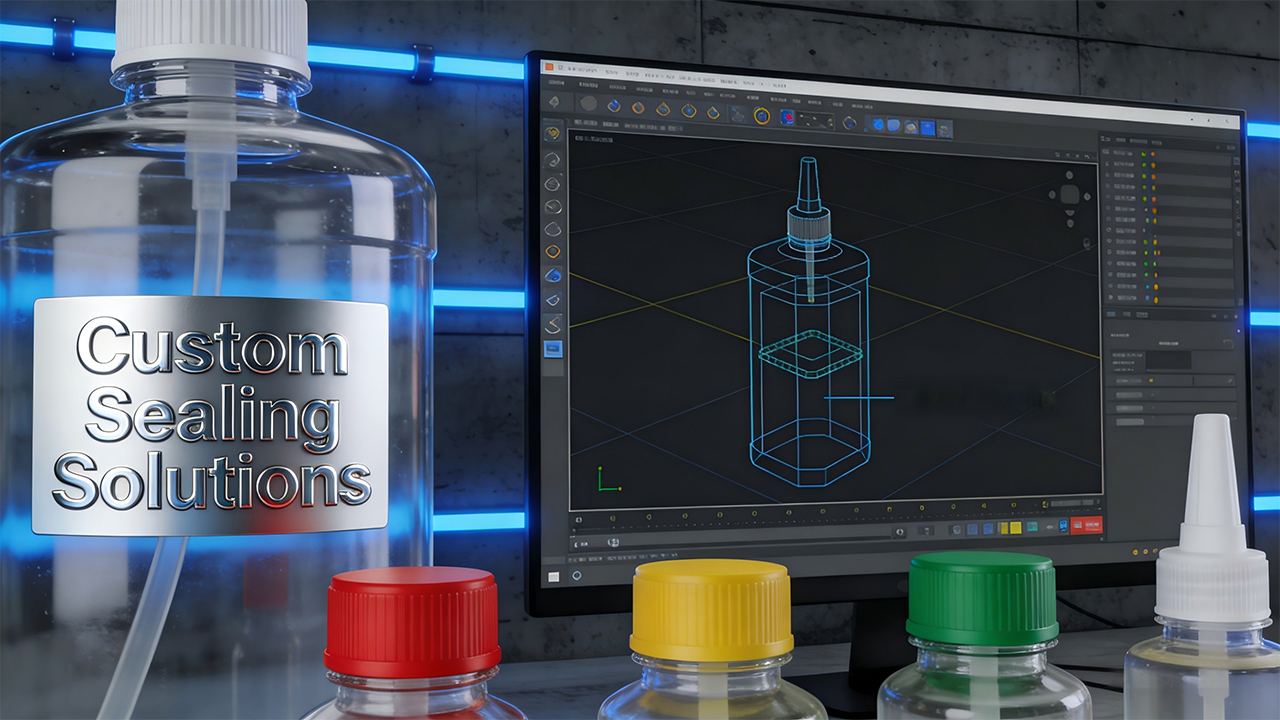
From initial design to finished product delivery, we offer comprehensive services to help grow your business.


Today, Shandong Jinfang Adhesive Industry Co., Ltd.'s high-quality products are trusted by partners worldwide, with consistent exports to Europe, Asia, and South America. We coordinate closely with local distributors and supply networks in Chicago and across the Midwest to provide reliable shipping and on-demand technical support.
Our supply chain model is designed for efficiency, maintaining an average of 15 business days from order placement to port shipment. This ensures that Chicago contractors, distributors, and bulk purchasers can maintain steady inventory levels without facing long supply disruptions.
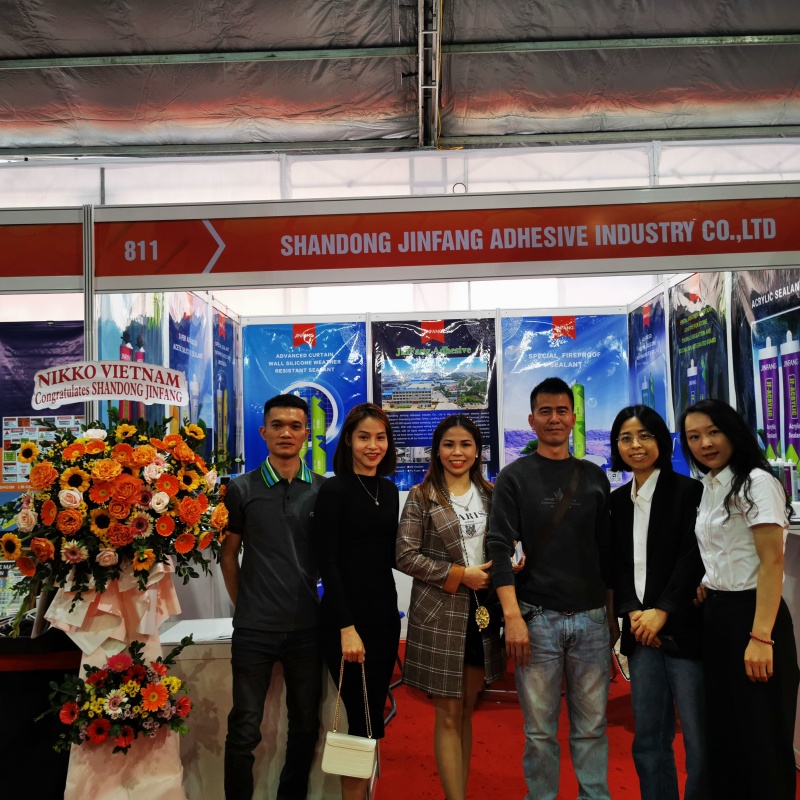
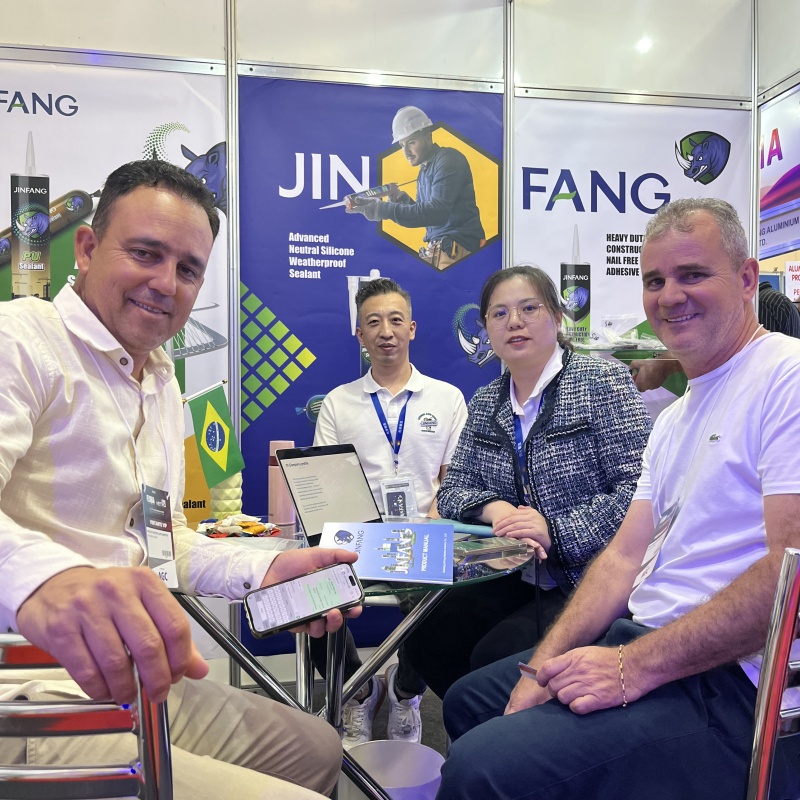
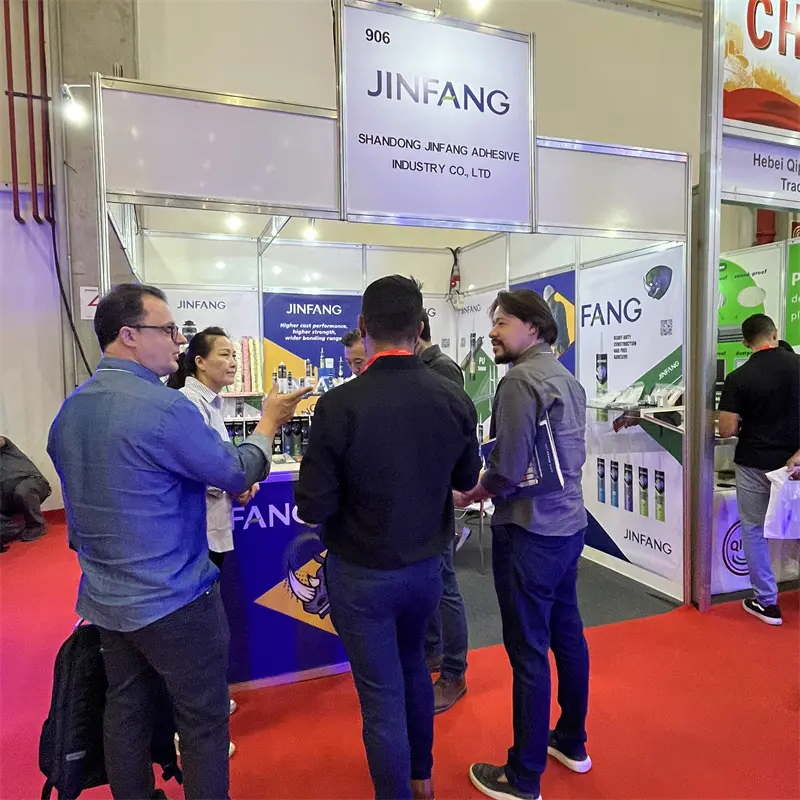
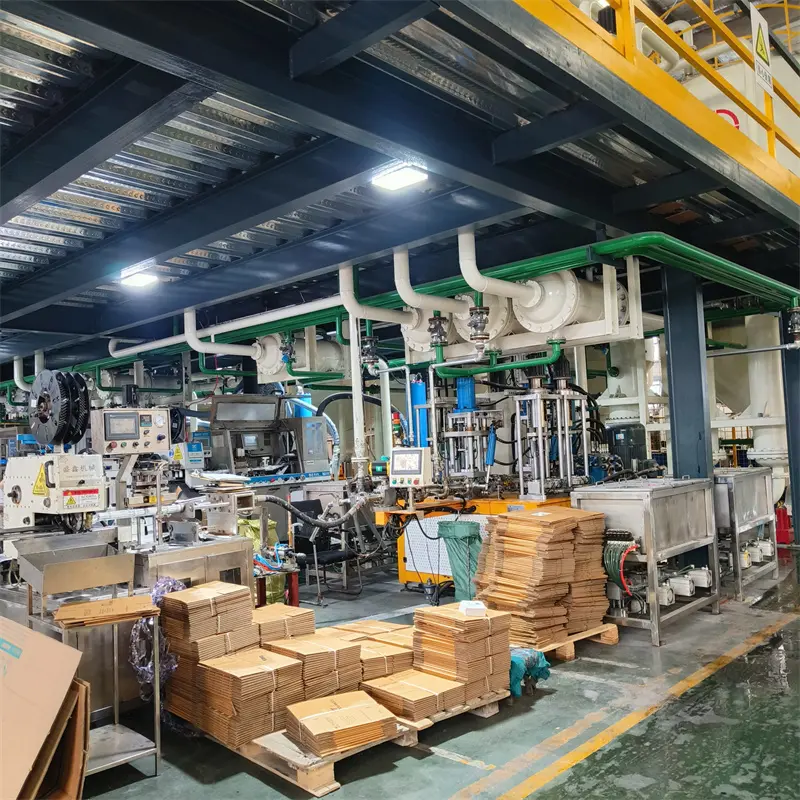
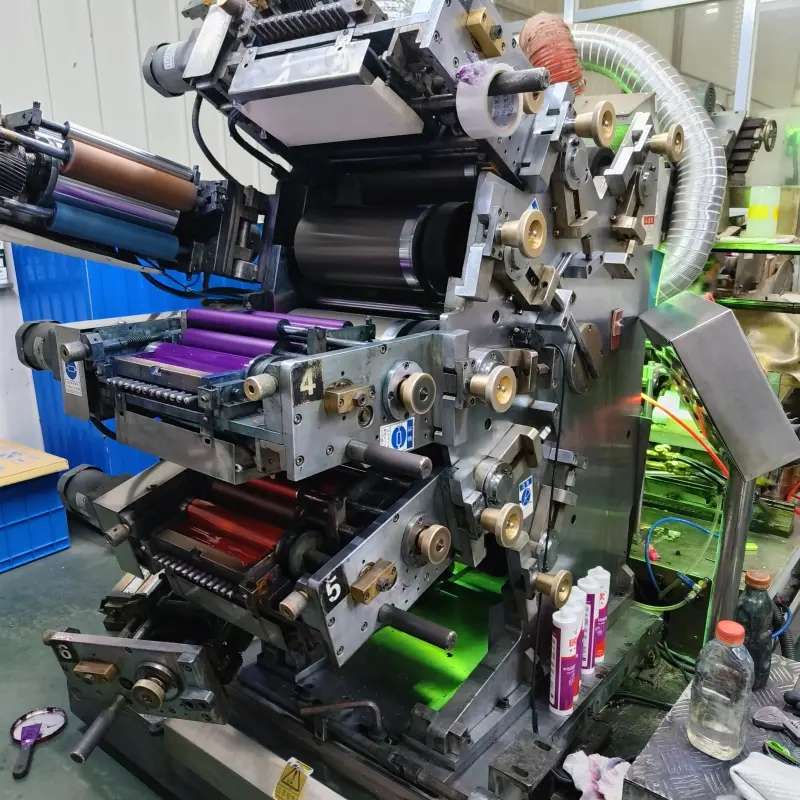
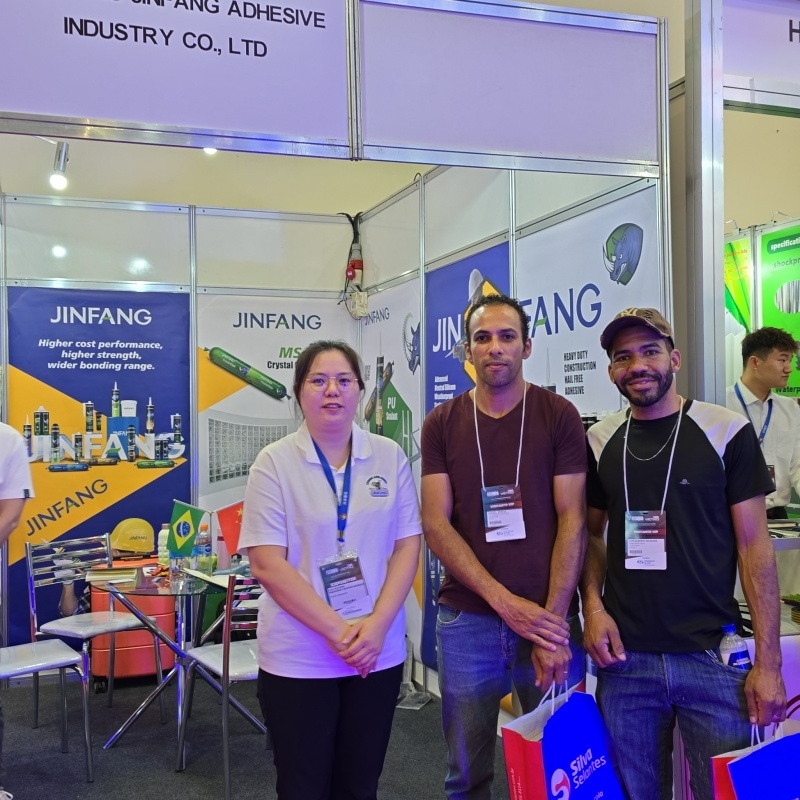
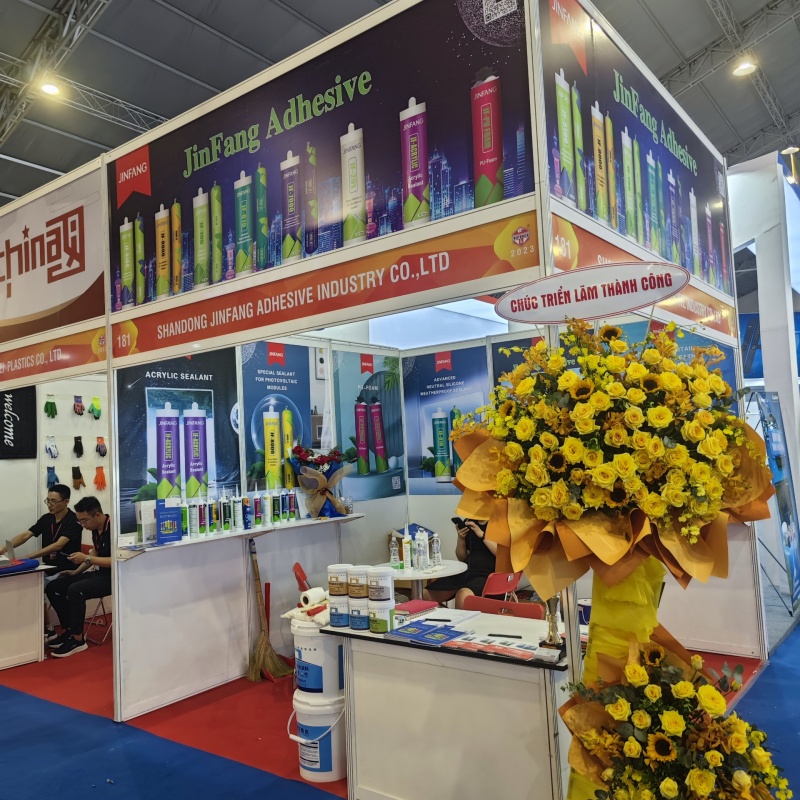
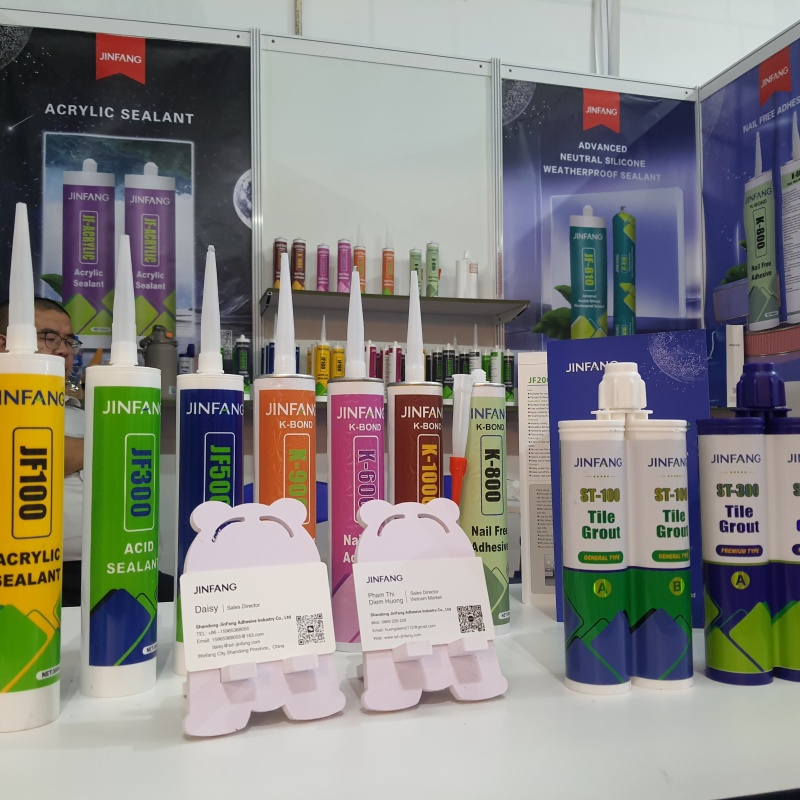
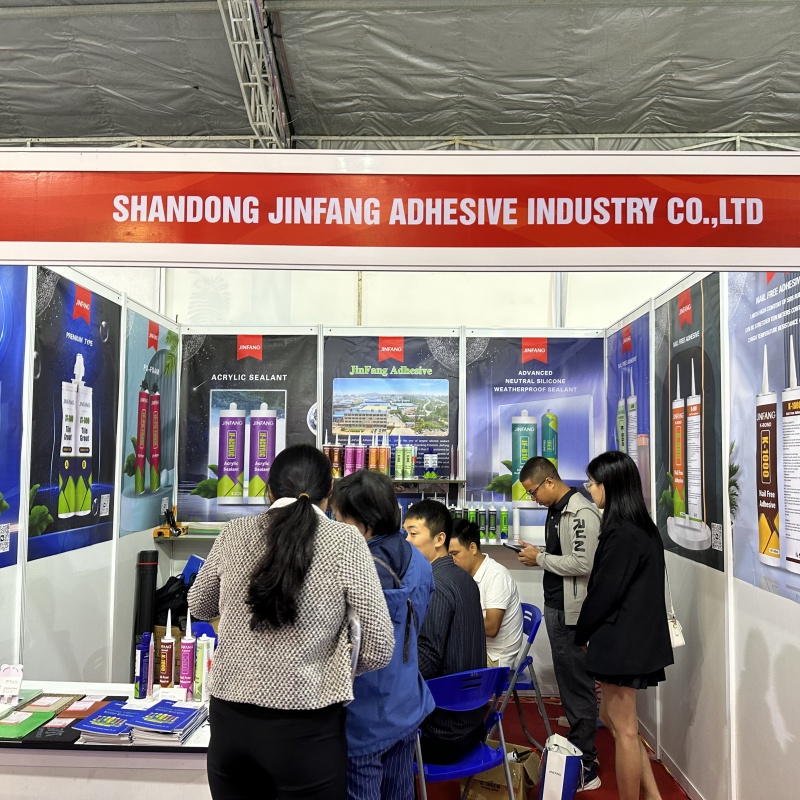
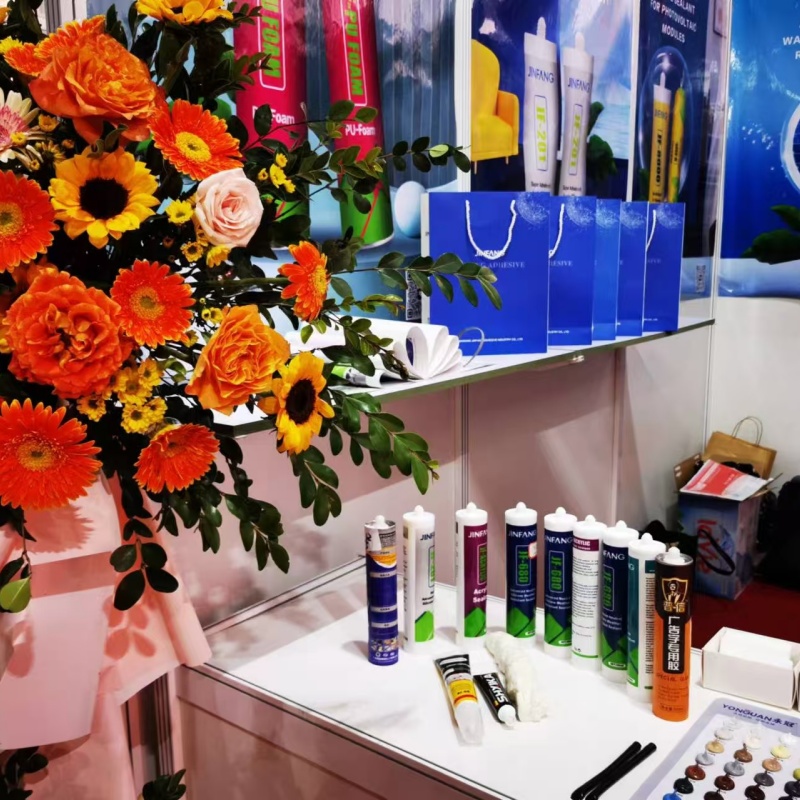

Our sealing and insulation products are developed to perform across diverse industrial and residential construction applications, offering durability and long-term joint integrity.
High-wind pressures in Chicago high-rises demand window sealants that can withstand joint deflection. Our PU foams provide an effective air barrier and thermal break, complementing structural silicones to secure window frames and curtain walls.
Cold chain facilities require precise temperature and moisture control. Our high-density closed-cell PU foams prevent thermal bridging and seal joints to maintain cold-room efficiency.
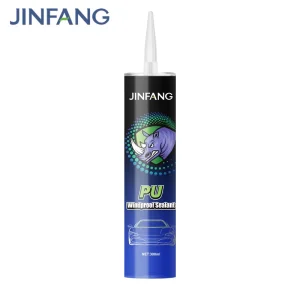
In the automotive and transport sector, our sealants contribute to vehicle safety and structural integrity. They provide vibration damping, joint sealing, and sound reduction, keeping vehicle cabins comfortable and weather-tight.
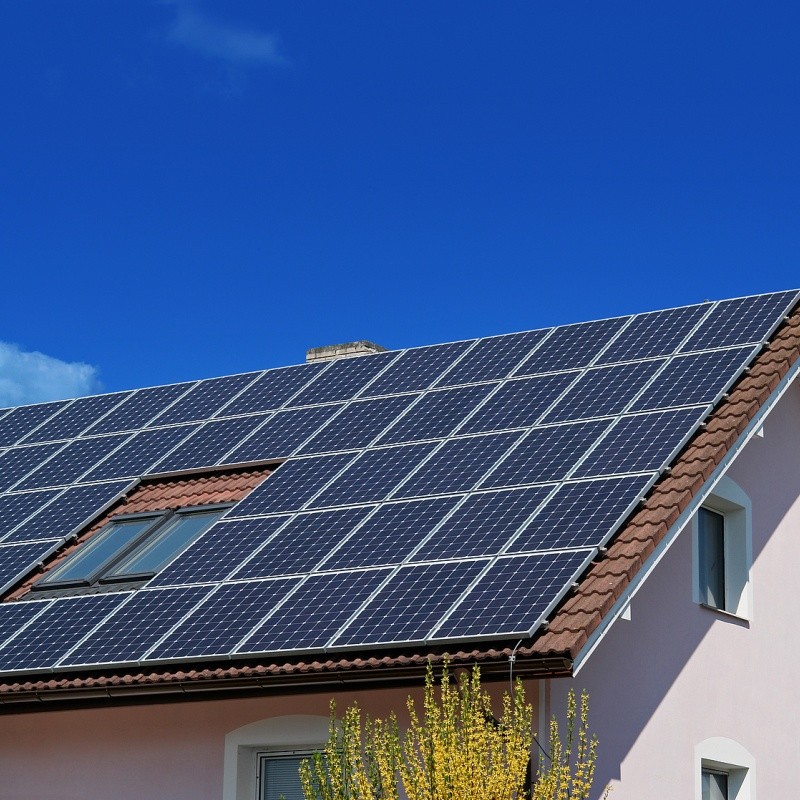
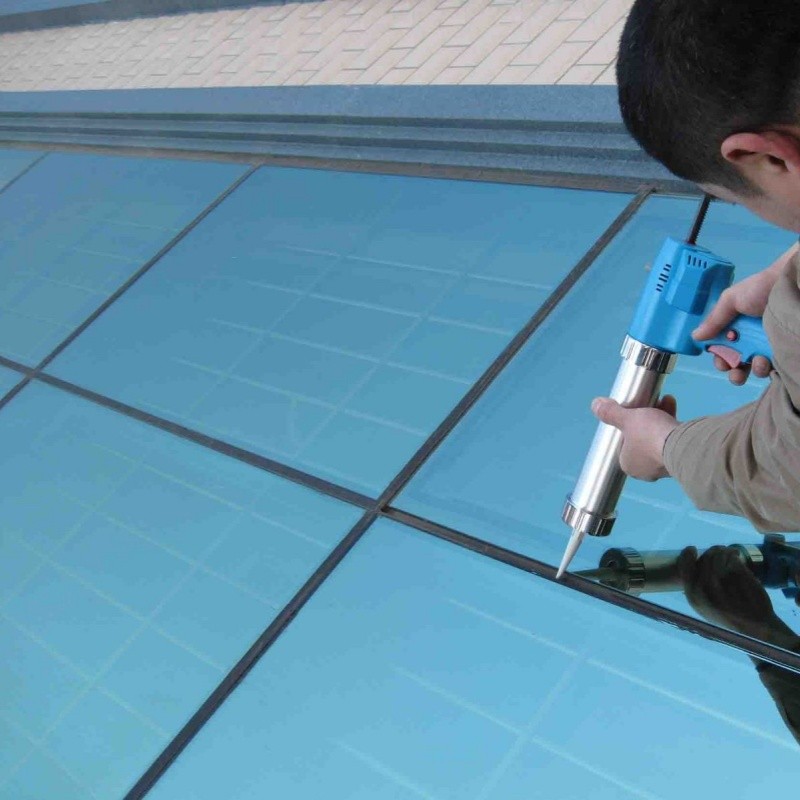
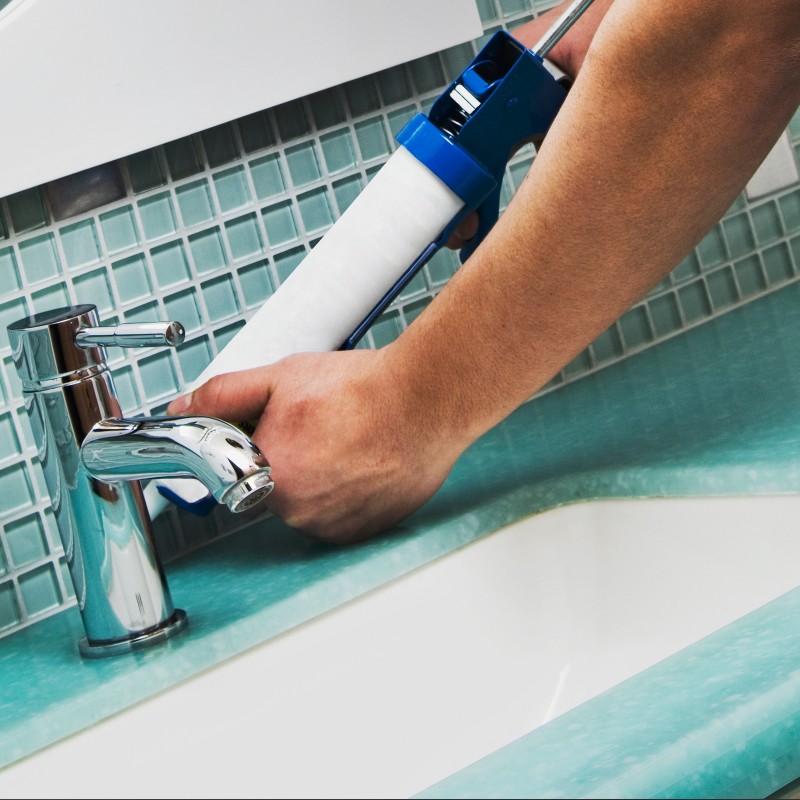
Explore real-world structural waterproofing, glazing, and industrial sealing projects using our high-performance polymers.
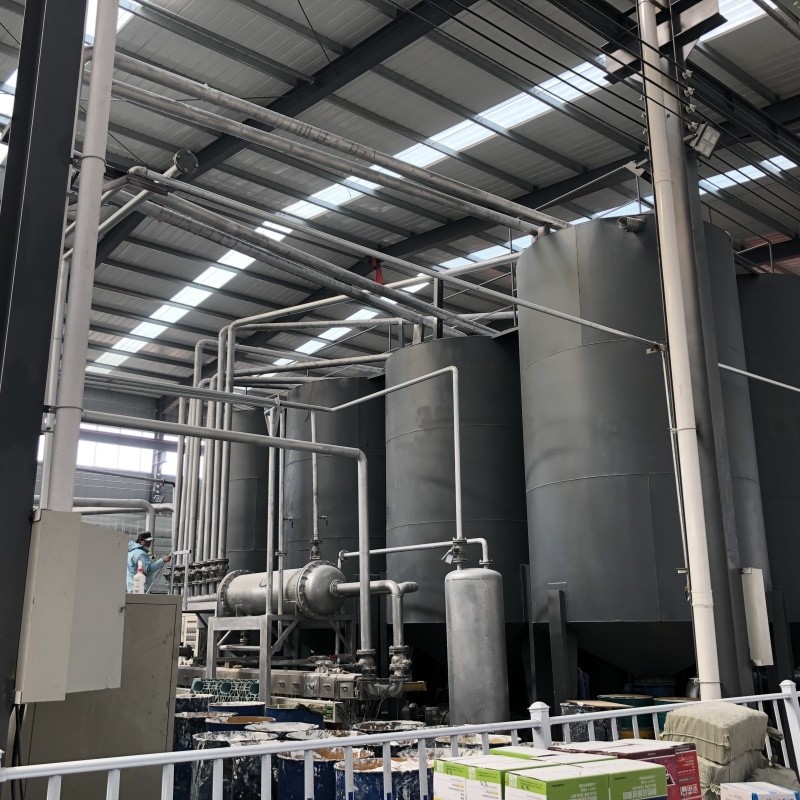
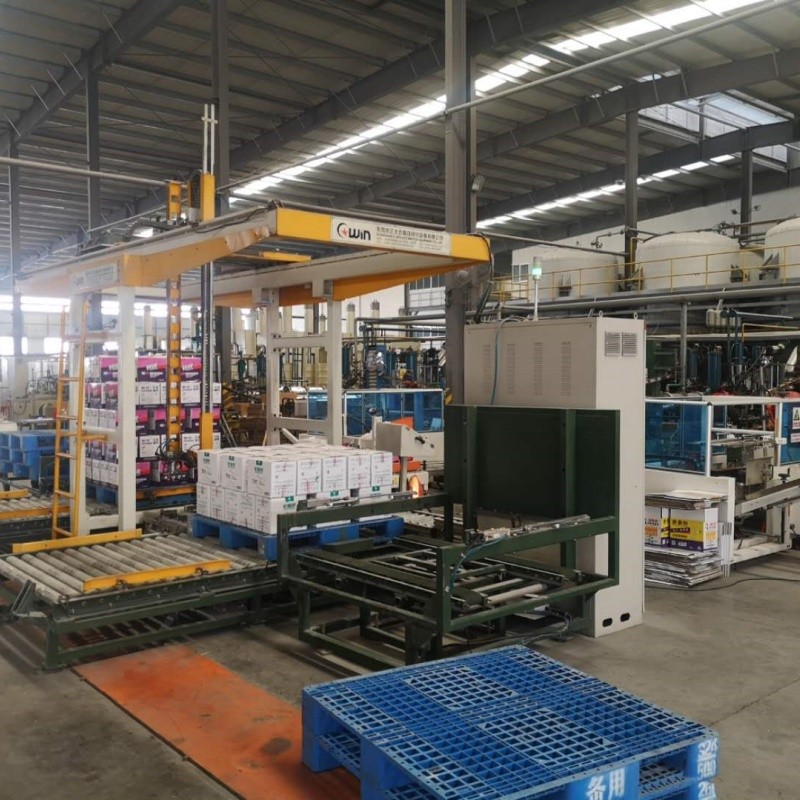


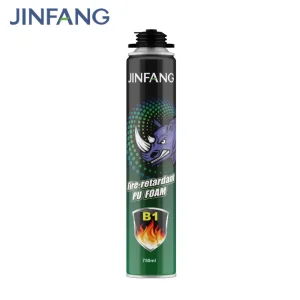
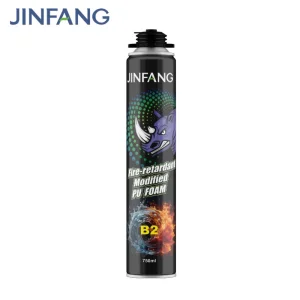
In addition to performance, building materials must meet strict safety guidelines. The Chicago Building Department enforces local adaptations of the International Building Code, mandating rigorous flame spread and smoke development ratings for all interior and cavity sealants. Our fire-retardant B1 and B2 PU foams are tested according to DIN 4102-1 and meet standard ASTM E84 flame spread index regulations (< 25) for Class A construction classification.
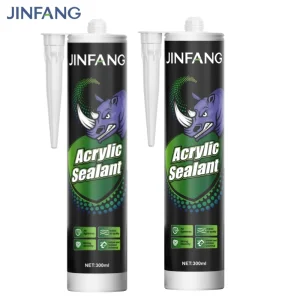
Furthermore, indoor air quality standards are strictly regulated. Modern building designs often require low-VOC construction sealants to comply with green building standards like LEED and WELL. Shandong Jinfang’s water-based acrylic sealants, MS polymers, and specialized PU foams are formulated to reduce VOC emissions, helping builders pass indoor air quality inspections and support occupant health.
Our commitment to material science is backed by continuous testing and academic partnerships. Shandong Jinfang Adhesive Industry Co., Ltd. collaborates with leading research institutions, including Shandong University, Xiamen University, and Linyi University. These partnerships help us recruit top-tier technical talent and continuously improve our formulations, ensuring our products stay ahead of changing international performance standards.
Answers to common questions from distributors, architects, and structural contractors regarding our PU Foam formulations.
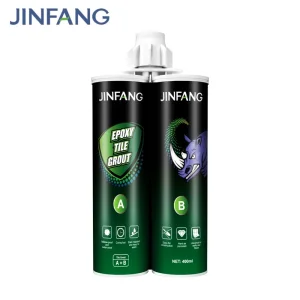
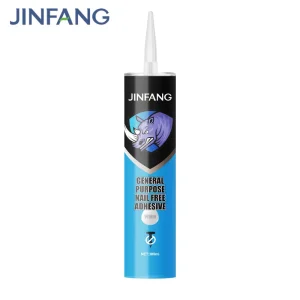
Explore our complete range of adhesives, structural silicones, MS polymers, and specialized grouts for industrial use.
Connect directly with our chemical engineering team today. Get access to custom formulation support, volume pricing, and sample delivery for Chicago-based projects.
 Jinfang