Premium Grade single-component and multi-purpose sealants engineered for professional applications, providing superior structural adhesion, thermal barrier control, and airtight seals.
Brazil represents the largest chemical and construction materials market in South America. The country's expanding infrastructure, spurred by massive urban residential initiatives such as the Minha Casa, Minha Vida program, and significant commercial expansions in financial hubs like São Paulo and Rio de Janeiro, has created unprecedented demand for reliable, high-performance sealing materials. Polyurethane (PU) foam has evolved from a simple gap-filling consumable into a key component in energy-efficient architectural designs across the region.
Operating within Brazil's diverse tropical and subtropical environments presents distinct challenges. In coastal metropolitan areas like Recife, Salvador, and Rio, building envelopes must withstand persistent salinity and high humidity. In the interior industrial and agribusiness belts, seasonal temperature fluctuations demand sealants with superior expansion-to-contraction ratios. The local civil construction industry is increasingly adopting Drywall, Light Steel Framing (LSF), and Structural Insulated Panels (SIPs), all of which rely heavily on high-yield, premium-grade PU foams for structural soundproofing and thermal insulation.
Furthermore, Brazil's regulatory framework, managed by the ABNT (Associação Brasileira de Normas Técnicas), enforces strict rules on material performance. Under standards like NBR 15575 (performance of residential buildings), the thermal, acoustic, and fire safety characteristics of sealants are subject to audit. This transition toward rigorous quality validation makes it imperative for domestic distributors and contractors to secure supply lines from manufacturers capable of engineering products that satisfy both international standards (like European DIN classifications) and specific local Brazilian NBR performance mandates.

How Shandong Jinfang Adhesive Industry Co., Ltd. Bridges the Gap for Brazilian Distributors and Importers with Advanced Production Logistics
Located in Shandong, China's core chemical production zone, we benefit from deep integration with raw material suppliers of MDI, polyols, and prepolymers. This localized supply chain minimizes transportation overhead, insulation costs, and material fluctuations, allowing us to supply Brazilian clients with high-grade products at competitive price points.
We maintain collaborative R&D networks with Shandong University, Xiamen University, and Linyi University. This academic connection enables our labs to rapidly test, adjust, and optimize PU foam formulation kinetics for specific climatic zones, including the high-humidity, high-temperature regions of Brazil.
Navigating the RADAR/SISCOMEX import systems in Brazil requires precise documentation. From bill of lading configuration to customs compliance, we ensure smooth cargo operations to key ports like Santos, Paranaguá, and Navegantes, backed by an average factory-to-shipment time of just 15 business days.
Countries Reached Across 5 Continents
Average Factory-to-Shipment Turnaround
Client Retention & Repeat Purchase Rate
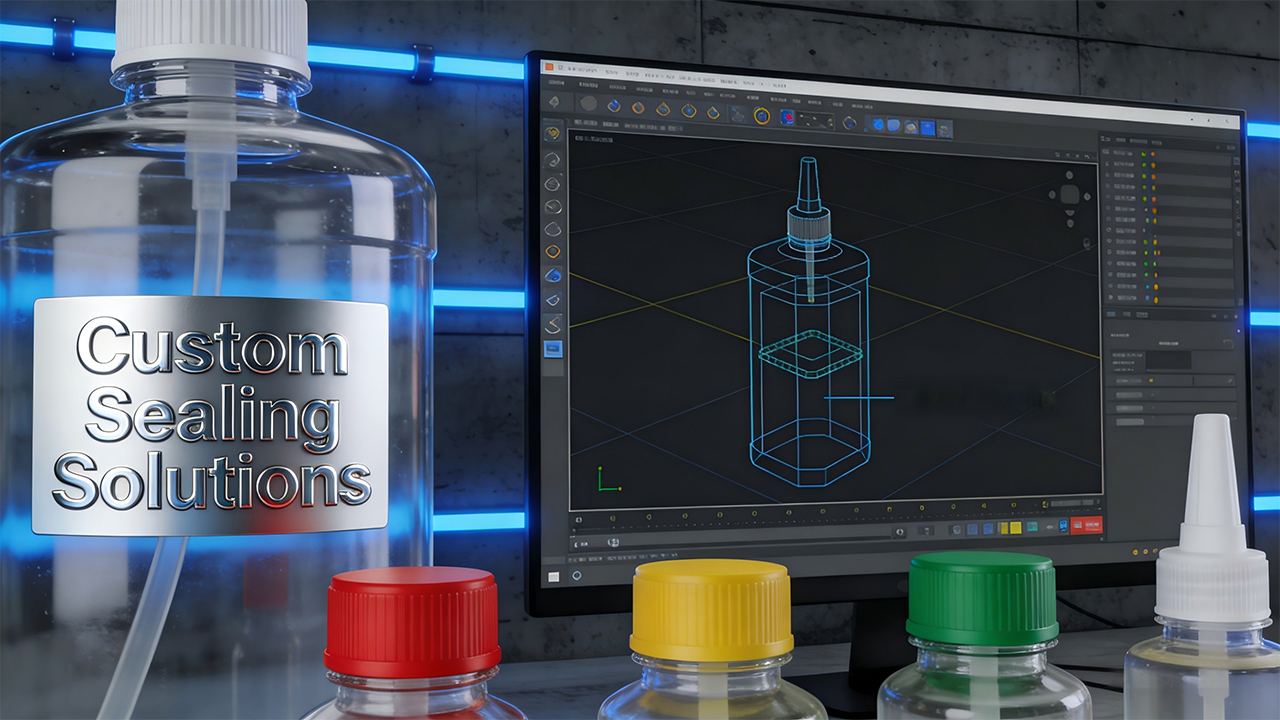
Every commercial market requires customized product profiles. Shandong Jinfang Adhesive Industry Co., Ltd. provides robust OEM and customization options to meet the strict demands of Brazilian distributors, industrial consumers, and local private brands.
We provide full-spectrum services ranging from customized chemical modifications (such as increasing open-time limits, modifying expansion rates, or adapting color configurations) to versatile packaging options. Our machinery supports standard aerosol cans (750ml, 500ml), plastic and aluminum cartridges, sausage packs, and large bulk industrial drums. By working in close partnership with our customers, we print multilingual packaging (Portuguese/English/Spanish) featuring specific barcodes, technical specifications, and safety guidelines that comply with MERCOSUR standards.
Our high-performance sealing solutions are optimized for the key industrial sectors driving Brazil's growth.
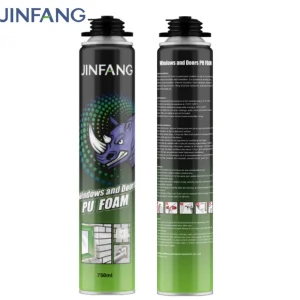
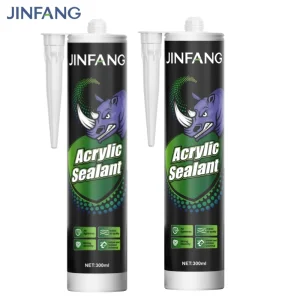
Our structural neutral silicone sealants and PU expansion foams provide long-lasting airtightness and thermal comfort. Essential for window frame installations, high-rise glass curtain walls, and prefabricated expansion joints in major cities like São Paulo and Belo Horizonte.
Brazil's automotive manufacturing hubs, including the ABC Paulista and Paraná complexes, demand professional-grade polyurethane sealants. Our formulations provide excellent vibration damping, structural bonding, and moisture protection for chassis, windshields, and body joints.
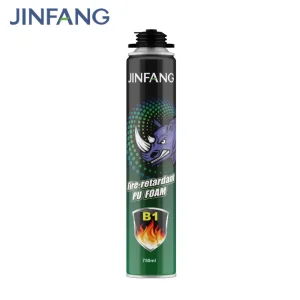
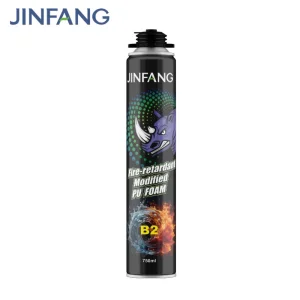
Designed to comply with fire safety requirements, our B1 and B2 fire-retardant PU foams are critical for sealing electrical penetrations, pipe ducts, and structural gaps in commercial buildings, warehousing units, and cold storage facilities.
In tropical and subtropical regions like Brazil, sealing materials face harsh environmental challenges, including intense solar UV radiation and persistent high humidity. These conditions accelerate the degradation of standard sealants, leading to cohesive failure, discoloration, and loss of elastomeric recovery. Maintaining structural integrity under these conditions requires carefully engineered polymers.
The performance of one-component polyurethane foam (OCF) relies on its cellular matrix structure. When extruded from the aerosol can, the propellant mixture vaporizes, creating bubbles within the polyurethane prepolymer. For tropical climates, the curing rate must be balanced with the rate of moisture diffusion from the atmosphere. If the foam cures too quickly on the surface, it can trap unreacted prepolymers inside, leading to shrinkage or cavity formation. Jinfang's customized formulations use balanced catalyst systems that manage this reaction, ensuring a high ratio of closed cells (typically >88%), which provides excellent thermal insulation and acoustic isolation.
Fire safety is increasingly prioritized in commercial developments across São Paulo and Rio de Janeiro. Our B1 fire-retardant PU foam includes chlorinated and phosphorus-based flame retardants. When exposed to heat, these additives promote the formation of a char layer that blocks oxygen transport and slows heat transfer. Under standard testing (such as DIN 4102-1), Class B1 foams are self-extinguishing once the flame source is removed, providing critical protection for utility penetrations, electrical conduits, and partition walls.
For Brazilian distributors, importing chemicals from China requires navigating tariff codes and logistics schedules. Polyurethane products are classified under MERCOSUR Common Nomenclature (NCM) codes, which dictate import duties. We help clients choose the correct NCM classifications to avoid customs delays and optimize tax rates. We package our shipping containers using high-density moisture-absorbent silica packs and thermal barrier wraps, protecting the aerosol cans from temperature spikes during transit through equatorial ocean zones.
Find technical, logistical, and compliance answers regarding importing and applying PU foam products in Brazil.
For custom packaging designs, color specifications, or custom formulations, our standard MOQ is generally 10,000 units per SKU. This volume allows us to optimize printing setups for lithographed cans and ensure cost-effective raw material usage. We can discuss smaller trial orders depending on current production scheduling and material availability.
One-component polyurethane foams are sensitive to temperature and moisture. To protect our shipments, we use robust valves and high-barrier aluminum-alloy cans that prevent moisture ingress. For transport to Brazil, we recommend using container liners and dry desiccants to mitigate the risk of condensation and temperature spikes, ensuring the foam remains stable upon arrival.
Yes. Our B1 and B2 fire-retardant foams are formulated to meet international DIN 4102 standards, which are widely accepted by Brazilian engineering groups and testing labs as equivalent to local fire safety rules under NBR 15575. We supply full testing datasheets and chemical analysis certifications to support your building code approvals.
Production typically takes 15 to 20 days from order confirmation to container loading at Qingdao Port. Ocean freight to major ports like Santos or Paranaguá takes between 35 and 45 days. We provide all necessary shipping documentation, including certificates of analysis, safety data sheets (SDS) in Portuguese, and custom commercial invoices to expedite the clearance process.
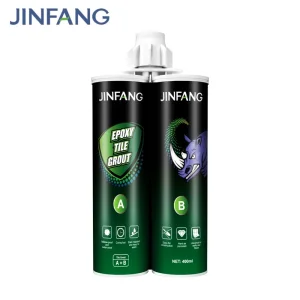
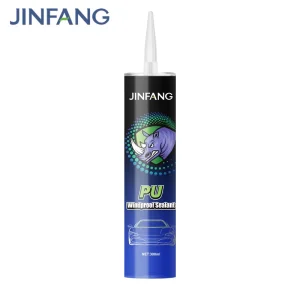
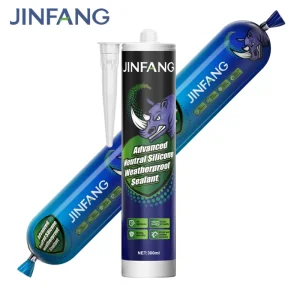
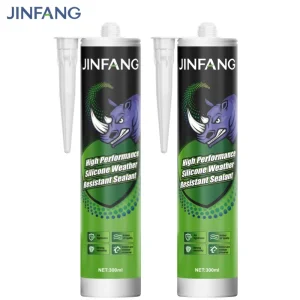
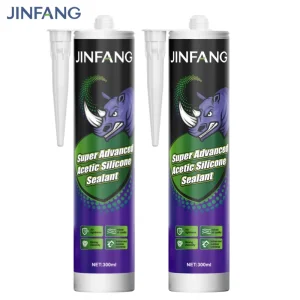
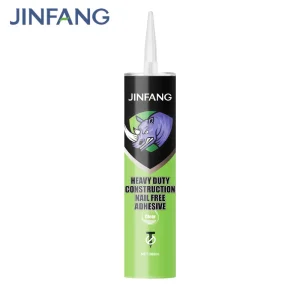
Explore our full line of silicone sealants, epoxy grouts, MS polymers, and high-strength adhesives developed for industrial and residential applications.
 Jinfang