 Jinfang
Advanced low-VOC formulations engineered to comply with high airtightness parameters and structural standards of the Japanese construction sector.
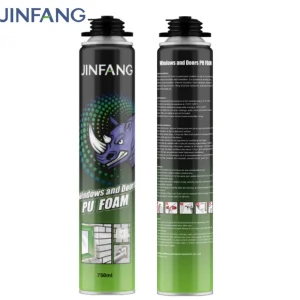
Technical analysis of how modern density requirements and safety classifications impact industrial sourcing in Japan.
Japan's aggressive energy-saving initiatives, centered around the ZEH (Net Zero Energy House) and Net Zero Energy Building (ZEB) frameworks, have fundamentally redefined insulation standards. Polyurethane foam is no longer viewed merely as a joint filling gap agent; it is a critical component of the primary building thermal boundary. Achieving high-performance airtightness (C-value metrics close to 0.5 cm²/m²) requires foam formulas with exceptionally fine cell density and high structural recovery. This demand is especially pronounced in colder prefectures like Hokkaido and Tohoku, where thermal loss through gaps is strictly regulated under the Building Energy Efficiency Act.
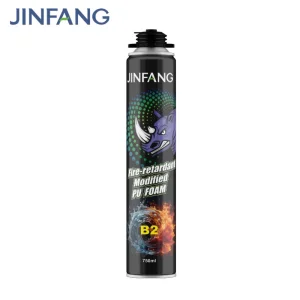
Given Japan’s geo-seismic positioning, elasticity and structural recovery are pivotal parameters. Standard rigid foams run the risk of cracking under structural micro-movements, resulting in severe air leakage and moisture ingress over time. The demand has shifted towards modified elastic PU foams that can absorb dynamic shock and return to their original volume without tearing or losing adhesive strength. This elasticity is crucial for high-rise steel frame designs in dense municipal hubs like Tokyo, Yokohama, and Osaka.
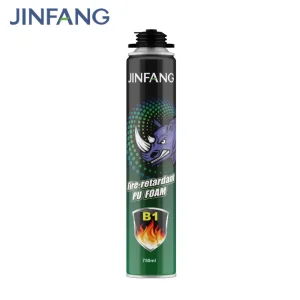
Japan maintains strict building standards regarding indoor air quality and fire behavior. Materials utilized in closed indoor environments must exhibit ultra-low VOC release, strictly adhering to the Japanese Agricultural Standards (JAS) and Ministry of Land, Infrastructure, Transport and Tourism (MLIT) F☆☆☆☆ (F-Four Star) equivalence for formaldehyde emissions. Furthermore, structural fire propagation standards demand high fire retardancy, typically aligning with DIN 4102 B1/B2 classifications. For developers constructing apartments, multi-tenant offices, and cold storage warehouses across Japan, selecting pre-qualified, certified foam supply lines is non-negotiable.
Strategically situated in the major industrial hub of Shandong Province, China, Shandong Jinfang Adhesive Industry Co., Ltd. stands as a premier manufacturing enterprise specializing in the formulation, testing, and volume supply of structural sealants and polyurethane foams.
By leveraging partnerships with leading Chinese academic institutions—including Shandong University, Xiamen University, and Linyi University—we recruit top-tier chemical researchers to maintain an advanced testing infrastructure. This deep integration of academic theory and practical manufacturing enables us to deliver polyurethane foam products designed to match the exacting requirements of global markets, particularly serving Japanese developers and industrial supply chains.
Our fully automated packaging and automated formulation systems maintain batch-to-batch consistency. Our factories hold ISO 9001 and ISO 14001, ensuring full environmental audit trail transparency for foreign compliance departments.

Why sourcing PU Foams directly from Shandong Jinfang optimizes unit cost structures while maintaining top-tier quality standards.
By producing raw materials and maintaining strict in-house quality control from initial synthesis to final pressurized canning, we avoid middleman markups. Our strategic partnerships with Linyi University and Xiamen University allow us to formulate custom variants optimized for cold environments or extreme tropical humidity.
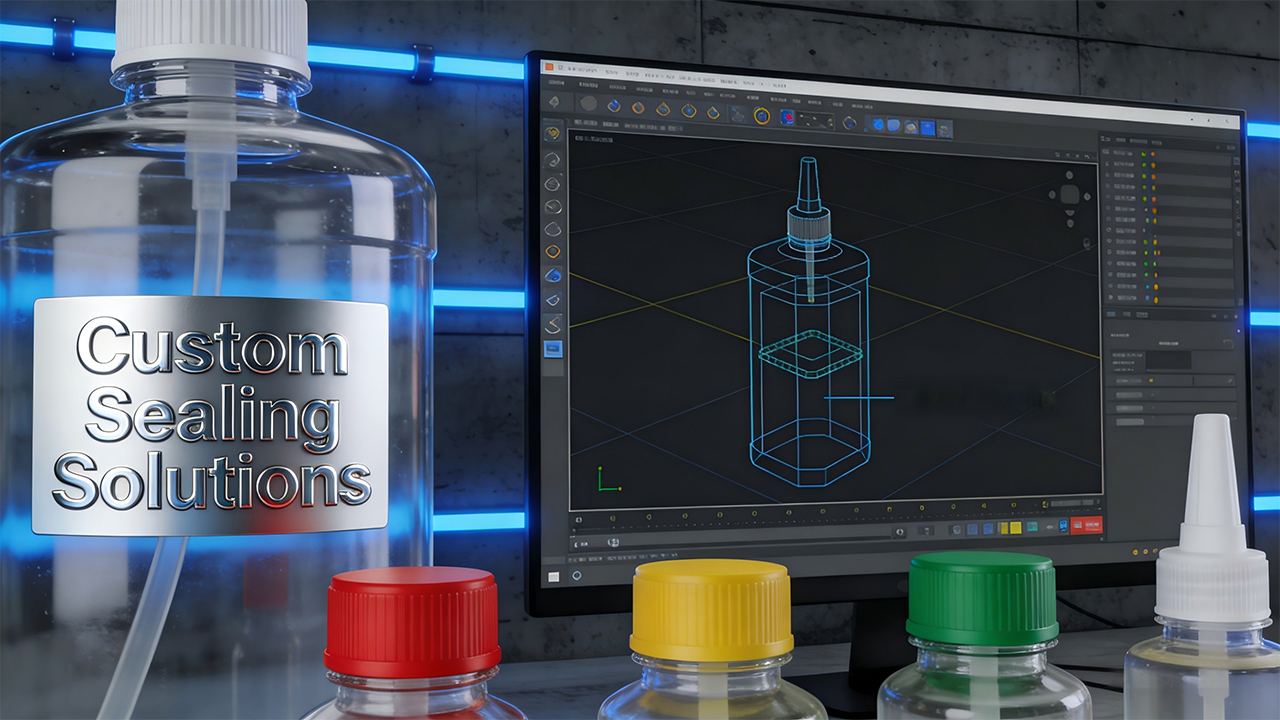
We provide full white-label packaging solutions, variable cartridge sizes (sausages, rigid plastic canisters, and specialized aerosol cans), and custom propellant modifications (such as eco-friendly HFO/DME gas configurations). This flexibility helps Japanese brands market products matching local branding rules.
Our proximity to Qingdao and Linyi ports allows us to maintain shipping timelines to major Japanese ports (Kobe, Osaka, Tokyo, Nagoya) of under 15 business days. This helps keep client safety stock levels low and mitigates supply chain volatility.
Understanding how our sealants perform in real-world scenarios across the Japanese archipelago.
During the northern winters, sub-zero installation conditions make typical aerosol foams brittle. Our winterized formula allows for smooth extrusion and expansion down to -10°C, maintaining the structural stability required for triple-glazed wooden frames popular in Sapporo and Hakodate.
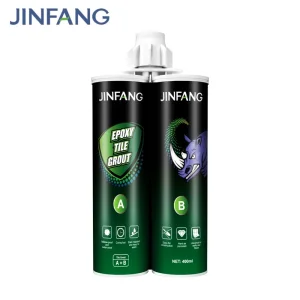
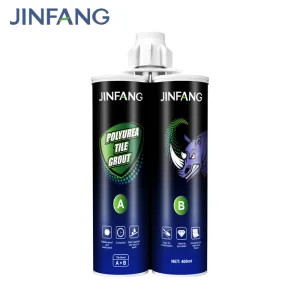
In thermal resorts and heavy rainy season areas, sealant failure leading to mold and mildew is a common concern. Using our high-density polyurea tile grouts and hydrophobic PU foams prevents capillary moisture migration in concrete substrates.
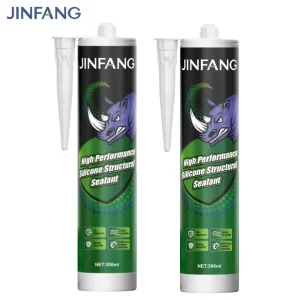
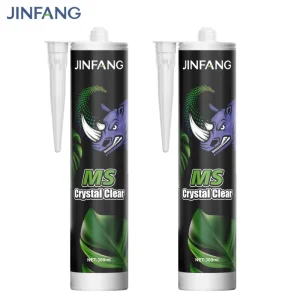
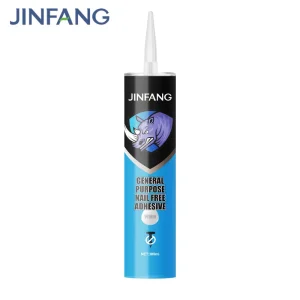
Modern skyscrapers require facade expansion joints that can accommodate extreme wind sway and seismic shear. Our structural silicone and MS polymer line offers high elasticity and long-term UV resistance under direct sunlight.
Aligning with Japan's decarbonization goals through advanced formulation and eco-friendly packaging.
As the Ministry of Economy, Trade and Industry (METI) tightens regulations on greenhouse gas emissions and global warming potential (GWP) metrics, conventional hydrofluorocarbon (HFC) blowing agents are being phased out in Japan. Shandong Jinfang is leading this transition by developing low-GWP hydrofluoroolefin (HFO) blowing agents and eco-friendly dimethyl ether (DME) blends. These chemical updates ensure that our PU foams deliver high expansion rates and low density without contributing to ozone depletion.
Furthermore, our efforts to design recyclable packaging, reduce residual can waste, and implement clean-curing formulations help our Japanese partners qualify for green building points in initiatives like CASBEE (Comprehensive Assessment System for Built Environment Efficiency).
Our green chemistry solutions contribute directly to indoor environmental quality, waste reduction, and building resource efficiency assessments.
Addressing the key technical, logistical, and compliance concerns of Japanese procurement managers.
Complementary high-durability solutions for concrete joints, structural glazing, and high-performance building assembly.