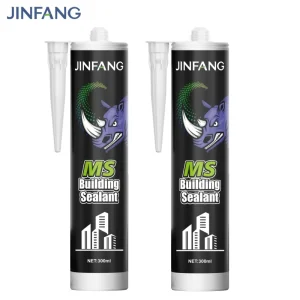
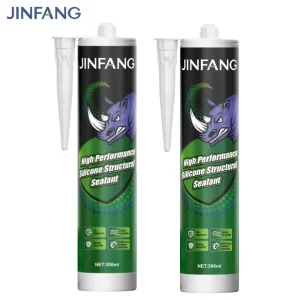
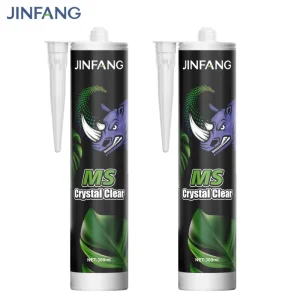
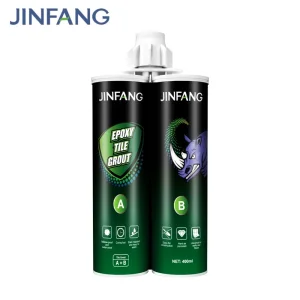
Optimized formulations addressing the specific environmental and regulatory framework of the Campania region.
The Metropolitan Area of Naples, extending across the volcanic soils of Campania and facing the Tyrrhenian Sea, presents a complex matrix of construction, industrial, and maritime demands. The local environment forces contractors and engineers to operate within narrow tolerances regarding structural movement, fire safety regulations, and ambient moisture control.
Key drivers of PU Foam applications in Naples include:

Aligning chemical synthesis with contemporary regulatory trends and environmental targets.
Our R&D technical roadmap emphasizes the systematic phasing out of traditional chlorinated paraffin plasticizers and hydrofluorocarbon (HFC) propellants. By switching to next-generation Hydrofluoroolefins (HFO) and optimizing PMDI prepolymer matrices, we deliver PU foam cans with consistent cell morphology and high expansion volume even at ambient temperatures as low as +5°C—ideal for winter construction cycles in Naples.
For the Italian building sector, particularly within the framework of structural enhancements, the mechanical compatibility of the foam is tested systematically. The load bearing capacity, dimensional stability under thermal strain (varying from -40°C to +90°C), and sound insulation index (reaching up to 60 dB) are calibrated to ensure compliance with the UNI EN standards governing thermal and acoustic envelope insulation.
Procuring raw chemical components and sealants for European distribution requires rigorous adherence to European Chemical Agency (ECHA) standards. All PU foams shipped to Campania and mainland Italy undergo complete REACH chemical registration, accompanied by comprehensive Safety Data Sheets (SDS) translated into Italian and updated with correct European Waste Catalog (EWC) classifications.
Efficient shipping routes connect Qingdao Port directly to Terminal Conateco at the Port of Naples, with a typical transit window of 25 to 30 days, supported by complete customs clearance documentation.
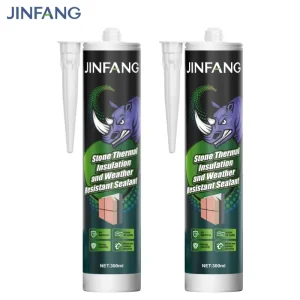
All sealants and polyurethane joint fillers carry explicit Declaration of Performance (DoP) certificates meeting standard regulatory codes for indoor and outdoor joint sealing.
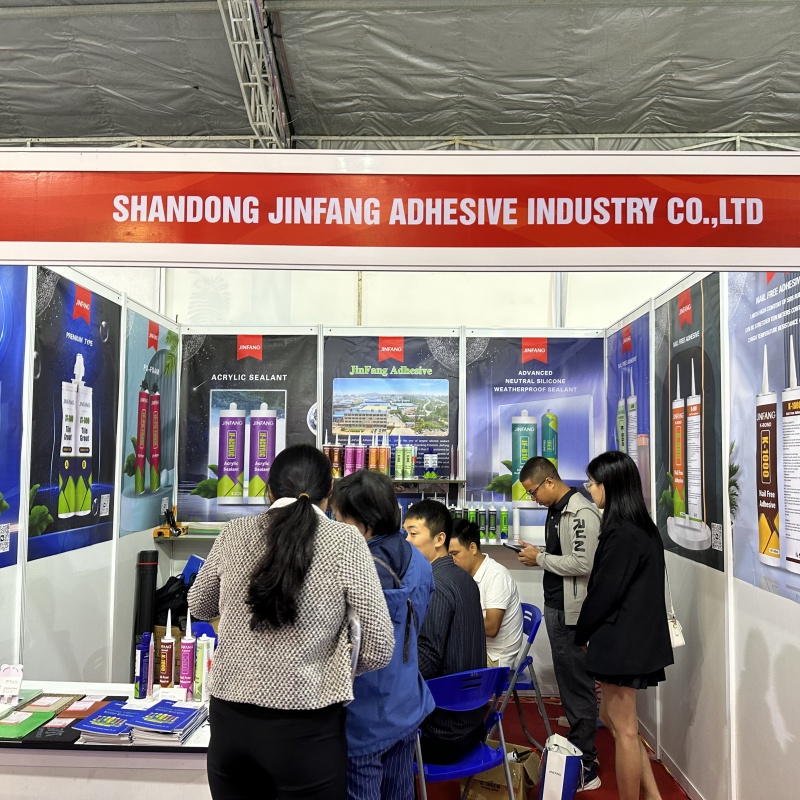
Inside Shandong Jinfang Adhesive Industry Co., Ltd. - Driving industrial innovation at scale.
Based in Shandong Province, an industrial cluster for chemical engineering, Shandong Jinfang Adhesive Industry Co., Ltd. operates a modern smart factory. Our manufacturing integration encompasses precise raw material formulation, fully automated adhesive production, precision injection molding, and intelligent aerosol packaging. Operating with advanced computerized process control, we maintain a baseline batch-to-batch consistency that ensures optimal field reliability.
To stay at the forefront of polymer science, we maintain deep R&D partnerships with leading academic institutions, including Shandong University, Xiamen University, and Linyi University. These collaborations focus on structural macromolecule design, looking at polymer chain alignment to produce superior adhesive strength, UV resistance, and accelerated curing rates under variable temperatures. Our formulation laboratories work directly with clients to refine density, viscosity, and open-time parameters to match specific mechanical dispensing equipment used in Italy and throughout the EU.
Explore our full line of industrial adhesives, structural silicone, and MS polymers designed for professional applications.
Tailoring physical properties and packaging profiles for professional global distributors.
We work closely with industrial users to customize core parameters of our polyurethane prepolymers, adjusting formula characteristics to meet specific field conditions:
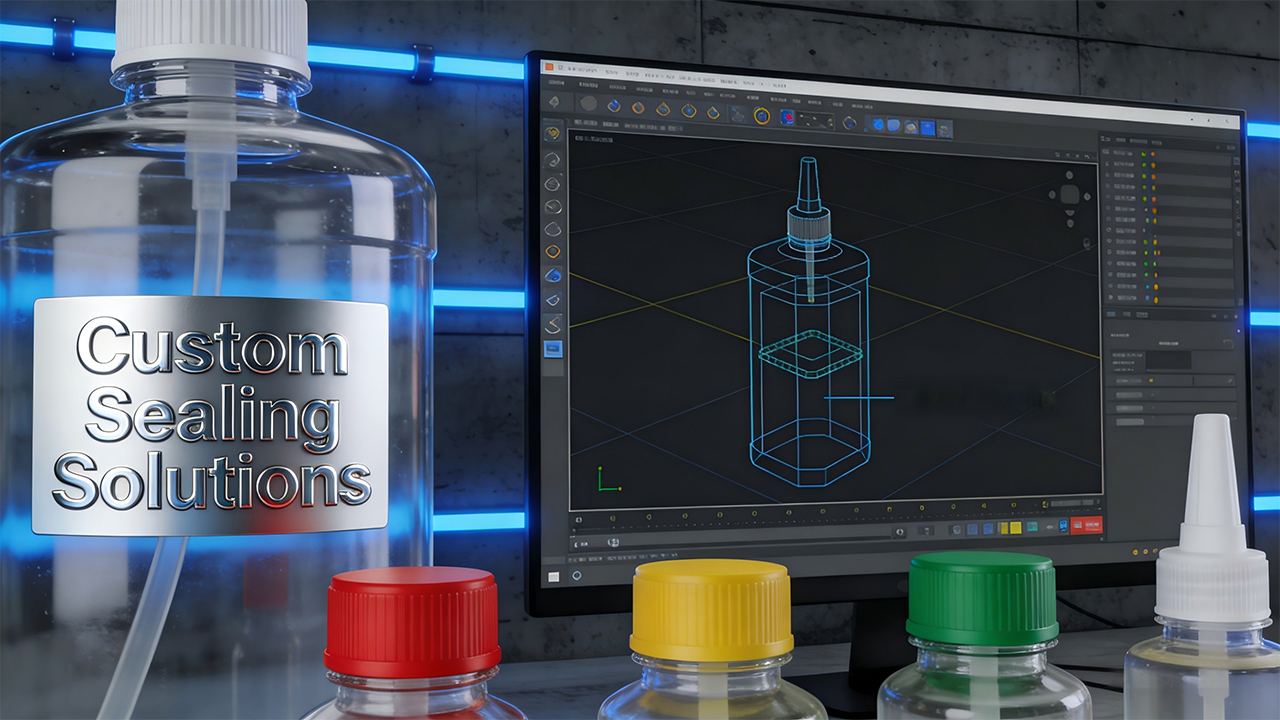
To support retail and professional brands, we provide complete private labeling services. Aerosol cans are available in standard 750ml and 500ml sizes with high-pressure metal can structures. We support both offset litho-printing and high-durability labeling options. For bulk applications, we supply raw formulations in industrial drums and intermediate bulk containers (IBCs) with nitrogen-blanket protection.
Technical clarity on polyurethane foam specifications, installation, and procurement logistics.
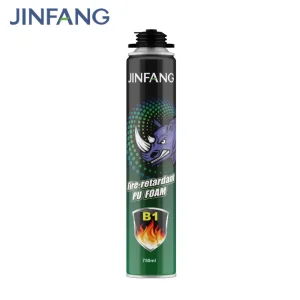
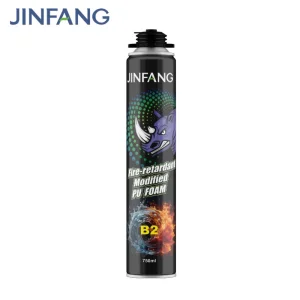
Under the German DIN 4102-1 standard (integrated into European fire classification EN 13501-1), B1 class denotes materials that are self-extinguishing and highly flame retardant, whereas B2 indicates normal flammability. For public infrastructure, commercial building envelopes, and multi-family residential complexes in Italy, municipal building codes generally require B1 rated polyurethane sealants to limit vertical flame propagation in wall assemblies.
One-component polyurethane foams cure via reaction with atmospheric moisture. High ambient relative humidity, typical of coastal Naples, accelerates the initial skin formation and internal polymerization. However, excess moisture can sometimes cause cell collapse if not balanced. Our formulations are balanced with specific catalysts to control the cell growth, preventing internal voids and maintaining stable density despite atmospheric variations.
Yes. All raw polymers, plasticizers, and flame-retardant additives used in our Shandong manufacturing facilities are fully registered and compliant with ECHA REACH requirements. We issue Italian-translated Safety Data Sheets (SDS) and supply the correct chemical identification labels to ensure stress-free importation and distribution through Italian custom checkpoints.
Our standard production turnaround is approximately 15 days from deposit confirmation. Marine shipping transit times from Qingdao Port to the Port of Naples (Terminal Conateco) average between 25 and 30 days. For direct-factory pricing and customized labeling, our minimum order quantity is typically set to one 20ft container, which maximizes shipping safety and cost-efficiency for chemical cargo.
 Jinfang