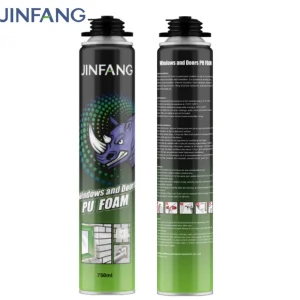
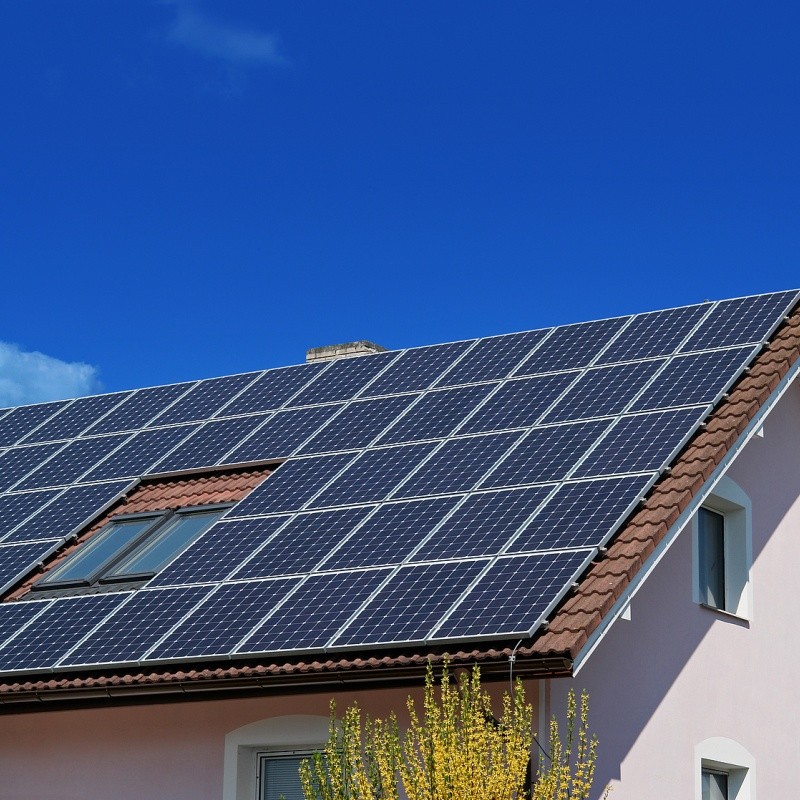
San Francisco and the broader Bay Area present a unique convergence of strict environmental regulations, microclimatic variance, and demanding structural requirements. From the damp, coastal marine fog blanketing the Sunset District to the high-density seismic zones in the Financial District, modern building envelopes require sealing and insulation materials of the highest integrity. Polyurethane (PU) Foam has emerged as the critical material to satisfy California Title 24 Building Energy Efficiency Standards, achieving superior thermal resistance (R-value) while functioning as a continuous air barrier.
As a trusted OEM factory and global manufacturer serving the San Francisco construction, automotive, and industrial distribution markets, we understand that "standard" formulations do not suffice. Compliance with localized requirements—ranging from strict Volatile Organic Compound (VOC) emission limits enforced by the Bay Area Air Quality Management District (BAAQMD) to fire-safety thresholds set by the California Department of Forestry and Fire Protection (CAL FIRE)—dictates the choice of raw materials and chemical systems.
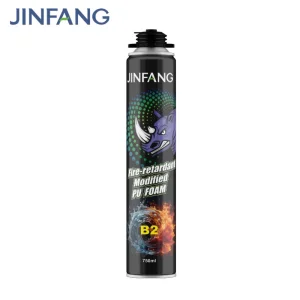
In seismic zones like San Francisco, structural movement is inevitable. Rigid sealants fail under joint displacement. Our modified PU foams and polyurethane sealants are formulated with precise elastomeric recovery parameters, enabling them to compress and expand dynamically during structural shifts without losing adhesion to substrates such as concrete, structural steel, and glass facade systems.
Engineered for fire safety, thermal performance, and seismic resiliency in Northern California's commercial and residential construction sectors.
The polyurethane foam market is undergoing a rapid evolution driven by chemical safety initiatives, raw material optimization, and global logistics changes. Key components such as diphenylmethane diisocyanate (MDI) and polyols have faced localized supply chain constraints, making partnerships with high-capacity factories like Shandong Jinfang critical for West Coast distributors.
Moreover, the shift toward sustainable blowing agents is no longer optional in North America. California's aggressive phase-down of Hydrofluorocarbons (HFCs) under the Significant New Alternatives Policy (SNAP) program has catalyzed the research and development of Hydrofluoroolefin (HFO) blowing agents. Our R&D department, collaborating closely with prestigious academic entities such as Shandong University, has pioneered formulations that deliver a near-zero Global Warming Potential (GWP) and zero Ozone Depletion Potential (ODP), directly matching the requirements of green building certifications like LEED v4.
Selecting the appropriate PU foam density is crucial for San Francisco's marine climate zones. Closed-cell PU foam offers high structural strength, an elevated R-value per inch (typically 6.5 to 7.0), and serves as an absolute water vapor barrier—vital for outward-facing external walls subject to heavy fog. Conversely, open-cell foam (R-value ~3.5 per inch) provides superior sound attenuation properties, ideal for high-density multi-family housing developments along the Embarcadero and South of Market (SOMA) districts.
The core strengths of our formulations lie in their exceptional performance under challenging conditions. They exhibit outstanding weather resistance against UV radiation, rain, and extreme temperatures, superior temperature tolerance across a wide range, and reliable sealing performance that prevents moisture, dust, and air infiltration. This ensures the longevity and durability of the final assemblies.
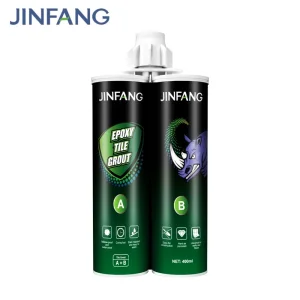
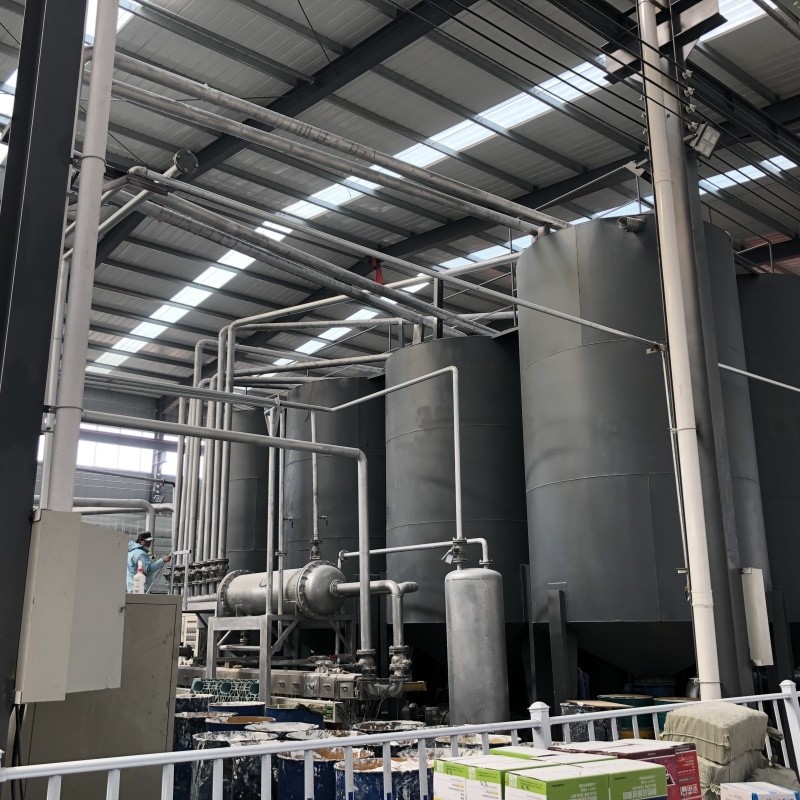
Strategically located in the heart of Shandong Province, a major industrial hub in China, Shandong Jinfang Adhesive Industry Co., Ltd. stands as a leading manufacturer specializing in the research, development, and production of high-performance adhesive and sealant products. With a steadfast commitment to innovation and quality, we have built a comprehensive portfolio that includes silicone sealant, PU Foam, MS sealant, nail-free glue, tile grout, and PU sealant.
Our formulations are subjected to rigorous aging chambers simulating high UV exposure and cyclic temperature swings. This performance profiles our sealants as the optimal choice for structural glazing and envelope sealing in coastal California infrastructure.

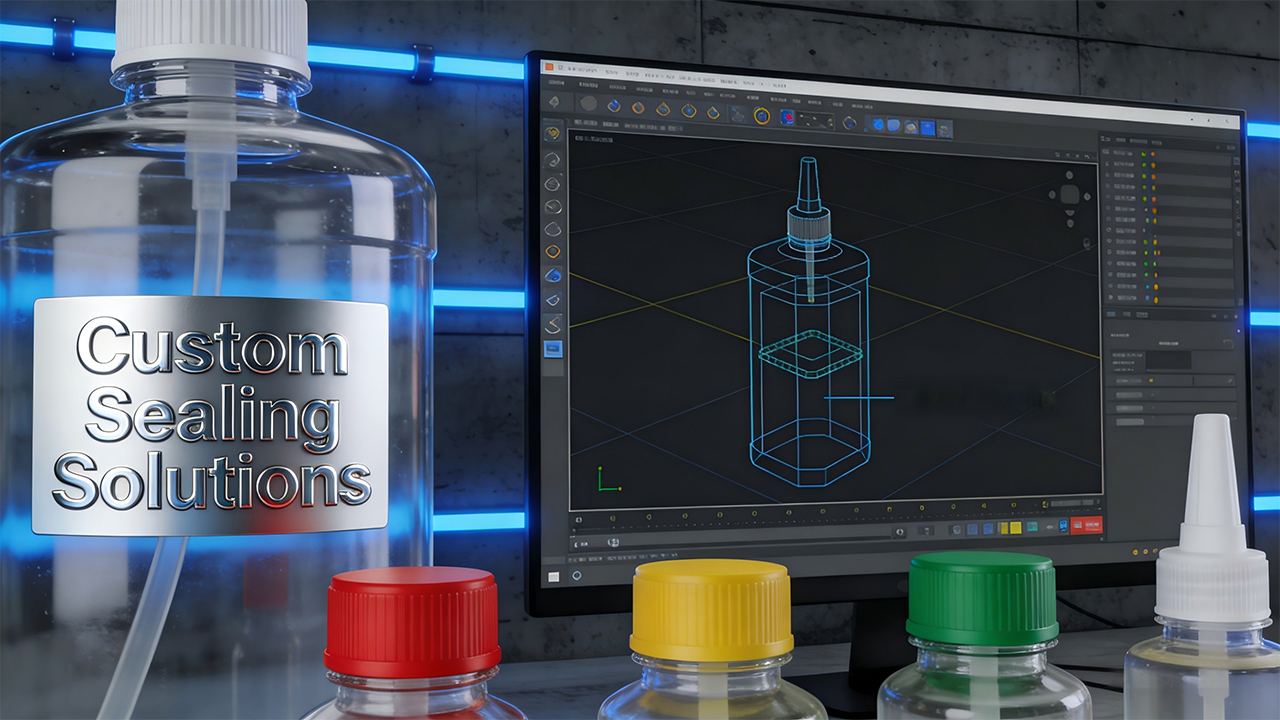
Understanding the unique needs of our global clients, we offer flexible OEM and customization services. Our expert technical team works closely with customers to tailor product specifications, packaging, and formulations to their exact project requirements. This client-centric approach, backed by stringent quality control from raw material sourcing to finished product, has been instrumental in our successful international expansion.
Whether you require custom aerosol can sizing for construction retail, specific extrusion rates for automatic dispensing systems in manufacturing plants, or customized fire retardancy ratings (B1/B2/Class A), Jinfang adapts its high-precision manufacturing lines to deliver consistent bulk shipments to Oakland Port and onward to Bay Area distributors.
Our operational scale and manufacturing efficiency translate to dependable supply security for North American markets.
Our high-quality products have earned trust and reached partners across Europe, Asia, and South America.
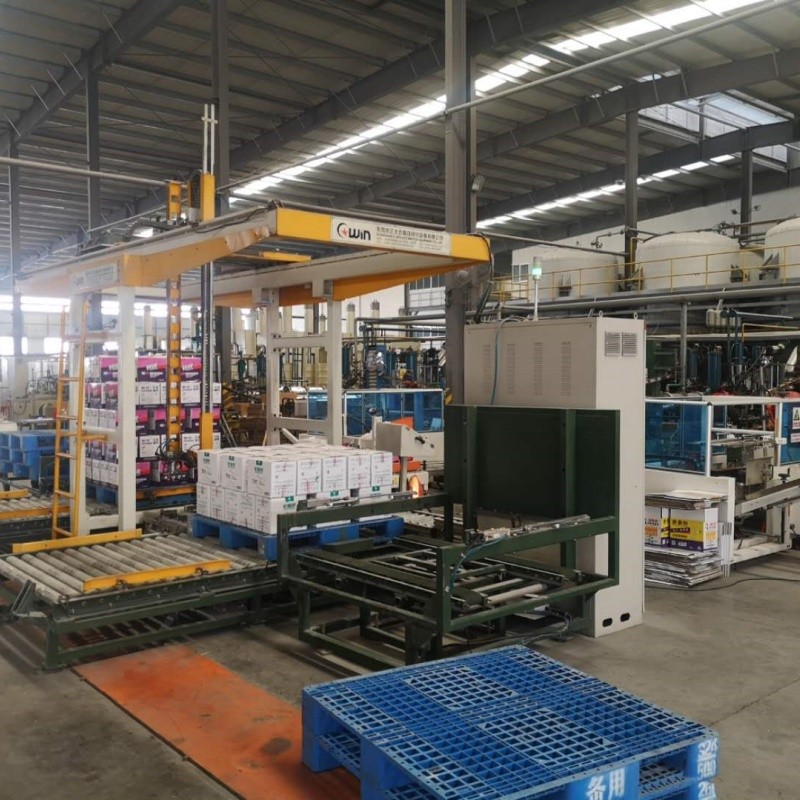
Agile manufacturing and automated packaging lines ensure fast execution from order placement to shipment.
A testament to our strict ISO 9001 quality stability and tailored OEM partner programs.
The future of polyurethane insulation and sealing chemistry is focused on reducing ecological footprints while advancing mechanical thresholds. Shandong Jinfang is investing heavily in three core engineering domains:
Replacing petroleum-derived components with sustainable polyols derived from agricultural by-products such as castor oil and soybeans. This decreases carbon intensity by up to 30% without sacrificing cell structure integrity or the ultimate R-value.
Incorporating halogen-free, non-toxic intumescent flame retardants that expand under high-heat scenarios to form a dense carbonaceous char barrier, significantly reducing toxic gas emissions and heat release rates.
Merging the weather resistance of silicones with the high strength of polyurethanes to produce Modified Silane (MS) sealants that are free of solvents and isocyanates, ideal for high-exposure exterior expansion joints.
Providing end-to-end industrial sealing solutions optimized for global distribution channels.
When you possess a mature product solution or proprietary formula, we provide an efficient and reliable "production plant" for you. We deliver qualified, high-quality products through standardized and scalable manufacturing, with strict adherence to your specifications.
Based on your market conditions, we collaborate closely with your team to develop products that truly meet your market demands. From brand establishment to product delivery, we provide one-stop services to drive your business growth. White-Label Supply allows you to capture markets rapidly at low cost.
Our team provides tailored product solutions, meeting diverse customization needs for specific application scenarios. In compliance with production standards, we support the manufacturing and supply of proprietary technologies and confidential formulas.
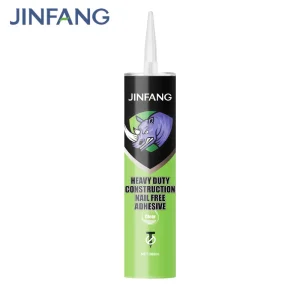
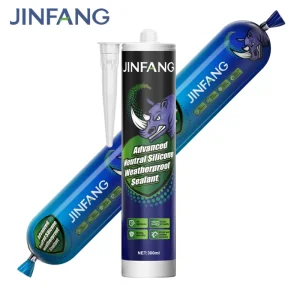
We offer a variety of packaging options, including sausage, hard tubes, pails, and toothpaste-style tubes, with multiple packaging materials available such as plastic tubes, aluminum tubes, and toothpaste tubes. We personalize packaging with customized product labeling and sales highlights.
We offer both offset printing and screen printing, delivering clear and vibrant colors to meet your branding and regulatory compliance text requirements.
Deep R&D partnerships with leading Chinese universities, including Shandong University, Xiamen University, and Linyi University, leveraging these collaborations to recruit top-tier research talent.
Our high-performance sealants are deployed globally across extreme marine climates, structural glazing projects, and transport vehicles.
Silicone Sealant: The High-Performance Sealing & Bonding Solution for Diverse Applications
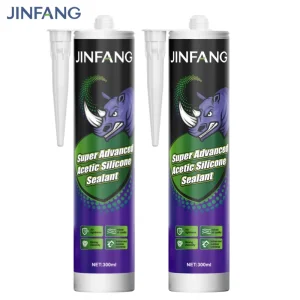
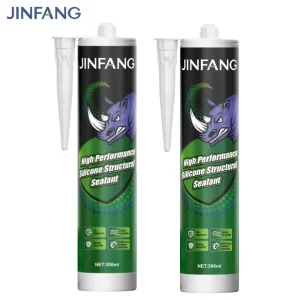
With outstanding weatherability, temperature resistance, elasticity, and adhesion adaptability, silicone sealant has become an indispensable high-performance material in modern construction, manufacturing, and home improvement. It remains stable under extreme conditions and long-term use, delivering durable and reliable sealing and bonding protection for joints and interfaces of all kinds.
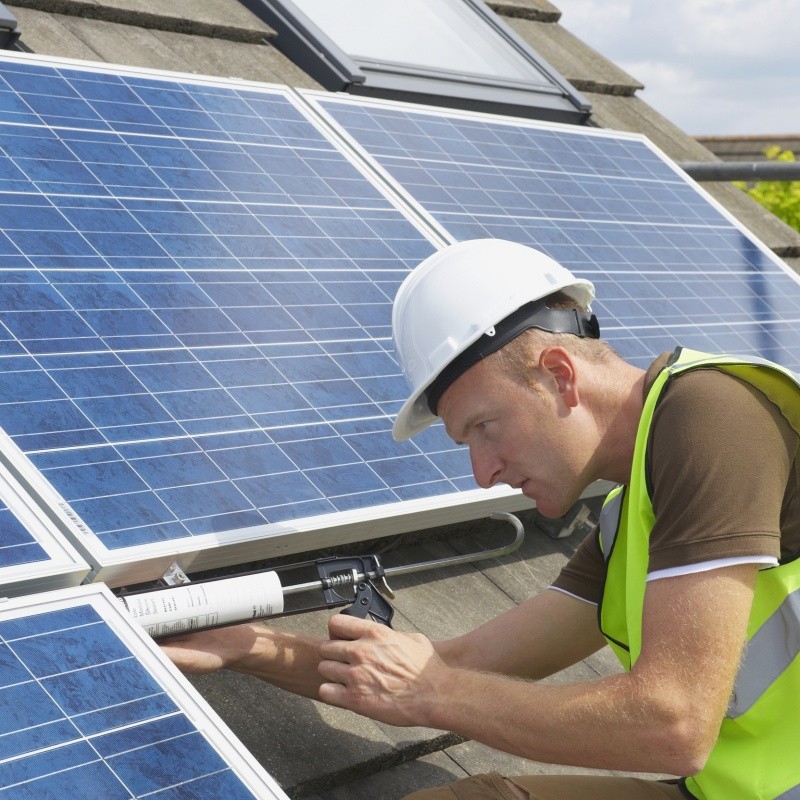
In construction, we provide durable solutions for structural glazing, window installation, joint sealing, and interior finishing, ensuring long-term weatherproofing, thermal insulation, and structural integrity. In the automotive sector, our sealants contribute to enhanced vehicle safety and comfort through effective vibration damping, component bonding, and air/water sealing.
Browse our verified adhesives, fire-barrier foams, and architectural joint sealants engineered to meet global standards.
Technical guidance for structural engineers, project managers, and building product specifiers in the Bay Area.
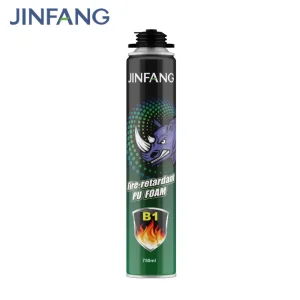
According to California Building Code (CBC) Title 24, all thermal insulation and core cavity fillers must demonstrate strict fire safety ratings. B1 class represents the "difficult-to-flame" classification. In high-density urban environments such as downtown San Francisco, using a B1 rated PU foam prevents the horizontal and vertical propagation of fire through wall penetrations, plumbing chases, and electrical channels, which is mandatory under NFPA 285 flame propagation evaluation standards.
One-component polyurethane foams (OCF) rely on atmospheric moisture to initiate cross-linking polymer reactions. San Francisco's marine air typically contains high relative humidity levels, which speeds up the skin-formation and curing time of the foam. However, excessively damp substrates must be cleaned of standing water to ensure correct chemical adhesion. Our modified polyurethane formulations incorporate catalyst ratios designed to deliver consistent expansion cells even under damp, cold microclimates.
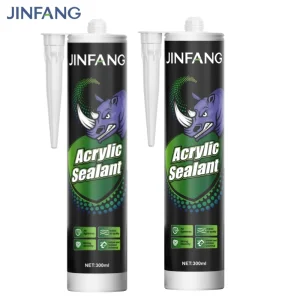
Yes. Our eco-friendly water-based acrylic sealants and modified low-VOC polyurethane chemical systems are specifically manufactured to emit minimal volatile organic compounds. By choosing formulations with certified low-VOC outputs, project designers can secure credits under the LEED Indoor Environmental Quality (EQ) category for Low-Emitting Materials.
All shipments of aerosols and liquid adhesive chemical formulations conform strictly to international transport safety standards. Cargoes are packed securely in hazardous-materials rated containers with complete MSDS (Material Safety Data Sheet) documentation. The average sea transit time from Qingdao Port to the Port of Oakland is between 14 to 18 days, ensuring a continuous supply flow for distributors in Northern California.
 Jinfang