High-performance sealants engineered for the unique structural challenges and climatic variance of the Greater New York Area.
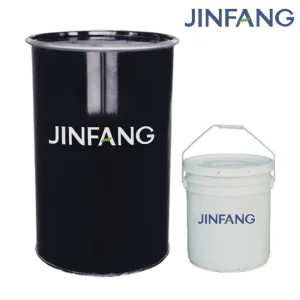
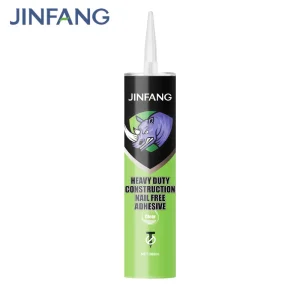
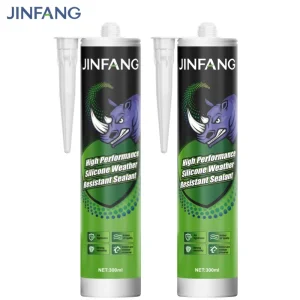
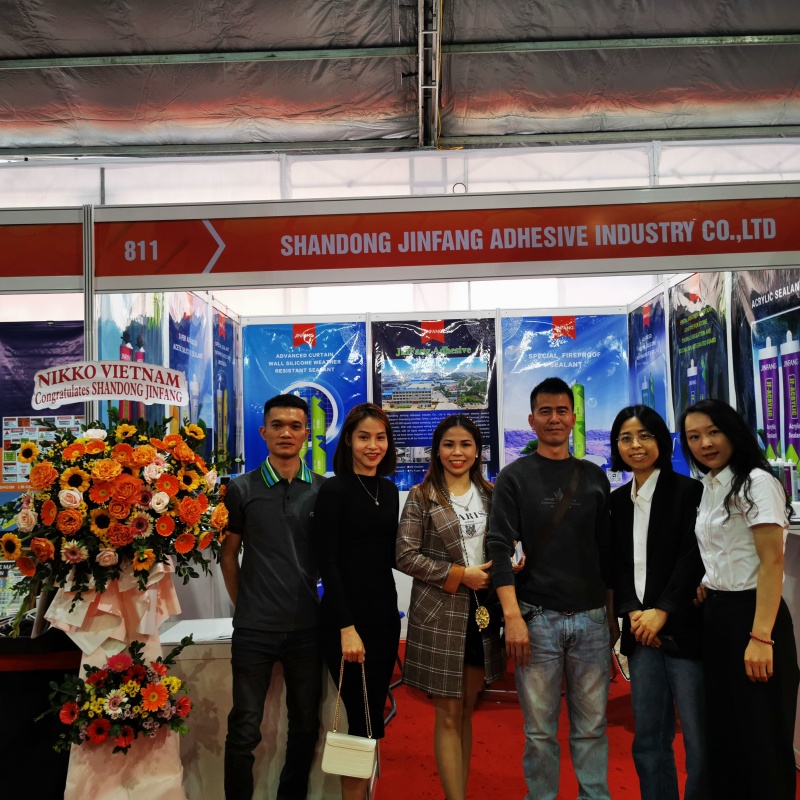
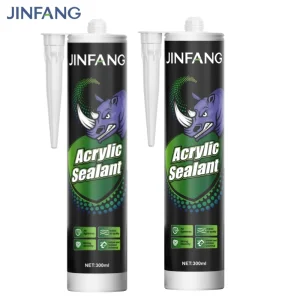
Strategically located in the heart of Shandong Province, a major industrial hub in China, Shandong Jinfang Adhesive Industry Co., Ltd. stands as a leading manufacturer specializing in the research, development, and production of high-performance adhesive and sealant products. With a steadfast commitment to innovation and quality, we have built a comprehensive portfolio that includes silicone sealant, PU Foam, MS sealant, nail-free glue, tile grout, and PU sealant.
Our products are engineered to meet the rigorous demands of diverse applications, primarily serving the construction and automotive industries. In construction, we provide durable solutions for structural glazing, window installation, joint sealing, and interior finishing, ensuring long-term weatherproofing, thermal insulation, and structural integrity. In the automotive sector, our sealants contribute to enhanced vehicle safety and comfort through effective vibration damping, component bonding, and air/water sealing.

Why Standard Adhesives Fail in NYC, and the Engineering Behind Resilient PU Sealants
The Greater New York area—comprising the soaring skyscrapers of Manhattan, the historical masonry of Brooklyn, and the massive logistical warehouses in Long Island and New Jersey—experiences a demanding mix of physical stressors. Unlike standard environments, NYC's building envelopes must endure the harsh combination of severe coastal saline winds blowing from the Atlantic, massive freeze-thaw cycles in winter, and extreme thermal radiation during sweltering summers.
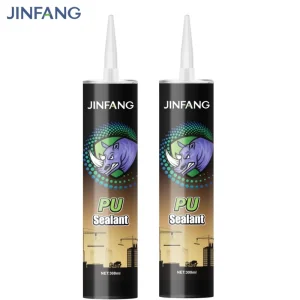
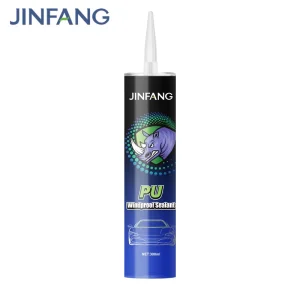
Moreover, local structural sealants are subjected to constant micro-vibrations from the metropolitan subway system and heavy transport networks. Under these dynamic load profiles, traditional acrylics and low-elasticity caulks crack, lose adhesion, or undergo cohesive failure within 2-3 seasons, leading to catastrophic moisture infiltration. This is where high-performance Polyurethane (PU) sealants become critical. Our PU sealants feature an elastomeric molecular structure that provides outstanding recovery capacity, absorbing continuous movement, shear force, and vibrations while keeping the building envelope water-tight.
From historical restorations to modern skyscrapers, Jinfang PU sealants perform where others fail.
NYC towers undergo severe wind shear and structural deflection. Our high-modulus PU and structural silicone sealants accommodate intense joint displacements, preventing air and moisture ingress in high-exposure facades.
Fitted for tunnels, deep foundations, and bridge joints under the East River. These sealants are highly resistant to continuous hydrostatic pressure, underground moisture, and constant vibration from transit trains.
Preserving New York's architectural heritage. Our paintable PU sealants integrate with old stone, brickwork, and mortar, providing historical facades with weather-proofing without altering aesthetics.
Advancing molecular design to meet next-generation green building codes and architectural specifications.
Polyurethane sealants are undergoing a technological revolution driven by regulatory demands for environmental compliance and project efficiency. The R&D team at Shandong Jinfang is leading this transition by developing low-monomer, ultra-low VOC, and bio-based prepolymer formulations. Traditional PU sealants rely on free isocyanates, which pose health hazards during application. Our next-generation PU sealants reduce free monomer concentrations to below 0.1%, ensuring safe usage indoors and helping builders secure critical LEED and WELL certifications for projects in New York.
Furthermore, our future technical roadmap includes "Smart Self-Healing Adhesives" and moisture-initiated, fast-curing formulations. This allows sealants to fully cure even in low-temperature winter installations, eliminating the long downtimes associated with traditional sealants in colder northern climates.
Our collaborative research network with Shandong University, Xiamen University, and Linyi University ensures that our raw material synthesis remains at the cutting edge. By tailoring the prepolymer crosslinking density, we achieve high elongation at break (>800%) and excellent UV stability, resolving the historical issue of yellowing and degradation under direct sunlight. As NYC targets carbon neutrality under Local Law 97, Jinfang's eco-friendly MS polymers and low-impact PU formulations provide the high durability needed to reduce building envelope maintenance and overall carbon footprints.
Shandong Jinfang's robust supply chain footprint across continents.
In today's global supply chain environment, timing, volume capacity, and consistent raw material quality determine project success. Shandong Jinfang operates a state-of-the-art, fully automated production facility in Shandong, China. This integrated manufacturing hub includes precise raw material formulation systems, automated packaging lines, and real-time smart process control. This allows us to keep production costs low while maintaining strict product quality stability.
Because we source key monomers and plasticizers directly from local petrochemical partners, we are shielded from international raw material shortages. Our proximity to major shipping ports like Qingdao guarantees fast logistics. For New York distributors and construction contractors, this translates to stable pricing, customizable formulation adjustments, and consistent lead times. This eliminates the project delays commonly associated with regional suppliers.
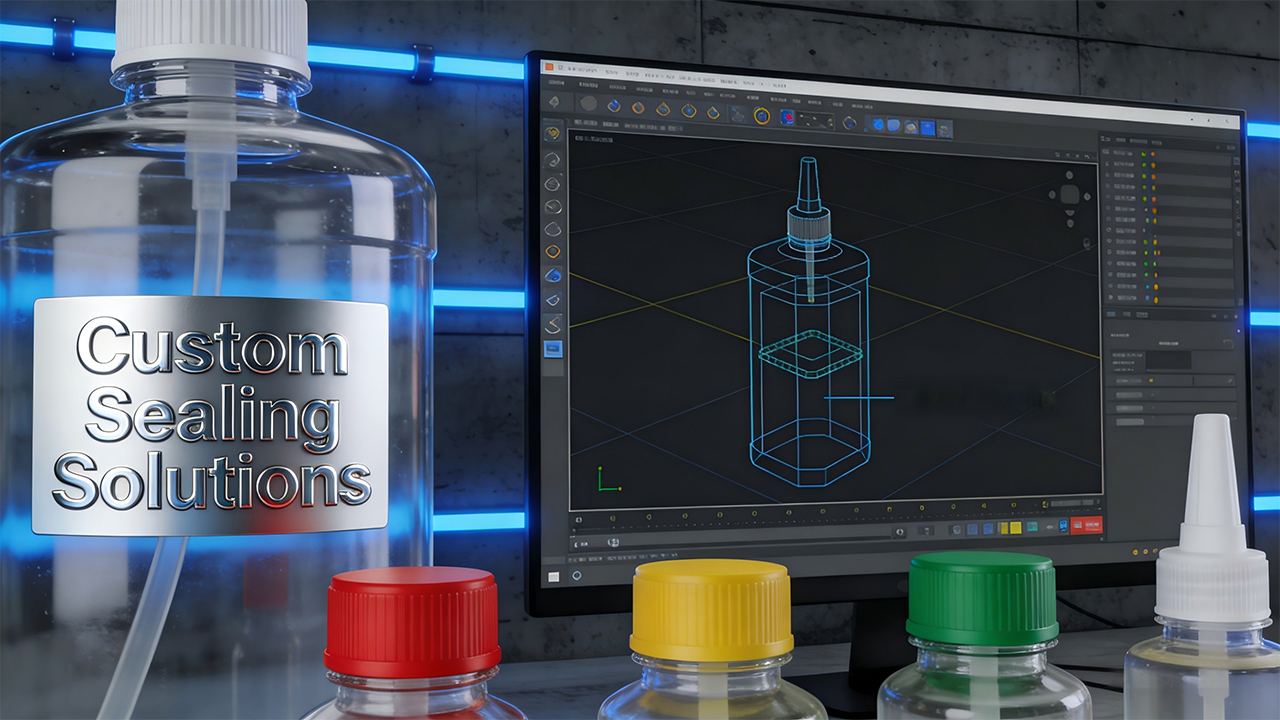
Tailored formulations, custom structural packaging, and professional printing design for private label partners.
We modify cure times, Shore A hardness, and elongation metrics to match local temperature requirements. In compliance with your criteria, we support proprietary formulations and technologies under strict NDA agreements.
Choose from 600ml foil sausages, 300ml rigid plastic/aluminum tubes, or bulk drums. We evaluate the best materials for stable storage and convenient site application, preventing pre-curing and waste.
Our screen and offset printing technologies deliver clean, colorful branding directly onto tubes. Work with our graphic design team to produce compliance layouts, translations, and application guides.
Compare key mechanical features of Polyurethane, Silicone, and MS Polymer technologies to select the right material.
| Performance Parameter | Polyurethane (PU) Sealant | Silicone Structural Sealant | Modified Silane (MS) Polymer |
|---|---|---|---|
| Tensile Strength | High (1.5 - 2.5 MPa) | Medium to High (1.0 - 2.0 MPa) | Medium (1.2 - 1.8 MPa) |
| Elongation at Break | Excellent (> 600%) | High (300% - 500%) | Excellent (> 500%) |
| Paintability | Yes (Accepts most exterior paints) | No (Paint will bead up and peel) | Yes (Excellent paint adhesion) |
| UV & Weather Resistance | Good (Requires UV stabilizers) | Outstanding (Very high UV stability) | Excellent (Non-yellowing) |
| Compliance Standards | ASTM C920 Class 25/35, ISO 11600 | ASTM C920 Class 50, ETAG 002 | ASTM C920 Class 25, Low-VOC |
| Best Application Fields | Expansion joints, traffic roadways, subways | Curtain walls, glass facades, high-rise structural bonds | Green prefab construction, interior joints, damp surfaces |
A complete selection of advanced adhesives, water-resistant grouts, and heavy-duty building sealants.
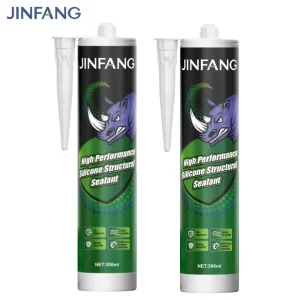
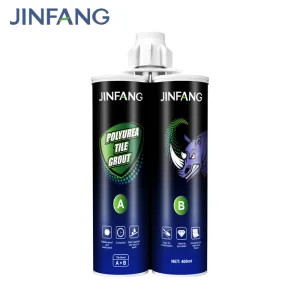
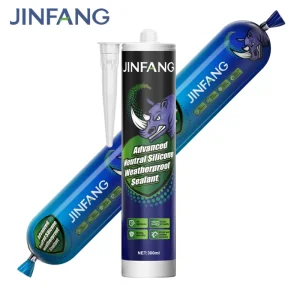
Meeting ASTM C920, low-VOC laws, and stringent local construction safety protocols.
New York has some of the strictest building envelope requirements and environmental regulations in the United States. In particular, the New York State Department of Environmental Conservation (DEC) and the South Coast Air Quality Management District (SCAQMD) Rule 1168 set rigid limits on Volatile Organic Compounds (VOC) for architectural sealants.
At Shandong Jinfang, our PU sealants are formulated to meet these low-VOC restrictions without sacrificing adhesive strength or flexibility. Our structural sealants strictly comply with the ASTM C920 standard (specifically Class 25 and Class 35 movements), ensuring they can handle dynamic joint compression and expansion. We provide complete testing documentation, including VOC emission profiles, tensile properties, and hardness ratings, helping your project smoothly pass inspection under NYC building safety codes.
We hold ISO 9001:2015 Quality Management and ISO 14001:2015 Environmental Management certifications. Our products also meet the European Union's IROS standards. Choosing Jinfang means partnering with an internationally verified manufacturer that values regulatory safety, eco-responsibility, and structural integrity.
Get answers to technical, logistical, and custom development questions regarding Jinfang sealants.
 Jinfang