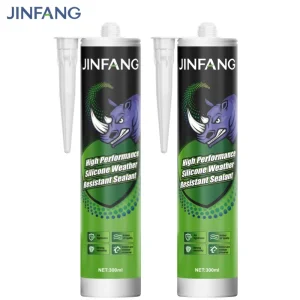
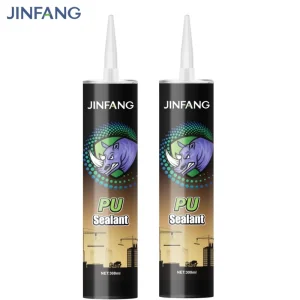
High-performance structural sealants and chemical grouts tailored for heavy industrial, commercial, and residential projects throughout Namibia.
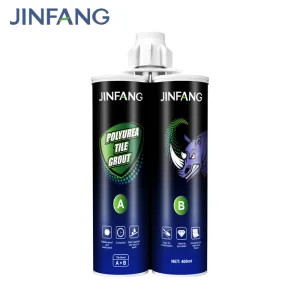
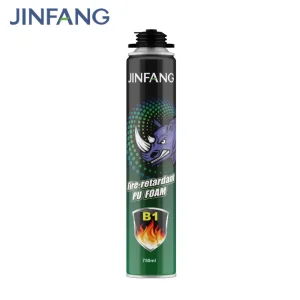
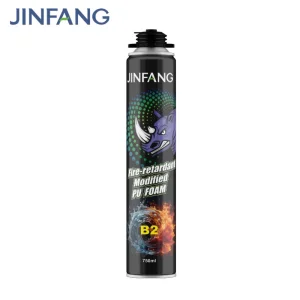
Namibia's architectural and infrastructure sectors are experiencing rapid expansion, driven by urbanization in Windhoek, logistics expansion at the Port of Walvis Bay, and robust mining operations across the Namib Desert. However, the country's unique geographical conditions present severe engineering challenges. Contractors and specifiers must deal with an exceptionally high UV index, significant diurnal temperature fluctuations (ranging from near-freezing desert nights to day temperatures exceeding 40°C), and highly corrosive marine environments along the Atlantic coast (e.g., Swakopmund and Lüderitz).
Standard cementitious grouts regularly fail under these conditions. Thermal expansion causes rigid cement systems to crack, crumble, and allow moisture ingress, leading to sub-tile degradation. In coastal projects, salt-laden sea air accelerates chemical attacks, rendering traditional fillers useless within months.
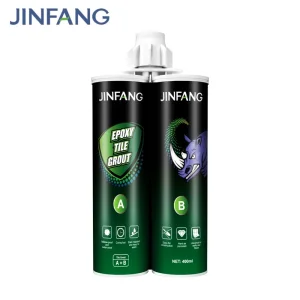
To address these structural issues, modern architectural specifications in Namibia increasingly mandate the use of high-performance polymer formulations, including Two-Component (2K) Epoxy Grouts and Polyurea Sealants. These materials provide the elastic properties, waterproofing capabilities, and chemical resistance required to ensure structural longevity in demanding commercial and residential environments.

Specially formulated polyurea and MS polymer structures absorb structural movement caused by Namibia's severe day-to-night temperature changes without debonding.
Standard epoxy tends to yellow and degrade under high UV exposure. Our polyurea chemistry provides high UV stability, ensuring long-term color retention and structural integrity.
Specifically designed to resist salt-spray corrosion along coastal regions like Walvis Bay and Swakopmund, preventing micro-crack expansion.
Shandong Jinfang Adhesive Industry Co., Ltd. operates a highly optimized logistics and distribution network tailored for global procurement managers and large-scale builders. We maintain strong logistics channels targeting key African entry points, particularly the Port of Walvis Bay.
Our factories leverage fully automated production systems, precision injection molding, and intelligent packaging lines to guarantee rapid processing. Our supply chain structure maintains an average of 15 business days from order confirmation to port dispatch, minimizing project delays.
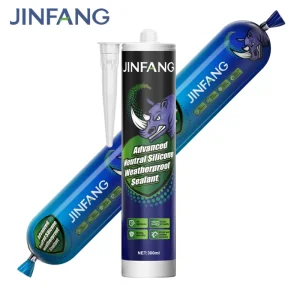
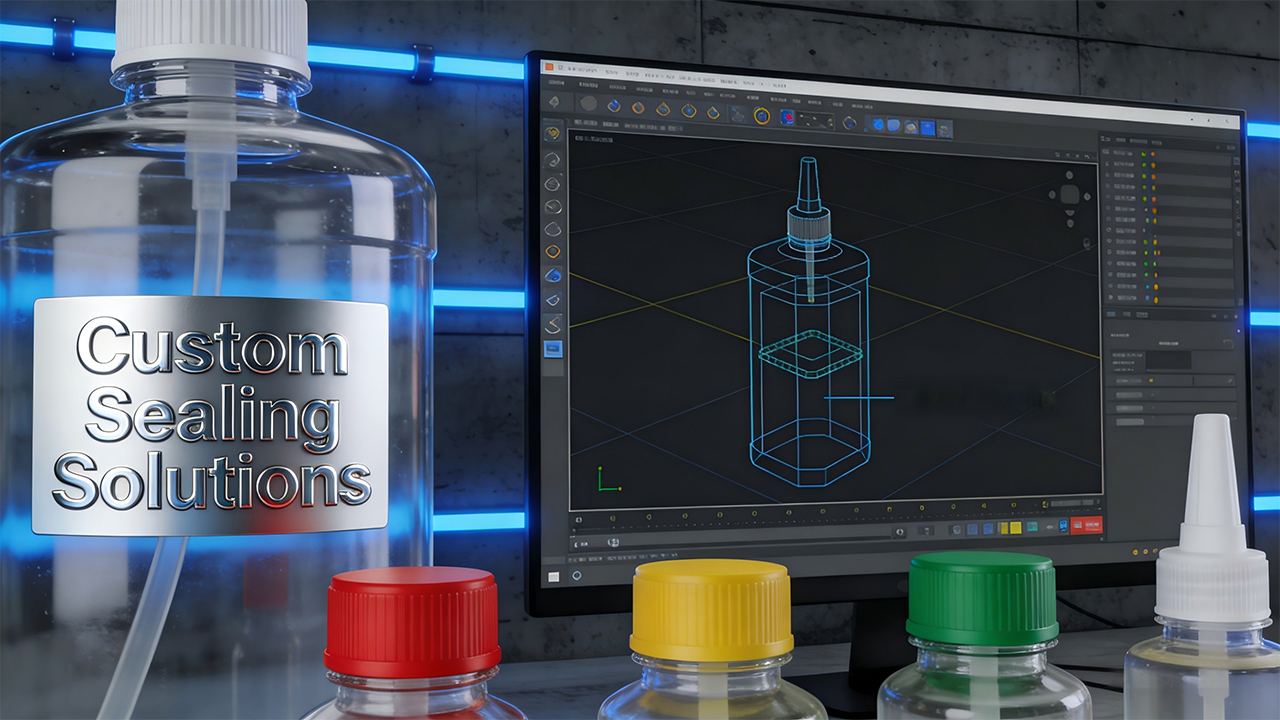
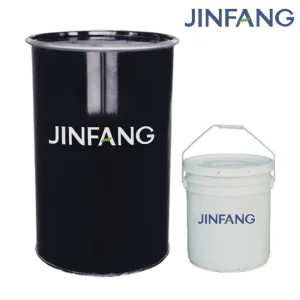
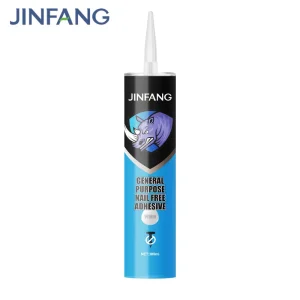
Custom Formulation & Packaging: We provide custom formulations adjusted for Sub-Saharan temperatures, ensuring suitable viscosity and open working times. Packaging options range from 300ml cartridges and aluminum sausages to large-volume industrial drums, all built with airtight seals to prevent premature curing during sea transport across hot equatorial routes.
| Performance Indicator | Polyurea Tile Grout (2K) | Epoxy Floor Grout (2K) | ASTM Standard Method |
|---|---|---|---|
| Tensile Strength | ≥ 15.5 MPa | ≥ 22.0 MPa | ASTM D638 |
| Elongation at Break | ≥ 220% | ≥ 35% | ASTM D638 |
| UV Resistance (QUV 2000h) | No cracking, ΔE ≤ 1.5 | Slight yellowing, ΔE ≤ 3.0 | ASTM G154 |
| Water Absorption | ≤ 0.05% | ≤ 0.1% | ASTM D570 |
| VOC Content | ≤ 5 g/L (solvent-free) | ≤ 12 g/L (low odor) | GB 18583 / LEED V4 |
Exploring the chemistry shifts changing modern building codes, from traditional cementitious blends to next-generation polyaspartic resins.
Cementitious grout has long been the default choice due to its low initial material cost. However, in regions with high solar radiation and temperature swings like Namibia, cement grout behaves as a rigid, porous material. It easily absorbs water, dust, and minerals, which can lead to efflorescence—unsightly white mineral deposits on tile joints.
Our current research and development focuses on the transition to 2K Polyaspartic Polyurea. This polymer system provides high flexibility, UV resistance, and fast curing times, allowing installations to be grouted and opened to traffic within a single day.
Shandong Jinfang Adhesive Industry Co., Ltd. partners with leading academic institutions, including Shandong University, Xiamen University, and Linyi University. These partnerships allow us to incorporate cutting-edge materials science research directly into our commercial production lines.
By working with university polymer chemistry departments, we test and refine additives that improve UV stability and flexibility. This ongoing R&D support ensures our products consistently perform in hot, dry, and coastal climates.
We customize formulation viscosity, cure speeds, and retail packaging to meet the specific requirements of distributors and contractors in Namibia.
We modify open time, curing rates, and color options to match Namibia's climate. Our R&D team can adjust curing profiles to accommodate high installation temperatures.
Available in standard dual-cartridges, single tubes, sausages, or bulk industrial drums. We offer screen-printing and high-durability labeling for local brands.
All products are supplied with SDS, technical data sheets (TDS), and certification documents matching SABS and European Union requirements.
Direct-from-factory access to our comprehensive selection of high-performance polymer products, optimized for direct export to Namibia.
Detailed technical answers to common questions asked by specifiers, civil engineers, and supply chain managers in Namibia.
 Jinfang