 Jinfang
1 / 5
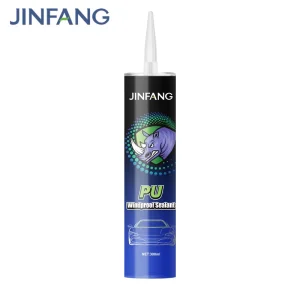
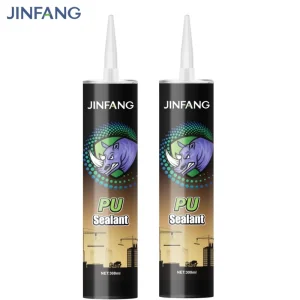
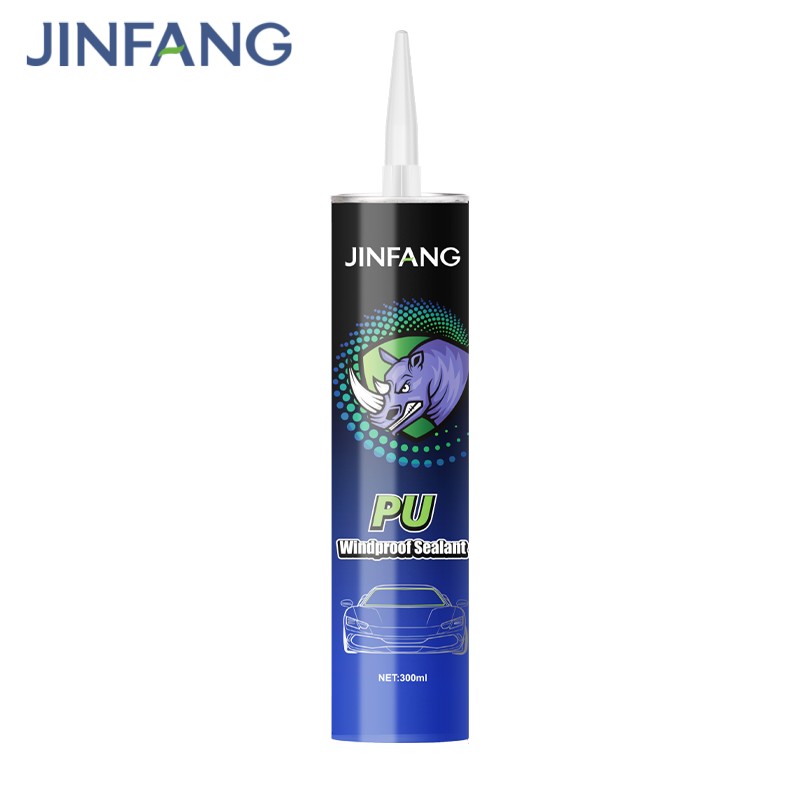
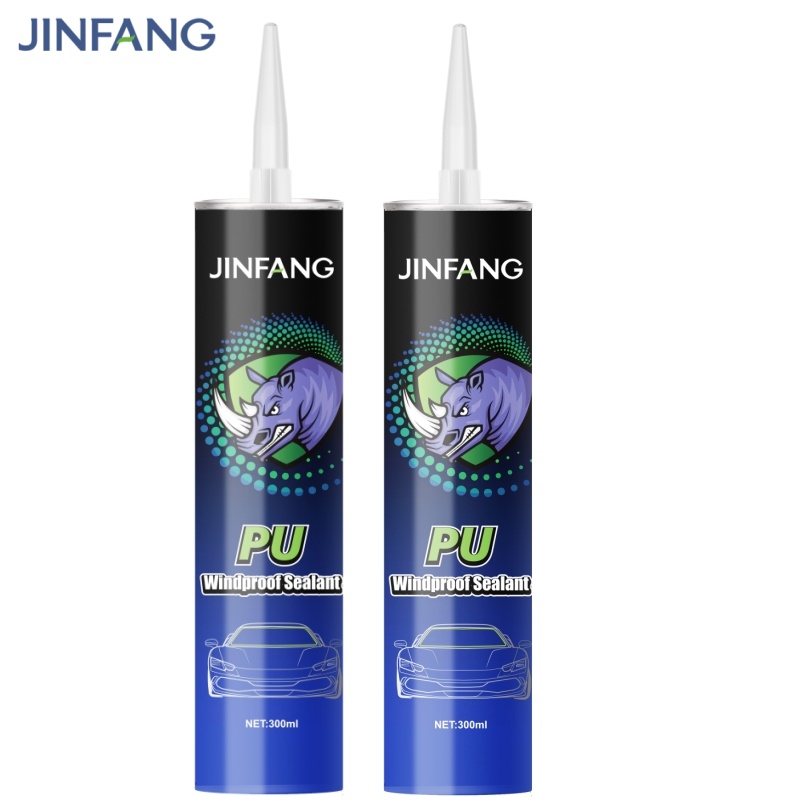
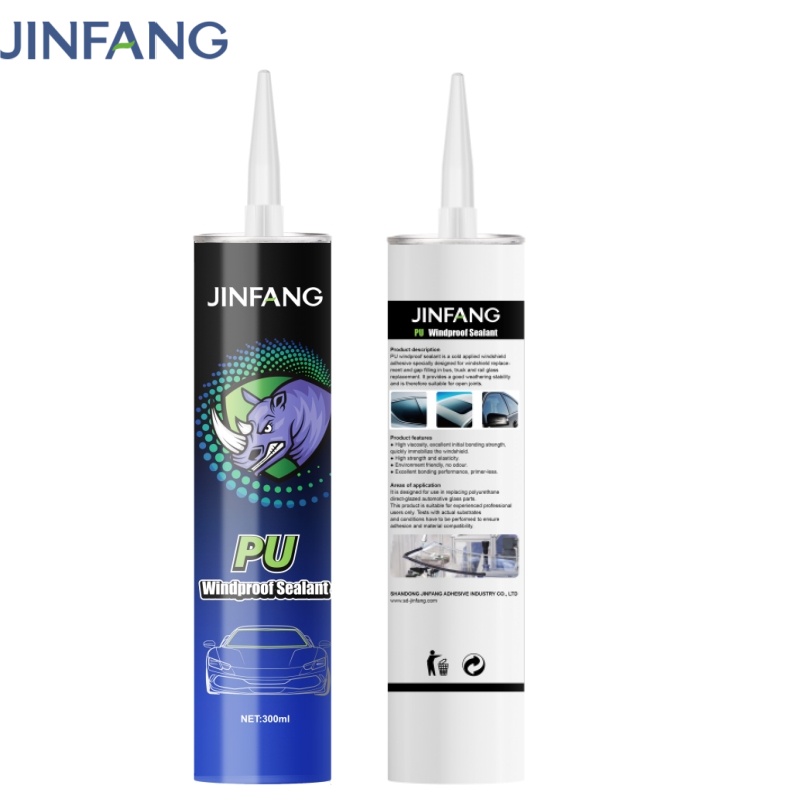
This sealant stands out due to its exceptional material science. Unlike rigid adhesives, its polyurethane formulation cures to a tough yet highly elastic rubber seal. This elasticity is critical for automotive applications, as it accommodates the constant thermal expansion and contraction of metal, plastic, and glass substrates, as well as structural flexing and vibration, without cracking or losing adhesion. It exhibits superior resistance to water, humidity, road salts, oils, and most automotive fluids, preventing corrosion and leaks. Furthermore, it offers excellent adhesion to a wide variety of materials commonly used in vehicles, including painted and unpainted steel, aluminum, plastics (like ABS and fiberglass), and glass, eliminating the need for multiple specialized products.
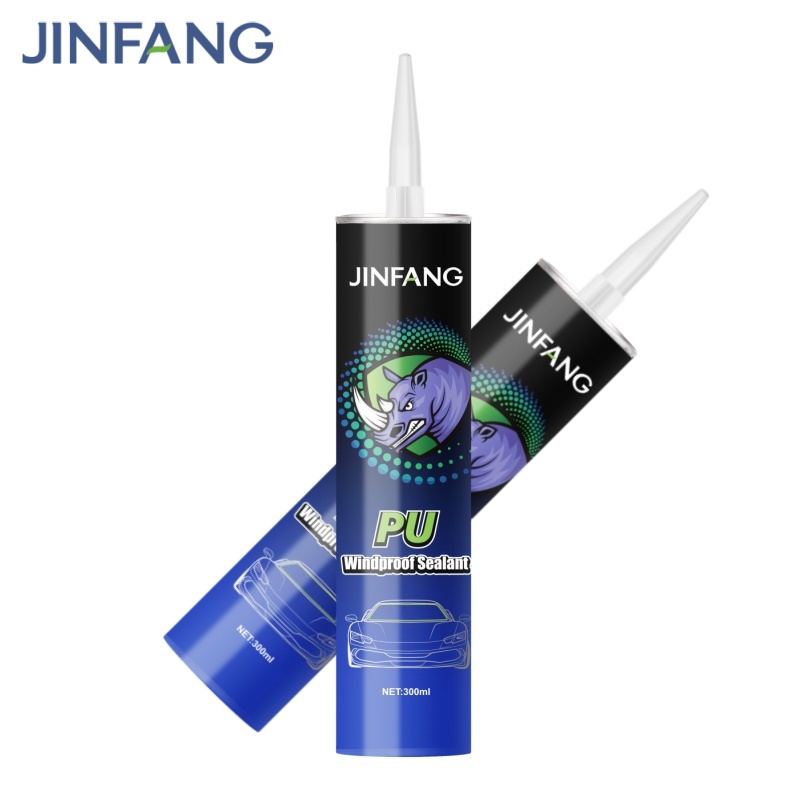
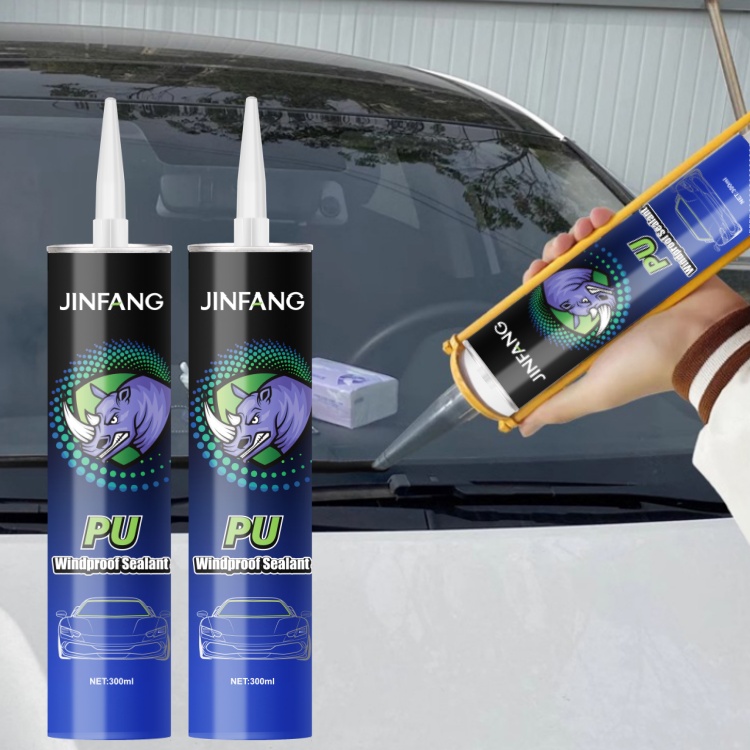
Its performance spectrum is impressive, with a functional temperature range from -40°C to +90°C (-40°F to 194°F), ensuring reliability in all climates. Many formulations also feature UV resistance, preventing degradation and discoloration when exposed to sunlight, which is essential for exterior applications like windshield seals or sunroof frames. For ease of use, it is often supplied in a ready-to-apply cartridge format compatible with standard caulking guns, with a user-defined curing time that allows for adjustment before it sets into its final, high-strength state.
Unlike rigid adhesives that can crack under movement, polyurethane sealant cures into a tough yet highly elastic rubber seal. This allows it to flex with the vehicle's structural movements, thermal expansion, and vibration without losing adhesion or integrity — making it far more durable in demanding automotive environments.
This sealant provides excellent adhesion to a wide range of automotive substrates, including painted and unpainted steel, aluminum, ABS plastics, fiberglass, and glass. This versatility eliminates the need for multiple specialized products on a single vehicle.
The sealant is engineered to perform reliably across a wide functional temperature range of -40°C to +90°C (-40°F to 194°F). This makes it suitable for use in all climates, from extreme cold to high-heat engine compartment environments.
Yes. Many formulations of this PU sealant include UV resistance properties, which prevent degradation and discoloration from prolonged sun exposure. This is especially important for exterior automotive applications such as windshield seals, sunroof frames, and body panel seams.
The sealant is typically supplied in a standard cartridge format, compatible with common caulking guns, making it straightforward to apply. It offers a user-defined open time, allowing you to position and adjust the seal before it cures to its final high-strength state — making it accessible for both professional technicians and DIY users.
Absolutely. The polyurethane formula provides superior resistance to water, humidity, road salts, oils, and most common automotive fluids. Once cured, it creates a protective barrier that prevents moisture and corrosive agents from penetrating joints and seams, significantly reducing the risk of rust and leaks over time.