Engineered high-performance formulations deployed across critical global infrastructure, high-rise glazing, and automotive assembly operations.
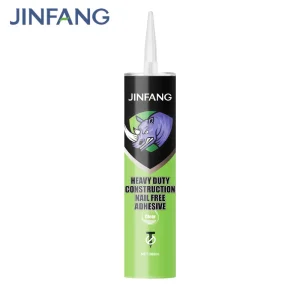
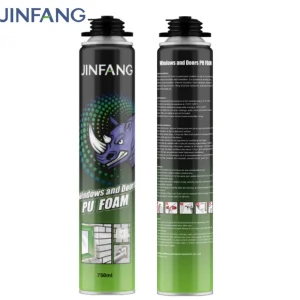
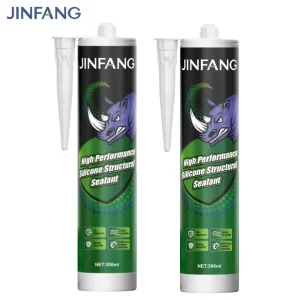
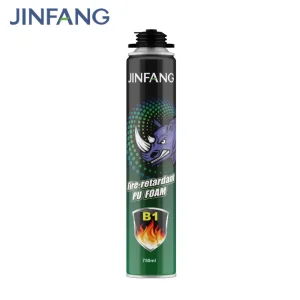
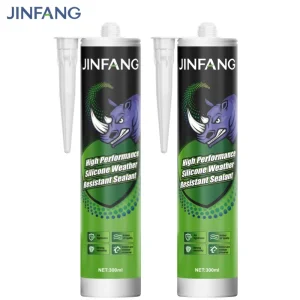
Understanding the structural differences in polymer configurations is critical to ensuring long-term performance and minimizing joint failure.
In structural engineering, architectural finishing, and industrial product assembly, choosing between Acrylic Sealants and Silicone Sealants is not simply a matter of cost; it is a fundamental chemical choice. Each material exhibits distinct behaviors under environmental strain, thermal variations, moisture, and mechanical loads.
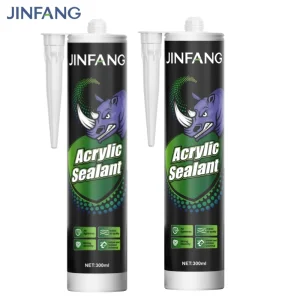
Acrylic sealants, also referred to as "painter's caulk" or water-based elastomeric joint compounds, are synthesized primarily from polyacrylate emulsions. Their curing process is physical: as water evaporates from the compound, the acrylic polymers coalesce into a flexible, solid matrix. This provides a key advantage: the cured surface is highly polar, allowing architectural paints to bond seamlessly without dynamic delamination. However, this water-based curing also introduces volume shrinkage (typically between 15% and 30%) and renders the uncured compound susceptible to wash-out under immediate rainfall.
Conversely, silicone sealants belong to a class of inorganic-organic hybrid polymers consisting of a repeating silicon-oxygen (Si-O-Si) backbone. This siloxane bond possesses a binding energy (460 kJ/mol) far exceeding that of the carbon-carbon (C-C) bonds (348 kJ/mol) found in acrylic backbones. Consequently, silicone sealants remain fundamentally unaffected by intense ultraviolet (UV) radiation, ozone exposure, and extreme thermal conditions (ranging from -50°C to +150°C for standard formulations, and up to +250°C for specialized industrial grades). The curing process of silicone is chemical: reacting with ambient moisture (RTV - Room Temperature Vulcanization) to form a highly resilient cross-linked network. During cross-linking, the formulation releases either acetic acid (acetoxy cure) or neutral compounds such as alcohols or oximes (neutral cure).
| Performance Parameter | Acrylic Sealant (Water-Based) | Silicone Sealant (RTV Moisture-Cure) | Hybrid / MS Polymer (Next-Gen) |
|---|---|---|---|
| Chemical Structure | Polyacrylate Polymer Emulsion | Polysiloxane (Si-O-Si Backbone) | Silyl-terminated Polyether/Polyurethane |
| Curing Mechanism | Physical coalescence via water evaporation | Chemical cross-linking (Moisture/RTV) | Silane cross-linking (Moisture-cure) |
| Joint Movement Capacity | Low to Medium (±7.5% to ±12.5%) | High to Extremely High (±25% to ±50%+) | Medium to High (±25% to ±35%) |
| Paintability | Excellent (Highly compatible) | Non-Paintable (Causes beading) | Excellent (Overpaintable) |
| UV & Ozone Resistance | Moderate (Degrades/yellows over time) | Outstanding (Virtually unaffected) | High (Excellent outdoor stability) |
| Shrinkage Value | High (15% to 30% water loss) | Negligible (<3% VOC / carrier loss) | Extremely Low (<1%) |
| Cost Profile | Cost-Effective (Ideal for high-volume interior) | Premium (Required for critical facades) | High-End (Advanced technical properties) |
SEO Insight & Technical Guidance: Specifying an acrylic sealant for external expansion joints in high-rise structures or choosing silicone for indoor finishing that requires paint matching are common specification errors. Understanding chemical compatibility ensures the longevity of structural seals and prevents premature joint failure.
Matching chemical performance with regional climates, architectural methodologies, and specific industrial demands.
For interior spaces in high-density residential developments, acrylic sealants are preferred. Their water solubility simplifies cleanup, and their smooth texture allows for seamless filling of joints between wallboards, architraves, and baseboards prior to painting. Acrylics accommodate minor shrinkage and movement caused by central heating cycles without cracking.
Exterior building envelopes experience continuous thermal expansion and contraction, wind loads, and intense UV exposure. Silicone structural glazing sealants act as flexible dampers, transferring structural loads from glass panels to metal frames while preventing water intrusion. Neutral cure silicones are required here to prevent corrosion of coated glass and aluminum frames.
In the automotive industry, sealants must withstand vibration, engine oils, coolant exposure, and temperature cycling. Single-component RTV silicones and polyurethane sealants are used to form gasketing barriers on engine blocks, oil pans, and gearbox flanges, ensuring long-term oil resistance and sealing under continuous vibration.

The global adhesive and sealant market is shifting toward formulations with lower environmental impact, improved durability, and ease of application. Five key trends shape our current research and development programs:
Shandong Jinfang Adhesive Industry Co., Ltd., located in the industrial region of Shandong Province, manages a highly integrated supply chain that ensures production stability and competitive lead times.
Our vertical integration extends from sourcing raw materials to formulating packaging components. By partnering with nearby petrochemical hubs, we maintain a stable supply of silicone monomers, acrylic resins, and pigments, isolating our clients from global market volatility. Our facility features fully automated production systems, including closed-loop continuous mixers, high-precision injection molders, and automated packaging lines, ensuring high batch-to-batch consistency and scaling capacity.
Innovation is driven by our R&D partnerships with leading institutions, including Shandong University, Xiamen University, and Linyi University. These collaborations focus on resolving complex polymer challenges, such as plasticizer migration, and developing low-VOC formulations for global regulatory compliance.
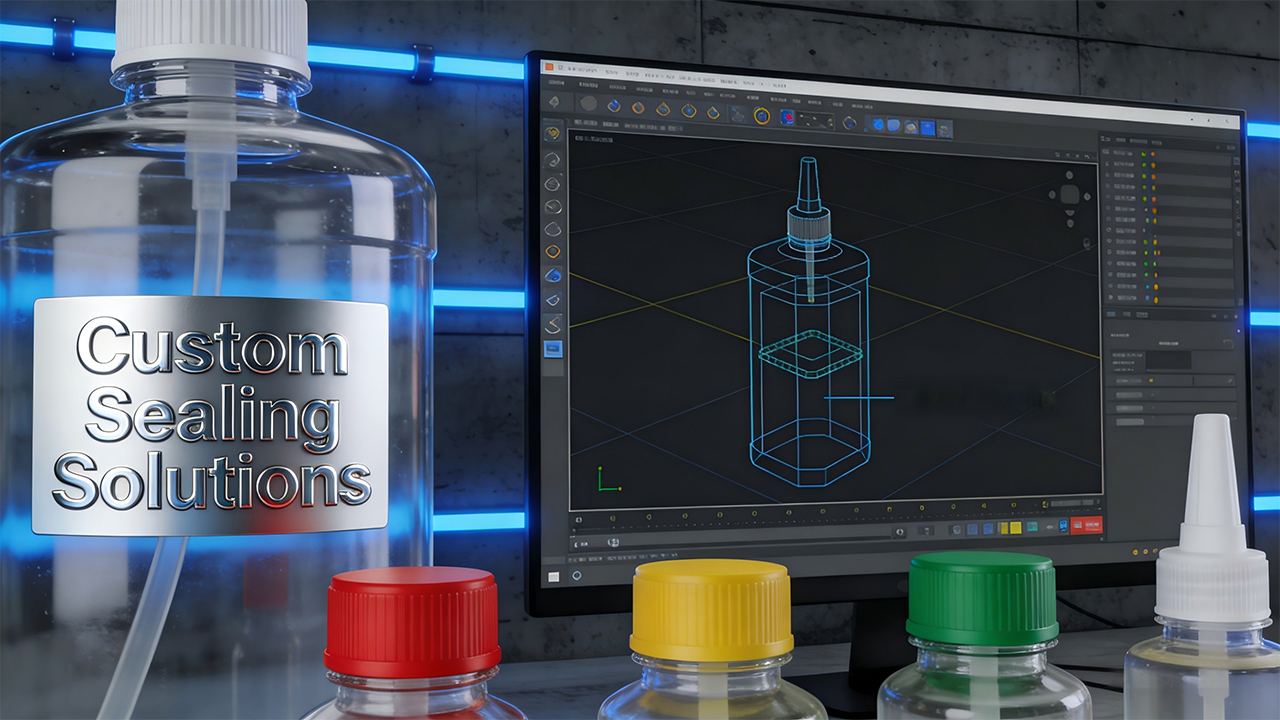
Providing customized chemical formulations and packaging configurations for global brands, contractors, and industrial partners.
Our R&D team designs bespoke chemical configurations, modifying curing rates, elongation percentages, colors, and viscosity values to suit specific thermal, mechanical, and climatic conditions.
We supply products in multiple packaging configurations, including cartridges (plastic/aluminum), sausages, drums, and squeeze tubes. Cartridges and packaging are personalized with high-fidelity printing designs to reinforce brand recognition.
All customized products are formulated to comply with international regulatory frameworks, including European CE (EN 15651), REACH registration, and ASTM C920 specifications, supporting seamless entry into global markets.
Technical answers to frequent questions regarding sealant specifications, application techniques, and chemical dynamics.
Acrylic sealants should be specified for interior applications with low-to-medium joint movement (e.g., drywall joints, crown moldings, baseboards) where the joint must be painted. Silicone sealants are preferred for high-movement joints, exterior facade expansion joints, structural glazing, and sanitary areas where paintability is not required but high UV exposure, moisture resistance, and elasticity are critical.
Acetoxy silicones release acetic acid during curing, which produces a vinegar-like odor. They cure quickly and adhere well to glass and glazed ceramics, but can corrode concrete, masonry, brass, copper, and zinc coatings. Neutral cure silicones release alcohol or oxime compounds during curing, which produces minimal odor. They are non-corrosive and suitable for delicate substrates, metal panel cladding, limestone, and structural glazing.
We use automated production systems that control raw material feed ratios, temperature, and mixing times under vacuum. Each batch undergoes testing for viscosity, skin-over time, extrusion rate, specific gravity, and mechanical properties. This process ensures compliance with international quality standards prior to packaging.
Yes, specialized siliconized acrylic or advanced elastomeric acrylic formulations can be used externally. They must not be applied if rain is expected before they cure, as water can wash away the uncured compound. Once cured, they are paintable and offer moderate resistance to weather elements.
Most of our silicone and acrylic sealants have a shelf life of 12 months from the date of manufacture when stored in their original, unopened packaging. They should be kept in a dry, ventilated area at temperatures between 5°C and 27°C, out of direct sunlight and away from freezing conditions.
Modified Silane (MS) polymers combine properties from both chemical families. They offer the paintability and solvent-free nature of acrylics alongside the UV resistance, durability, and low shrinkage of silicones. They adhere well to various surfaces without primers and do not cause staining on natural stone or masonry substrates.
Engineered high-performance formulations deployed across critical global infrastructure, high-rise glazing, and automotive assembly operations.
 Jinfang