Explore our core product line manufactured to withstand rigorous structural bonding and adverse climate challenges.
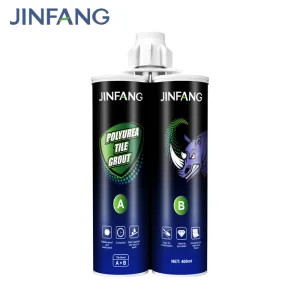
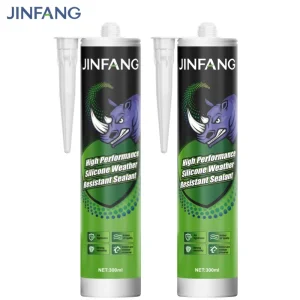
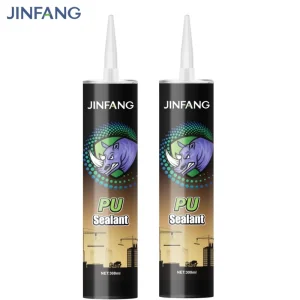
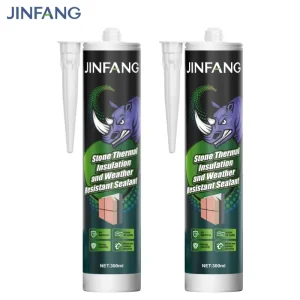
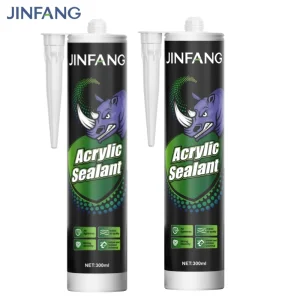
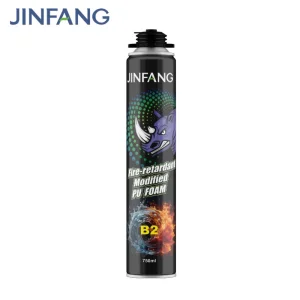
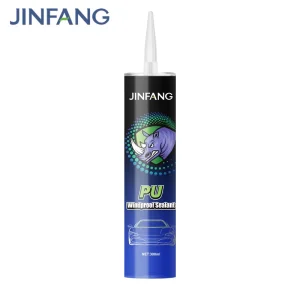
In modern construction, structural landscaping, and high-performance exterior woodwork, the role of structural adhesives has shifted from a mere assembly aid to a vital structural component. Outdoor wood glue must withstand challenging conditions that indoor variants never experience. As global infrastructure advances and sustainable building practices become the norm, industrial-grade exterior adhesives are experiencing a massive increase in demand. Architectural specifications increasingly call for cross-laminated timber (CLT), structural outdoor modular framing, and complex joinery that must remain durable across decades of thermal cycling, humidity shifts, and UV radiation exposure.
Historically, polyvinyl acetate (PVA) and simple urea-formaldehyde resins dominated woodworking shops. However, the commercial landscape has been transformed by the necessity for water resistance rated up to DIN EN 204 D4 standards, along with polyurethane-based (PU) adhesives and modified silane (MS) hybrid polymers. Today's global construction projects utilize specialized outdoor wood glues that chemically bond with the cellulose fibers of timber, forming an integrated matrix. These advanced formulations allow wood to expand and contract naturally without causing failure along the glue line. From Europe's rigorous passive house framing requirements to South America's high-humidity coastal structural wood applications, specialized adhesive manufacturers are key partners in delivering resilient building solutions.
Moisture-curing polyurethane adhesives are a primary choice for demanding outdoor woodwork. Through reaction with environmental moisture and timber cellulose, they expand slightly to fill microscopic voids, providing water resistance, high shear strength, and the ability to bond dissimilar substrates, such as wood-to-metal and wood-to-concrete.
MS polymers combine the weather resistance of silicones with the mechanical strength of polyurethanes. They feature high elasticity, UV stability, paintability, and are free of hazardous isocyanates, making them ideal for green building projects targeting low VOC thresholds and demanding LEED compliance.
Achieving reliable bonds in outdoor timber structures requires managing wood's dimensional instability. Wood is a hygroscopic material that changes volume as it absorbs or loses moisture. Typical indoor PVA adhesives break down when exposed to cycles of rain and sunlight, leading to structural failures. To prevent this, outdoor adhesives must possess high tensile strength, shear resistance, and structural elasticity.
Outdoor installations are exposed to solar radiation, which can break down chemical bonds in standard adhesives, causing brittleness. Engineered formulations utilize UV stabilizers and carbon-chain molecular structures that resist photo-oxidation, preserving strength under direct sunlight.
Water contact can lead to chemical decomposition (hydrolysis) in poorly formulated adhesives. Industrial-grade outdoor wood glues feature hydrophobic chemical networks that prevent water molecules from disrupting the polymer bonds, ensuring stability even under submersion or heavy rain.
A rigid adhesive line will shear when wood expands under high humidity. High-performance MS polymers and modified PU sealants offer elastic deformation, absorbing movement stresses between wood fibers to prevent micro-cracking and joint separation.
For commercial projects, testing standards such as ASTM D2559 (for structural wood adhesives in exterior exposures) and EN 204/205 serve as key benchmarks. Industrial manufacturers rely on these tests to ensure their products maintain integrity through temperature extremes (-40°C to +120°C) and cyclic water exposure.
China has become a key hub for adhesive manufacturing, supported by robust supply chains, raw material availability, and advanced automation. Shandong Province, home to Shandong Jinfang Adhesive Industry Co., Ltd., is central to this industrial capability.
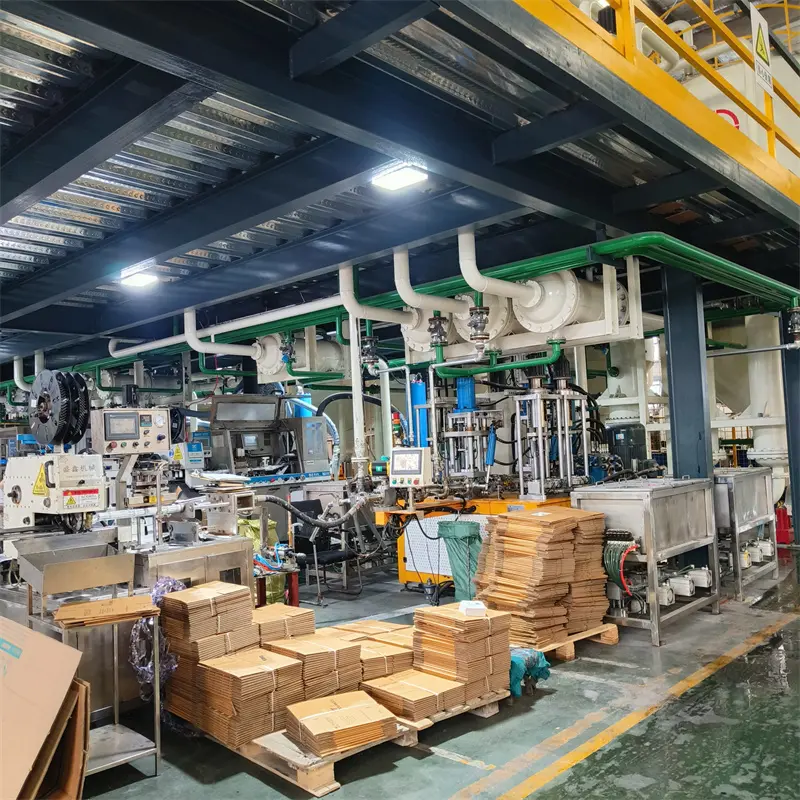
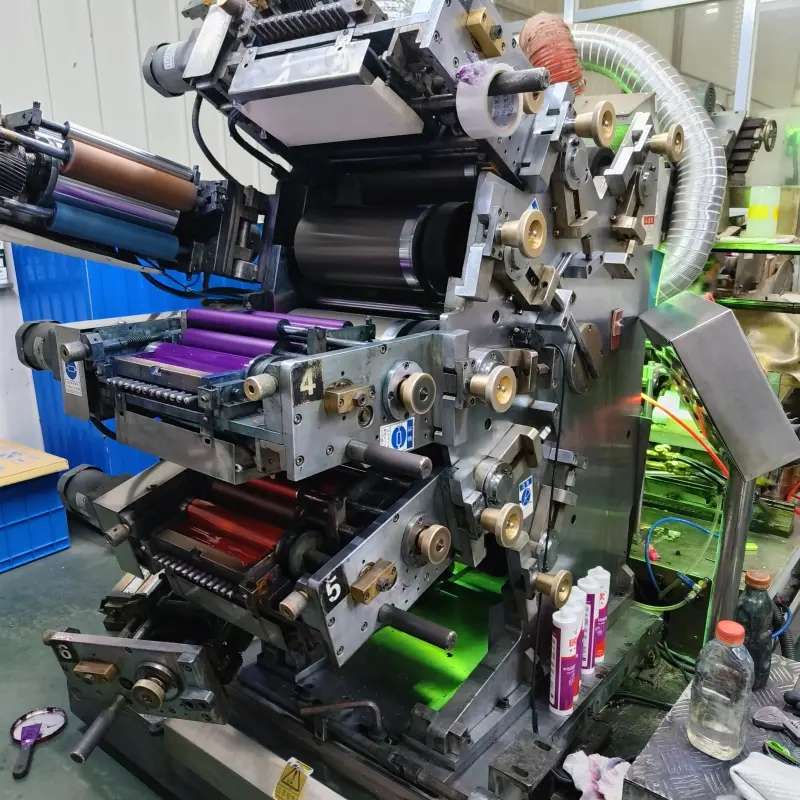
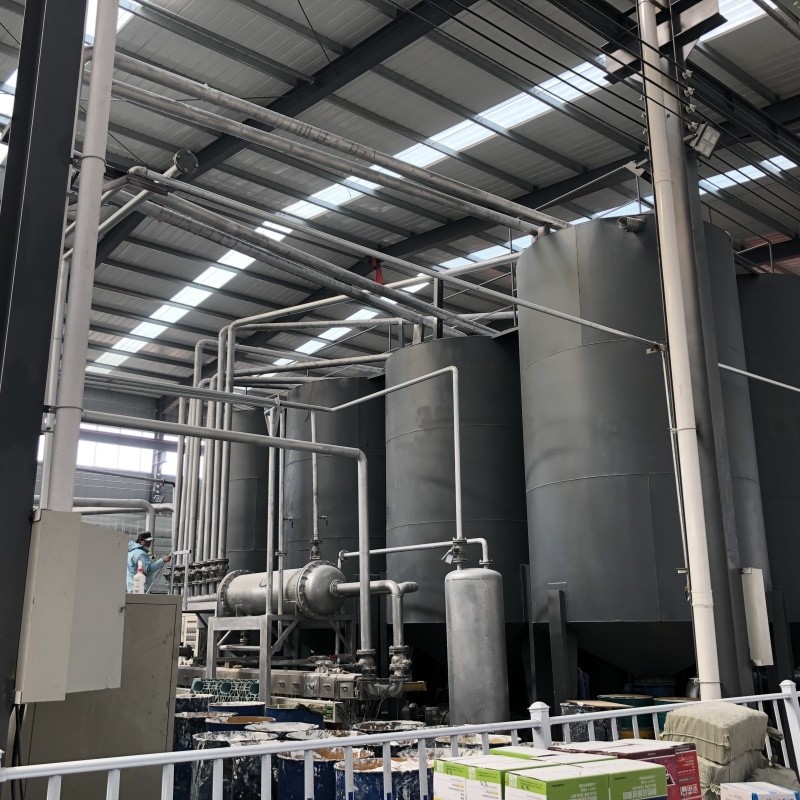
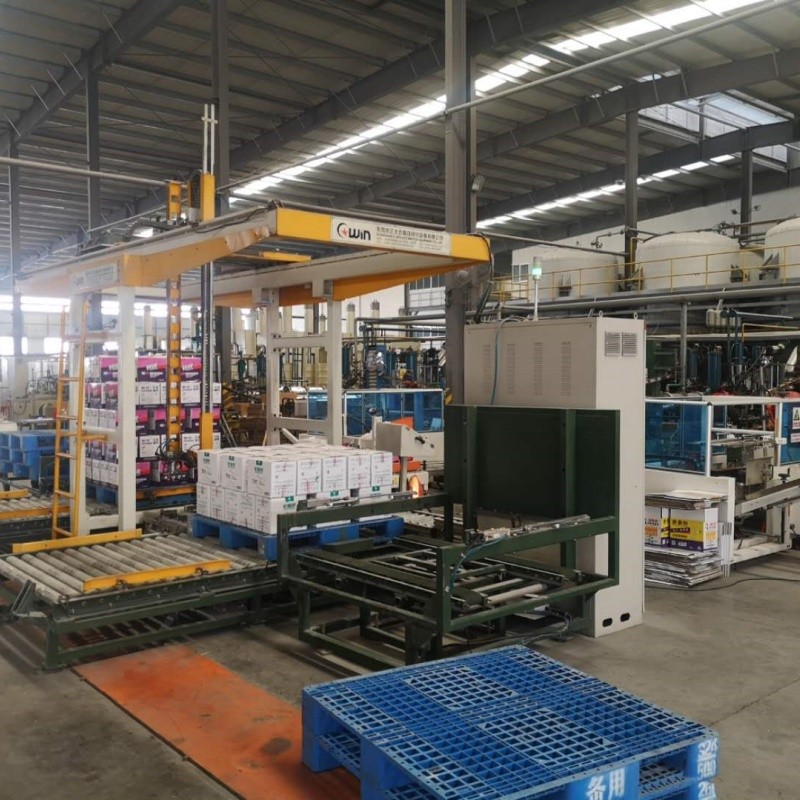
By integrating raw chemical processing, plastic cartridge extrusion, and fully automated multi-axis filling systems, Chinese factories can deliver high-volume orders with consistent quality. Advanced automation helps minimize batch-to-batch variation, ensuring reliable performance across large construction projects.
Jinfang’s manufacturing facility features continuous polymerization lines, automated volumetric dosing, and real-time viscosity and moisture analysis, ensuring consistent product performance. This system enables rapid turnaround times, averaging 15 business days from order confirmation to global shipment.
We maintain research and development partnerships with leading academic institutions, including Shandong University, Xiamen University, and Linyi University. These collaborations focus on synthesizing next-generation hybrid polymers, lowering volatile organic compound (VOC) emissions, and improving thermal stability.
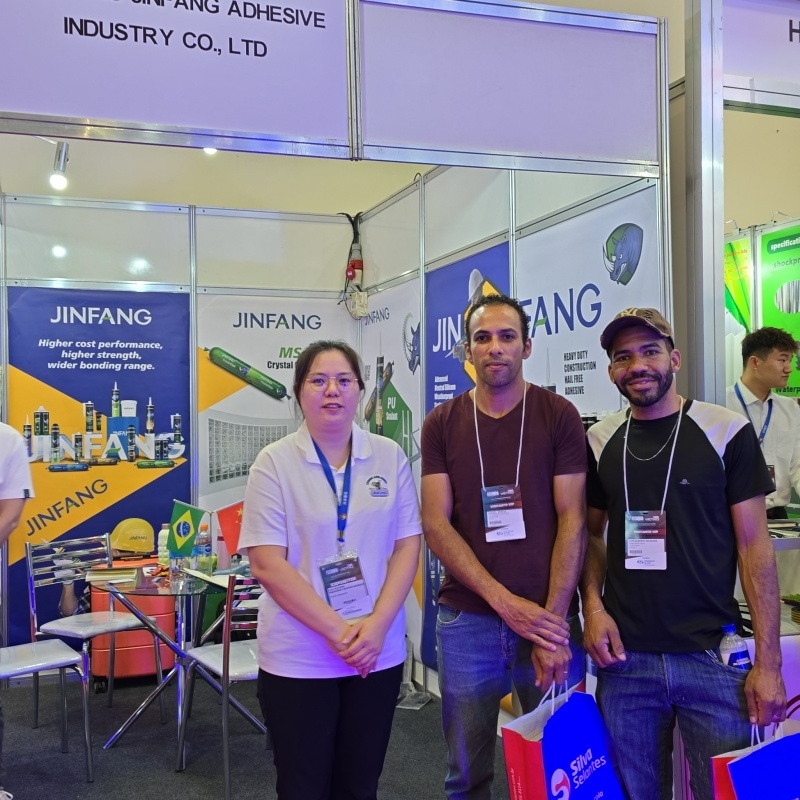
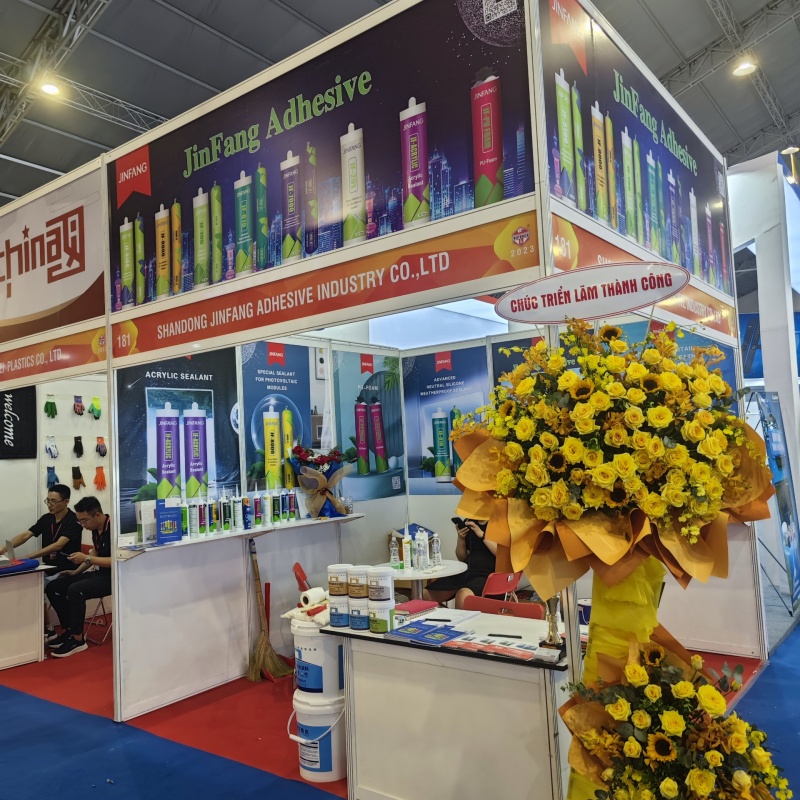
Shandong Jinfang Adhesive Industry Co., Ltd. serves global markets, providing specialized sealing solutions to construction, automotive, and woodworking industries. Our products are formulated to resist weathering, UV exposure, and thermal cycling across diverse climates.
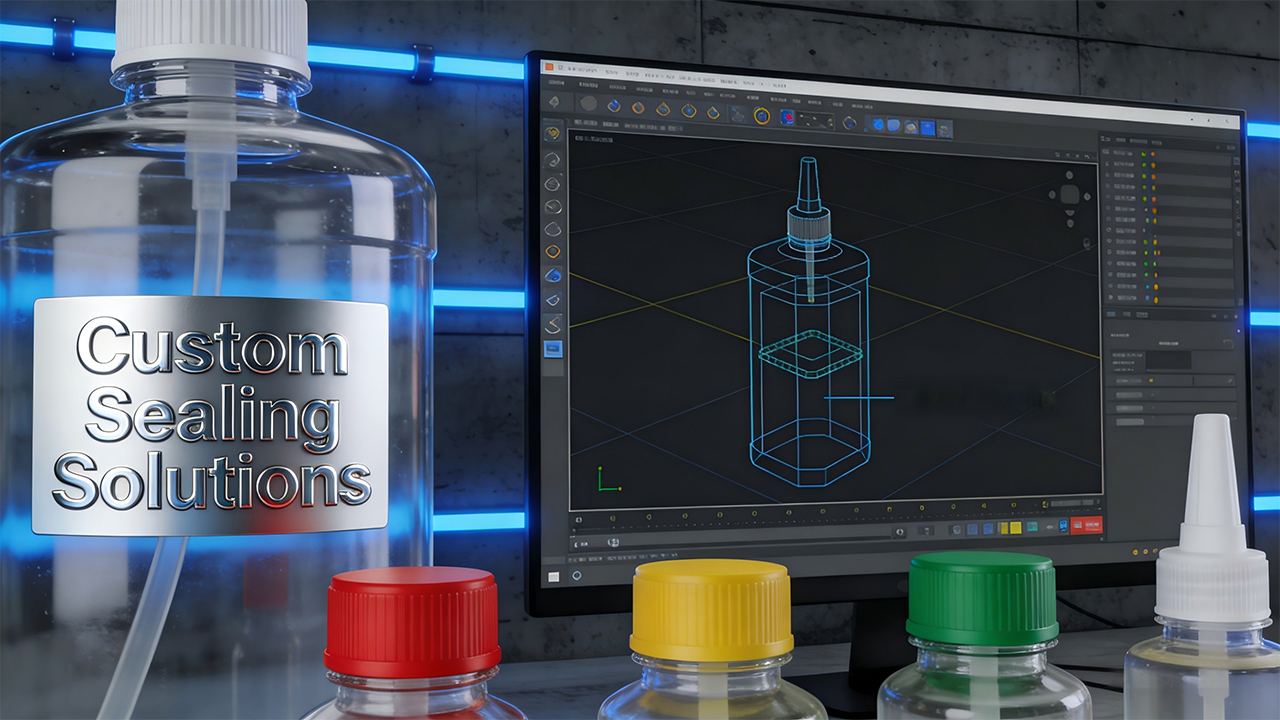
"Our R&D efforts focus on creating zero-phthalate, low-VOC, moisture-curing sealants and adhesives that meet international environmental and safety standards."
Adhesive systems must perform reliably under varied environmental and structural conditions. Our formulations are engineered to address specific stress factors across a range of applications.
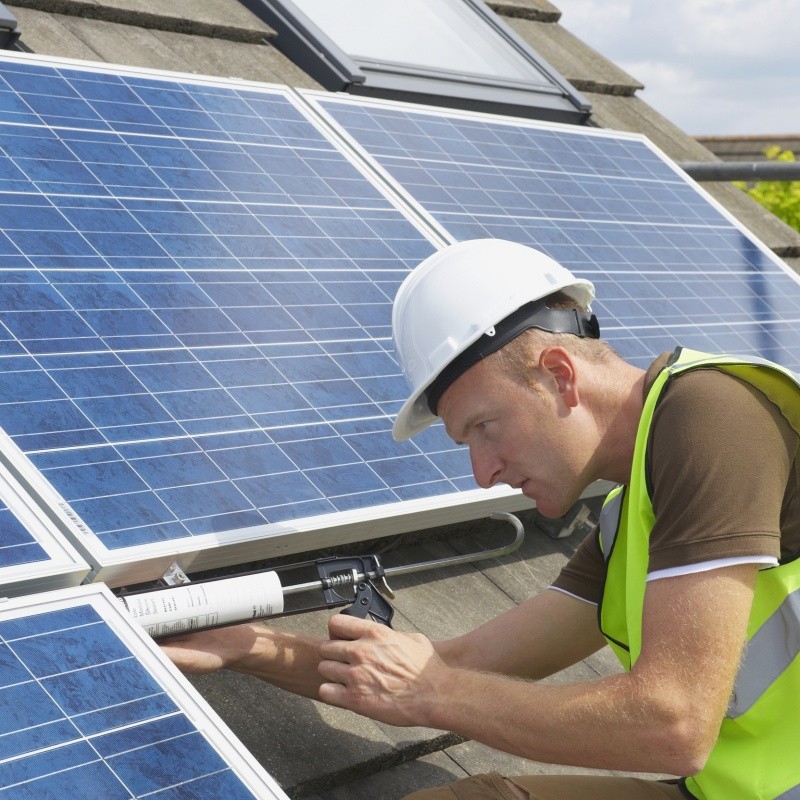
Used in facade construction, high-rise curtain walls, and timber frame joints. Here, the adhesive handles wind loads, thermal expansion, and vibration, providing durable weatherproofing.
For wood, aluminum, and PVC frames exposed to exterior weathering. Our PU foams and sealants provide thermal insulation, sound dampening, and resistance to water ingress.
Outdoor decking and marine structures require adhesives that resist standing water, cleaning chemicals, and microbial growth, preserving structural integrity over time.
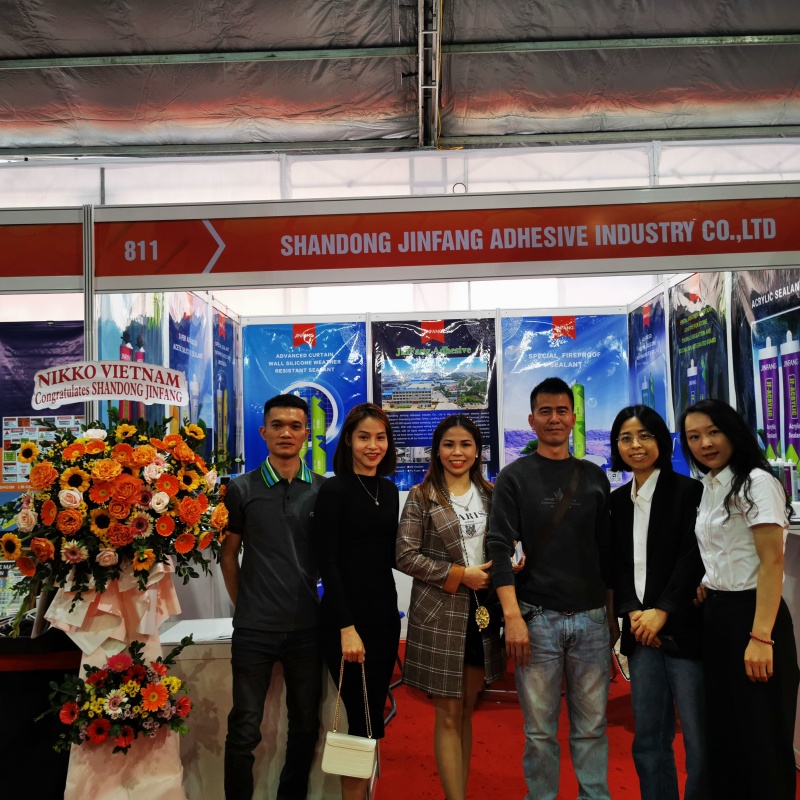
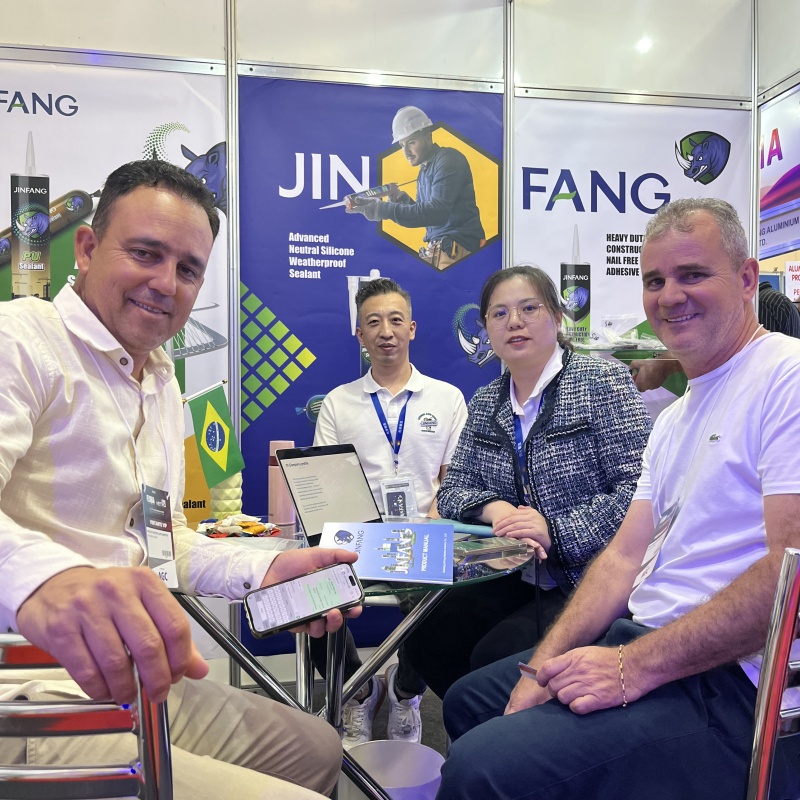
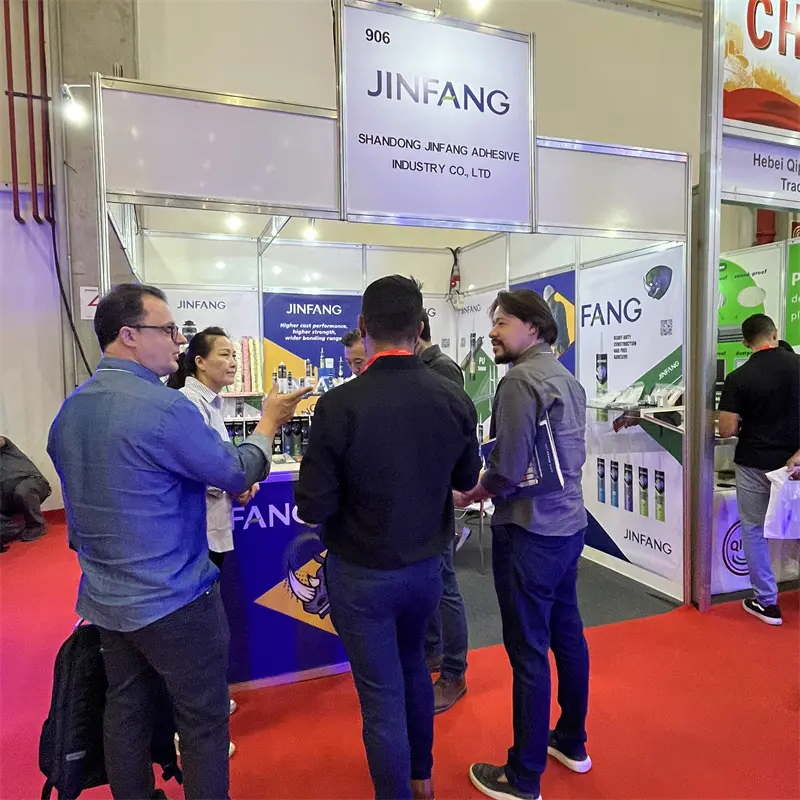
Global sourcing of chemical products requires careful risk management. B2B buyers must evaluate several key operational and compliance factors to ensure steady supply and consistent quality:
To assist our long-term distribution partners, Jinfang offers secure supply agreements that stabilize pricing and schedule raw material allocations. This protects partners from fluctuations in global polymer markets. We maintain dedicated reserve stocks of essential chemical components to keep production moving during supply disruptions.
From our raw material supply to automated manufacturing and final packaging, our QA process traces every batch, providing full technical documentation for compliance audits.
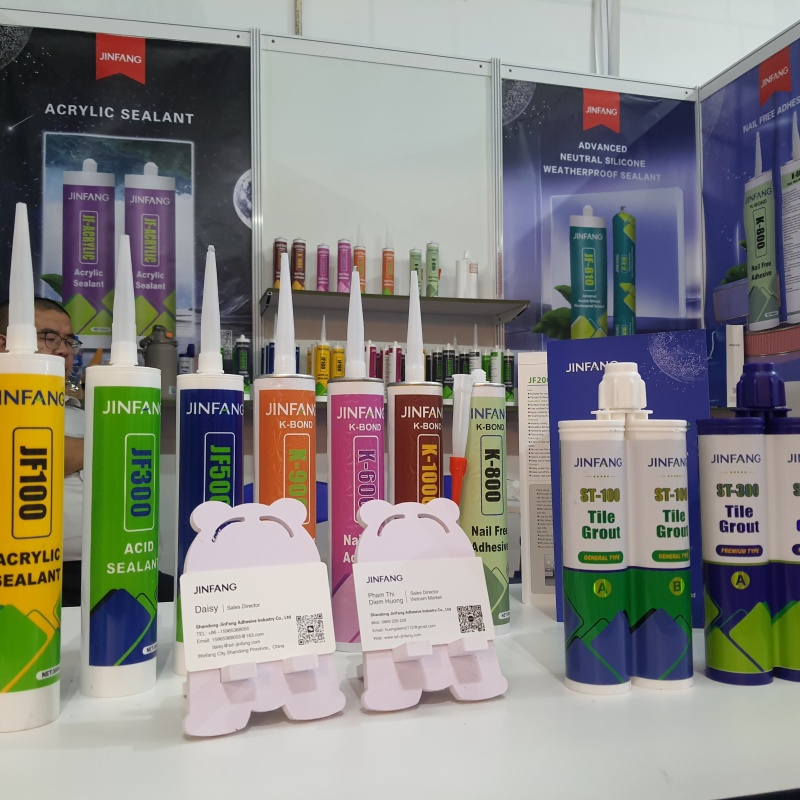
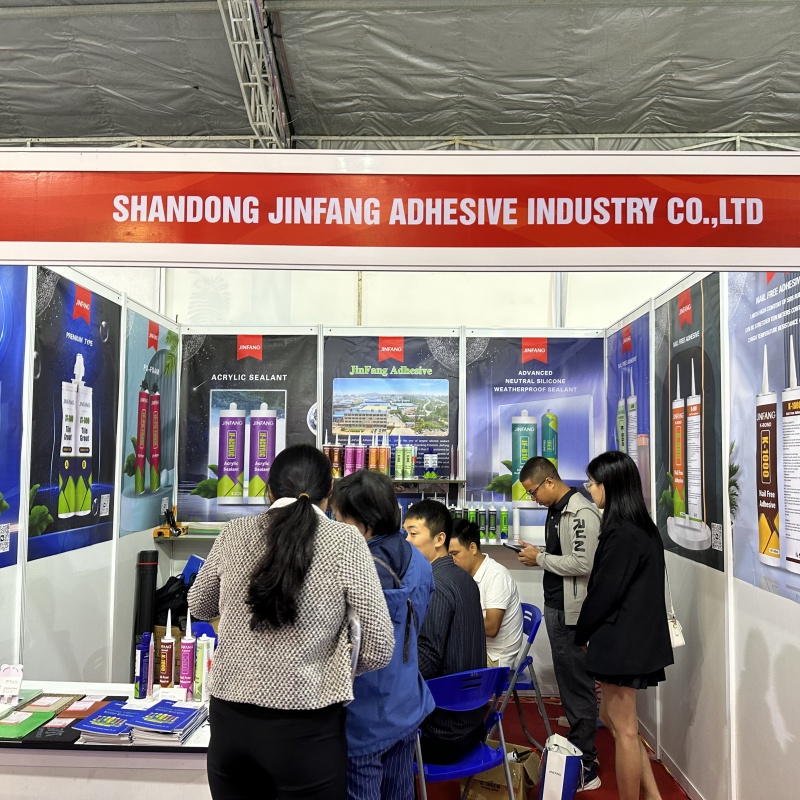
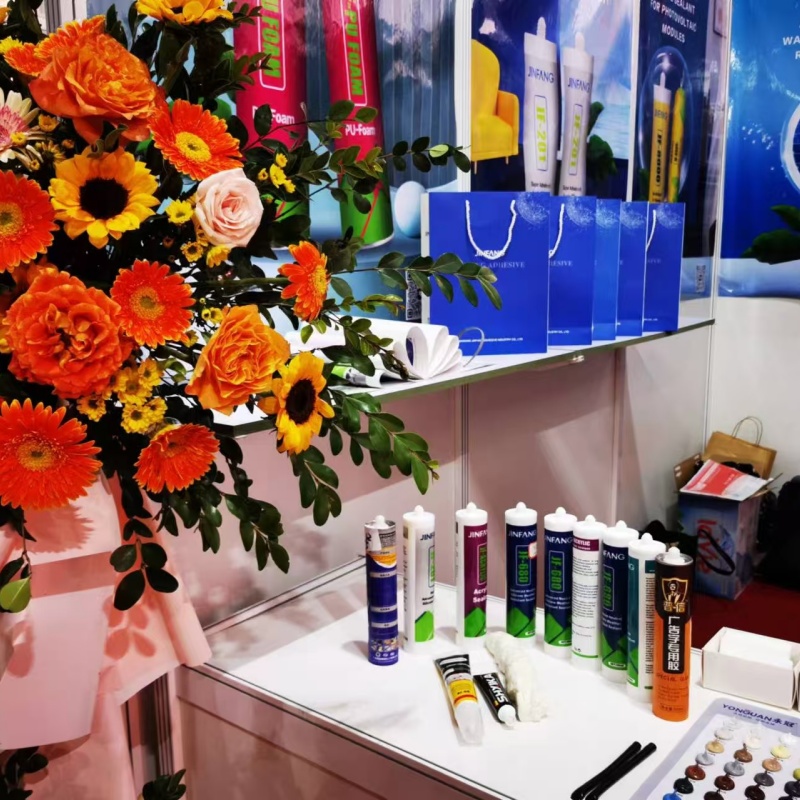
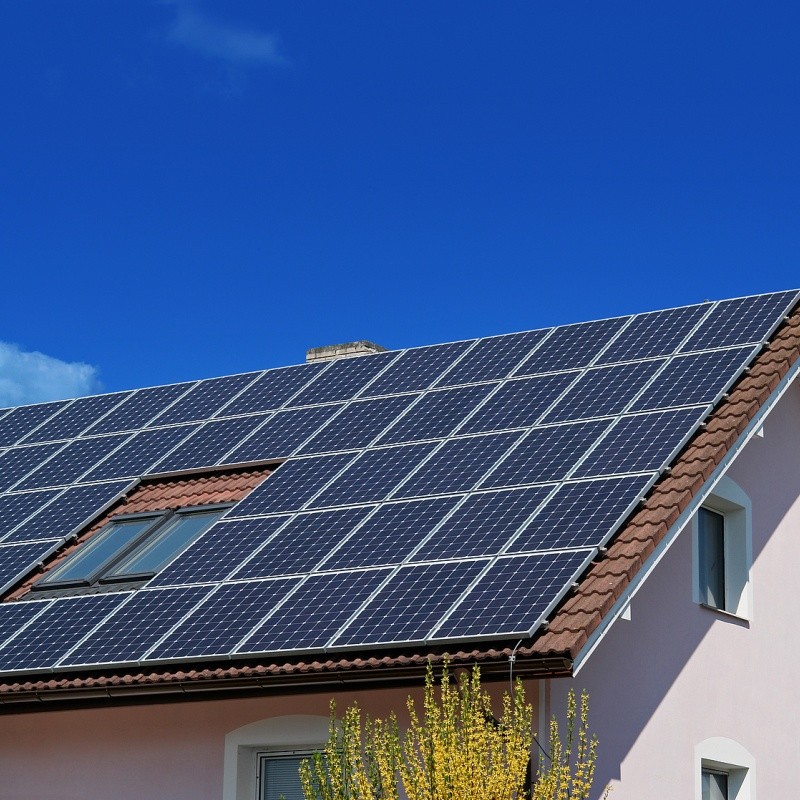
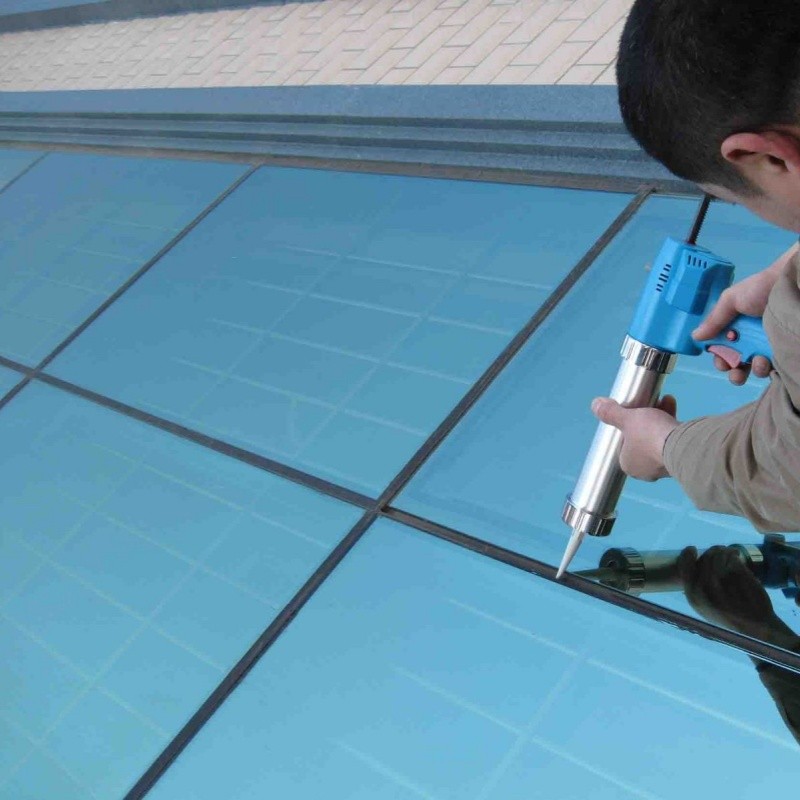
Silicone and MS polymer sealants play a key role in exterior construction, providing weatherability, elasticity, and adhesion to various surfaces. They maintain stability under extreme temperatures and long-term exposure, protecting joints against water, dust, and air infiltration.

Our manufacturing setup allows for customization of cure speed, viscosity, and color matching. We provide packaging options ranging from 300ml cartridges to large drums for automated assembly lines, supporting diverse industrial and construction requirements.

Answers to frequently asked questions regarding technical properties, application methods, and global procurement.
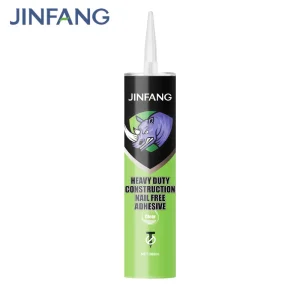
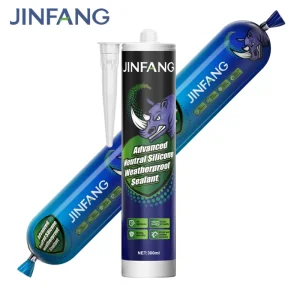
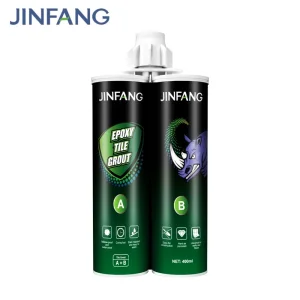
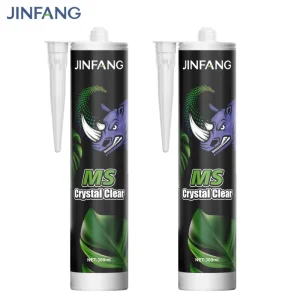
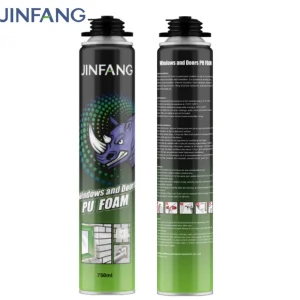
Select from our range of structural grouts, specialized sealants, and high-strength construction adhesives.
 Jinfang