Engineered to meet absolute performance limits across diverse extreme industrial environments.
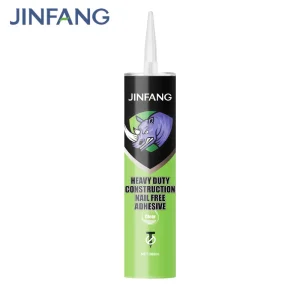
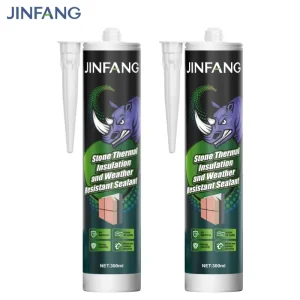
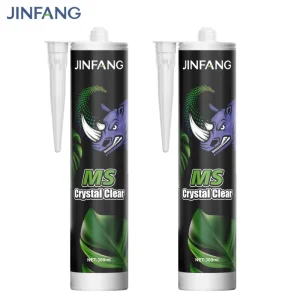
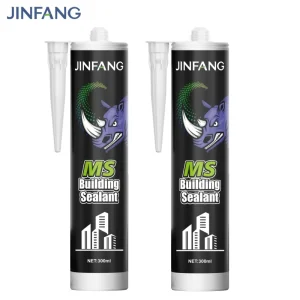
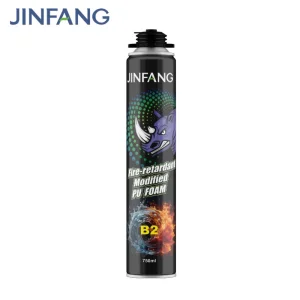
Deep insights into manufacturing standards, chemical engineering, and global sourcing parameters.
Rigid Polyurethane Foam (RPUF) represents one of the most critical advances in building physics and thermal performance. Structurally, it is created through the exothermic reaction of liquid polyisocyanates (typically Methylene Diphenyl Diisocyanate or MDI) and polyols, compounded with blowing agents, catalysts, and surfactants. This reaction results in a highly cross-linked polymer network with a closed-cell content exceeding 90-95%.
This closed-cell microarchitecture is what grants RPUF its exceptionally low thermal conductivity (k-factor or lambda value, typically between 0.020 to 0.024 W/m·K), outperforming traditional insulation mediums such as expanded polystyrene (EPS), extruded polystyrene (XPS), and mineral wool. By trapping blowing gases with high thermal resistance inside its microscopic cells, RPUF maintains outstanding structural integrity and prevents thermal bridging.

China has solidified its position as the premier global manufacturer of Rigid Polyurethane Foam and related adhesive materials. The concentration of chemical production units in manufacturing hubs like Shandong Province creates unique operational efficiencies:
Modern sustainability frameworks are actively transforming the chemical industry. The transition from HCFCs (Hydrochlorofluorocarbons) to HFOs (Hydrofluoroolefins) and natural hydrocarbons like cyclopentane is a major technological shift. These third-generation blowing agents yield a Global Warming Potential (GWP) close to zero, rendering RPUF compliant with strict environmental laws like the EU F-gas Regulation.
Simultaneously, the demand for high fire-performance ratings (B1/B2 Classifications according to DIN 4102-1 or Class B/C under EN 13501-1) has driven the engineering of specialized flame retardants. Today's polyisocyanurate (PIR) modification techniques utilize ring structures that resist thermal degradation at much higher temperatures than conventional PU foams, forming a stable carbonaceous char layer when exposed to flame.
Our industrial framework translates complex polymer chemistry into highly functional, market-ready products.
We tailor viscosity, curing speed, expansion ratio, and density profiles to match your distinct application environment—from structural insulated panels to high-density composite cores.
Supporting rigid tubes, flexible foil sausages, dynamic bulk drums, and custom-branded designs. Every package is sealed to guarantee extended shelf-life and absolute moisture barrier properties.
Governed by ISO 9001 and ISO 14001, we analyze every production batch via chromatography and thermal degradation assays to secure zero-tolerance failure rates.
Global procurement teams must assess structural performance beyond simple cost considerations. The primary variables of interest are dimensional stability, water absorption, and compressive strength. In cold chain logistics, for example, RPUF is subjected to large thermal differentials. Any structural instability can cause outer panels to delaminate, compromising the thermal integrity of the refrigerated container.
To avoid these failures, Jinfang utilizes a comprehensive formulation design that balances cell nucleation. This ensures a uniform density distribution throughout the foam mass. Additionally, we optimize our raw material inputs and automated processes to keep the overall water absorption by volume under 1.5%, which preserves structural insulation capacity even in humid industrial environments.
Rigid Polyurethane Foam products serve multiple critical industrial sectors, each requiring a distinct set of physical characteristics:
In structural insulation applications, RPUF is injected between metal sheet facades to create rigid, self-supporting wall and roof panels. The material must offer high adhesion to metal, excellent mechanical load resistance, and low thermal conductivity. These qualities help lower building HVAC energy consumption and support sustainable architectural designs.
From commercial reach-in freezers to insulated transport trailers, RPUF serves as the primary barrier against heat transfer. The foam's low density and high compressive strength allow manufacturers to reduce insulation thickness, expanding internal storage volume without compromising energy efficiency.
In industrial processing facilities and oil/gas pipelines, RPUF provides essential thermal protection to prevent heat loss or condensation. The material must retain its physical properties at temperatures ranging from cryogenics (-150°C) to high-pressure steam (+120°C).
Our engineering team answers common technical and procurement questions from around the world.
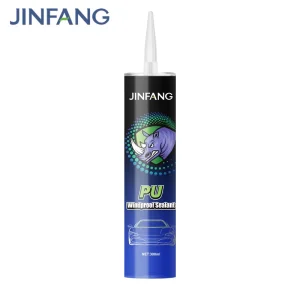
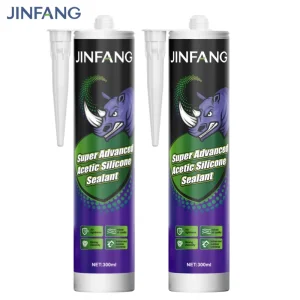
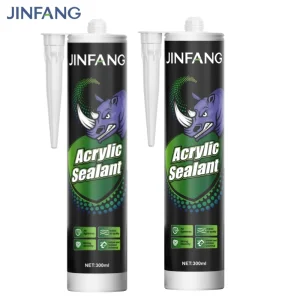
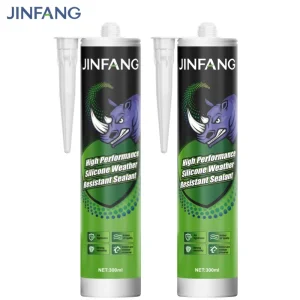
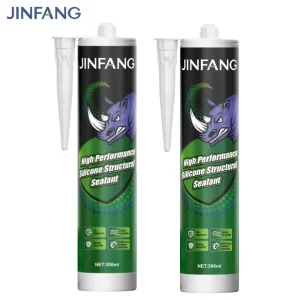
High-specification formulations engineered for critical architectural and industrial joints.
 Jinfang