In the global industrial construction landscape, silicone technology represents the cornerstone of structural stability and climatic resilience. Modern architectural façades, high-density solar energy systems, and automotive structural assemblies rely heavily on state-of-the-art elastomeric formulations to withstand wind load, thermal expansion, moisture intrusion, and UV degradation. As the global demand for Apollo-type high-integrity silicone sealants grows, engineering procurement managers look for more than just off-the-shelf formulas; they demand highly precise structural grades, optimized chemical cross-linking, and resilient Chinese manufacturing ecosystems that combine value, capacity, and compliance.
At Shandong Jinfang Adhesive Industry Co., Ltd., we bridge the gap between high-level material science and large-scale industrial output. Our specialized research, backed by advanced academic partnerships, translates raw silicone monomer into high-modulus, hyper-flexible adhesives engineered to withstand environmental extremes. This white paper breaks down the structural qualities, manufacturing processes, global supply chains, and specific applications that define high-performing sealants in today's B2B landscape.

Direct B2B supply of heavy-duty sealants, epoxy grouts, and weatherproofing solutions
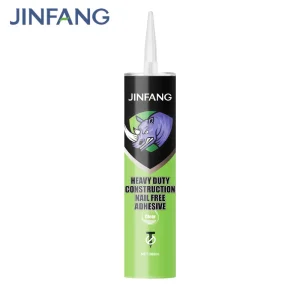
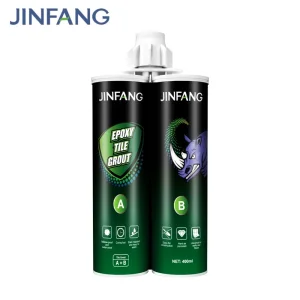
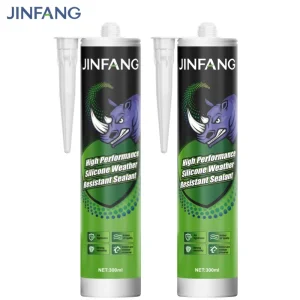
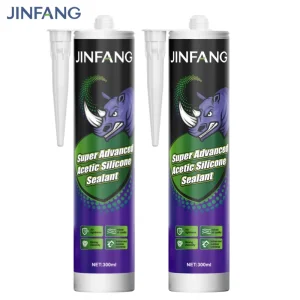
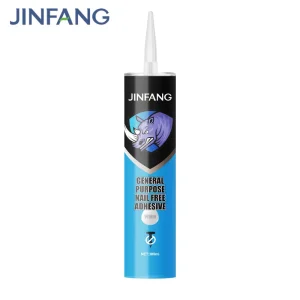
To understand why "Apollo-grade" silicone polymers dominate modern construction, one must look at their underlying molecular architecture. Unlike standard organic polyurethanes or acrylics, premium silicone sealants are defined by a repeating silicon-oxygen (Si-O-Si) siloxane backbone. The bond energy of Si-O is approximately 460 kJ/mol, significantly higher than the C-C bond energy (348 kJ/mol) found in typical organic polymers. This chemical distinction gives silicone its outstanding thermal stability, oxidation resistance, and UV light inertia.
When purchasing wholesale silicone sealants, global procurement offices run structural checks on several core performance indices:
Compare performance metrics across our main manufacturing lines for industrial supply
| Material Class | Primary Curing Mechanism | Movement Capacity | UV & Weathering Resistance | Key Substrates | Certifications |
|---|---|---|---|---|---|
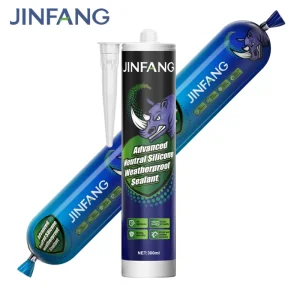
| Neutral Silicone | Alkoxy / Oximic Curing (Moisture-reactive) | ±35% to ±50% | Excellent (25+ Year Lifespan) | Glass, Aluminum, Concrete, Galvanized Steel, Plastics | ISO 11600, ASTM C920, CE |
| Acetic Silicone | Acetoxy Curing (Releases acetic acid) | ±25% | Very High (Glass Inertia) | Non-porous Glass, Glazed Ceramic, Aluminum | ISO 9001, SGS Food Contact |
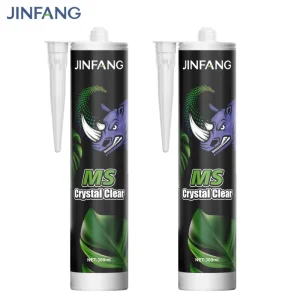
| MS Polymer (Silyl-Modified) | Silylated Polyether cross-linking | ±25% to ±50% | Good (Paintable surface) | Brickwork, Wood, Plaster, Sheet Metal, Polycarbonates | EU REACH, Low-VOC Green Seal |
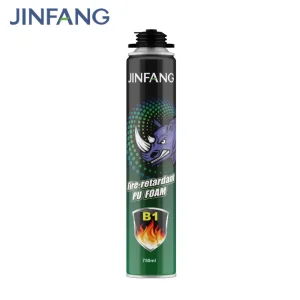
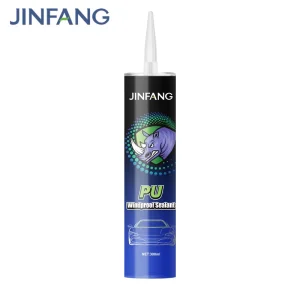
| PU Foam & Sealant | Isocyanate-polyol moisture cure | ±25% (Sealant) / Expansion (Foam) | Moderate (Needs UV top-coat) | Concrete, Wood, Gypsum, Concrete Blocks | DIN 4102 B1 (Fire Retardant) |
Why engineering companies, distributors, and industrial clients choose us as their strategic supplier
Our formulations undergo extreme weathering, heat-aging, and tensile testing to guarantee they maintain their adhesion under long-term dynamic stress and environmental exposure.
All operations—from raw polymer material inspections to final cartridging—are run under tight ISO 9001 and ISO 14001 guidelines to maintain consistency batch after batch.
By running highly integrated raw monomer processing systems and high-capacity packaging lines in Shandong, we keep production costs down for large-volume wholesalers.
From adapting curing speeds and viscosity metrics to designing custom cartridge colors and multi-language packaging, we tailor our products to match local building rules.
How we integrate advanced technologies to support scale, speed, and consistency
B2B buyers facing volatile global supply lines need manufacturers who can guarantee stable raw material costs and reliable delivery windows. Located in the industrial center of Shandong, Jinfang Adhesive Industry runs a fully integrated production loop that includes raw polymer compounding, injection molding for plastic cartridges, labeling, automated filling, and robotized palletizing.
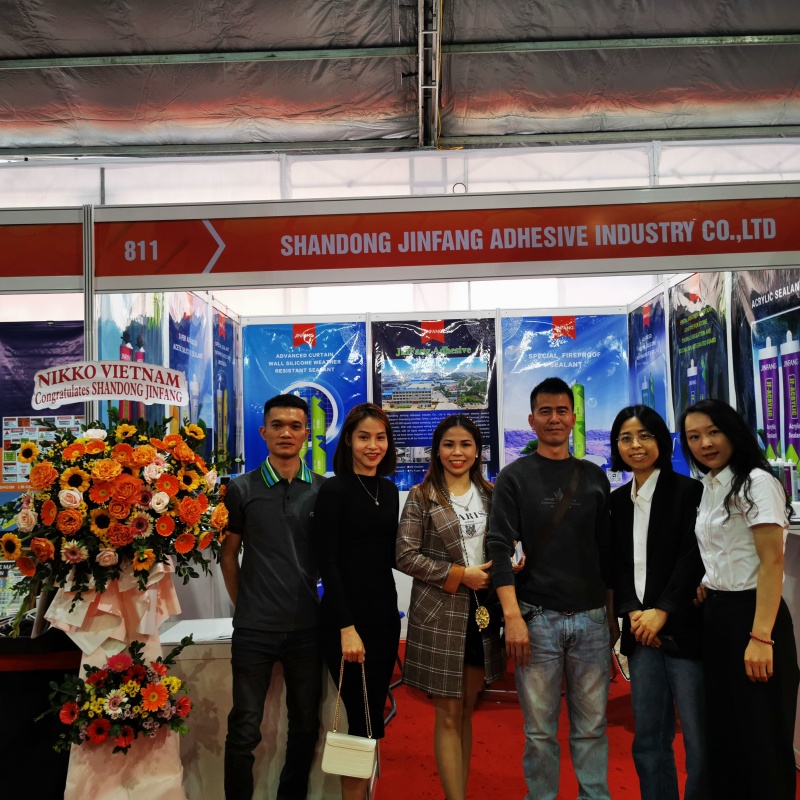
This smart factory setup keeps raw material handling losses low and ensures consistent compounding. Automated batch-feeding scales control base polymer mixtures to within 0.1% accuracy. This prevents batch-to-batch variation, which is a major issue when dealing with smaller, manual operations. In addition, our strategic partnerships with China's top universities—such as **Shandong University, Xiamen University, and Linyi University**—help us bring high-level research straight to our factory lines, giving us the technical edge to develop specialized, weather-resistant, and structural formulations.
Our smart supply chain system allows us to fulfill bulk orders in an average of just 15 days, helping global distributors keep their stock levels healthy without having to over-order.
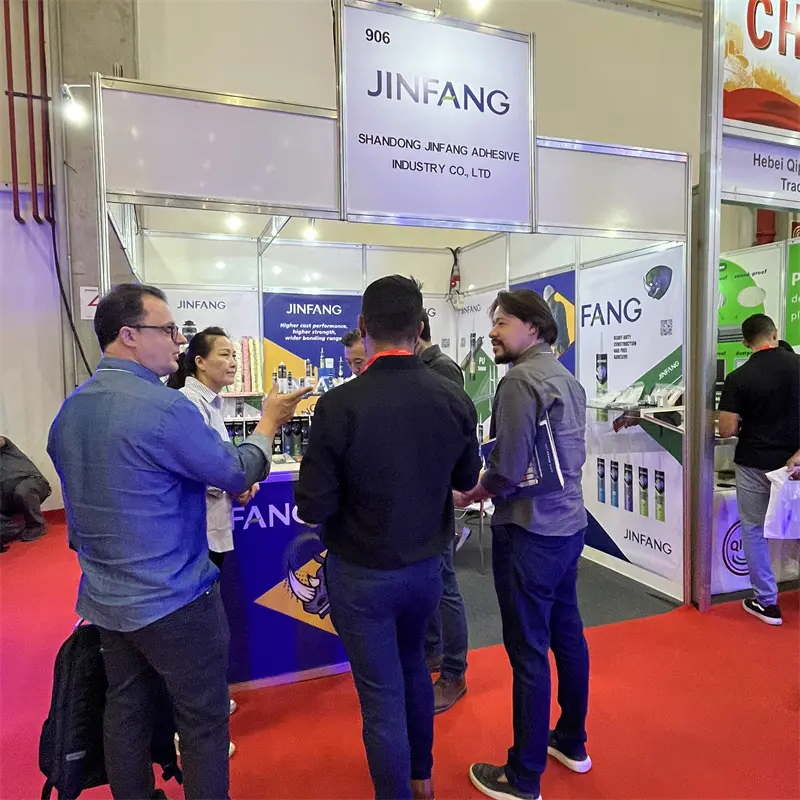
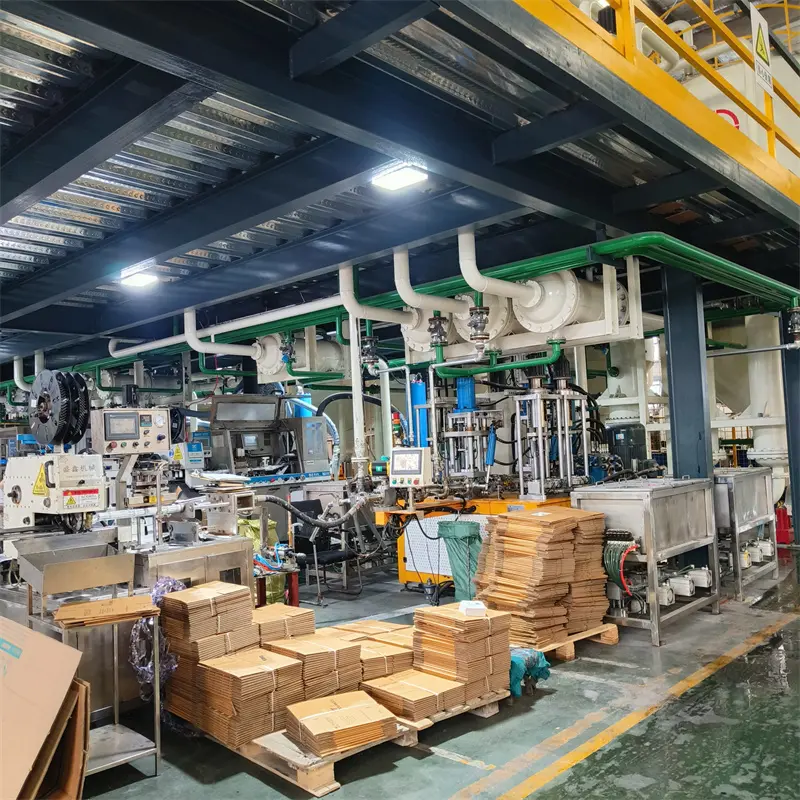
From initial design concepts to global delivery, we manage your private label operations
We tweak viscosity, curing speeds, color match specs, and shore hardness profiles to suit your target market.
Choose between rigid HDPE cartridges, flexible aluminum sausage foils, bulk drums, or customized squeeze tubes.
Our design team creates clean, multi-language layouts with high-resolution offset or screen-printed labels.
Continuous mixing and automated filling systems pack the products air-tight, with every batch batch-tested for quality.
We coordinate customs paperwork, handle export clearance, and arrange ocean freight directly to your port.

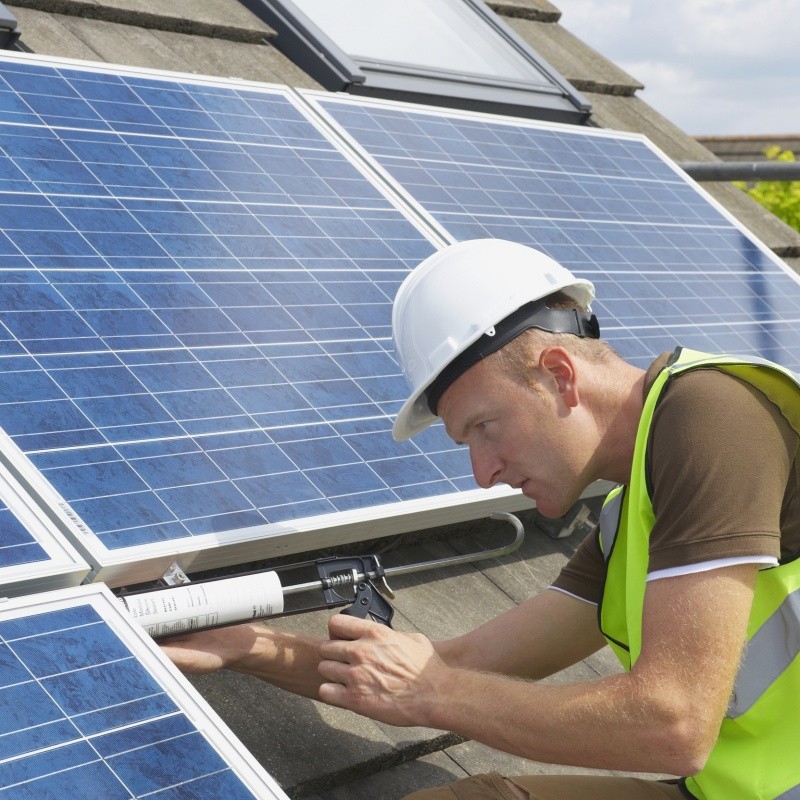
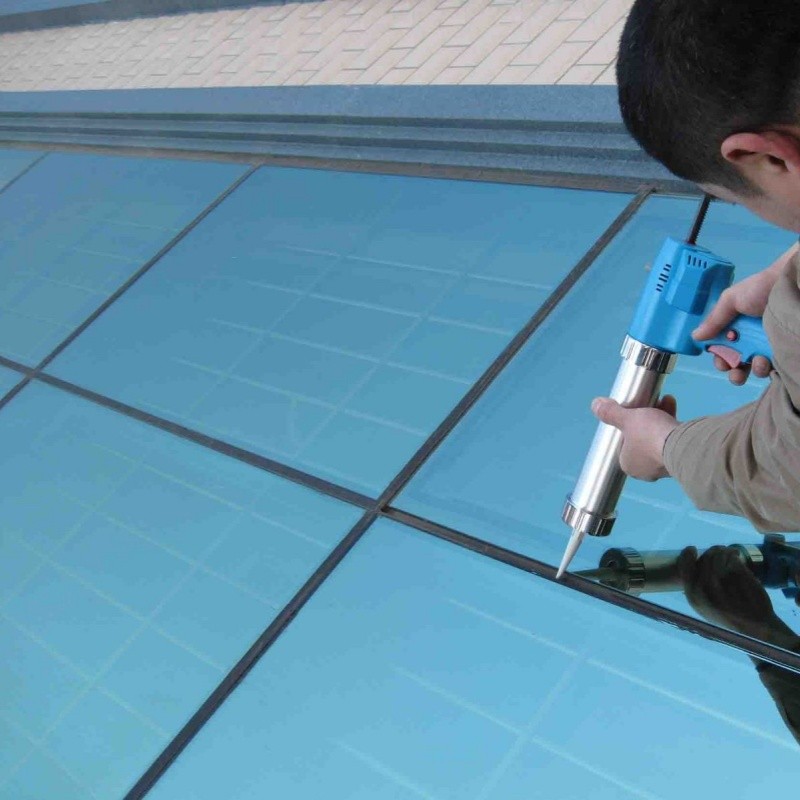
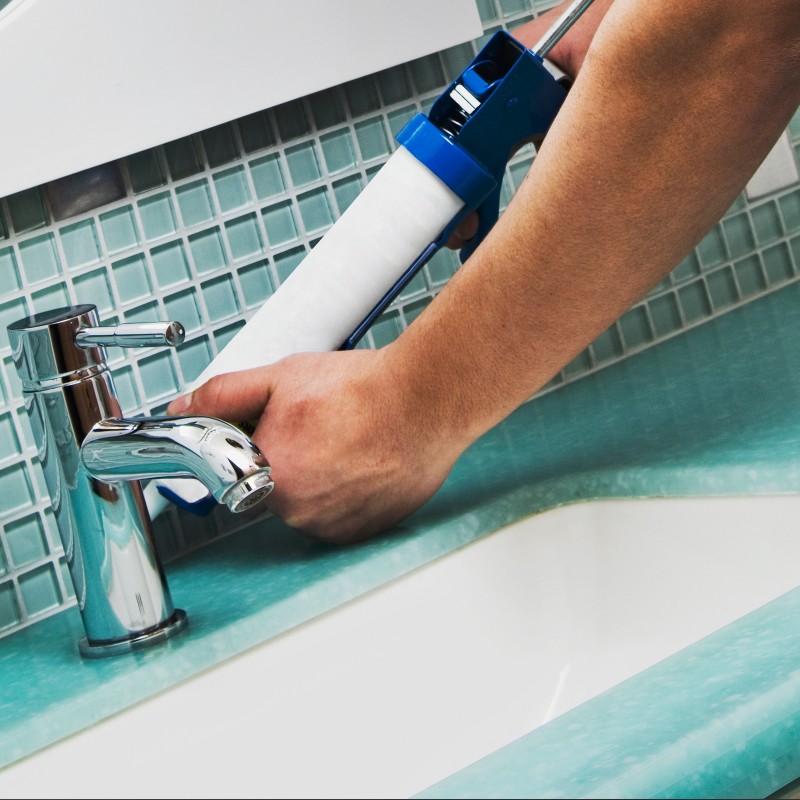
Silicone technology is not a one-size-fits-all solution. Different climates and substrates require targeted engineering designs. The modern construction landscape features unique scenarios where choosing the right sealant makes a critical difference in build longevity:
A closer look at our custom options and operational steps
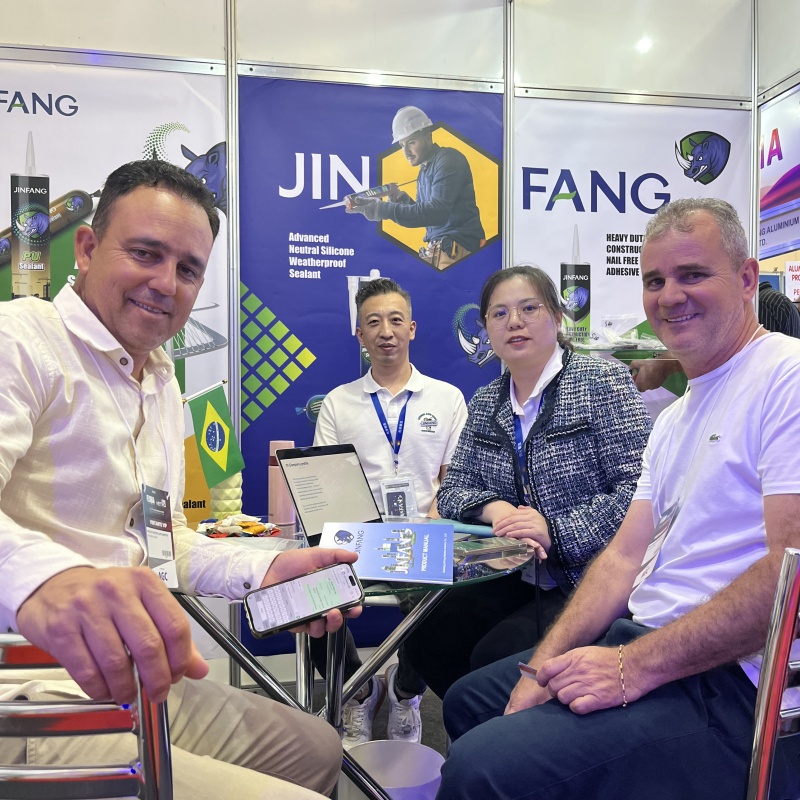
Our materials are field-tested in demanding architectural developments globally
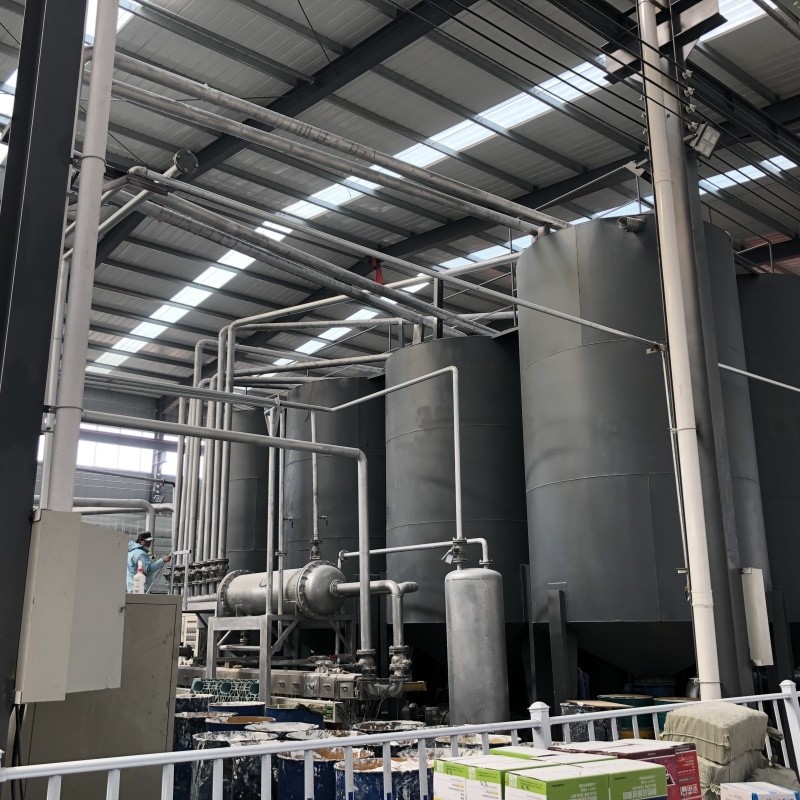
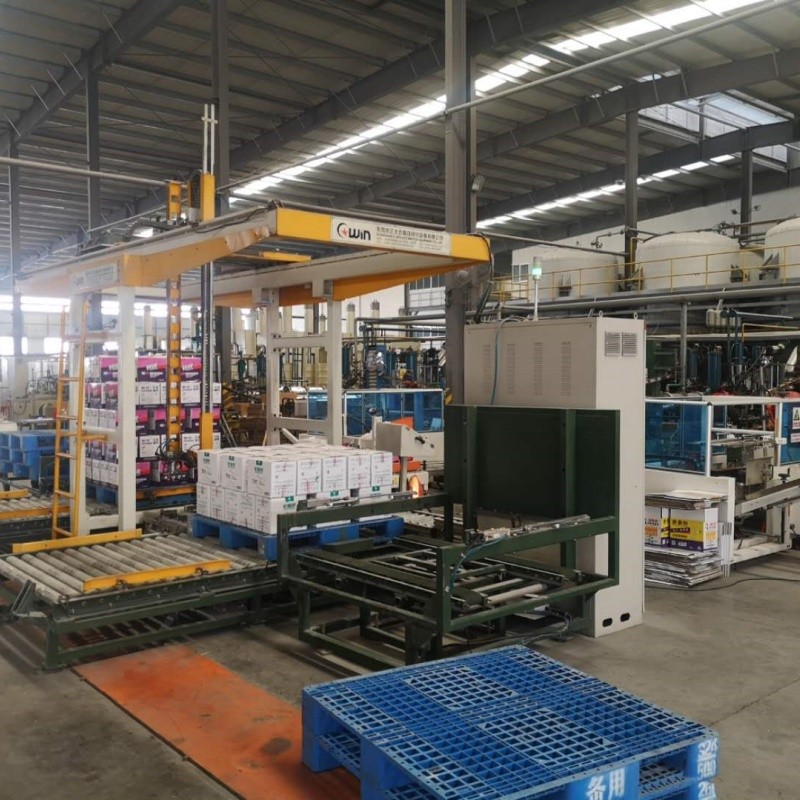


Answering key questions on technical specifications, warehousing, custom formulation, and logistics
The core difference lies in their chemical byproducts during cross-linking. Acetic sealants release acetic acid (which smells like vinegar) as they cure. This chemical reaction is fast and cost-effective, making it ideal for non-porous surfaces like glass and glazed ceramics. However, the released acid can corrode metals (like steel, iron, or copper) and damage alkaline materials (like concrete, masonry, or natural stone).
Neutral curing sealants release an alcohol or oxime byproduct, which is chemically inert and non-corrosive. This makes neutral curing silicones the standard for perimeter sealing around windows, metal roofing joints, expansion gaps in concrete, and structural glass façades.
Every product line is tested in-house using QUV accelerated weathering chambers. These machines expose cured sealant samples to cyclic UV light, high humidity, and heat. We verify elasticity, tensile recovery, and adhesion values before and after testing. This confirms our products meet the long-term weatherproofing standards required for high-rise buildings and extreme solar radiation.
For custom cartridge printing and custom formulations, our standard MOQ is typically 10,000 cartridges (or equivalent in volume for bulk packs). This helps us run our high-speed automated filling lines efficiently. Once the cartridge print artwork is approved, our production lines complete orders within 15 business days.
Unopened cartridges and sausages should be stored in dry, well-ventilated areas at temperatures between 5°C and 25°C. Storing them in temperatures above 30°C or in high humidity can accelerate pre-curing, reducing their shelf life. When stored correctly, our high-performance silicones keep their design properties for 9 to 12 months from the date of manufacture.
MS Polymers (Silyl-Modified Polymers) combine the paintability and environmental safety of polyurethanes with the weatherability of silicones. They work very well for sealing joint gaps, wall cladding, and perimeter framing where the surface needs to be painted. However, for structural glazing applications (where the cured adhesive must bear structural loads and hold glass sheets to metal frames under sustained wind loads), structural silicone is still preferred due to its higher long-term tensile strength, higher modulus, and superior UV resistance.
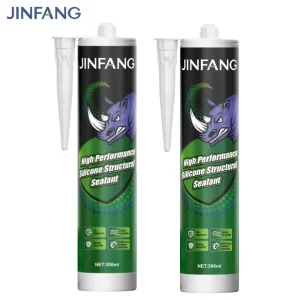
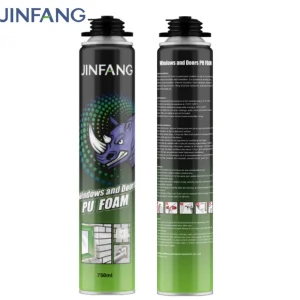
Explore our industrial range of PU foams, structural silicones, automotive sealants, and MS polymers
 Jinfang


