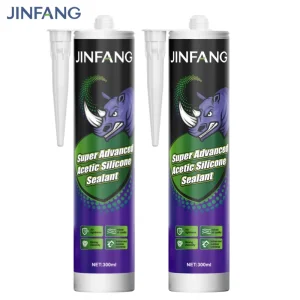
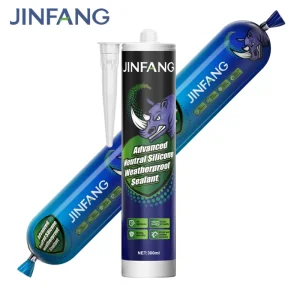
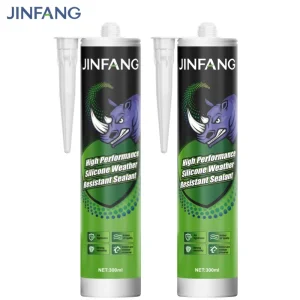
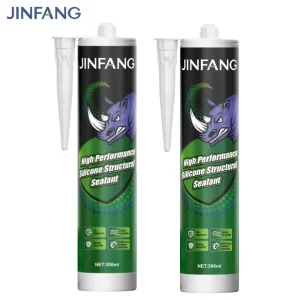
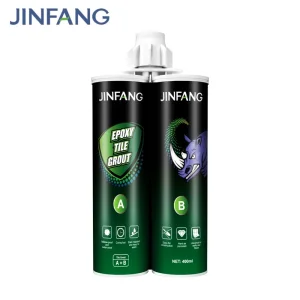
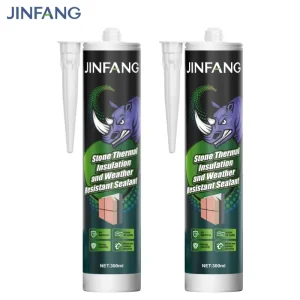
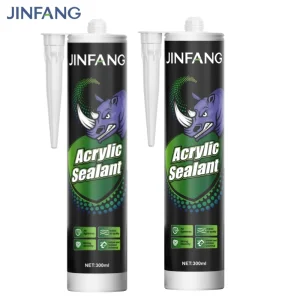
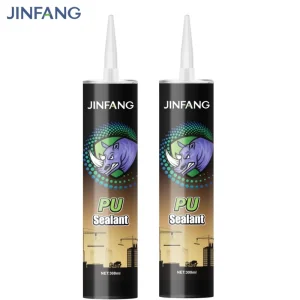
In the global construction landscape, the kegunaan (utility/usage) of silicone sealant extends far beyond simple gap filling. It acts as the critical barrier against environmental degradation, structural stress, and energy inefficiency. As a professional sourcing manager, understanding the material science—from acetic cure to neutral weatherproofing—is the first step toward effective procurement.
The demand for high-performance sealants is driven by urbanization and the need for energy-efficient "Green Buildings." Global buyers are shifting from opportunistic purchasing to long-term partnerships with factories that offer:
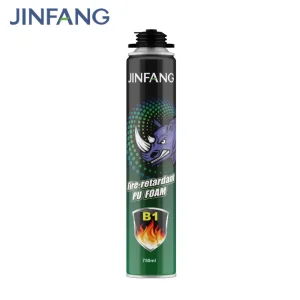
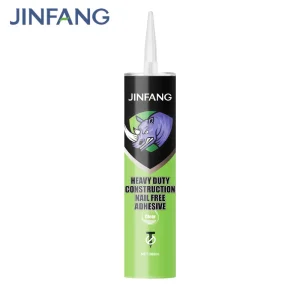
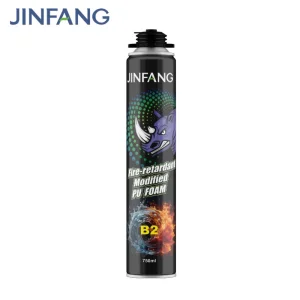
Shandong Jinfang Adhesive Industry Co., Ltd. exemplifies the current benchmark for Chinese manufacturing excellence. By integrating research partnerships with top-tier universities, modern factories are no longer just "copying" formulas; they are innovating with MS polymers, fire-retardant PU foams, and advanced structural silicones. This vertical integration allows for:
- Reduced Cost-to-Performance Ratios.
- Scalable Production for large-scale infrastructure projects.
- Rapid Prototyping for OEM/ODM requirements.
One of the most critical aspects of B2B procurement is compliance. Whether your market is the EU (requiring REACH/CE compliance), the Middle East (requiring high-temperature heat resistance), or Southeast Asia (requiring mold-resistant, tropical-climate formulations), your supplier must have robust quality certifications.
Requires high-modulus silicone to withstand wind loads in high-rise buildings, ensuring structural integrity.
Focus on vibration damping and oil resistance, ensuring mechanical reliability.
Neutral cure, non-corrosive, suitable for interior finishes and sanitary applications.
A: Acetic cure releases acetic acid during curing, making it ideal for glass and non-corrosive surfaces but unsuitable for metals like copper or marble. Neutral cure is non-corrosive, has better adhesion to various substrates (concrete, brick, PVC), and is the preferred choice for broader, high-end construction applications.
A: Using a general-purpose sealant for a high-movement joint (like a skyscraper facade) will lead to adhesive failure. We formulate products based on specific Joint Movement Capability (JMC) and weather exposure to ensure 10+ years of durability.
 Jinfang