Explore our specialized catalog of high-performance formulation sealants engineered for building facades, masonry bonding, and construction expansion joints.
A Technical Overview of Substrate Bonding, Environmental Stress Factors, and Long-Term Load Performance in Commercial Hardscaping
Modern architectural landscape layouts place extreme pressure on bonding materials. Unlike typical interior assembly products, a dedicated landscape liquid nails product must withstand continuous exposure to shear stress, thermal shifts, direct ultraviolet (UV) radiation, and continuous moisture infiltration. Retaining walls, natural stone pathways, concrete masonry borders, and steps depend entirely on the mechanical structural integrity of these polymer adhesives to prevent structural shifting over decades.
Historically, masonry structures depended solely on traditional sand-and-cement mortar. However, under cyclic thermal expansion and contraction, mortar frequently cracks, creating water pathways that accelerate damage during freezing weather. High-strength polyurethane, modified silanes, and premium hybrid sealants act as elastomeric membranes. These formulations distribute load forces uniformly across substrates and accommodate material movements without sacrificing bond strength, forming a long-lasting, weatherproof structural seal.
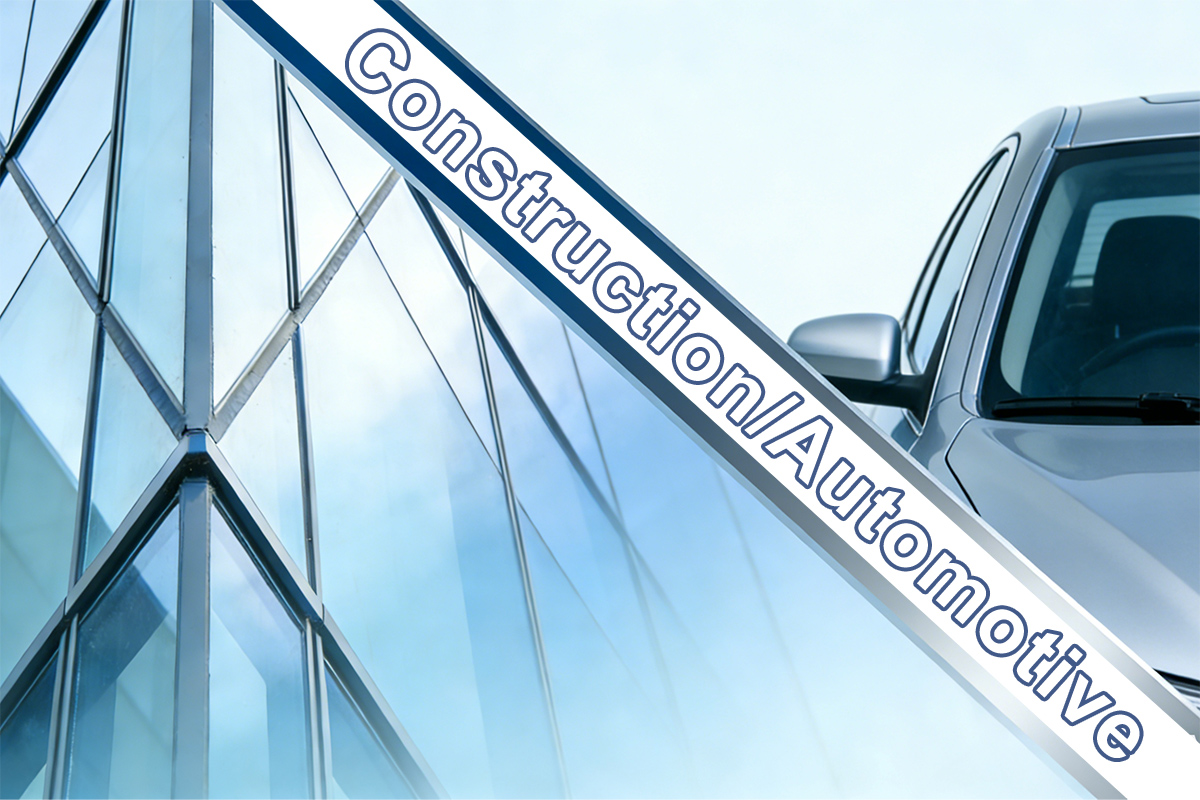
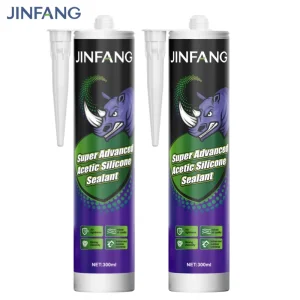
Choosing the correct adhesive technology requires a thorough understanding of their chemical backbones. Polyurethane adhesives provide exceptional load-bearing and sheer strength, making them ideal for heavy retaining walls and load-bearing steps. However, they are sensitive to damp substrates during application. Modified Silane (MS) polymers offer the best characteristics of both silicones and polyurethanes. They show high UV resistance, bond well to wet concrete, and can be painted, making them highly versatile for modern exterior projects. Silicone sealants, while displaying lower shear strength, are highly flexible and weather-resistant, making them ideal for non-structural expansion joints on building facades and glass assemblies.
How Advanced Supply Chain Consolidation and Raw Material Access Drive Global Cost-Efficiency
Shandong is home to major chemical manufacturing corridors. This proximity provides direct, cost-efficient access to raw materials like silicone monomers, polyols, and prepolymers, buffering clients against global market price spikes.
Our manufacturing facility features automated mixing, chemical filling, and cartridge packaging systems. Automation ensures consistent product properties across production runs, minimizing manual errors.
Located near major maritime ports like Qingdao and Tianjin, Jinfang utilizes local logistics networks to offer fast shipping, securing a competitive 15-day average delivery time for custom orders.
Evaluating the Transition Towards Zero-VOC, Green Star Compliant Adhesive Solutions
The global construction chemicals industry is undergoing a significant regulatory transformation. Traditional solvent-based "liquid nails" rely on evaporation to cure, releasing volatile organic compounds (VOCs) into the environment. Green building initiatives, including LEED v4 and BREEAM certifications, have accelerated the demand for eco-friendly, water-based, and modified silane options.
Water-based acrylic adhesives provide low VOC emissions and high safety, but they traditionally suffered from poor water resistance. However, modern acrylic copolymer formulations developed at Jinfang feature dense crosslinking properties. This chemistry allows them to perform reliably in wet environments, providing a sustainable alternative to solvent-based adhesives without sacrificing structural performance.
Adhesives must be formulated for local environmental conditions. In humid coastal regions, formulations must resist fungal growth and saltwater exposure. In dry, hot climates, the material requires high thermal stability up to 100°C to prevent softening. Conversely, high-latitude regions require advanced freeze-thaw durability, ensuring the adhesive remains flexible without cracking during sub-zero thermal movements.
How Shandong Jinfang Integrates R&D Collaboration to Solve Multi-Material Assembly Challenges
Modern building designs combine diverse materials, requiring adhesives to bond to wood, concrete, composite panels, steel, glass, and natural stone. These substrates expand and contract at different rates, introducing internal stress at the bond line. Shandong Jinfang Adhesive Industry Co., Ltd. addresses this challenge by partnering with major academic institutions, including Shandong University, Xiamen University, and Linyi University. These collaborations focus on tailoring the molecular structures of our silane-terminated polymers (MS) and polyurethanes to match the thermal contraction rates of diverse construction materials.
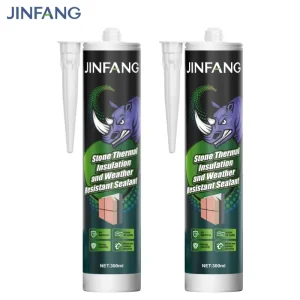
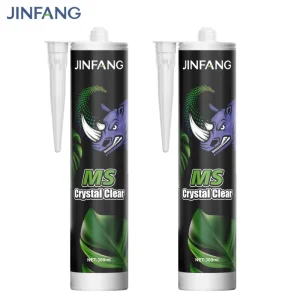
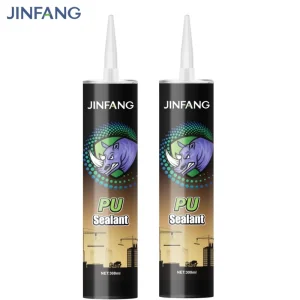
In structural facade projects, Jinfang’s MS Crystal Clear sealants and polyurethane expansion joint sealants protect the building envelope. They seal out moisture, dust, and air, improving energy efficiency. In landscape design, our heavy-duty adhesives secure retaining walls and pathways, preventing masonry failure and reducing maintenance costs for builders.
A Comprehensive Guide to Bulk OEM, Formulation Adaptation, and Packaging Options
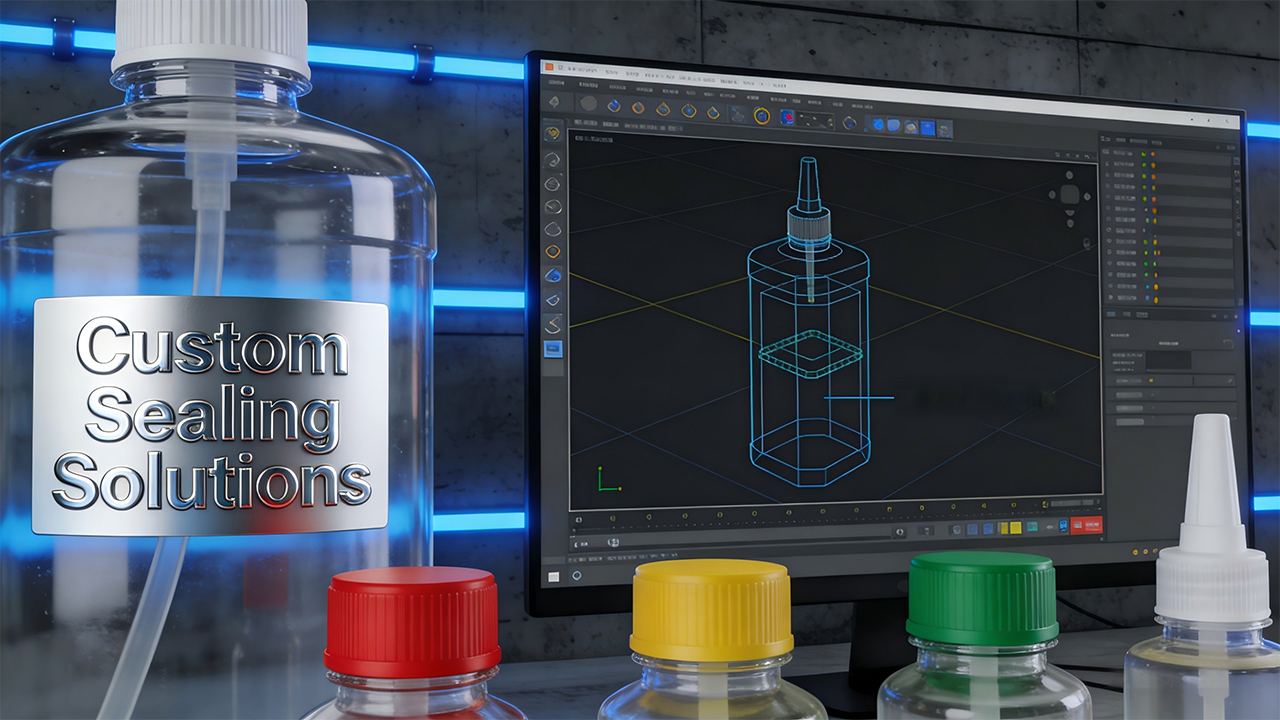
Global sourcing requires consistent product performance and flexible customization. As a direct factory supplier, Jinfang provides comprehensive OEM, ODM, and private label solutions. We work closely with our procurement partners to adapt formulations for specific regional regulations, including VOC levels, curing speeds, and mechanical properties.
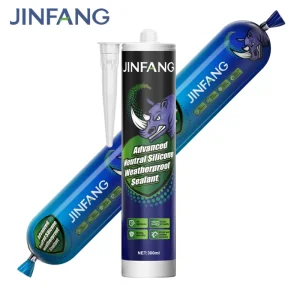
We offer diverse packaging formats, including 300ml cartridges, 600ml foil sausages, and bulk drums for industrial applications. Our packaging line supports custom design and brand printing.
Our R&D team can adjust product characteristics, such as viscosity, curing profile, green grab, and temperature limits, to meet specialized project requirements.
Our manufacturing processes are certified to ISO 9001 and ISO 14001, and our products carry certifications like EU IROS to comply with regional trade and safety regulations.
Common queries from procurement specialists, civil engineers, and distributors answered by our technical team.
Landscape adhesives are specifically formulated to withstand continuous exterior environmental exposure. They feature superior water resistance to prevent degradation from wet soils, high UV stability to resist sunlight breakdown, and elastomeric flexibility to accommodate thermal expansion in concrete and masonry. In contrast, indoor wood glues are typically rigid and water-soluble, which leads to failure when exposed to moisture and outdoor temperature cycles.
Yes, one of the primary benefits of high-grade MS polymer sealants is their ability to bond to damp surfaces without priming. Their chemical curing process utilizes ambient moisture, ensuring a strong bond with damp concrete. However, standing water must be cleared from the joint interface to allow the adhesive to make direct contact with the substrate.
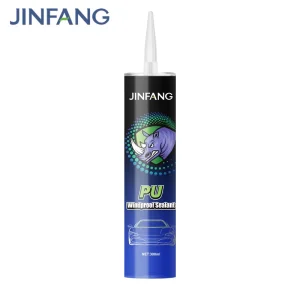
Polyurethane sealants cure via reaction with atmospheric moisture. Low temperatures and dry air will slow down the curing rate, while higher temperatures and humidity will accelerate it. Once fully cured, our polyurethane sealants maintain their elastic properties across a service temperature range of -40°C to +80°C, ensuring performance in both cold and hot climates.
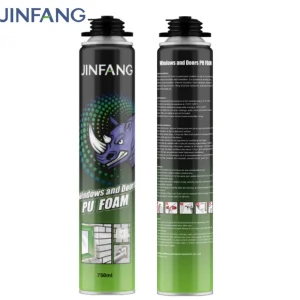
When stored in original, unopened packaging in dry conditions between +5°C and +25°C, our silicone sealants and PU expanding foams typically have a shelf life of 9 to 12 months from the production date. Storing materials outside these temperature limits can cause premature aging of the product.
We run an ISO 9001-certified quality control system. Raw materials undergo testing upon arrival, and automated production systems monitor parameters like temperature and mixing speed during processing. Every batch is tested in our laboratory for curing rate, viscosity, and tensile strength before packaging, with reference samples stored for quality tracking.
We provide comprehensive private label services. Clients can choose from plastic cartridges (300ml) or aluminum foil sausages (600ml), with options for direct offset printing or screen printing of their brands. Additionally, we customize shipping cartons to meet specific retail and wholesale requirements.
Our average manufacturing lead time is 15 business days from order confirmation to port delivery. Maritime transit times vary by destination, typically taking 20 to 30 days to European ports and 30 to 45 days to South America. We coordinate closely with freight forwarders to optimize shipping schedules.
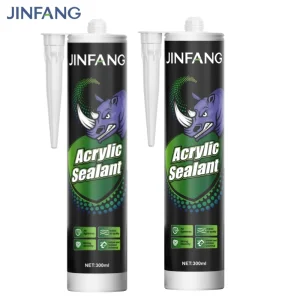
Standard acrylic sealants are best suited for indoor applications because of their sensitivity to water during curing. However, Jinfang’s premium water-based acrylic formulations use advanced crosslinking agents that improve weatherability. This allows them to perform reliably in moderate outdoor applications once fully cured, though polyurethane or silicone remains recommended for areas with standing water.
Discover our selection of structural glazing sealants, MS polymer compounds, and durable construction adhesives.
Connect with our engineering team to request sample products, adjust viscosity ratings, or get a quotation for bulk volume orders.
Contact Our Technical Team Jinfang