Engineered to support heavy joint movements and resist extreme environmental conditions in modern metropolitan Bangkok.
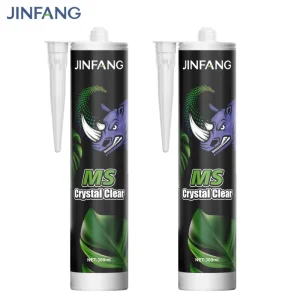
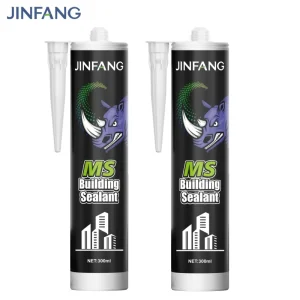
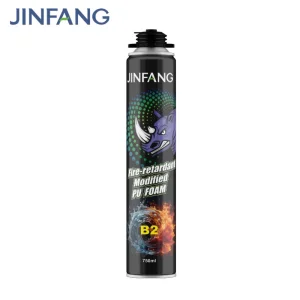
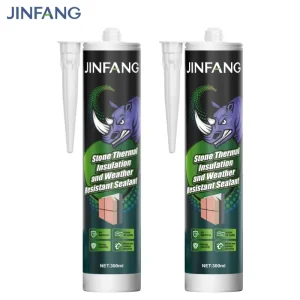
The Bangkok Metropolitan Area is undergoing a structural paradigm shift. As part of Thailand's ambitious EEC (Eastern Economic Corridor) development plan and rapid urban transition, the city’s skyline is expanding horizontally and vertically. High-speed rail connections, modern commercial centers, and vertical residential towers demand next-generation materials capable of dealing with the regional challenges.
Traditional structural sealants like conventional silicones and polyurethanes (PU) are increasingly being replaced by Silyl-Modified Polymers (MS Sealants). The severe monsoon seasons, persistent humidity, and high ultraviolet exposure of Bangkok's tropical savanna climate accelerate the aging process of typical joint sealants, leading to premature bond failure, chalking, and unsightly plasticizer migration on luxurious granite, limestone, and marble facades. The demand for non-staining, ultra-durable, and green-certified hybrid polymers is scaling up dramatically.
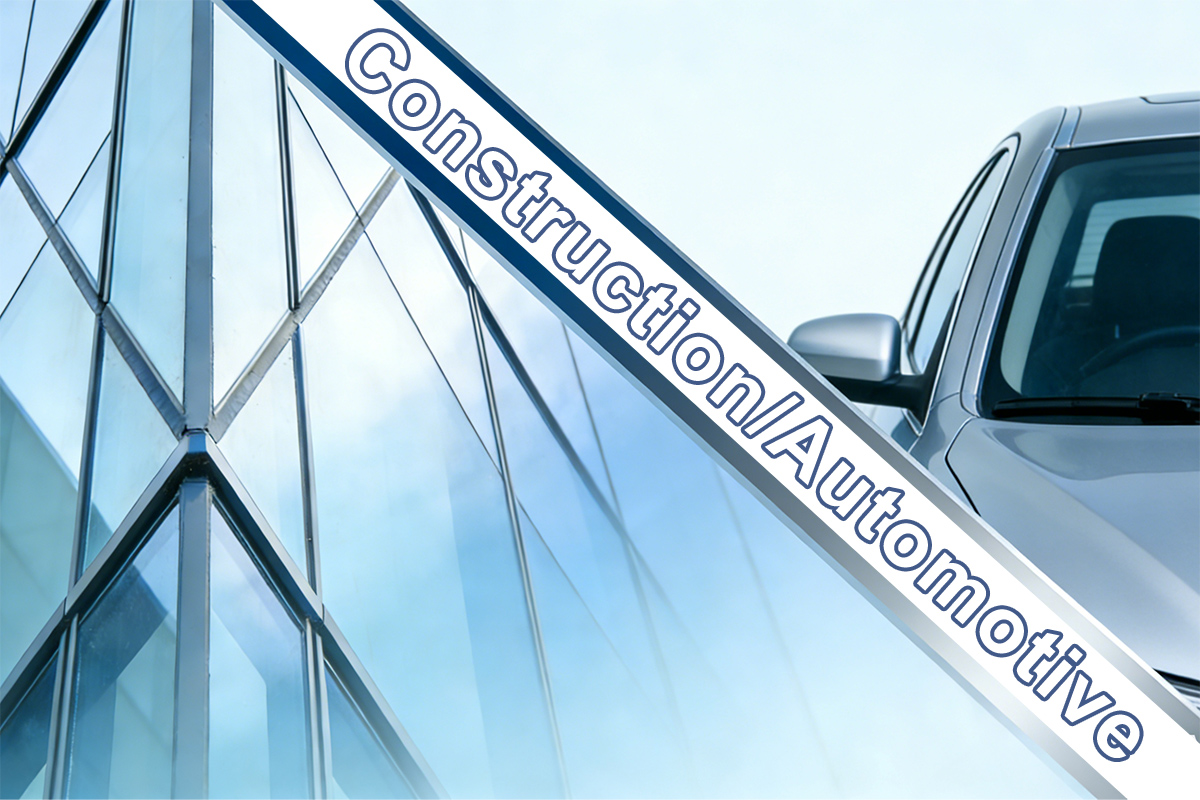
A deep scientific comparison showing how Modified Silane polymers address the typical structural failures associated with polyurethane and silicone adhesives.
| Performance Parameter | MS Polymer (Hybrid) | Polyurethane (PU) | Silicone Sealant |
|---|---|---|---|
| UV & Weathering Resistance | Excellent (No degradation, no cracking under tropical sun) | Poor to Moderate (Prone to chalking and UV hardening) | Outstanding |
| Substrate Compatibility | No primer required on most porous and non-porous surfaces | Requires primer on concrete and masonry | Limited adhesion without specific priming |
| Staining & Bleeding | Non-bleeding. Zero plasticizer migration on natural stone | Low staining risk but may cause slight discoloration | High risk of oil migration (staining stone/masonry) |
| Over-Paintability | Excellent (Compatible with water-based acrylic paints) | Good | Completely unpaintable |
| Eco-Safety (VOC Emissions) | Isocyanate-free, solvent-free, ultra-low VOC profile | Contains toxic isocyanates and solvents | May release acetic acid or toxic curing byproducts |
| Elastic Recovery | High elastic recovery with ±25% to ±50% movement capacity | Moderate recovery; prone to permanent compression set | Excellent elastic recovery |
Our integrated manufacturing infrastructure ensures consistent product quality, economic efficiency, and custom formulations designed for global distribution networks.
We maintain direct academic partnerships with key research institutions like Shandong University and Xiamen University to formulate sealants with superior environmental durability.
We tailor formulation parameters including Shore A hardness, skin-formation speed, curing rate, and package types (cartridge, sausage, or bulk drums) to match your custom application requirements.
Operating under certified ISO 9001 and ISO 14001 management systems, our products comply with demanding global certifications, such as EU IROS standards.
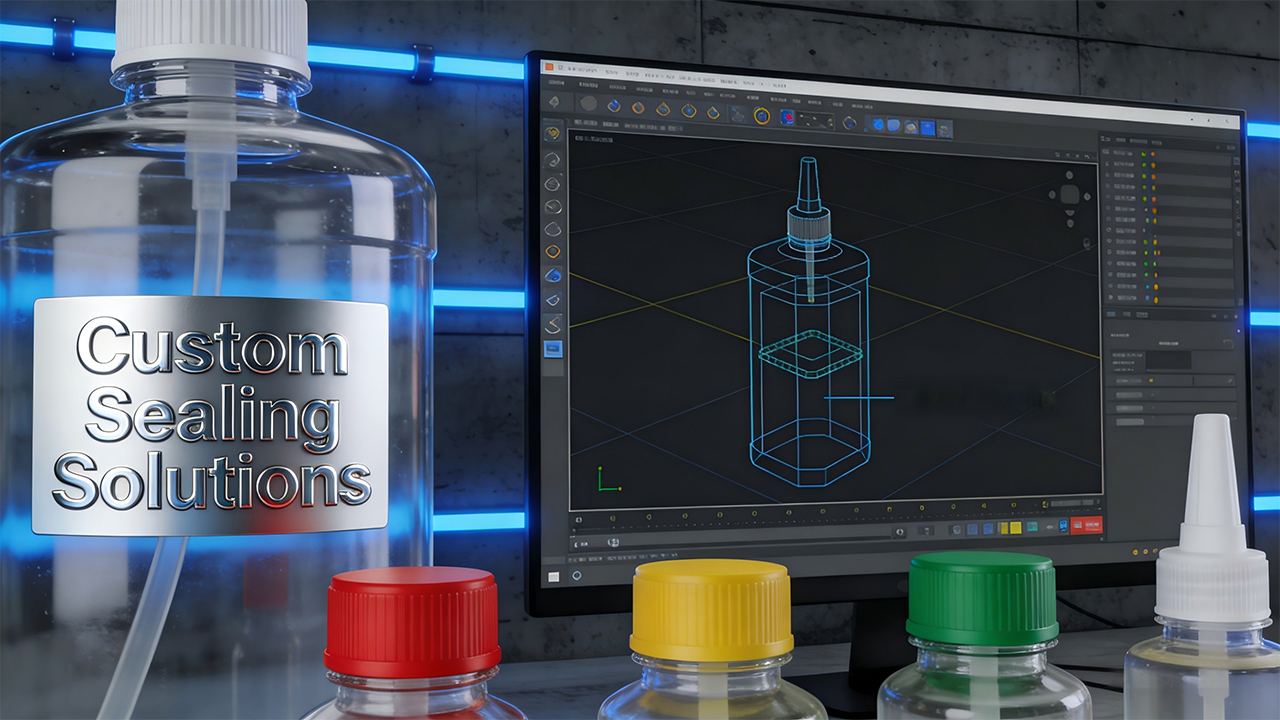
Modern building developers, procurement officers, and construction managers in Bangkok look for vendors that offer more than off-the-shelf formulations. Global procurement mandates demand strict compliance with international mechanical properties such as ASTM C920 (Standard Specification for Elastomeric Joint Sealants) and ISO 11600.
At Shandong Jinfang, we leverage our integrated supply chain to support bulk global shipping requirements. By maintaining strategic raw material reserves and utilizing automated packaging and filling technology, we ensure consistent batch-to-batch quality. Our geographical position and efficient shipping networks enable an average delivery window of just 15 business days from order confirmation to port delivery, preventing local supply shortages on critical infrastructure sites.
As green building certifications like LEED (Leadership in Energy and Environmental Design) and Thailand’s local TREES (Thai’s Rating of Energy and Environmental Sustainability) become standard benchmarks for premium grade-A office buildings in Bangkok, our R&D roadmap focuses on sustainable innovation.
Our development pipeline is designed around three core focus areas:

Get answers to critical application questions regarding hybrid polymer performance in high-humidity and high-temperature environments.
Silicone sealants contain low-molecular-weight silicone fluids (plasticizers) that can migrate into porous stones like marble, granite, or precast concrete, resulting in dark, oily staining that attracts dust and ruins aesthetics. MS Polymer Sealants (Silyl-Modified Polymers) contain no free silicone oils, eliminating the risk of plasticizer migration and keeping facades clean and dry.
MS Polymers are moisture-curing sealants. They utilize ambient atmospheric humidity to trigger the cross-linking mechanism. In high-humidity environments like Bangkok, the curing reaction initiates reliably and consistently. Unlike PU sealants, they do not bubble or foam when curing in wet conditions, because they do not release CO2 gas during the cross-linking process.
Yes, unlike silicone, MS Sealants are highly compatible with most water-based acrylic emulsion paints. For optimal performance, it is recommended to paint over the sealant after it has fully cured to allow the joint to adjust to structural movements without causing paint film cracking.
Generally, no. MS Polymer molecules contain built-in silane coupling agents that establish strong chemical bonds to both organic and inorganic surfaces (concrete, glass, aluminum, anodized metal) without needing a primer. However, for submerged joints or highly challenging surfaces, we recommend a simple test run or consulting our technical team.
When stored in its original, unopened packaging in a cool, dry environment (below 27°C), our MS Sealants maintain full chemical stability for 12 months. We use high-quality aluminum-lined moisture barrier foils for our packaging to prevent premature curing during transportation and warehousing in tropical regions.
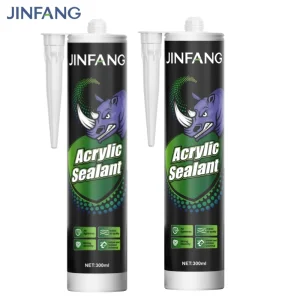
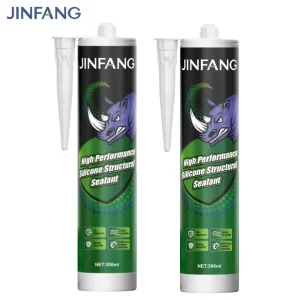
Our extended range of certified sealing solutions, engineered for maximum durability and structural integrity.
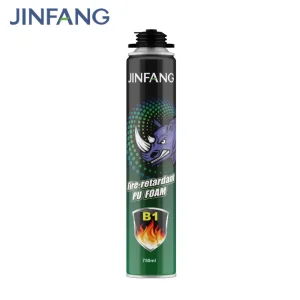
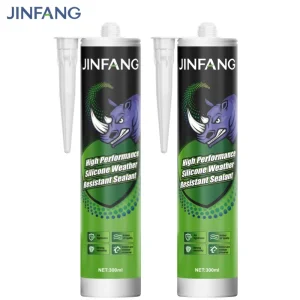
 Jinfang