Industrial-grade high-temperature adhesives, silicones, and sealants custom-engineered for maximum structural integrity under volatile thermal stress.
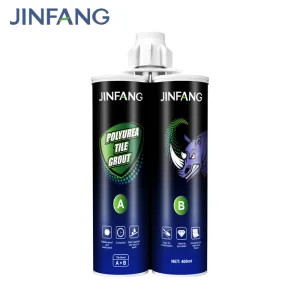
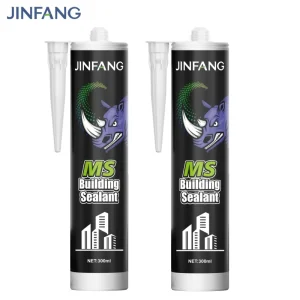
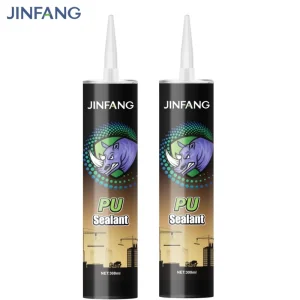
An in-depth whitepaper analysis of macroeconomic trends, regulatory landscapes, and critical material transformations within thermal barrier engineering.
Modern industrial operations face unprecedented thermal conditions. Advanced manufacturing, aerospace expansion, automotive electrification, and high-speed rail systems demand adhesive systems capable of operating at continuous thermal ranges exceeding 250°C to 1000°C. High-temperature adhesives serve as critical failure-prevention materials, replacing traditional mechanical fasteners to distribute stress and isolate heat across diverse composite substrates.
Regulatory frameworks, including the EU’s REACH initiative and LEED requirements, have pushed manufacturers to phase out volatile organic compounds (VOCs) and hazardous chemical crosslinkers. The shift toward greener chemistry has prioritized Modified Silane (MS) Polymers and low-emission silicones that maintain exceptional heat-deflection thresholds without sacrificing user safety or releasing toxic byproducts during curing.
Shandong Province, China, has established itself as an epicenter for polymer synthesis. With complete, integrated supply chains from raw silicon ores to specialized silane monomer production, manufacturers in this region enjoy structural cost and stability advantages. Secure logistics, domestic material availability, and large-scale synthesis facilities allow for consistent formulation reliability that meets global compliance structures.
Achieving stable chemical adhesion under severe heat loads requires precise manipulation of polymer backbones. Different industrial contexts demand distinct chemical solutions:
| Adhesive Base Type | Thermal Threshold (Continuous) | Structural Tensile Strength | UV & Weathering Resistance | Primary Industrial Application |
|---|---|---|---|---|
| Neutral Silicone Sealants | -50°C to +250°C | Moderate to High | Excellent | Architectural facades, structural glazing, HVAC systems |
| Modified Silane (MS) Polymers | -40°C to +150°C | High Elastic Jointing | Very Good | Prefabricated construction joints, composite transport systems |
| Two-Component Polyurethanes | -40°C to +120°C | Excellent (Rigid/Flexible) | Moderate (Requires Paint) | Automotive manufacturing, wind turbines, aerospace composites |
| Polyurea Formulations | -50°C to +180°C | High Impact & Abrasion | Excellent (Aliphatic types) | Concrete joint sealing, chemical secondary containment, waterproofing |
Deploying advanced automation, joint academic research, and rigorous quality assurance protocols to deliver high-performance adhesives to global enterprises.
Strategically situated within Shandong Province, a powerhouse of the chemical industry, Jinfang has established robust, long-term research partnerships with leading academic institutions, including Shandong University, Xiamen University, and Linyi University. These collaborations leverage specialized molecular testing, advanced chromatographs, and deep talent acquisition channels to keep our product range at the leading edge of commercial chemical design.
Our integrated manufacturing platform encompasses advanced raw material dosing, automated chemical blending, fully integrated cartridge injection molding, and smart packaging. Operating under strict ISO 9001 and ISO 14001 guidelines, we maintain full regulatory compliance, including European IROS standards, to ensure reliable, high-performance adhesive output for all of our international partners.
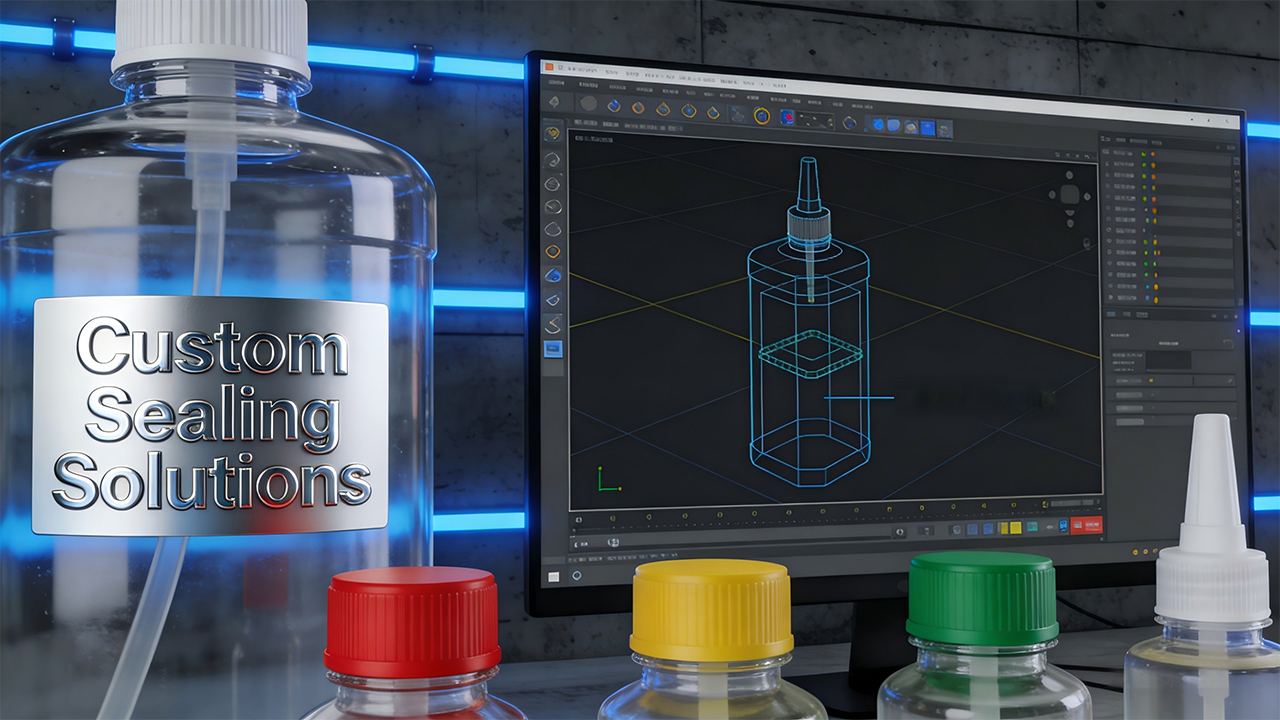
Engineered to adapt to diverse market demands, our private-label supply chain delivers custom formulations, specialized packaging, and vibrant, durable designs.
Our dedicated chemical laboratories can calibrate viscosity, adjust cure profiles, change color matching, and tune physical properties such as elongation and tensile strength to meet the exact environmental and operational demands of your specific applications.
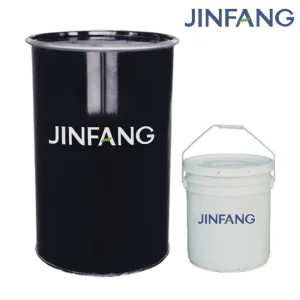
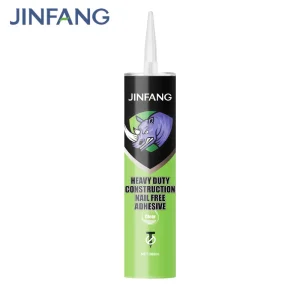
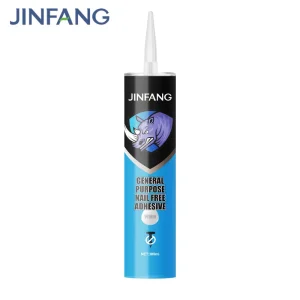
We supply materials across a wide range of standard container designs, including aluminum and plastic sausages, rigid cartridges, plastic pails, bulk metal drums, and small aluminum tubes, ensuring compatibility with your current tooling and logistics.
Utilizing high-speed lithography and direct screen printing, we apply sharp, durable corporate labeling, barcode layouts, and compliance messaging onto our packaging, providing a professional presentation for regional retail and commercial markets.
How global infrastructure firms, manufacturing organizations, and industrial builders utilize Shandong Jinfang adhesive systems in the field.
With stringent European thermal envelope requirements, glazing contractors rely on our structural silicone sealants to bond heavy, double-glazed glass panes to aluminum window profiles, providing superior weatherproofing, high load-bearing capacity, and lasting thermal insulation.
In high-speed locomotive manufacturing and heavy industrial plants, our MS polymer adhesives and specialized polyurethane sealants absorb heavy vibrations, seal panel gaps, and resist extreme thermal variations without brittle failures.
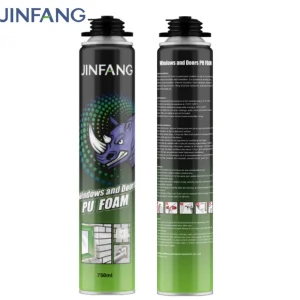
Undergoing rapid urbanization, local construction projects utilize our high-strength PU Foams and eco-friendly construction adhesives to streamline the structural installation of walls, window frames, and roofing assemblies in hot, humid climates.
Explore our complete range of professional-grade chemical formulas, designed to meet strict international standards and perform under demanding conditions.

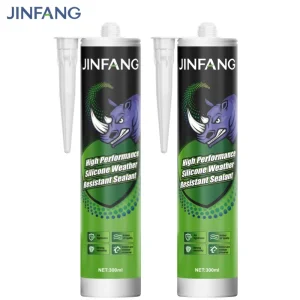
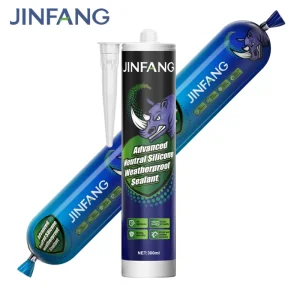
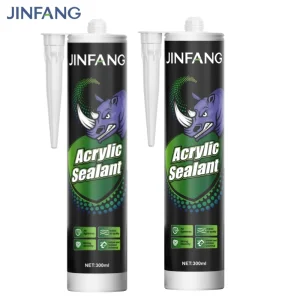
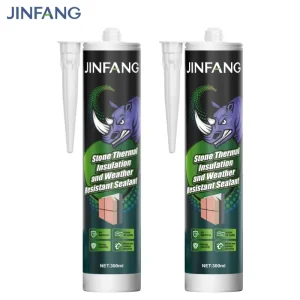
Professional formulation and engineering guidance on selecting, testing, and applying high-temperature adhesives in industrial operations.
The temperature capability of an adhesive depends primarily on its polymer backbone. Organic polymers, such as standard polyurethanes and acrylics, degrade above 120°C due to the thermal vulnerability of their carbon-carbon bonds. Inorganic silicone networks, built with strong silicone-oxygen backbones, withstand constant temperature loads of 250°C and peak surges up to 300°C without losing flexibility or adhesion.
Modified Silane (MS) polymers combine the high tensile strength of polyurethanes with the weathering resistance of silicones. Key advantages include their paintability, primerless adhesion to diverse substrates (including concrete, metal alloys, and plastics), and low volatile organic compound (VOC) emissions, making them ideal for modern prefabricated building assemblies.
Single-component sealants rely on ambient humidity to cure from the outside in, which can limit the cure depth in deep or enclosed joints. Two-component systems use a chemical catalyst that triggers uniform curing throughout the adhesive bead. This rapid, consistent cure is critical for structural glazing and automated factory assembly lines.
Standard silicones are susceptible to swelling and degradation when exposed to hydrocarbons and motor oils over long periods. For chemical contact applications, we recommend specialized fluorosilicones or high-crosslink polyurethane formulations that maintain material integrity in harsh fluid environments.
Our products undergo rigorous testing, including high-temperature aging, cyclic thermal shock chamber tests (-40°C to +200°C), intensive UV exposure under ASTM standards, and adhesive shear testing to ensure long-term stability and performance under extreme environmental stress.
 Jinfang